


The Consumer Revolution in Weight Loss: How GLP-1 Drugs Are Reshaping Metabolic Healthcare
- A digital transformation driving personalized metabolic health solutions for millions of Americans






Overview
The weight loss pharmaceutical landscape is undergoing a radical digital transformation, with GLP-1 medications emerging as a breakthrough technology that blends medical innovation with consumer-driven healthcare. Major pharmaceutical companies like Novo Nordisk and Eli Lilly are pioneering a new approach that turns weight management from a clinical intervention into a personalized, technology-enabled wellness journey.
Digital accessibility is the core driver of this revolution. With nearly 75% of American adults overweight or obese, but only 12% currently using GLP-1 medications, these companies are strategically lowering barriers to entry. By introducing daily pill versions priced at $149 per month and developing smartphone apps in partnership with telehealth providers like Noom and Ro, they're democratizing metabolic health treatments.
The innovation extends beyond mere medication. Dr. Rocío Salas-Whalen's GPS framework (GLP-1, Protein, Strength training) represents a holistic approach that transforms weight loss from an aesthetic goal to a comprehensive health optimization strategy. This methodology emphasizes that successful metabolic intervention requires more than pharmaceutical intervention—it demands integrated lifestyle management. For instance, the framework recommends precise protein intake (100-120g for women, 140-160g for men) and consistent strength training to preserve muscle mass during weight reduction.
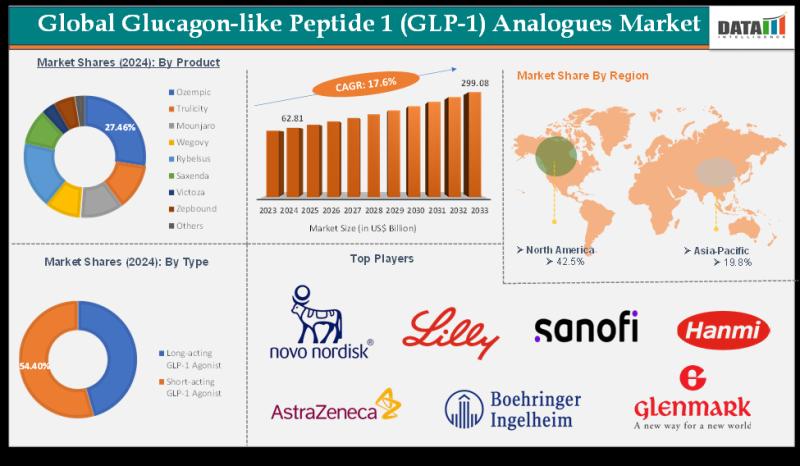
The market potential is staggering. Analysts project the metabolic health market will expand to $150 billion by the next decade, driven by a consumer-centric model that prioritizes personalization, convenience, and holistic wellness. Eli Lilly's recent trillion-dollar valuation underscores the massive economic potential of this approach, signaling a fundamental shift in how healthcare products are developed, marketed, and consumed.
Critically, this trend represents more than a pharmaceutical breakthrough—it's a broader movement towards consumer-driven medical solutions that empower patients with direct, technology-enabled access to treatments. The future of metabolic health is not just about losing weight, but about gaining comprehensive, personalized wellness strategies.
Questions 3
What are the potential risks of this new approach to weight loss medications?
Potential risks include reduced medical supervision and concerns about long-term drug safety. The consumer-driven model might lead to less direct physician oversight, so patients must combine medication with proper nutrition and exercise to avoid complications like sarcopenic obesity.
What makes the GPS framework unique in metabolic health?
The GPS framework (GLP-1, Protein, Strength training) shifts the focus from mere weight loss to comprehensive health optimization. It emphasizes precise protein intake, consistent strength training, and medication as part of a holistic approach to prevent muscle loss and improve metabolic health.