





Germany's Military Transformation Signals European Strategic Realignment
- Geopolitical Tensions Drive Unprecedented Military Expansion Strategy



















)



)














































Overview
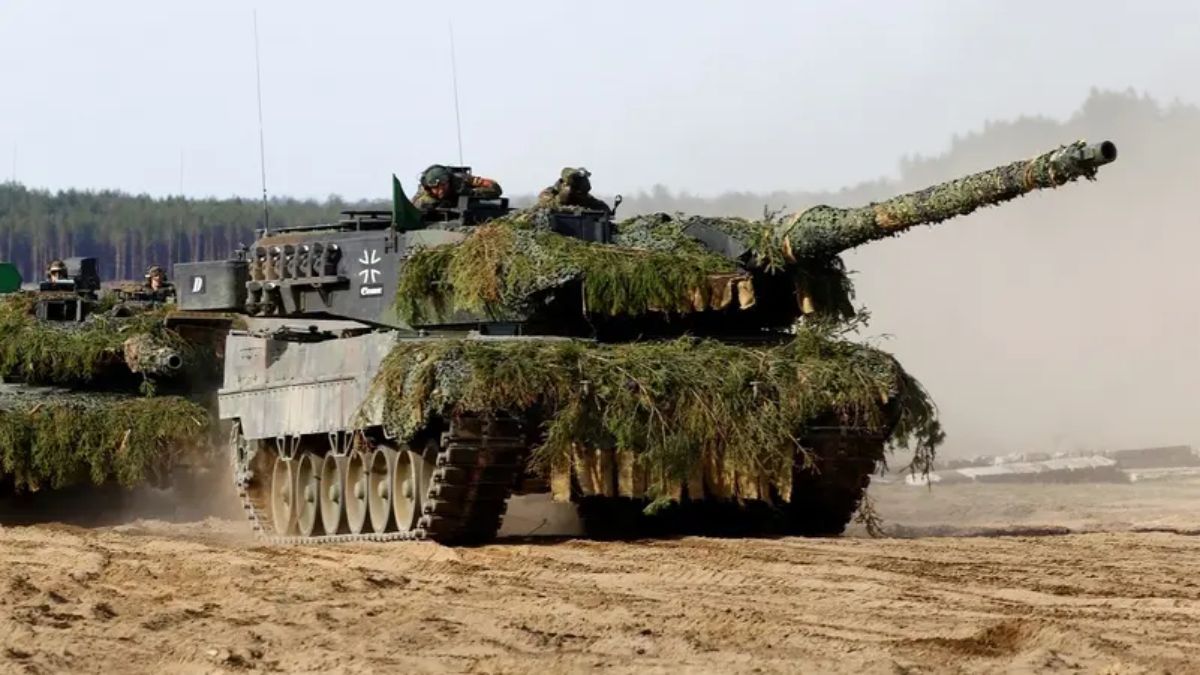
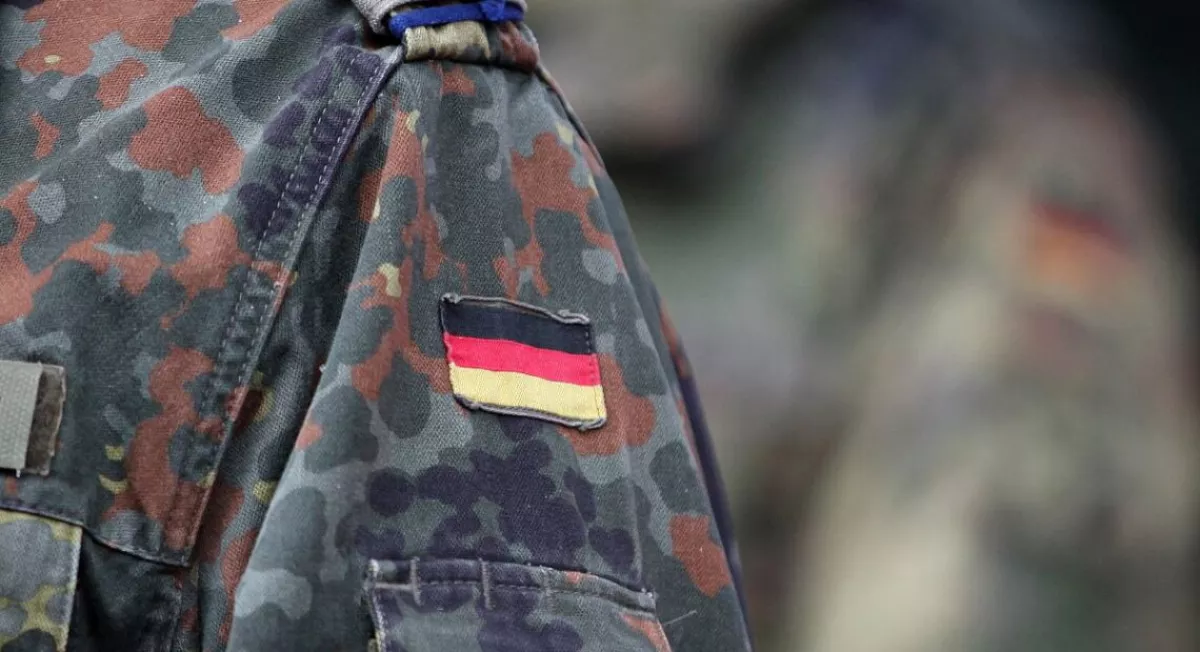
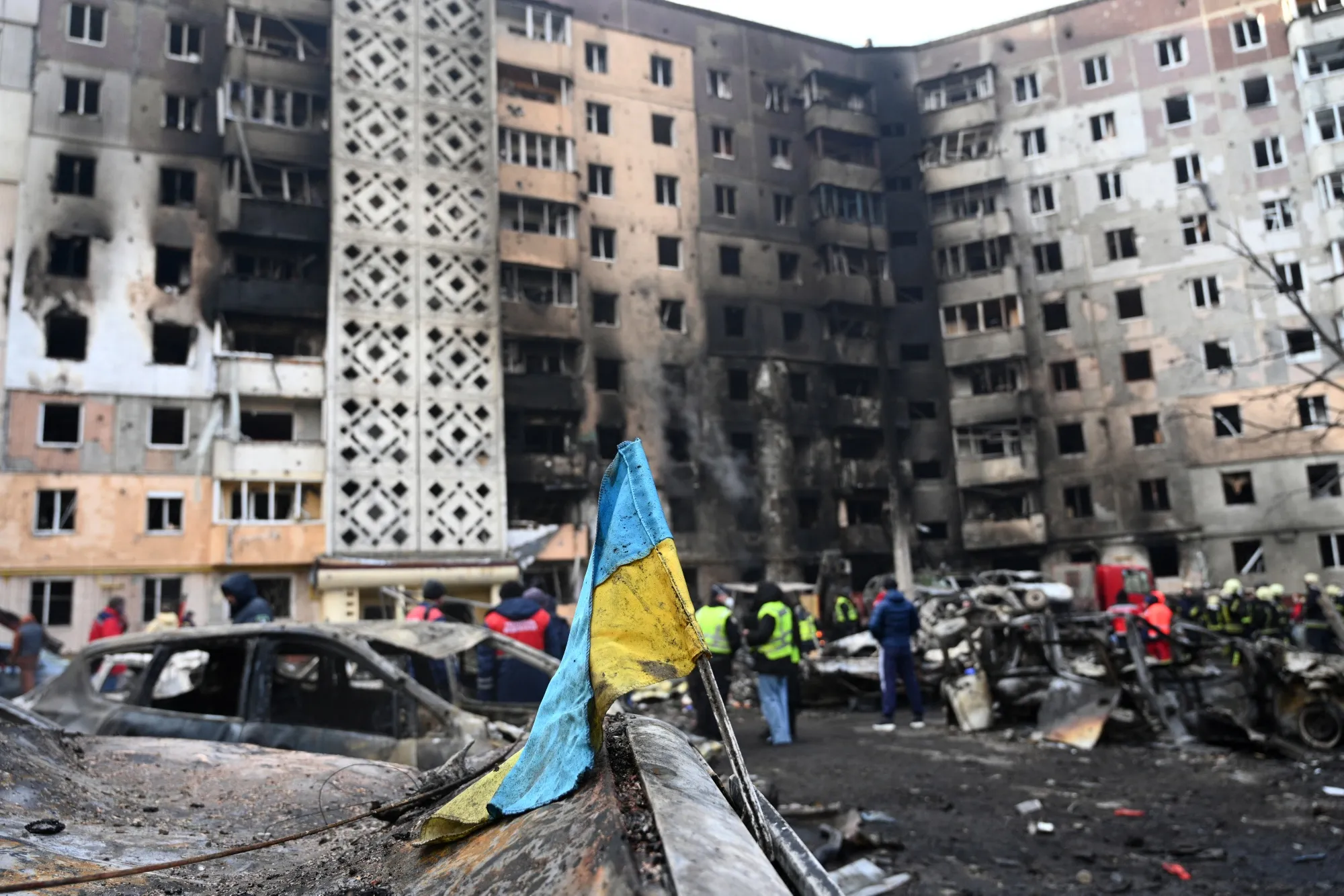
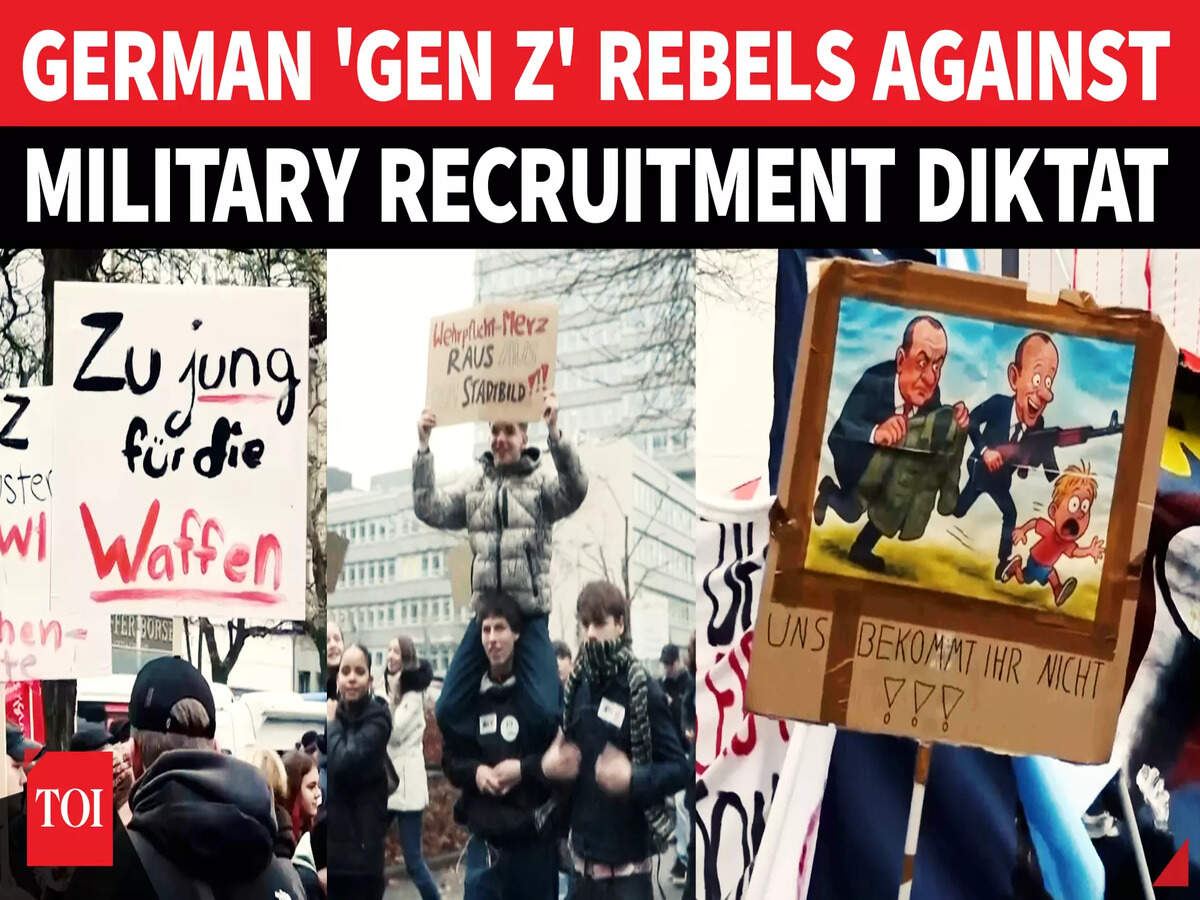
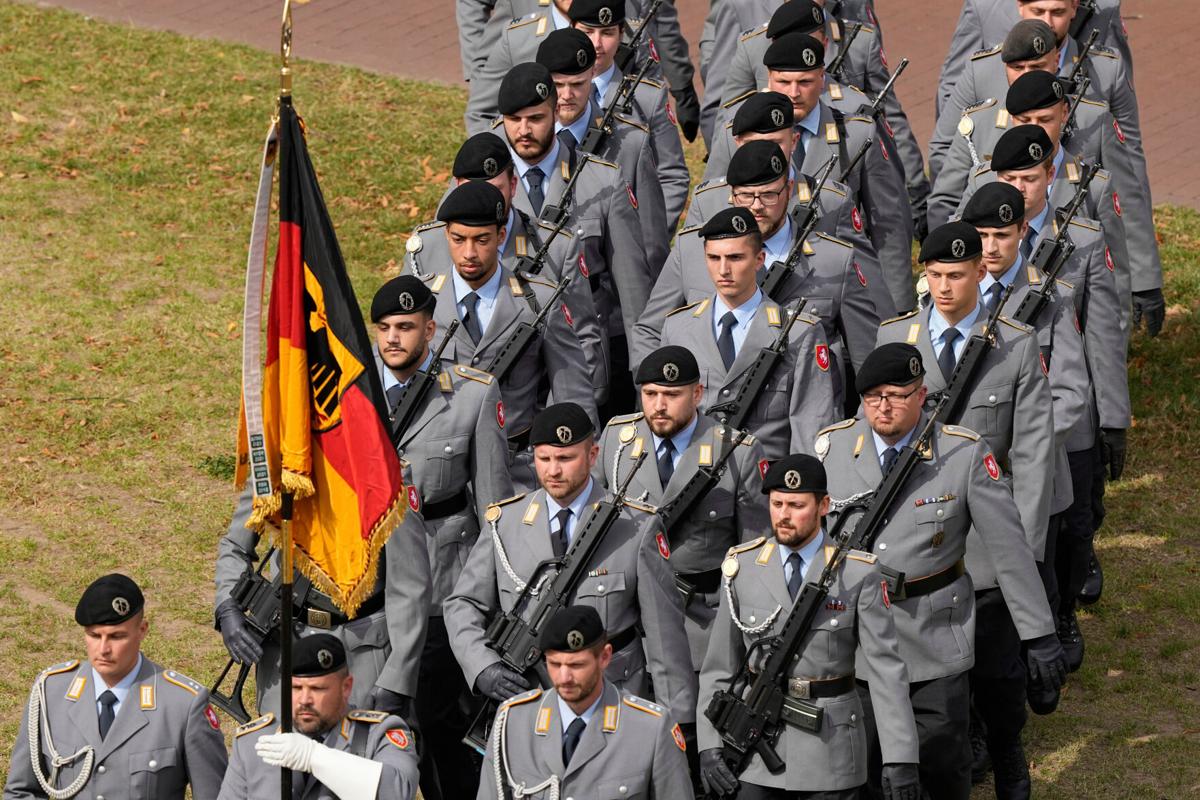
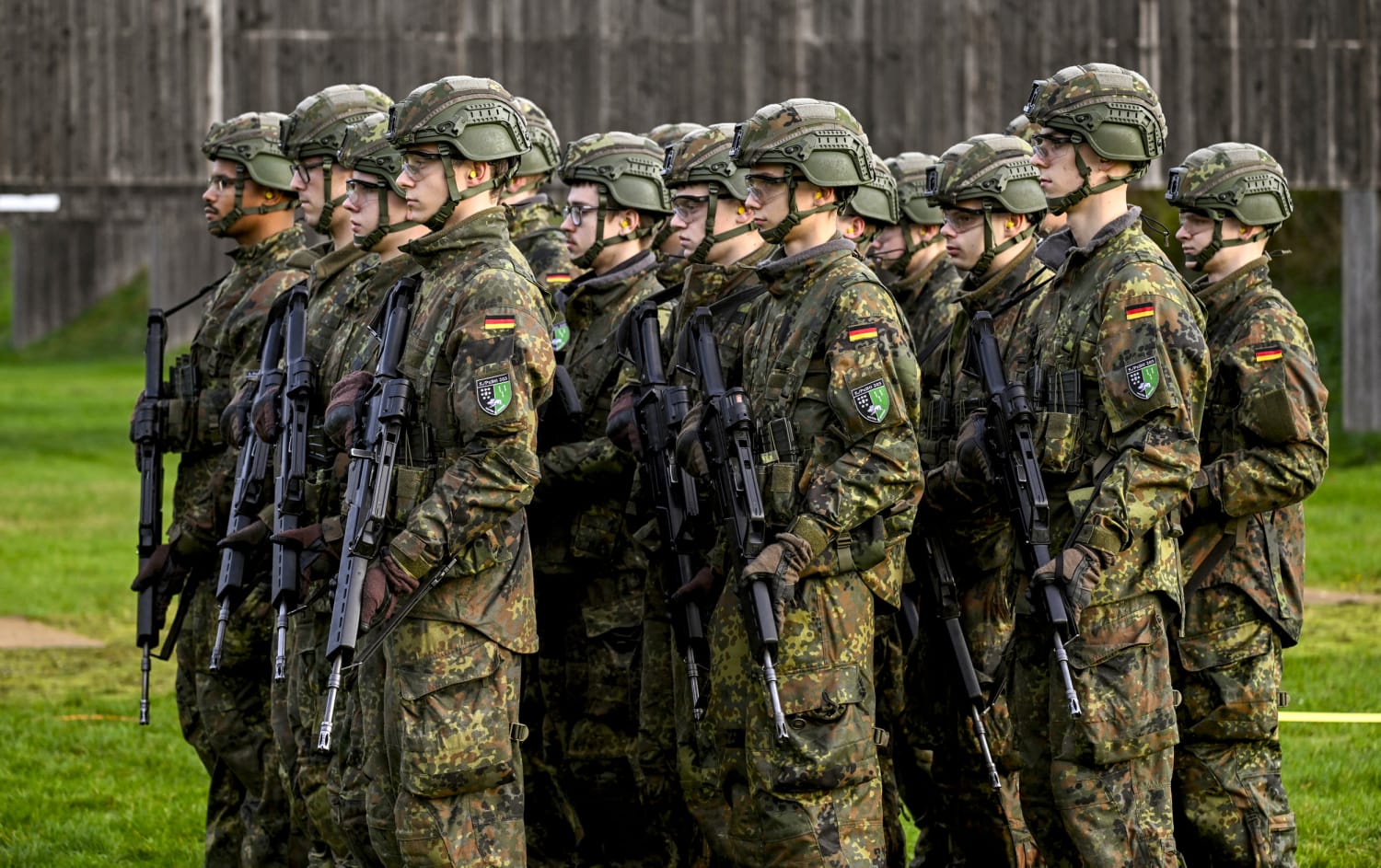
In a pivotal moment for European defense strategy, Germany is fundamentally reshaping its military posture in direct response to escalating geopolitical tensions with Russia. The proposed military expansion represents more than a numerical increase—it signals a profound strategic recalibration in Germany's post-World War II security doctrine.
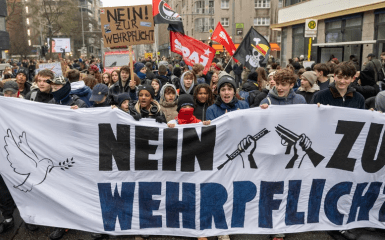
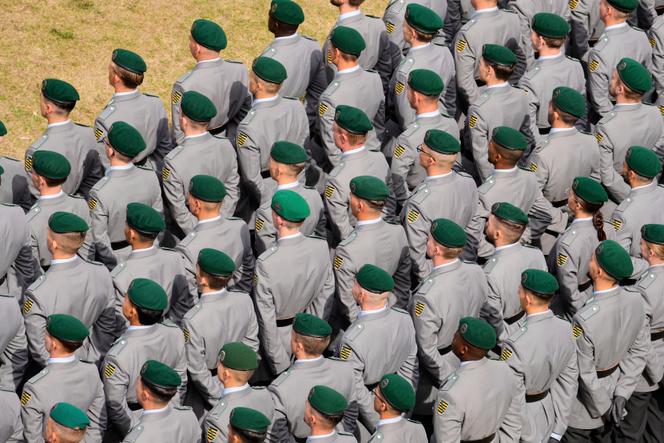
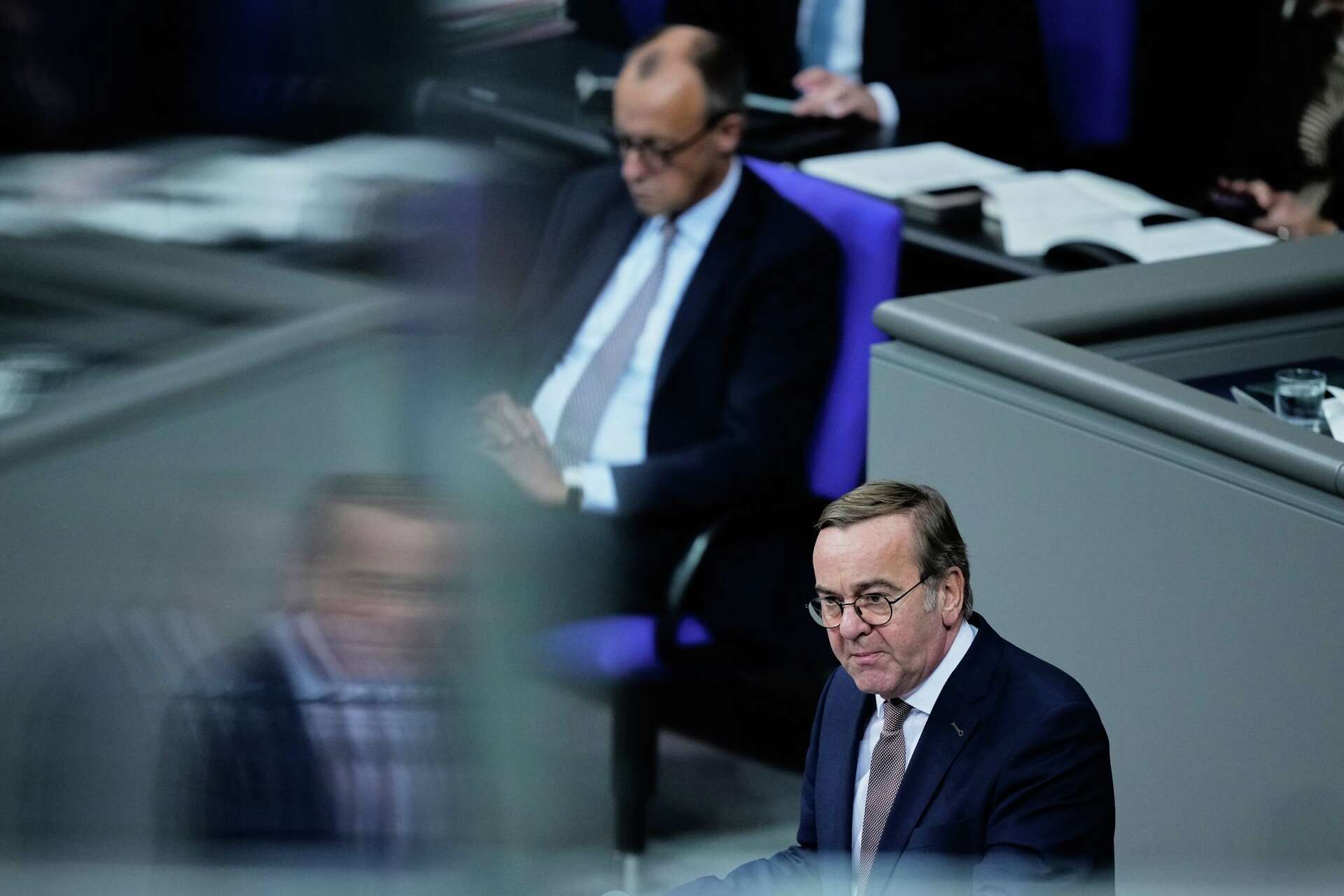
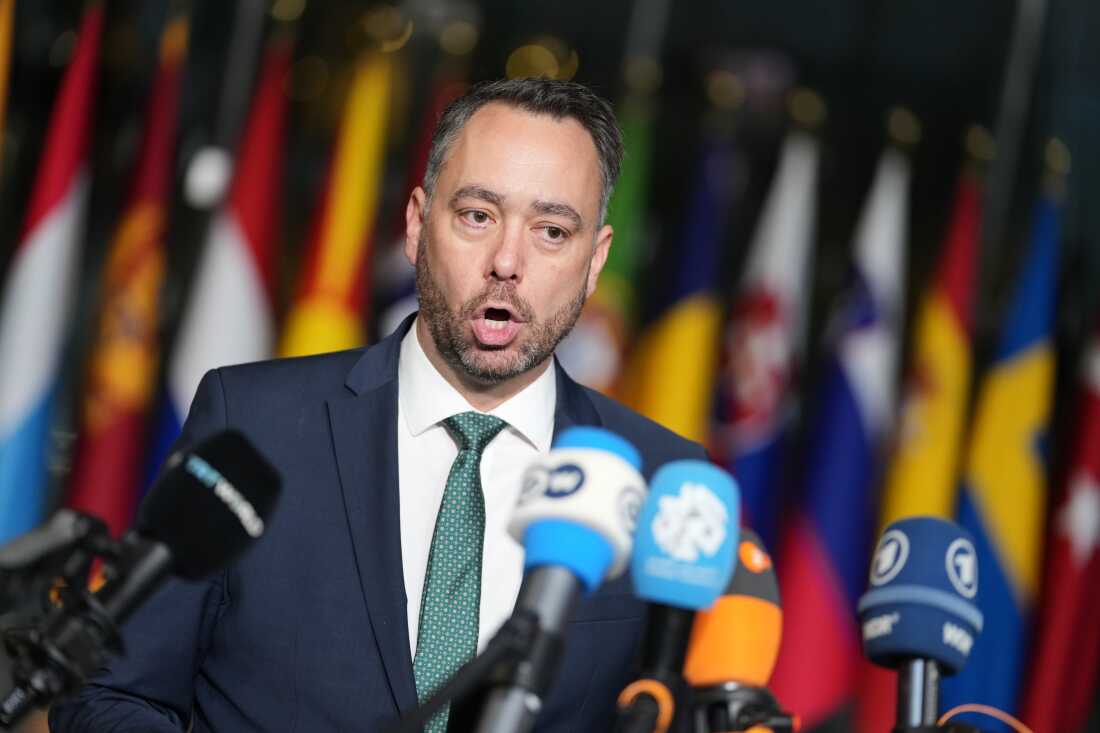
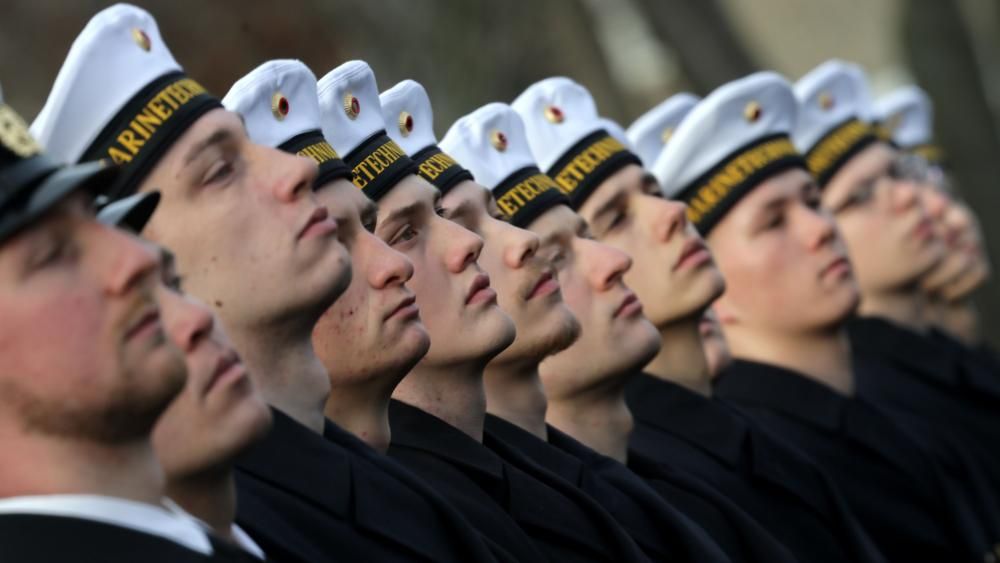
Strategic Military Restructuring Unveiled: Defense Minister Boris Pistorius's ambitious plan to expand the German military to 260,000 soldiers by 2035 marks a nearly 50% boost in military capacity. This isn't just about adding personnel; it's a comprehensive reimagining of Germany's military readiness. The proposed legislation includes sophisticated recruitment incentives like enhanced pay structures and civilian career-relevant training, demonstrating a nuanced approach to military personnel development.
Geopolitical Signaling and Deterrence: The expansion strategy goes beyond traditional military expansion. By creating a flexible recruitment framework that could potentially reintroduce conscription if volunteer recruitment falls short, Germany is sending a clear message of preparedness and resolve. This approach reflects a strategic acknowledgment of the volatile security landscape, particularly the potential for conflict with Russia.
The timing and scale of this military transformation are particularly significant. Germany is transitioning from its historically cautious post-World War II military stance to a more proactive defense posture. This shift indicates a broader European recognition of changing geopolitical dynamics, where traditional diplomatic approaches may no longer suffice in deterring potential regional conflicts.
Critically, the proposed expansion isn't just about increasing troop numbers—it's about creating a more adaptable, technologically sophisticated military infrastructure. The emphasis on career-relevant training suggests Germany is building a military that can attract top talent and maintain technological edge in an increasingly complex global security environment.
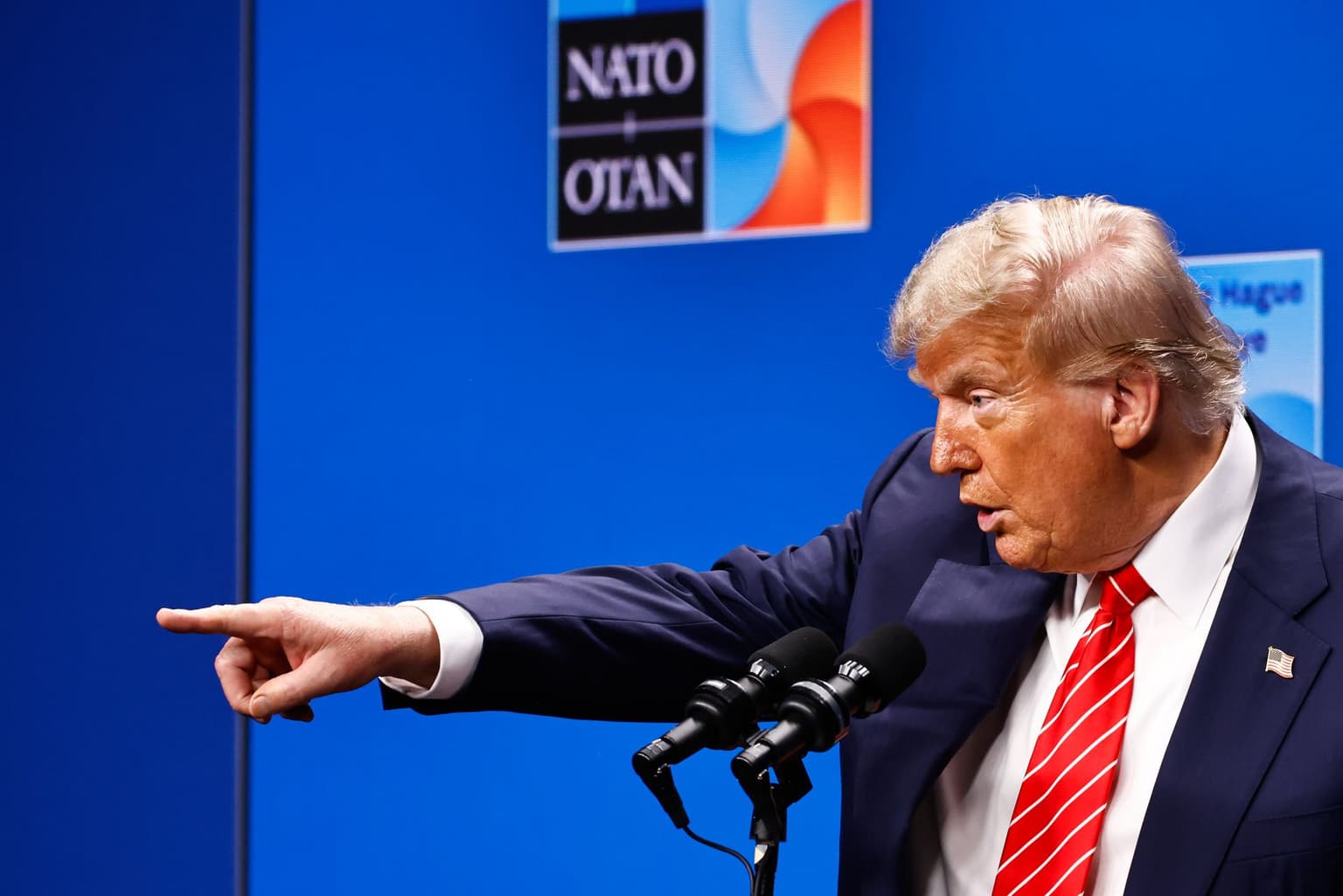
For European allies and global strategic planners, this represents a critical inflection point. Germany's military restructuring could potentially reshape NATO's strategic calculus and send a powerful deterrence signal to potential adversaries.
Questions 4
Why is Germany significantly expanding its military?
Germany is expanding its military primarily in response to growing geopolitical tensions with Russia, seeking to enhance its defensive capabilities and send a strong deterrence signal. The nearly 50% increase in troop numbers by 2035 reflects a strategic shift from its historically cautious post-World War II military approach.
How will Germany attract new military personnel?
The proposed law includes sophisticated recruitment incentives such as improved pay structures and civilian career-relevant training. This approach aims to make military service more attractive by offering clear professional development pathways and competitive compensation packages.