



NFL Quarterback Showdown Reveals the Art of Performance Under Pressure
- Strategic Player Development Transforms Team Dynamics in High-Stakes Professional Sports




Overview
In the high-octane world of professional football, individual performance can dramatically reshape team trajectories, as demonstrated by the recent San Francisco 49ers and Chicago Bears matchup. The game serves as a microcosm of modern sports strategy, where quarterback excellence becomes the critical differentiator between victory and defeat.
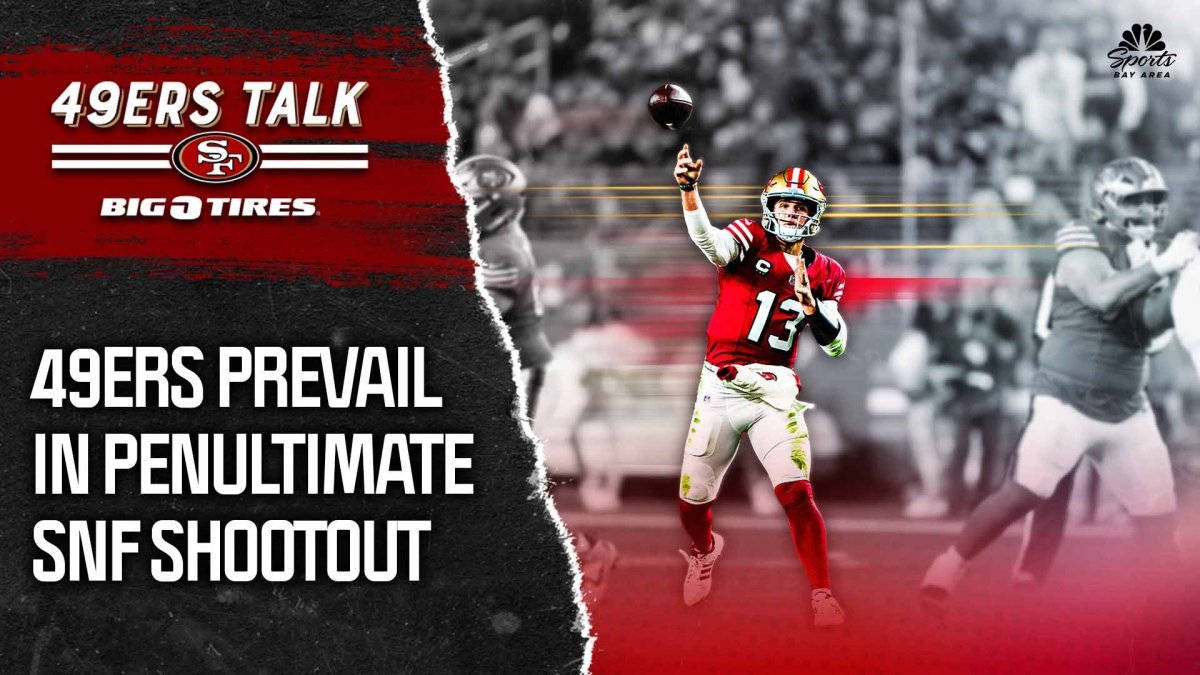
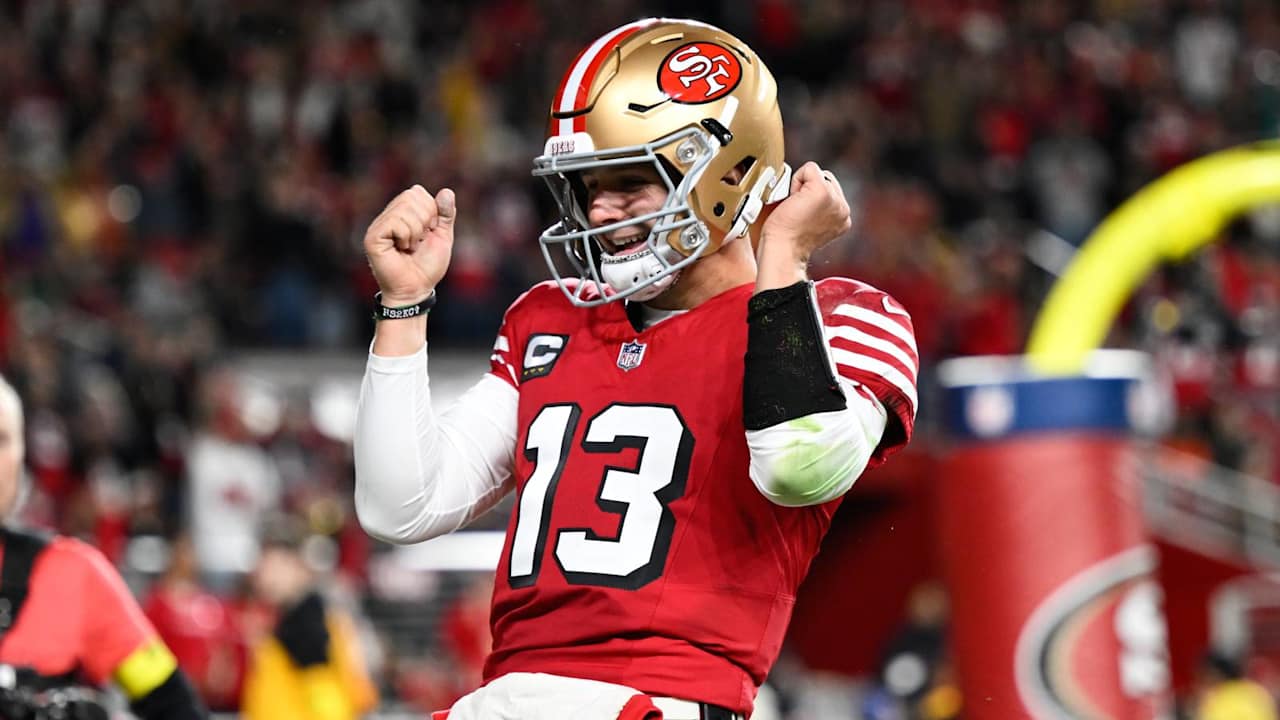
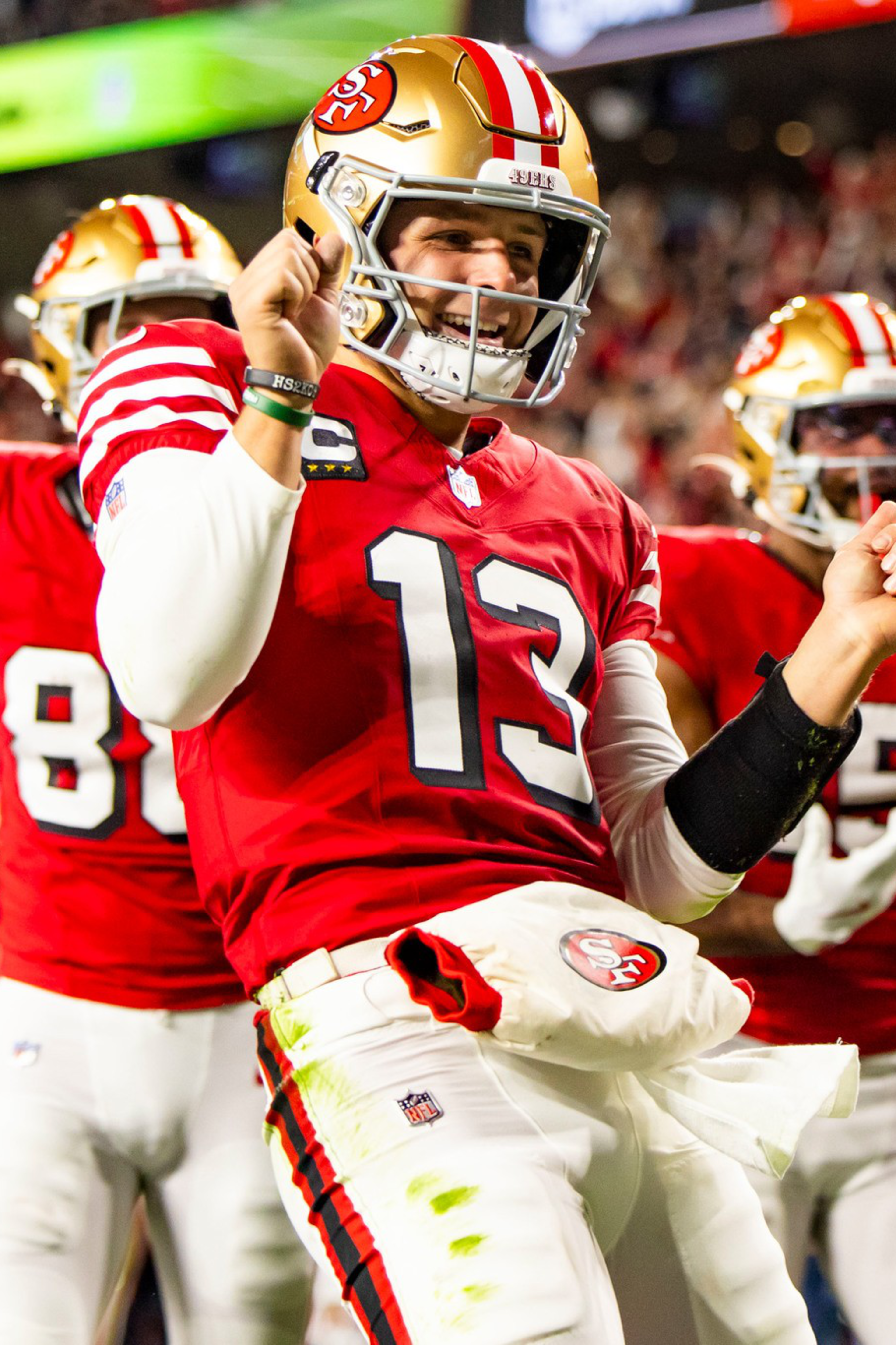
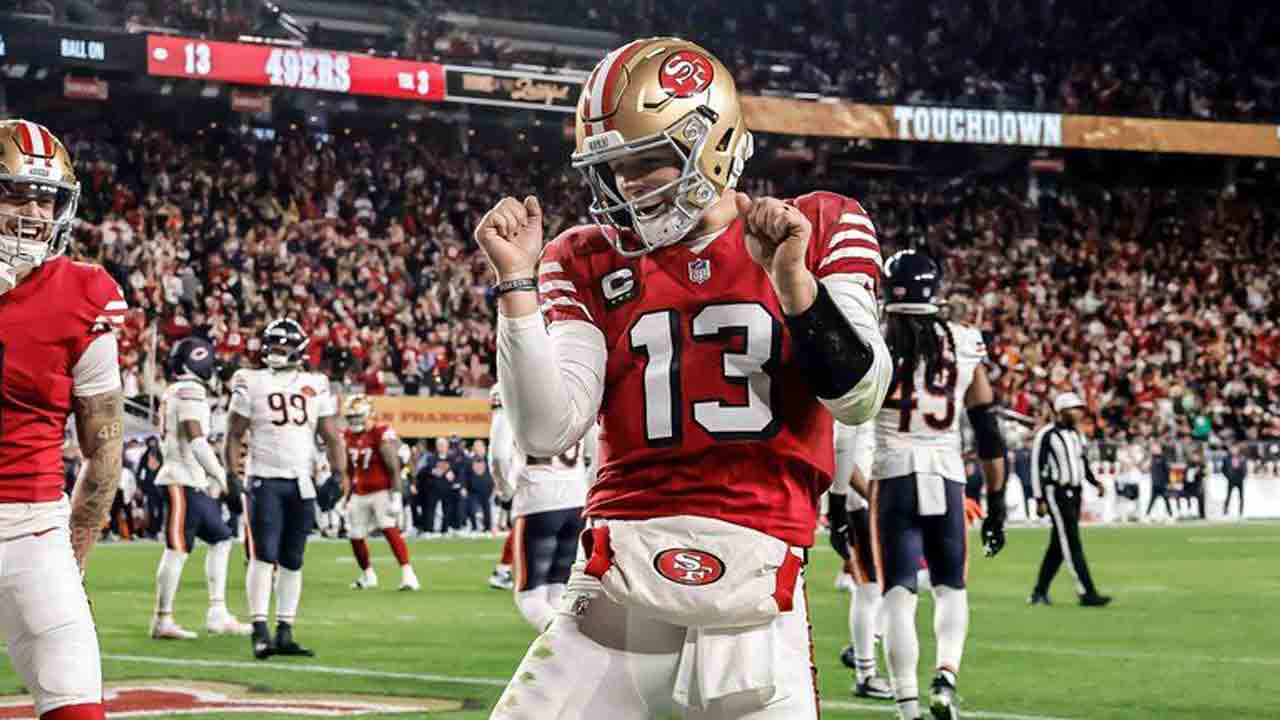
Brock Purdy's remarkable performance stands out as a testament to strategic player development. Completing 24 of 33 passes for 303 yards and scoring 5 total touchdowns, Purdy became the first 49ers player in history to achieve 300+ passing yards, 3 pass TDs, and 2+ rush TDs in a single game. This isn't just statistical prowess; it's a blueprint for how teams transform promising talent into game-changing assets.
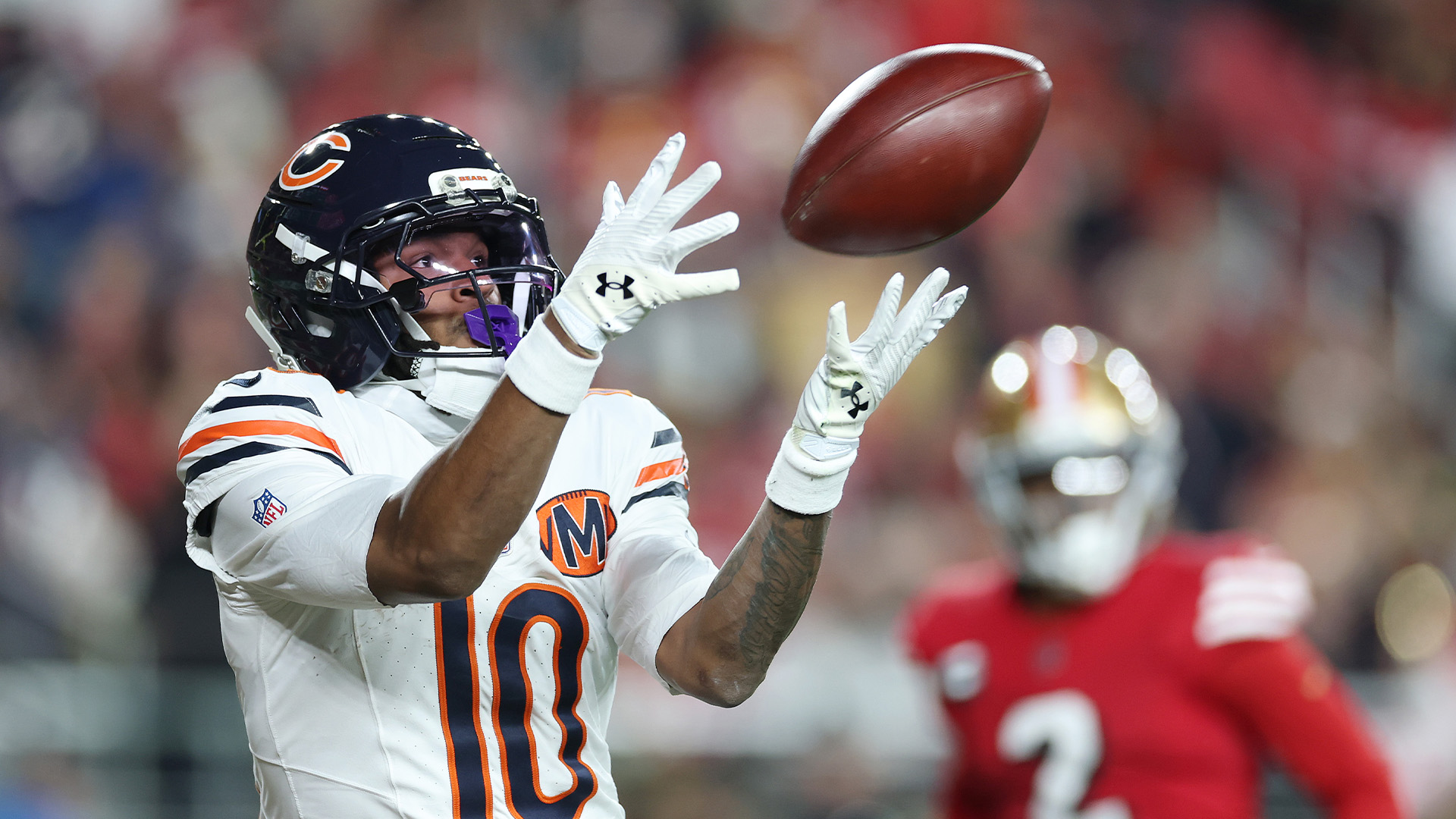
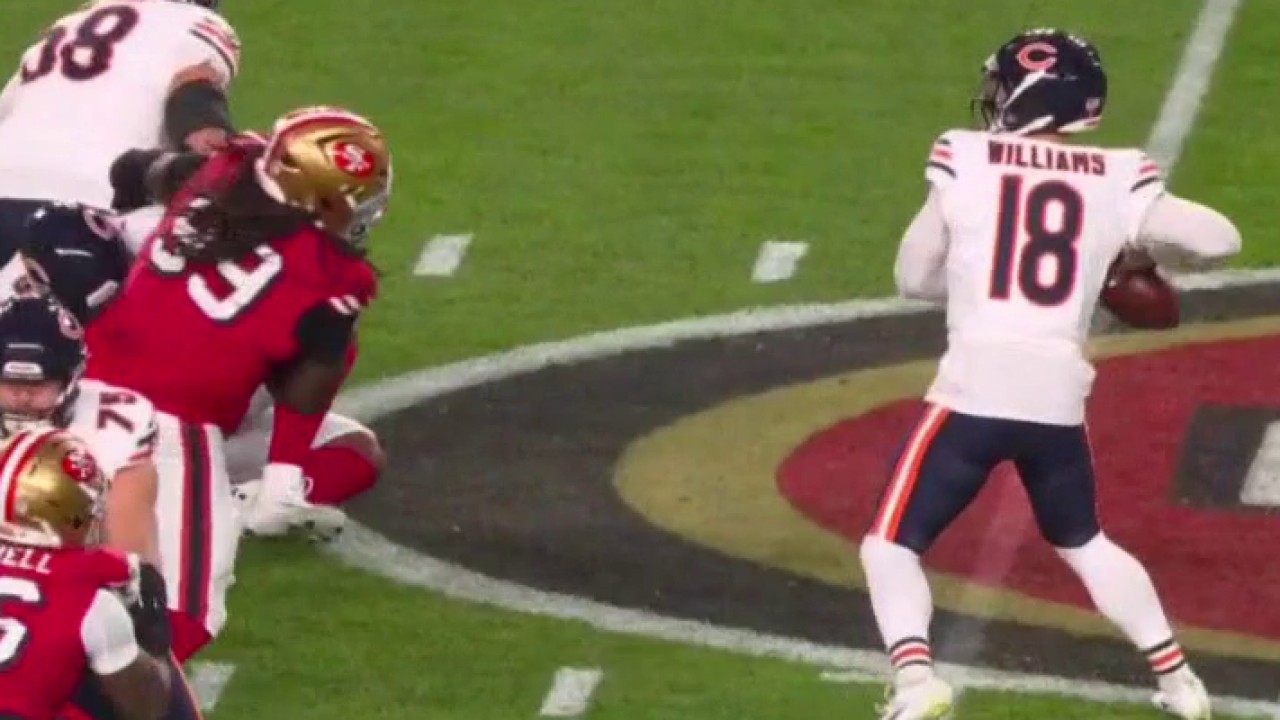
The parallel narrative from the 2025 Week 17 game further illuminates this trend. Caleb Williams of the Bears showcased similar potential, delivering 330 passing yards and multiple touchdowns in a high-scoring contest. The game's 42-38 scoreline underscores a critical insight: modern football is increasingly about individual player capabilities and adaptability under intense competitive pressure.
What emerges is a broader narrative about sports performance optimization. Teams are no longer just selecting athletes; they're cultivating multidimensional performers who can read complex defensive schemes, make split-second decisions, and execute under extreme psychological and physical stress. The ability to generate 496 total yards, convert 7 of 10 critical third downs, and maintain composure in a primetime matchup represents a new standard of athletic excellence.
These performances reveal a deeper transformation in professional sports: the rising importance of holistic player development that goes beyond traditional positional training. Quarterbacks like Purdy and Williams are not just players; they're strategic assets who can fundamentally alter a team's competitive landscape through their unique blend of physical skill, mental resilience, and tactical intelligence.
Questions 3
Why are statistical milestones like Purdy's significant in professional sports?
Milestone performances like Purdy becoming the first 49ers player with 300+ passing yards, 3 pass TDs, and 2+ rush TDs in a single game represent more than personal achievement. They signal a player's potential to redefine positional expectations and demonstrate the evolving complexity of professional athletic performance.
What makes modern quarterback training different from traditional approaches?
Contemporary quarterback development focuses on holistic skills beyond physical performance. It now emphasizes psychological adaptability, complex decision-making under pressure, and the ability to read and manipulate defensive schemes—transforming quarterbacks from position players into strategic team assets.