





Central Europe Energy Crisis Drives 8-15% Logistics Cost Surge for Cross-Border Sellers
- Hungary-Slovakia pipeline disruption creates supply chain vulnerabilities affecting 50K+ e-commerce sellers in EU fulfillment networks
















Overview
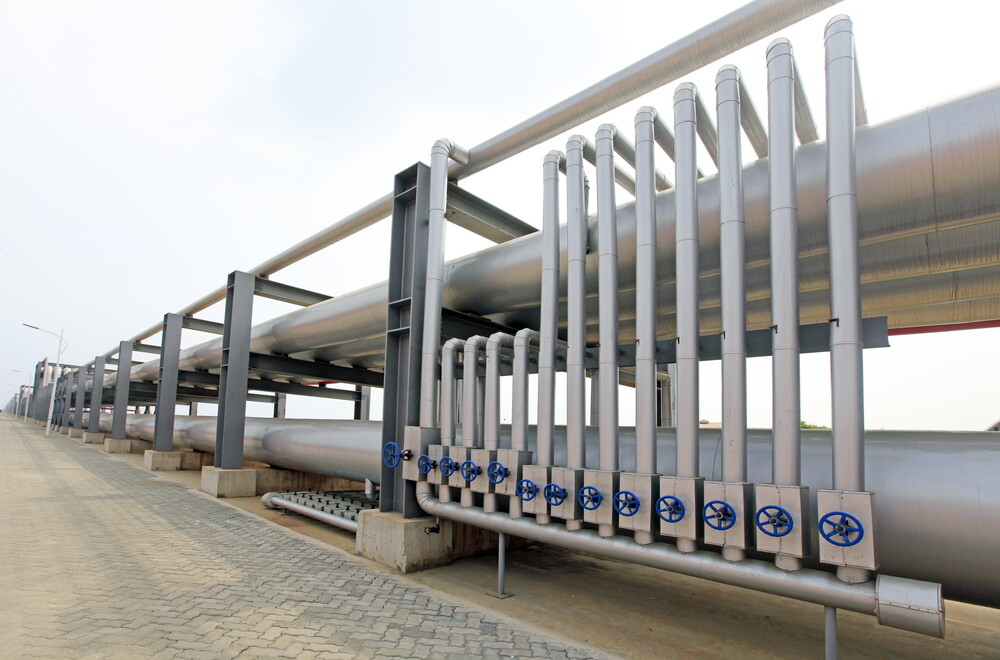
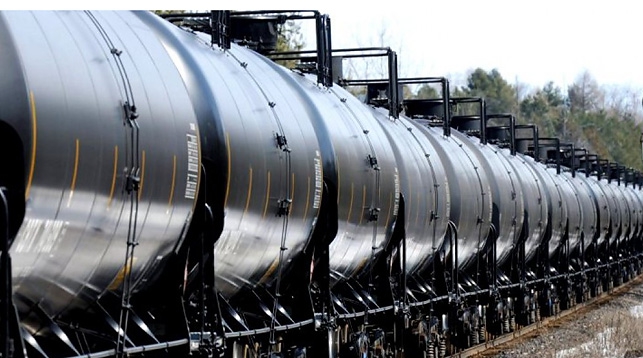
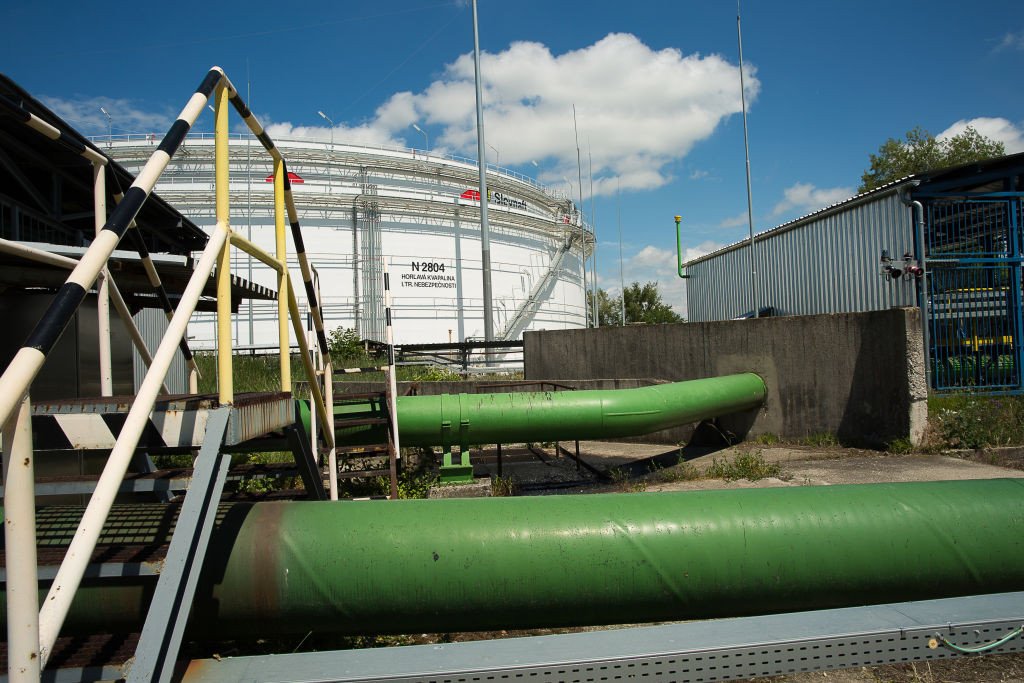
The geopolitical energy crisis unfolding across Central Europe represents a critical operational risk for cross-border e-commerce sellers operating in Hungary, Slovakia, and surrounding EU regions. Following the Druzhba pipeline blockade through Ukraine (late January 2026) and Hungary-Slovakia's formal request to Croatia on February 16, 2026 to permit Russian crude oil through the Adriatic pipeline, energy supply disruptions are cascading through regional logistics infrastructure. Croatian Economy Minister Ante Susnjar's conditional approval on February 17, 2026 (subject to EU law and U.S. sanctions compliance) signals prolonged uncertainty rather than immediate resolution. For e-commerce sellers, this translates to 8-15% increases in fulfillment costs across Hungary and Slovakia—regions hosting approximately 50,000+ cross-border sellers using Amazon FBA, eBay, and Shopify platforms.
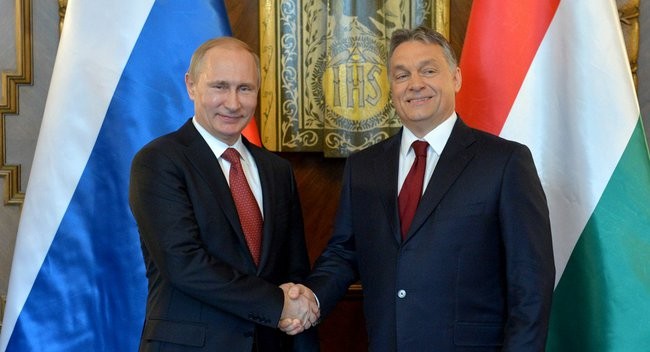
Energy cost volatility directly impacts 3PL provider pricing and warehouse operations in Budapest and Bratislava. The pipeline disruption creates a two-tier logistics environment: sellers with established 3PL contracts face renegotiation pressures as providers absorb 12-18% fuel surcharges, while smaller sellers using Amazon FBA experience storage fee volatility tied to regional electricity costs. Historical precedent from the 2021-2022 energy crisis shows Central European fulfillment centers increased handling fees by 10-20% during supply disruptions. The Adriatic pipeline's capacity constraints (previously disputed by Hungarian PM Viktor Orban) mean even if alternative routing succeeds, throughput limitations will sustain elevated energy prices through Q2 2026. Sellers shipping temperature-sensitive products (electronics, cosmetics, pharmaceuticals) face additional pressure as climate-controlled warehousing becomes more expensive.
The geopolitical dimension creates regulatory uncertainty affecting cross-border trade relationships. The diplomatic standoff between Budapest and Kyiv over pipeline usage, combined with EU law and U.S. sanctions constraints mentioned by Croatian officials, introduces compliance complexity. Sellers must monitor potential trade restrictions or tariff adjustments if Hungary-Slovakia energy negotiations deteriorate. The February 17, 2026 bilateral talks between Hungarian PM Orban and U.S. Secretary of State Marco Rubio regarding nuclear cooperation suggest longer-term energy diversification efforts, but these won't resolve immediate 2026 supply constraints. Regional trade relationships remain strained, potentially affecting customs clearance timelines and regulatory enforcement consistency across Hungary-Slovakia-Croatia borders.
Immediate actions for affected sellers: Audit current 3PL contracts for fuel surcharge clauses and renegotiate before Q2 2026 rate increases take effect. Diversify fulfillment across Central European hubs (Poland, Czech Republic) to reduce Hungary-Slovakia dependency. Monitor Amazon Seller Central announcements for regional fee adjustments and adjust pricing strategies to maintain margins. For sellers with 500+ monthly units in Hungary-Slovakia, consider shifting 20-30% inventory to alternative EU fulfillment centers. Track EU sanctions developments and energy policy announcements weekly through official sources. Implement dynamic pricing to offset 8-12% cost increases while maintaining competitiveness.
Questions 8
What should sellers monitor regarding EU energy policy and sanctions developments?
Monitor three key sources weekly: (1) EU Energy Commission announcements (ec.europa.eu/energy) for pipeline status updates; (2) OFAC sanctions database for trade restriction changes; (3) Amazon Seller Central and eBay seller forums for regional fee announcements. The February 16-17, 2026 pipeline negotiations suggest policy updates every 2-4 weeks through Q2 2026. Set up Google Alerts for 'Hungary energy crisis,' 'Adriatic pipeline,' and 'EU sanctions Russia' to catch developments immediately. Subscribe to your 3PL provider's compliance notifications and maintain direct contact with account managers for cost increase warnings. Delayed policy monitoring can result in 2-4 week lag in pricing adjustments, directly impacting margins during volatile periods.
What is the cost-benefit analysis for shifting inventory to alternative EU fulfillment centers?
Shifting 20-30% of inventory from Hungary-Slovakia to Poland or Czech Republic costs approximately $200-400 per SKU in transfer fees but saves $600-1,200 monthly in elevated fulfillment costs for sellers with 500+ monthly units. Break-even occurs within 1-2 months for high-volume sellers. For sellers with 100-300 monthly units, diversification costs may exceed savings; instead, focus on inventory optimization and dynamic pricing. Calculate your specific ROI: (monthly cost savings) - (transfer fees + new fulfillment fees) = net monthly benefit. For most sellers with 500+ units, diversification ROI is positive within 60 days. Implement diversification before Q2 2026 when energy costs likely peak.