





India's Airline Regulatory Turbulence Exposes Critical Infrastructure Vulnerabilities
- Regulatory shifts trigger massive disruption in India's aviation sector, highlighting systemic operational challenges










)



























































)













Overview
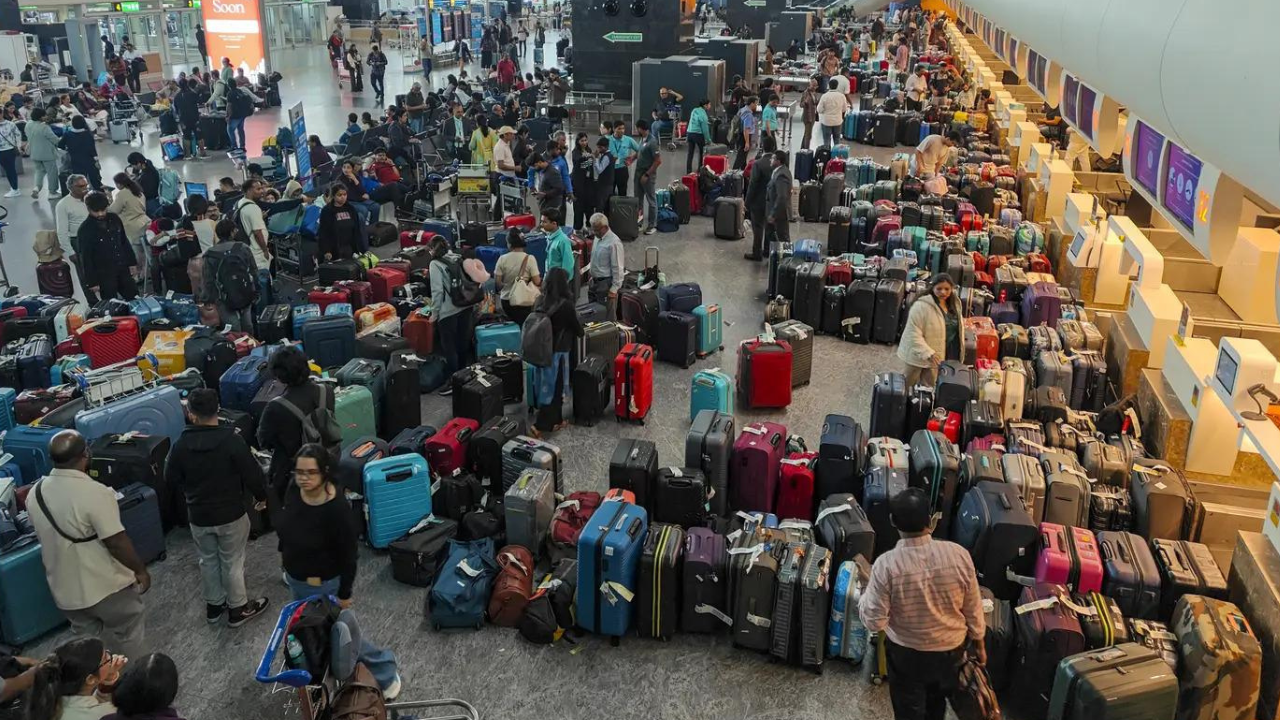
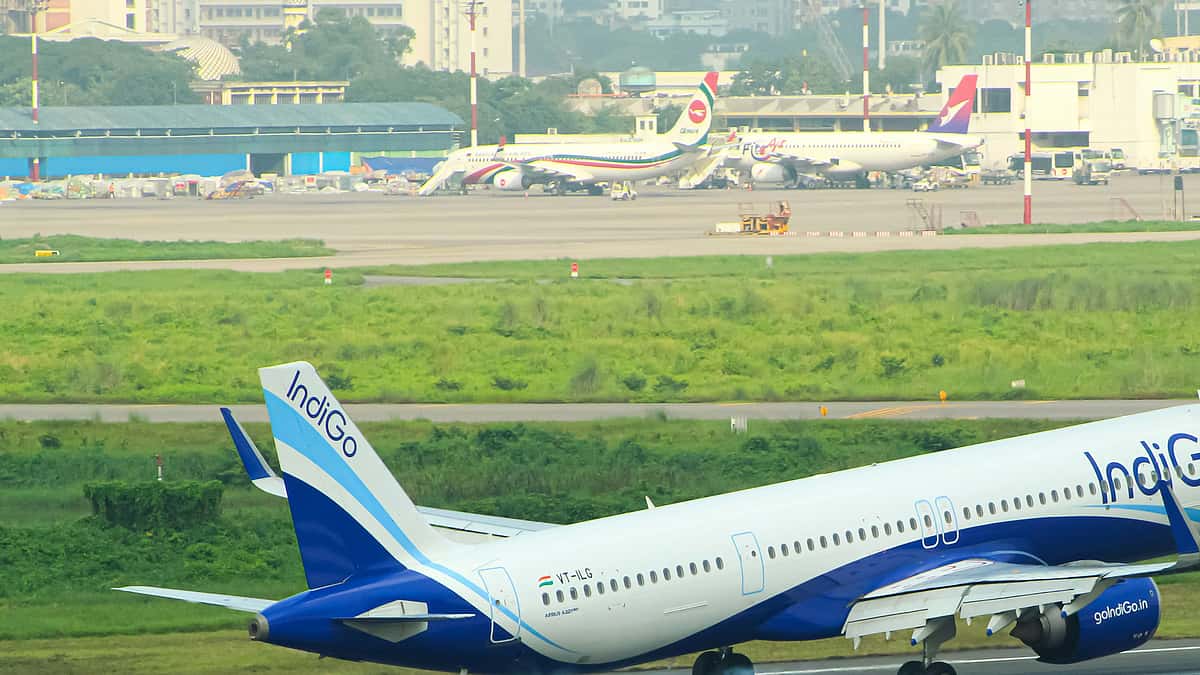
The Indian aviation ecosystem is experiencing a profound stress test following IndiGo's unprecedented operational meltdown, revealing deep-seated vulnerabilities in regulatory compliance and operational resilience. On December 6, 2025, the country's largest airline faced a massive disruption, canceling 385 flights due to complex scheduling challenges emerging from new pilot rest and night flying regulations.
Regulatory Complexity as a Systemic Risk: The crisis illuminates the intricate balance between safety regulations and operational continuity. The Indian government's immediate response—capping airline fares and providing passenger relief—signals a proactive approach to managing market volatility. However, the underlying issue transcends a single airline's challenges, pointing to broader structural weaknesses in India's aviation infrastructure.
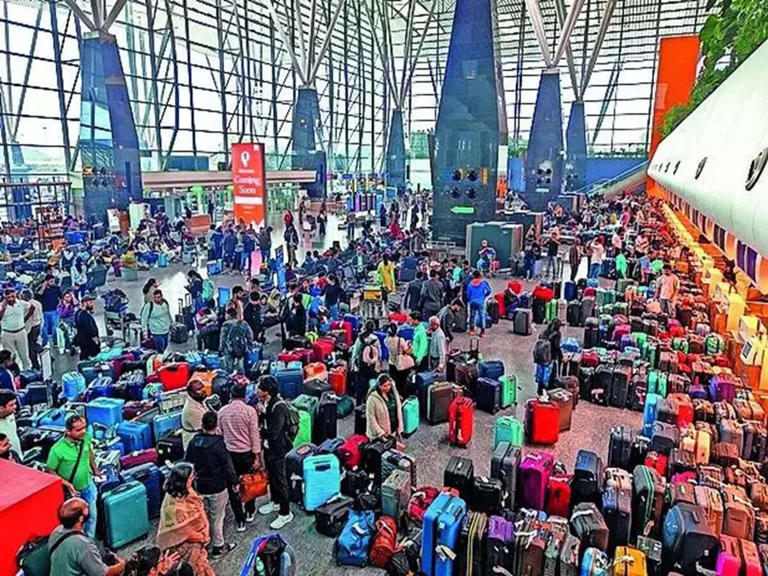
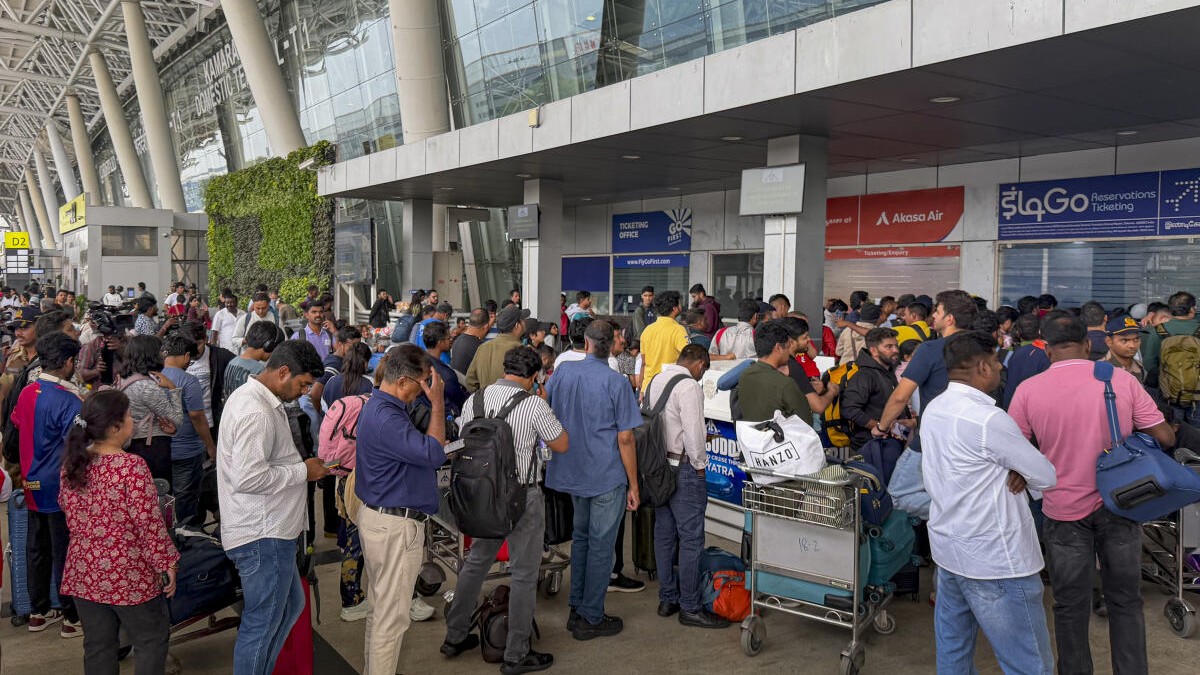
Operational Resilience Under Scrutiny: The widespread impact across major airports like Bengaluru, Mumbai, Delhi, and Hyderabad demonstrates the interconnected nature of India's air transportation network. With hundreds of passengers stranded, the incident exposes critical gaps in contingency planning and regulatory adaptation. This event serves as a critical inflection point, compelling aviation stakeholders to reassess operational protocols, scheduling mechanisms, and regulatory compliance strategies.
The strategic implications are profound: airlines must now invest heavily in adaptive scheduling technologies, regulatory intelligence, and robust contingency frameworks. For policymakers, this represents an opportunity to develop more nuanced, flexible regulatory approaches that balance safety requirements with operational efficiency. The long-term trajectory suggests a fundamental reimagining of how aviation regulations are designed, implemented, and monitored in a rapidly evolving transportation ecosystem.
Questions 3
What are the long-term implications of this aviation crisis?
The incident highlights the need for more adaptive regulatory frameworks, advanced scheduling technologies, and robust contingency planning in the aviation sector. Airlines and policymakers will likely invest in more flexible compliance mechanisms and technological solutions to prevent similar large-scale disruptions in the future.
What caused the massive flight cancellations by IndiGo?
The cancellations resulted from new pilot rest and night flying regulations that created complex scheduling challenges. IndiGo struggled to comply with these updated regulatory requirements, leading to the unprecedented disruption of 385 flight cancellations across major Indian airports.