



Geopolitical Chess: Intelligence Warfare and Diplomatic Tensions in the Post-Skripal Era
- Emerging Strategies of State-Sponsored Intelligence Operations Reshape Global Diplomatic Landscape





)


)















)


















































Overview
The geopolitical intelligence landscape is undergoing a profound transformation, driven by increasingly sophisticated state-sponsored operations that blur traditional boundaries of diplomatic engagement. The Skripal poisoning incident serves as a critical inflection point, revealing the complex mechanisms of modern intelligence warfare and the evolving strategies of global powers.
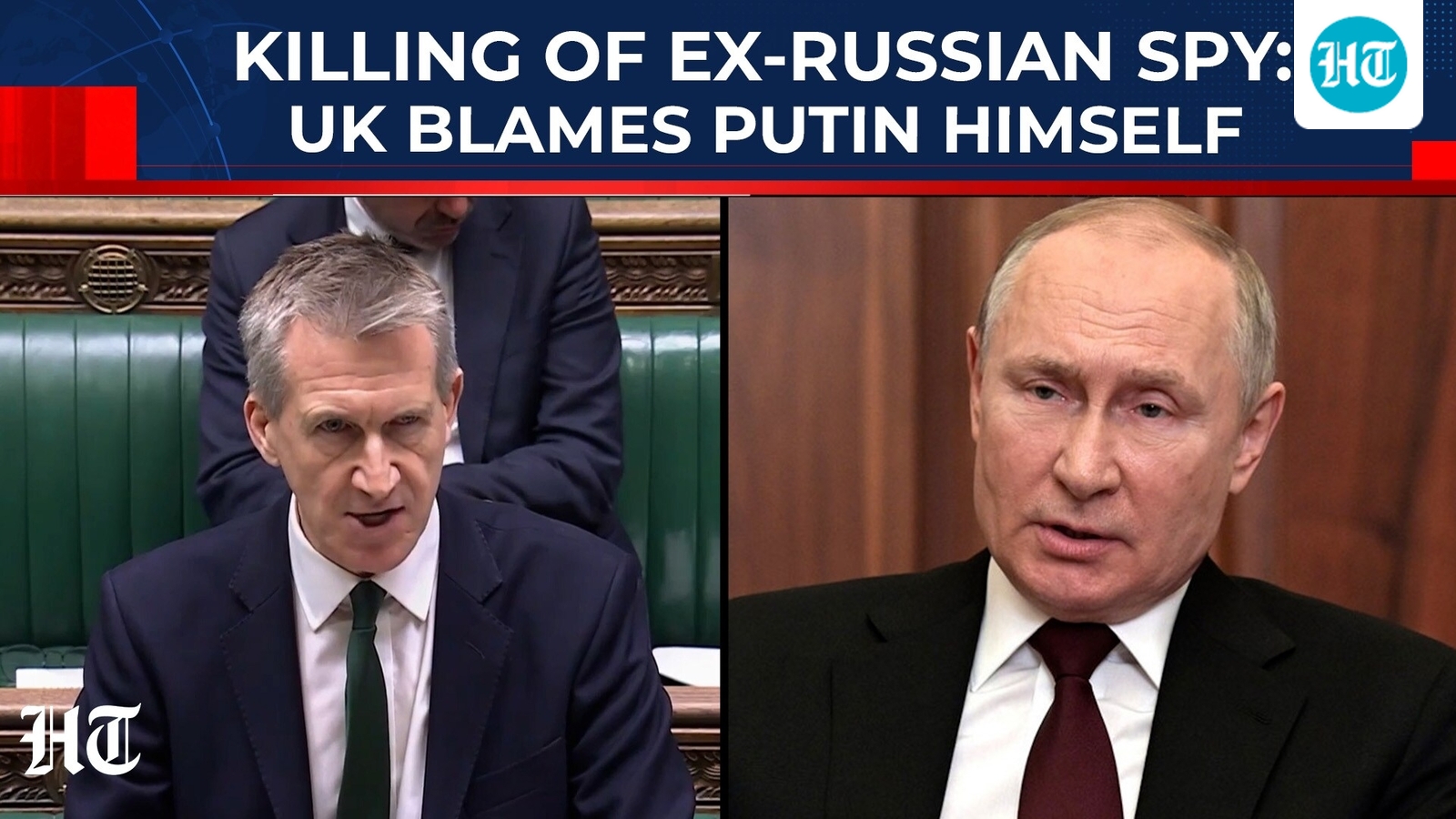
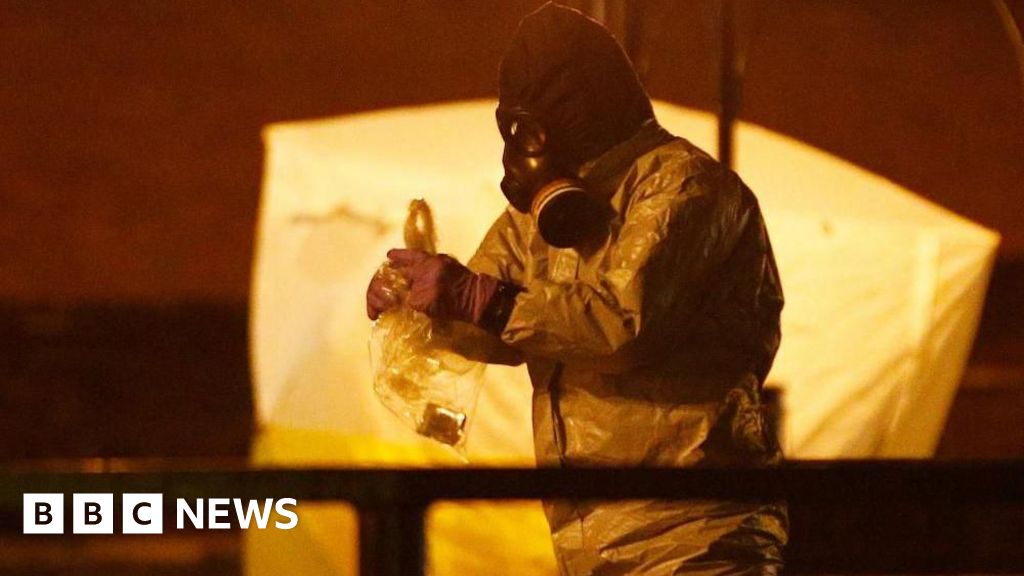
British intelligence's response to the Novichok nerve agent attack demonstrates a fundamental shift in counter-intelligence approaches. The five-fold increase in hostile state threat investigations since the Salisbury incident highlights a strategic recalibration in how Western intelligence services perceive and respond to external threats. Notably, the landscape has evolved from direct state-sponsored actions to more nuanced proxy-based operations, utilizing Bulgarian surveillance groups and low-level criminal networks to maintain plausible deniability.
The geopolitical messaging embedded in such operations extends far beyond immediate tactical objectives. By targeting a former intelligence asset like Sergei Skripal, Russian military intelligence (GRU) sent a powerful warning to potential defectors, showcasing the long-reaching consequences of betraying state secrets. This approach represents a sophisticated form of psychological warfare, where the threat itself becomes a strategic instrument of control.
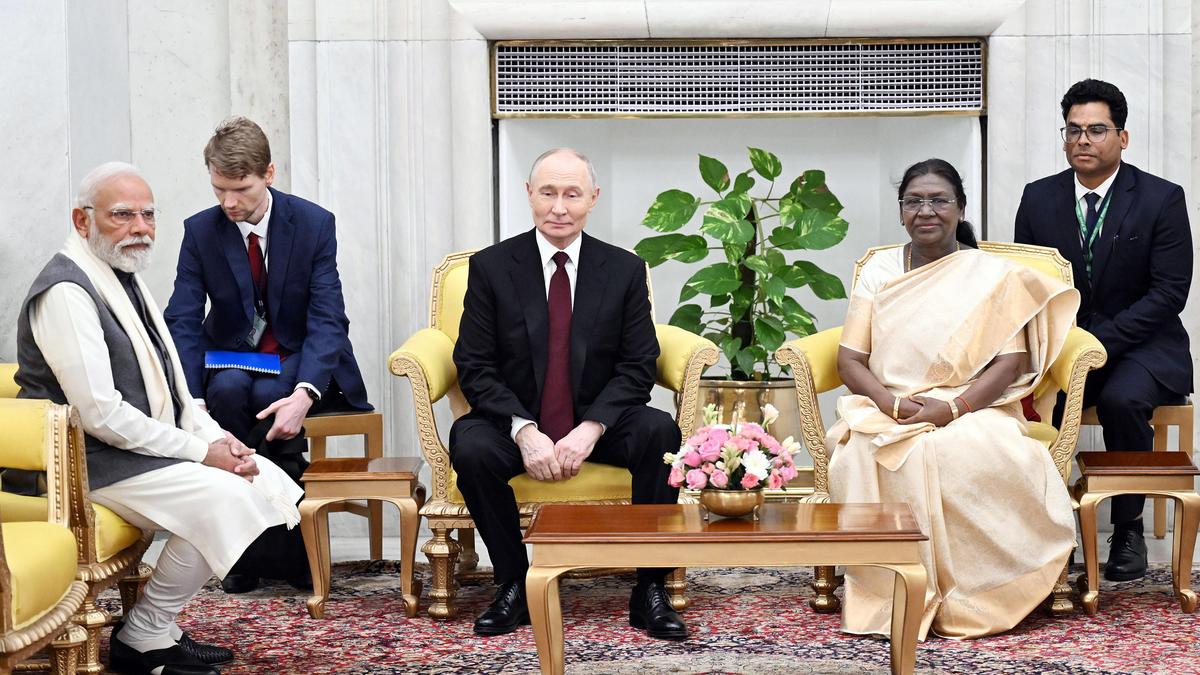
Simultaneously, the emerging diplomatic negotiations between India and the United States underscore another dimension of global strategic interactions. Foreign Minister S Jaishankar's "extremely judicious" approach to trade discussions reveals the delicate balance nations must maintain—protecting domestic interests while navigating complex international relationships. The sensitivity around agricultural markets, particularly dairy and genetically modified crops, mirrors the broader geopolitical chess game where economic negotiations become extensions of strategic positioning.
The critical insight emerges: modern statecraft operates through multi-layered strategies that simultaneously engage diplomatic, economic, and intelligence domains. Nations are no longer confined to traditional confrontation models but are developing increasingly sophisticated, indirect methods of exerting influence and managing international tensions.
Questions 3
What strategic message did the Skripal poisoning send?
The attack was a calculated demonstration of power, warning potential defectors about the long-term consequences of betraying state secrets. It showed that intelligence agencies can reach targets globally, even years after defection, creating a psychological deterrent for future potential informants.
How do economic negotiations reflect broader geopolitical strategies?
Trade discussions, like those between India and the US, are no longer purely economic but serve as platforms for strategic positioning. Sensitive negotiations around agricultural markets reveal how economic interactions have become sophisticated tools of diplomatic engagement and national interest protection.