



EU Trade Fragmentation Risk | Tariff Threats & Market Access Shifts for Cross-Border Sellers
- Trump administration threatens tariffs while courting EU disunity; Hungary/Slovakia emerge as tariff exemption opportunities; EU sellers face 8-15% margin compression risk by Q2 2026












Overview
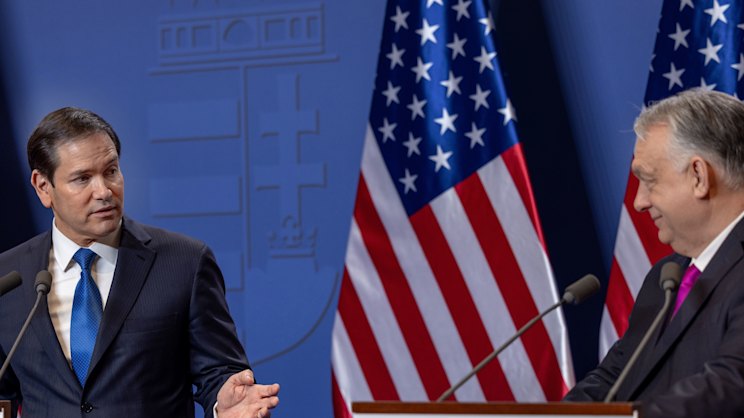
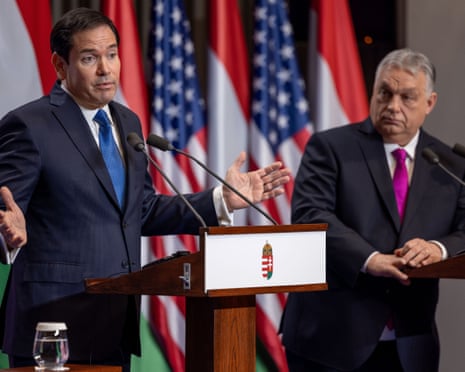
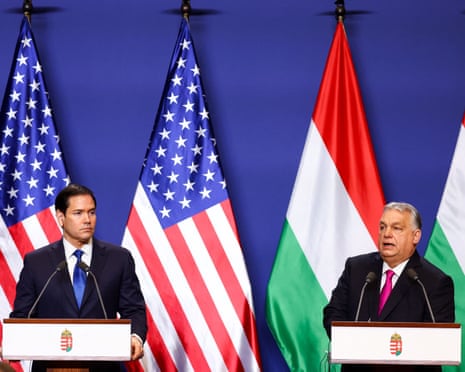
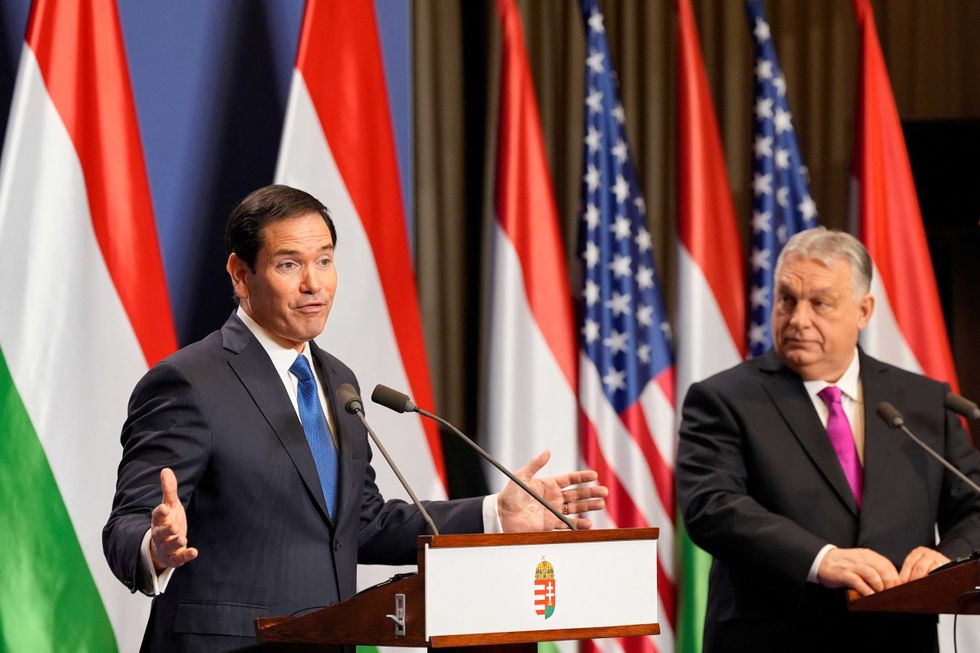
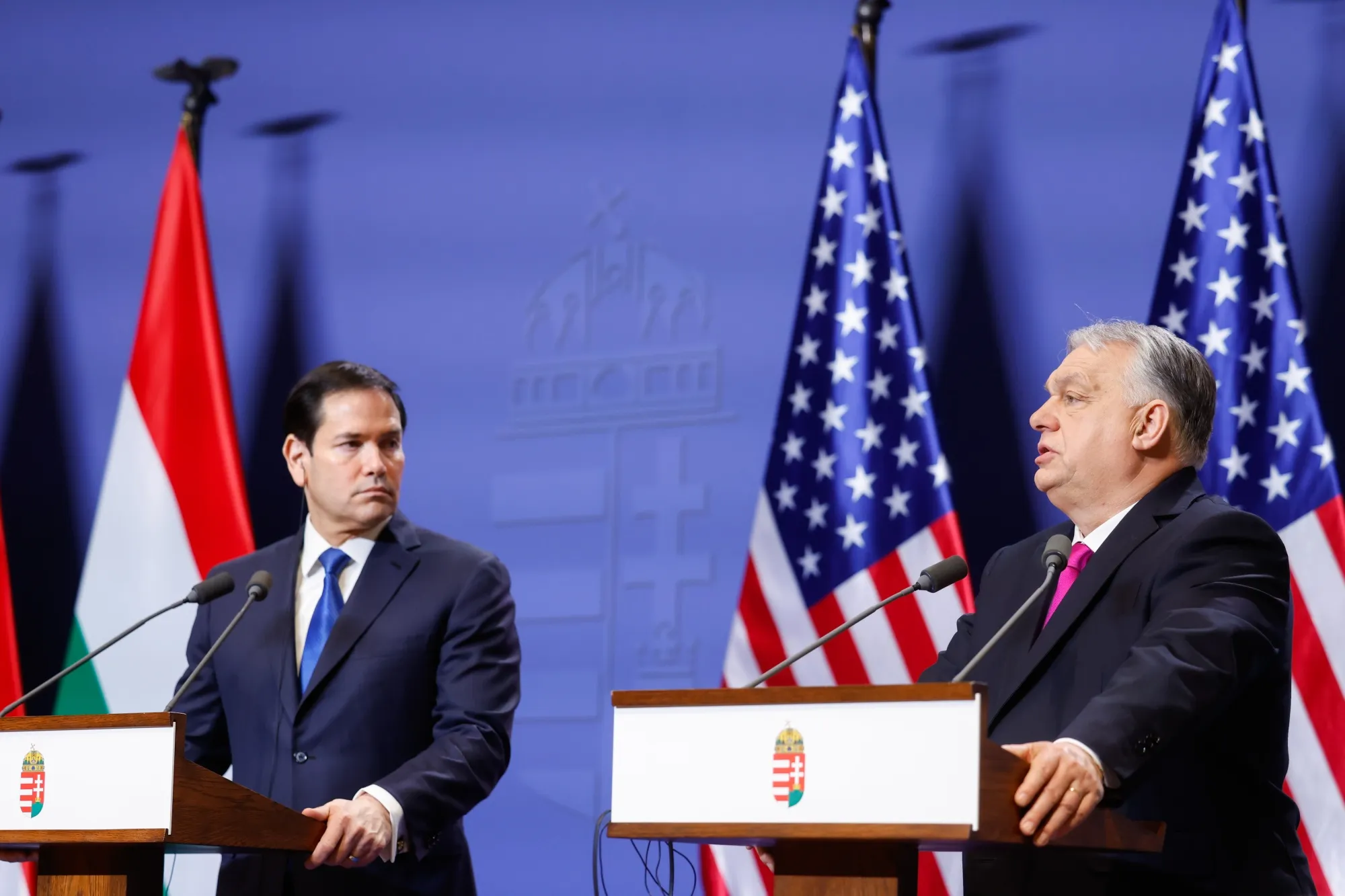
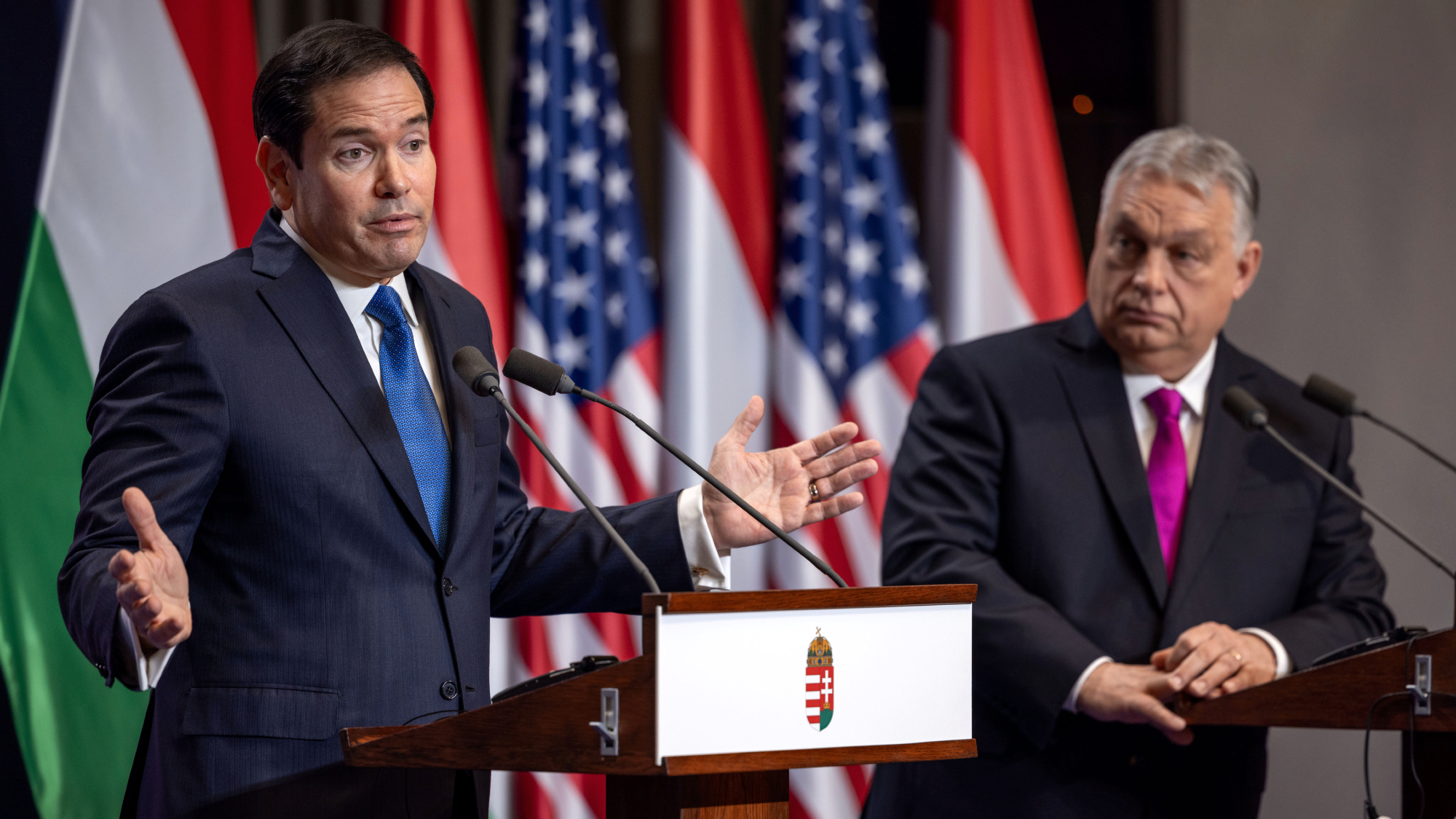
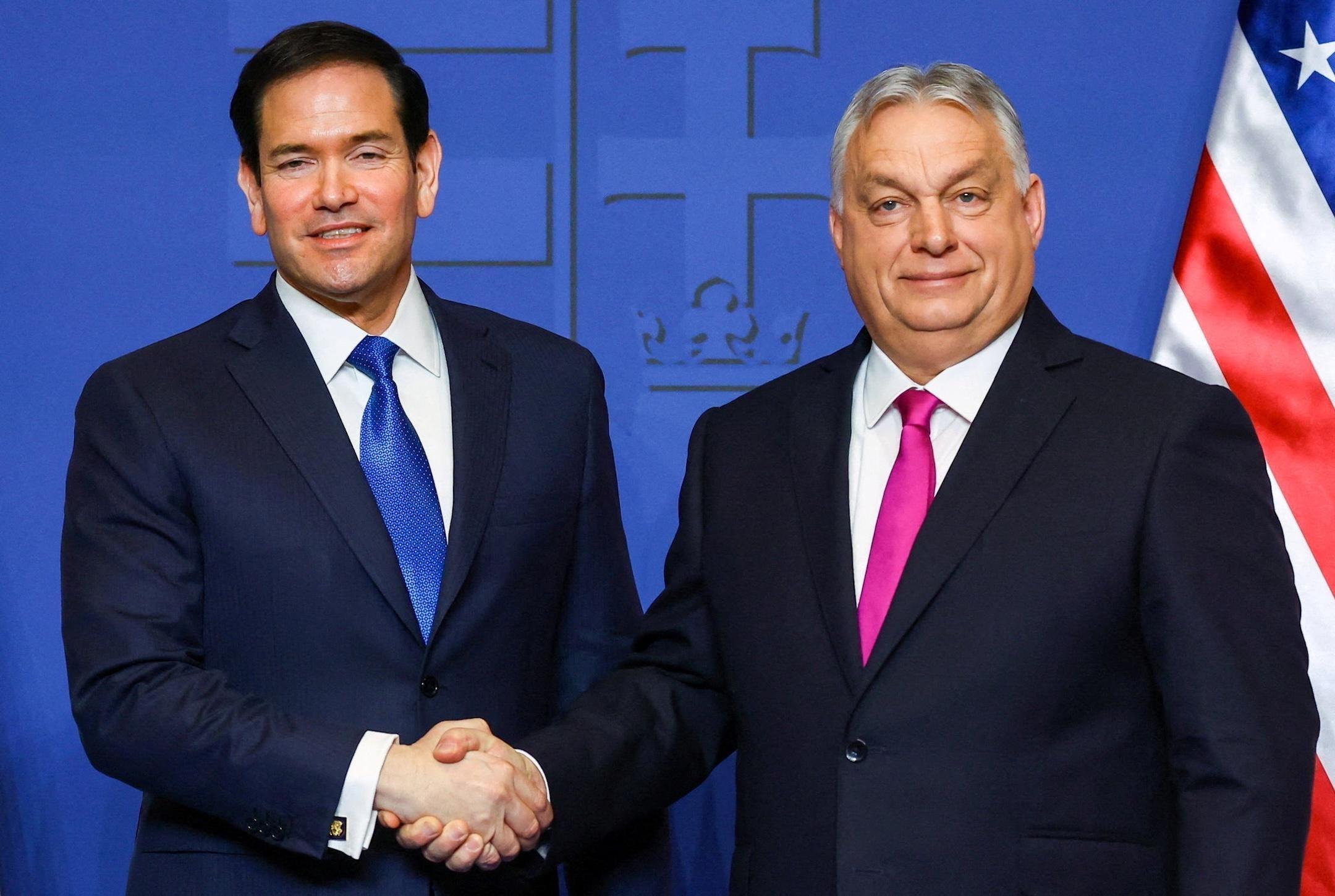
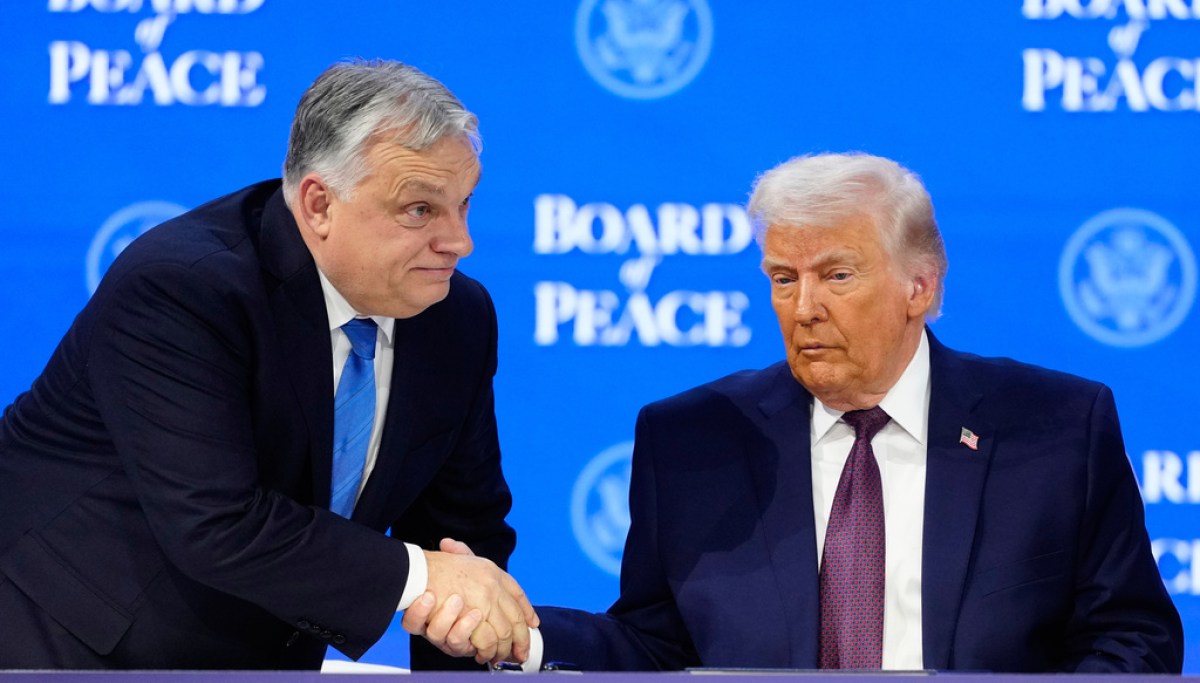
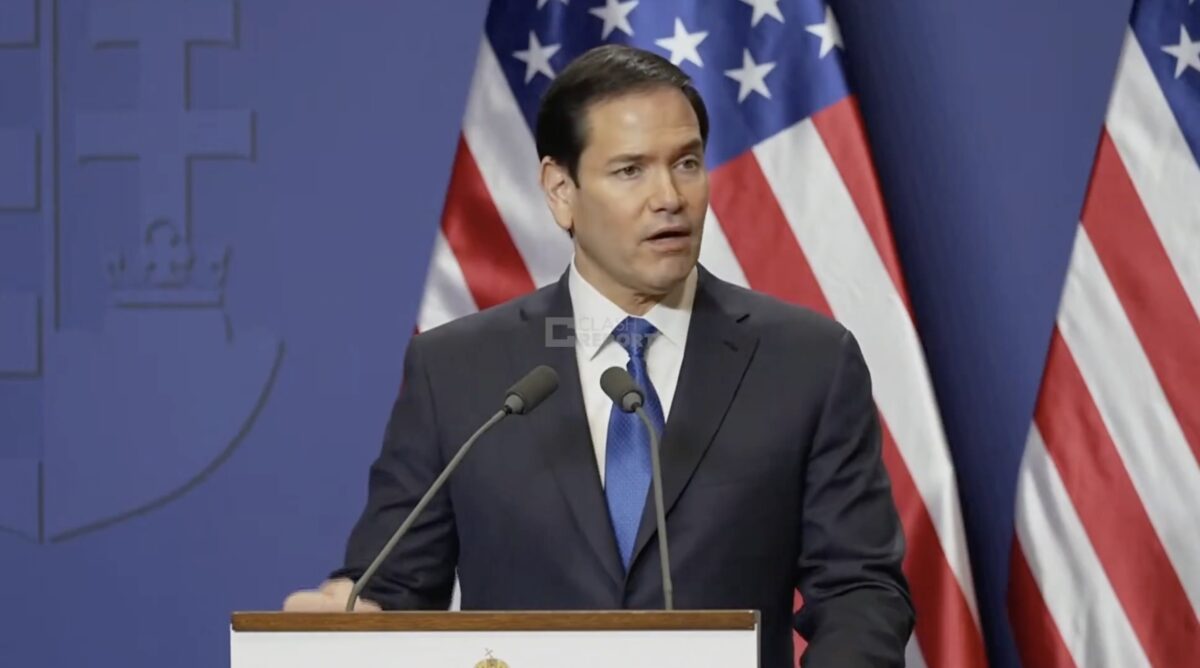
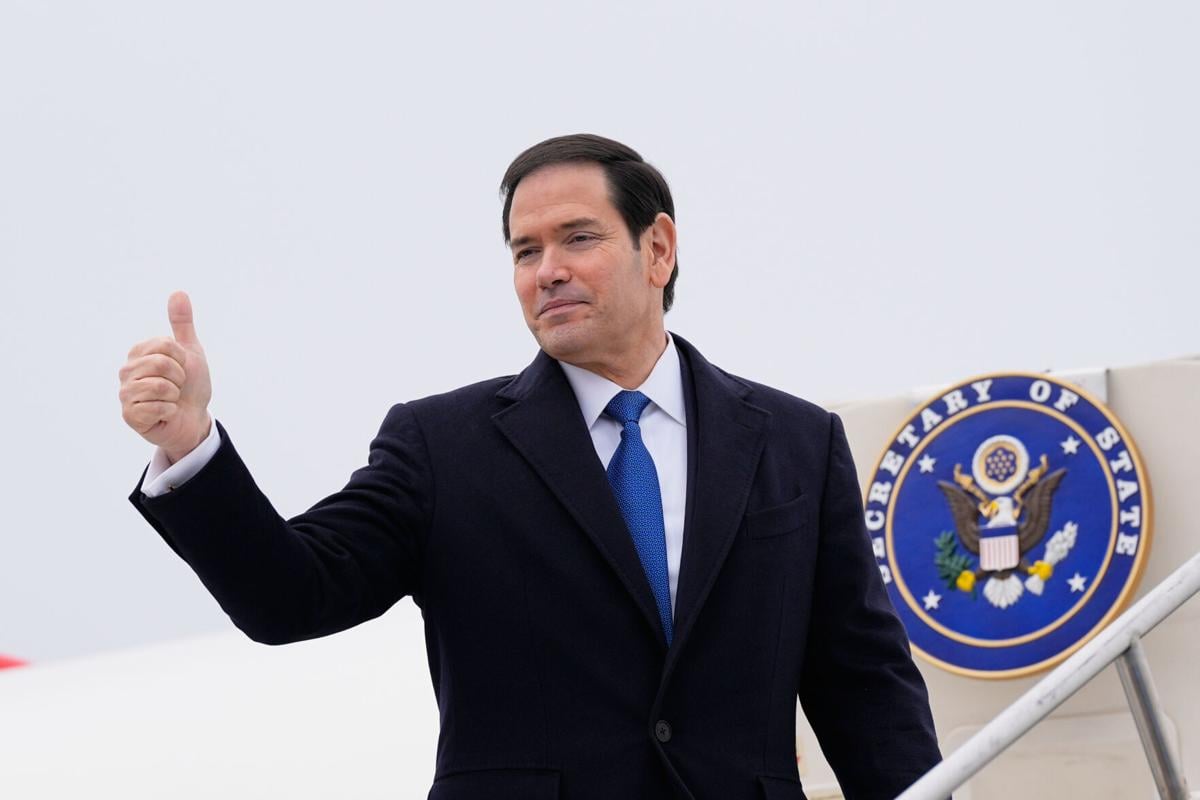
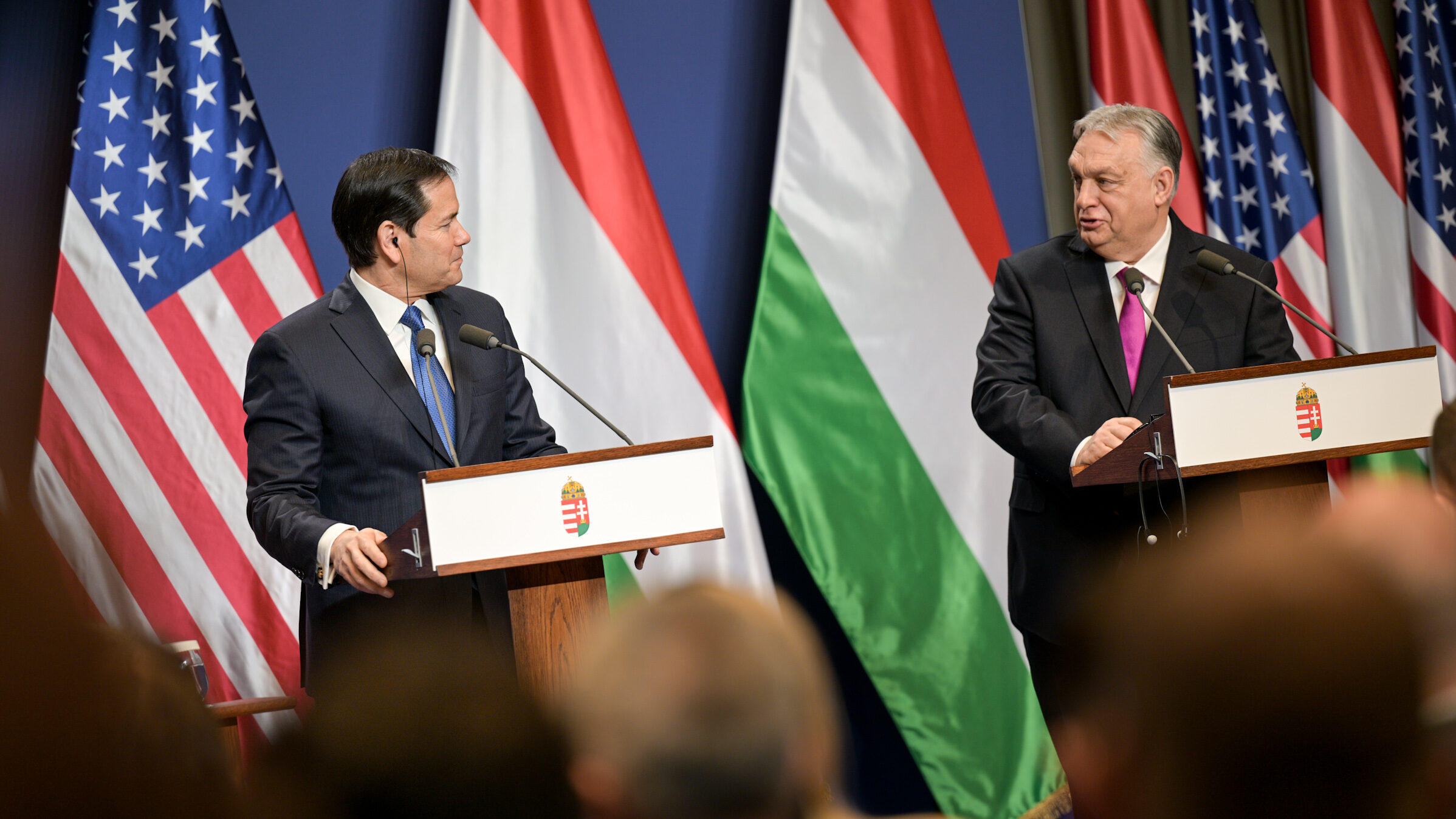
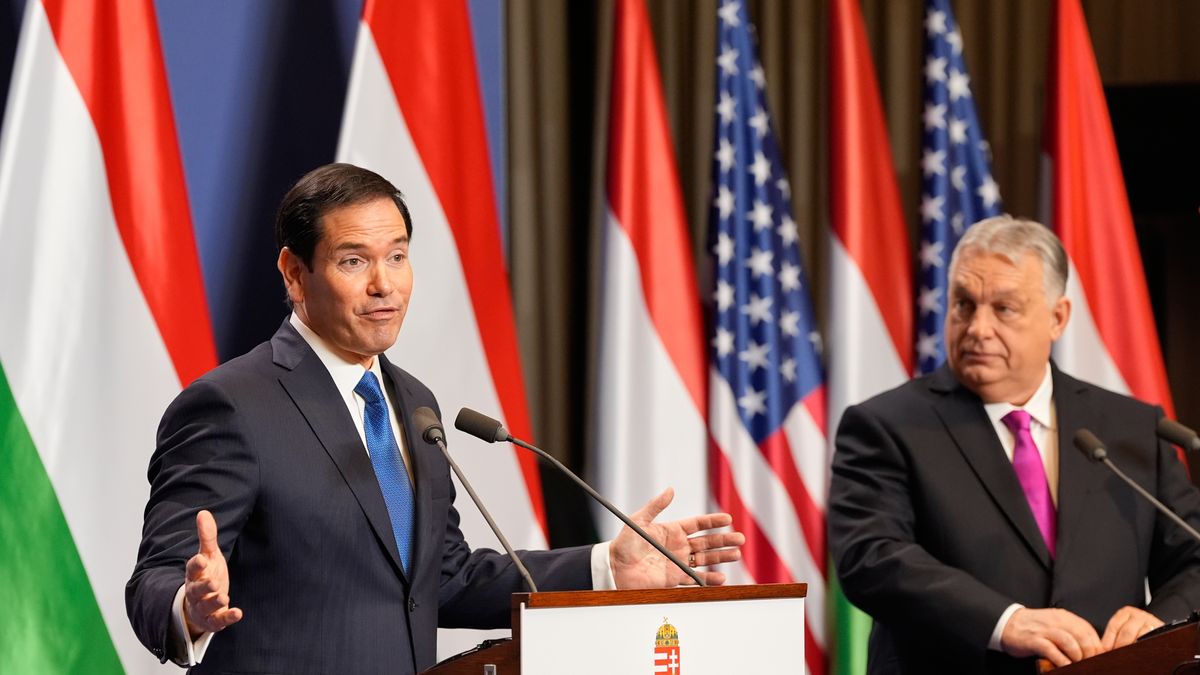
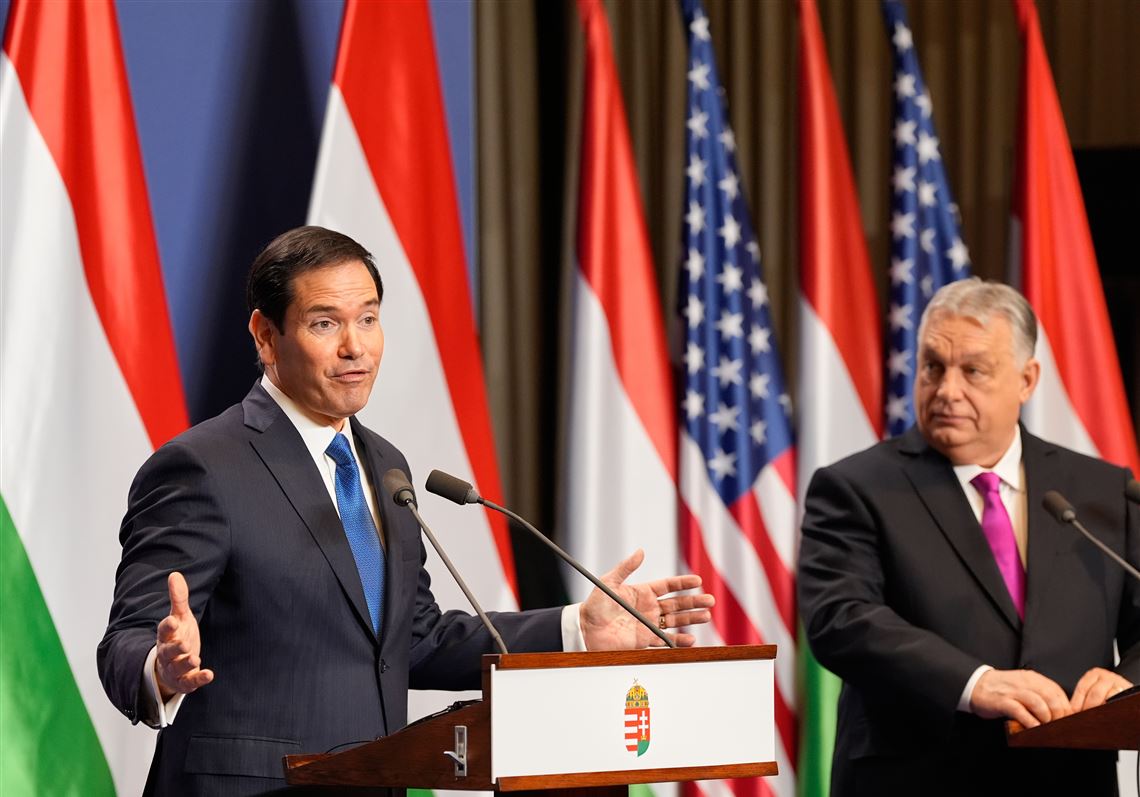
The Trump administration's geopolitical realignment strategy—evidenced by Secretary of State Marco Rubio's February 2026 visit to Hungary offering financial support and potential sanctions exemptions—signals a fundamental shift in US-EU trade dynamics with direct implications for cross-border e-commerce sellers. Rubio's "golden era" messaging to Viktor Orbán, combined with threats to impose tariffs on traditional allies and demands for Greenland cession, indicates the administration is weaponizing trade policy to fracture EU unity and extract concessions from individual member states.
The tariff arbitrage opportunity is immediate and significant: Hungary and Slovakia, positioned as US-friendly outliers within the EU, are likely candidates for preferential tariff treatment or exemptions from threatened 25%+ tariffs on European goods. Sellers currently sourcing from or shipping through these countries face a 60-90 day window (before April 2026 Hungarian elections) to lock in favorable tariff classifications. HS codes for machinery (84-85), chemicals (28-29), and automotive components (87) flowing through Hungary could see 12-18% cost reductions if exemptions materialize, directly improving margins for sellers in these categories.
EU market fragmentation creates competitive advantages for agile sellers: The administration's explicit strategy to support "patriotic European parties" (France's National Rally, Germany's AfD, UK's Reform) signals potential future trade deals with individual nations rather than the EU bloc. This creates a 6-12 month window where sellers can establish preferred supplier relationships with emerging political actors before formal trade agreements crystallize. Sellers with existing logistics networks in Hungary, Slovakia, or Poland should prioritize inventory positioning in these markets—they may become tariff-advantaged distribution hubs for EU-wide fulfillment.
Conversely, traditional EU powerhouses face margin compression: Germany, France, and Italy—which maintain stronger EU cohesion—are likely targets for retaliatory tariffs. Sellers with heavy German manufacturing exposure (automotive, machinery, industrial equipment) should model 8-15% cost increases by Q2 2026. The $20 billion Argentina bailout precedent suggests the Trump administration will use financial incentives to flip individual countries; sellers should monitor which EU nations receive similar offers, as these become tariff-safe zones.
Compliance complexity increases significantly: The fragmentation of EU-wide trade rules into bilateral arrangements means sellers must track country-specific tariff schedules rather than unified EU tariffs. This requires investment in customs brokerage expertise and tariff classification software—costs that favor large sellers (Amazon FBA, Shopify Plus merchants) over small operators. Small sellers should consider consolidating shipments through Hungary/Slovakia distribution centers to benefit from potential exemptions before they're formally codified.
Questions 8
What is the timeline for sellers to act on these tariff opportunities?
Critical deadlines: (1) By January 31, 2026: Audit supplier base and identify Hungary/Slovakia sourcing opportunities; (2) By February 28, 2026: Establish 3PL relationships in tariff-advantaged countries; (3) By March 31, 2026: Lock in supplier contracts before April Hungarian elections; (4) By April 30, 2026: Reposition inventory based on post-election tariff clarity; (5) By June 30, 2026: Finalize customs compliance systems for fragmented EU tariffs. The April 2026 Hungarian elections are the critical inflection point—if Orbán loses, tariff advantages may disappear within 90 days. Sellers should treat this as a 90-day sprint to establish supply chain advantages before political outcomes crystallize tariff policy.
Should sellers relocate inventory to Hungary or Slovakia distribution centers?
Yes, for sellers with $500K+ annual EU revenue. Positioning inventory in Hungary/Slovakia creates a 6-12 month arbitrage window before tariff exemptions are formally codified or expire. A 40-foot container of machinery from Hungary to US faces potential 12-18% tariff savings vs. the same goods from Germany. However, this requires 3PL partnerships in these countries (costs: $2,000-5,000/month per location) and inventory carrying costs. Small sellers (<$100K annual revenue) should consolidate shipments through existing Hungary-based logistics providers rather than establishing dedicated warehouses. Monitor April 2026 Hungarian elections; if Orbán loses, tariff advantages may evaporate within 90 days.