



Clean Energy and Autonomous Tech Transformation Signals Systemic Infrastructure Reinvention
- Emerging technologies drive radical shifts in urban infrastructure and safety paradigms
















































Overview
The convergence of clean energy transition and autonomous technology reveals a profound systemic transformation in urban infrastructure and technological governance. Los Angeles's strategic divestment from coal-powered electricity and Waymo's proactive software recall represent more than isolated events—they signal a comprehensive reimagining of technological systems through continuous improvement and risk mitigation.
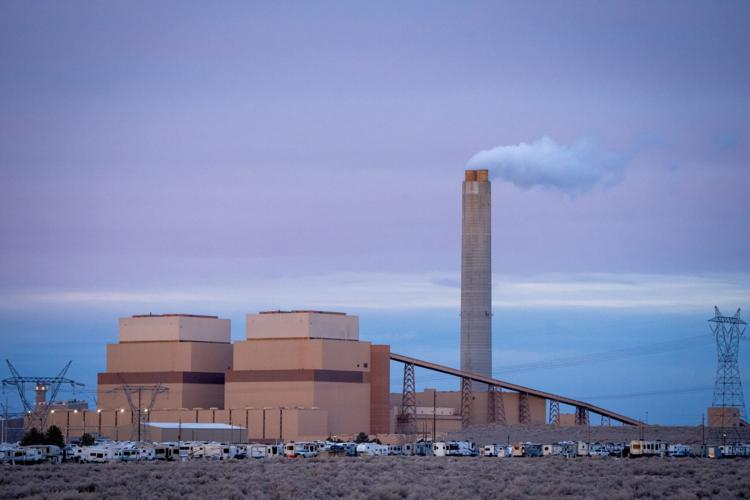
Energy Infrastructure Reimagination is epitomized by Los Angeles's dramatic shift from a coal-dependent grid to a renewable-focused ecosystem. Twenty years ago, over 50% of the city's energy came from coal, with merely 3% from renewables. Today, more than 60% originates from renewable sources, with an ambitious $800 million plan to convert generating stations to hybrid hydrogen-capable units. This isn't just an environmental strategy, but a fundamental restructuring of urban energy architecture.
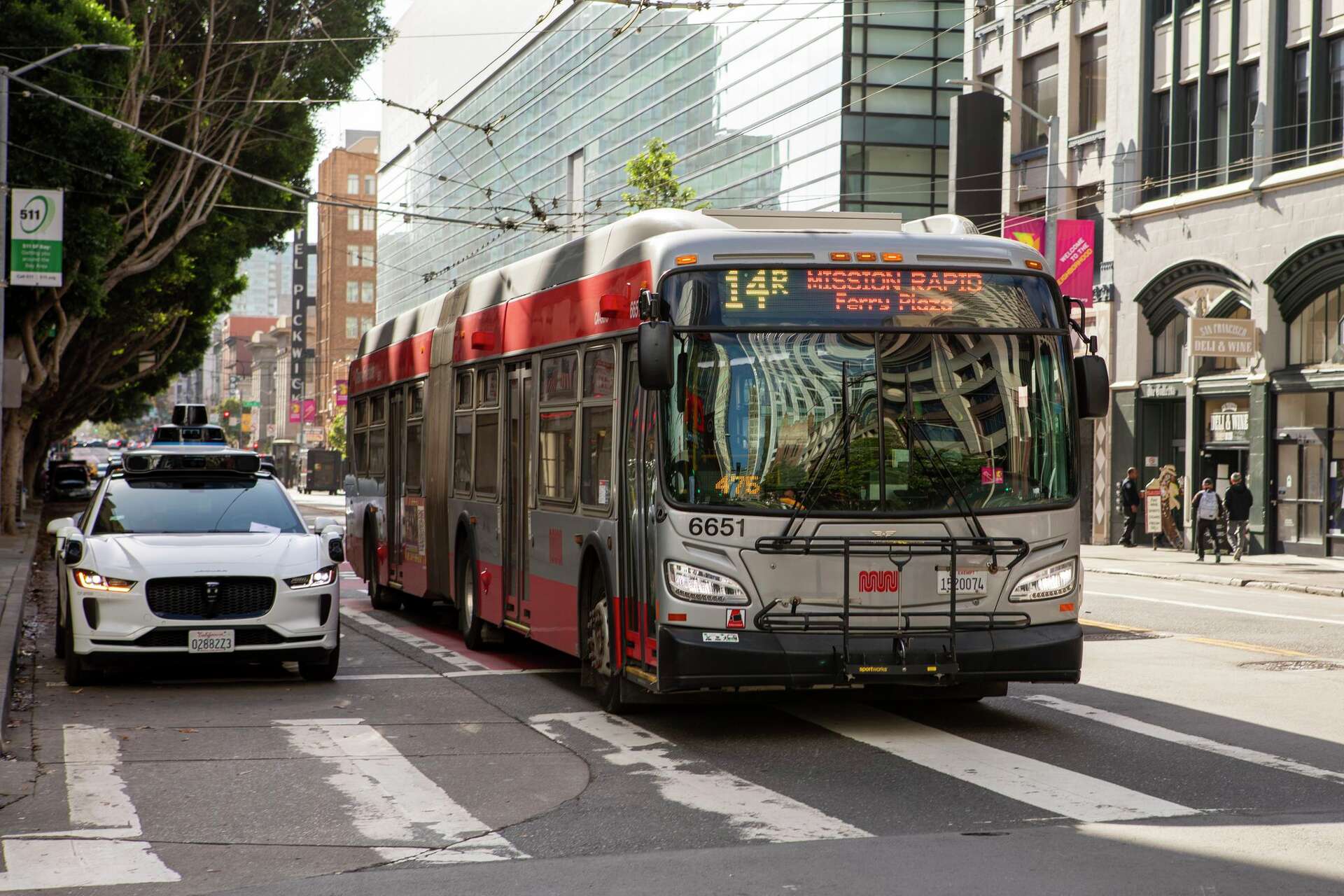
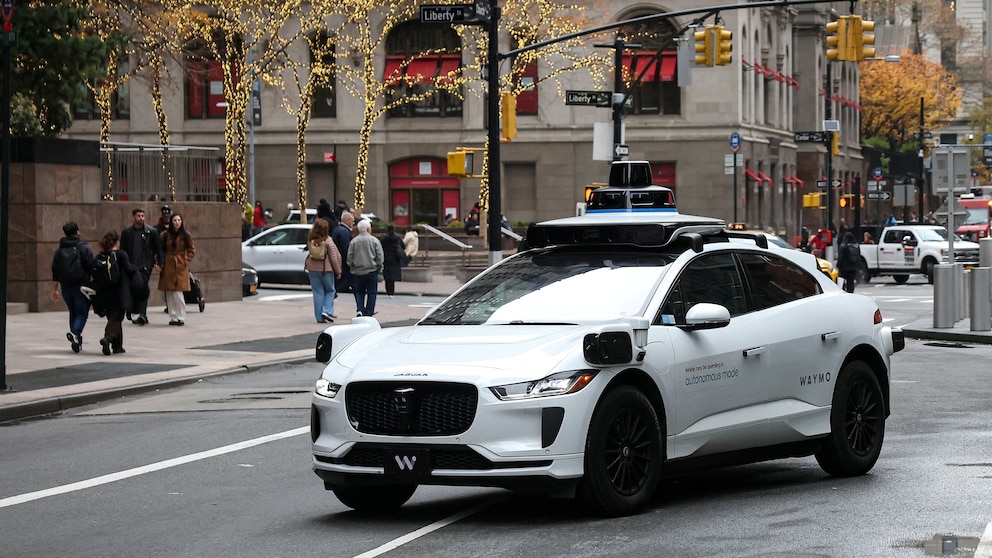
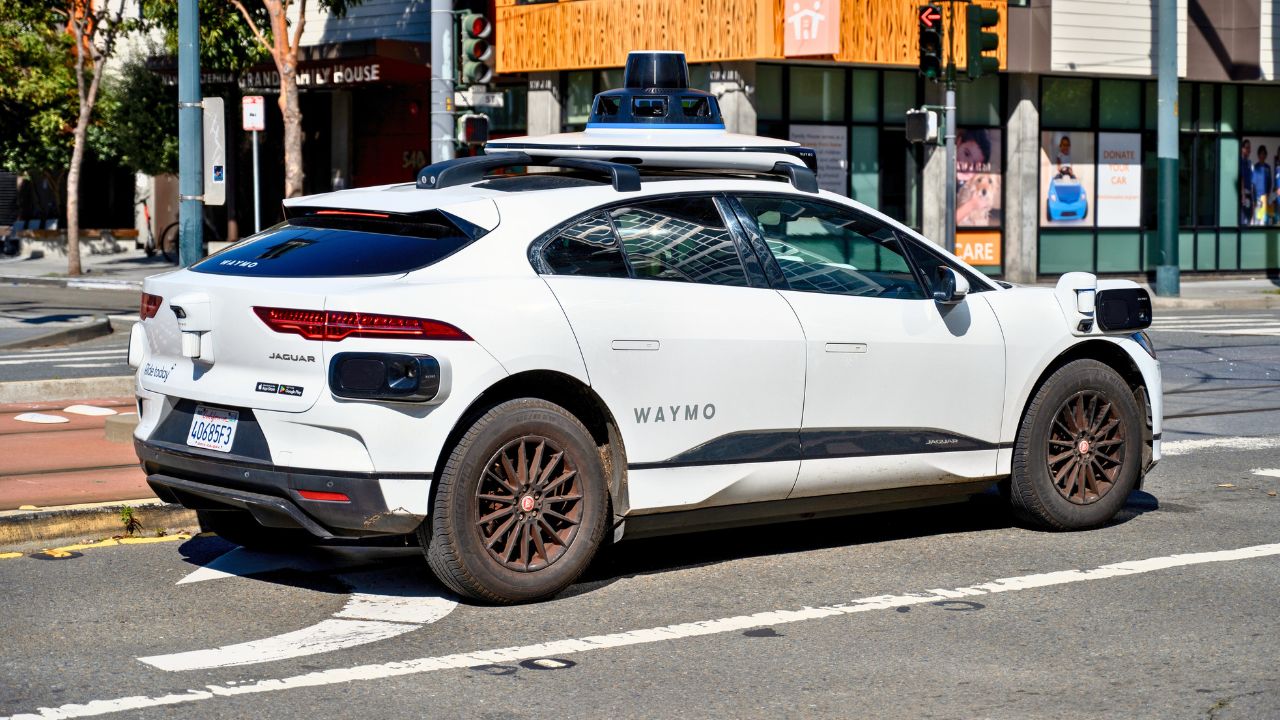
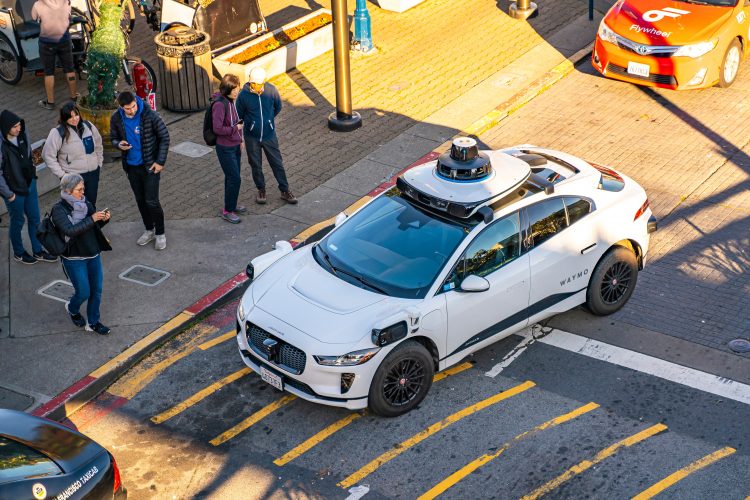
The autonomous technology landscape mirrors this systemic evolution. Waymo's voluntary software recall after school bus incidents demonstrates a new regulatory paradigm where technology companies proactively address potential safety risks. By identifying and rectifying a software issue causing potentially dangerous interactions with school buses, Waymo exemplifies a model of technological self-regulation. Their claim of experiencing twelve times fewer injury crashes compared to human drivers suggests that continuous improvement is becoming a core operational philosophy.
These developments reveal a broader trend: complex technological systems are increasingly designed with built-in adaptability, transparency, and self-correction mechanisms. Whether in energy infrastructure or autonomous mobility, the future belongs to platforms that can dynamically reconfigure themselves in response to emerging challenges.
Stakeholders across industries should recognize this as more than a technological shift—it's a fundamental reimagining of how complex systems are conceived, governed, and continuously optimized.
Questions 3
How is Los Angeles transforming its energy infrastructure?
Los Angeles is transitioning from a coal-dependent grid to a renewable energy ecosystem, targeting 100% clean energy by 2035. This involves converting generating stations to hydrogen-capable units, with plans to blend up to 30% green hydrogen, representing an $800 million strategic infrastructure investment.
What does Waymo's software recall reveal about autonomous technology?
Waymo's voluntary recall demonstrates a proactive approach to technology governance, where companies identify and address potential safety risks before regulatory enforcement. By self-reporting and improving their autonomous vehicle software's interaction with school buses, they're establishing a new standard of technological accountability.