

Asian Market Volatility & Lunar New Year Closures | Cross-Border Seller Logistics Impact
- February 2026 holiday disruptions affect shipping timelines for 50K+ sellers; Japan's weak GDP signals consumer spending slowdown across Asia-Pacific markets
















Overview
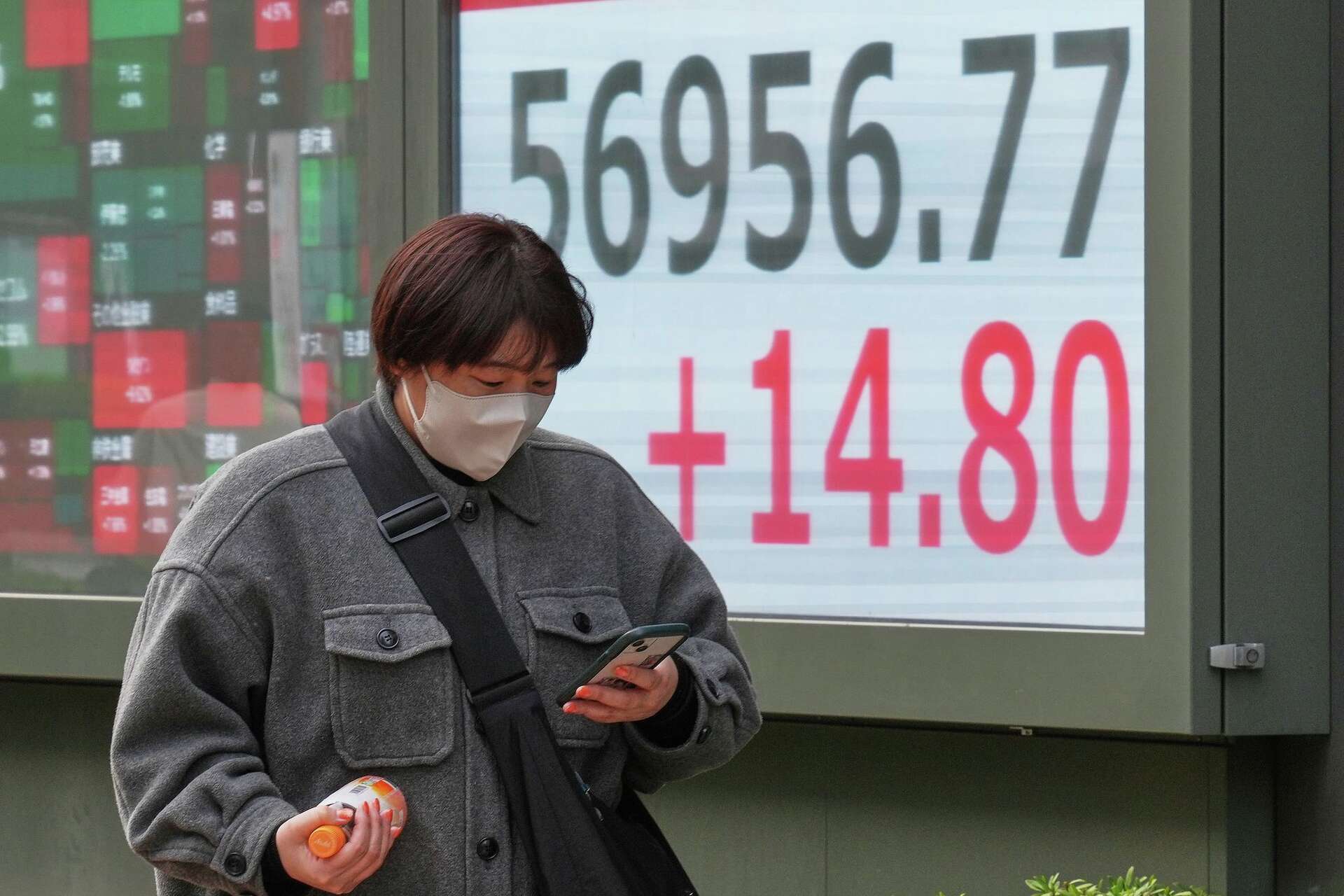
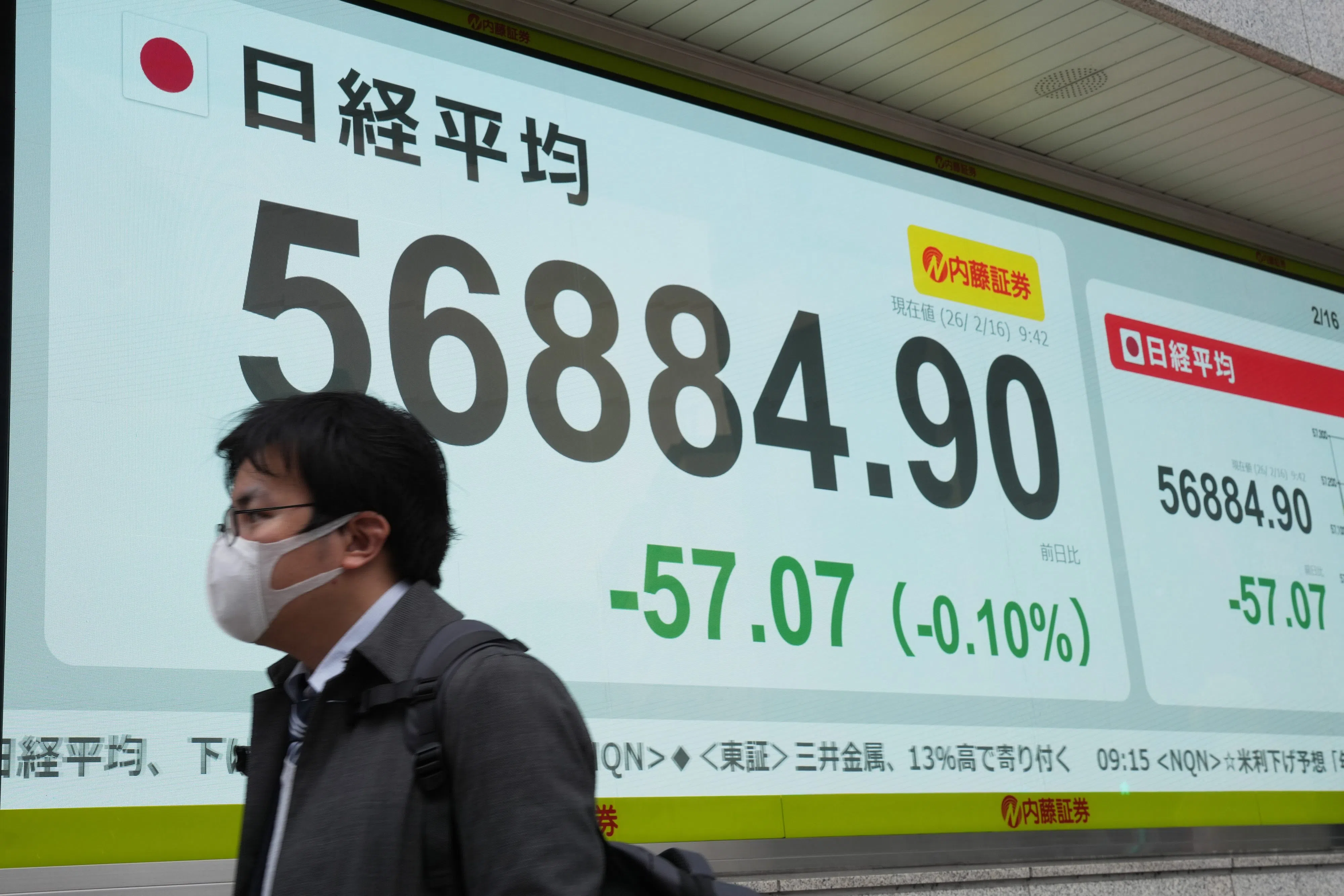
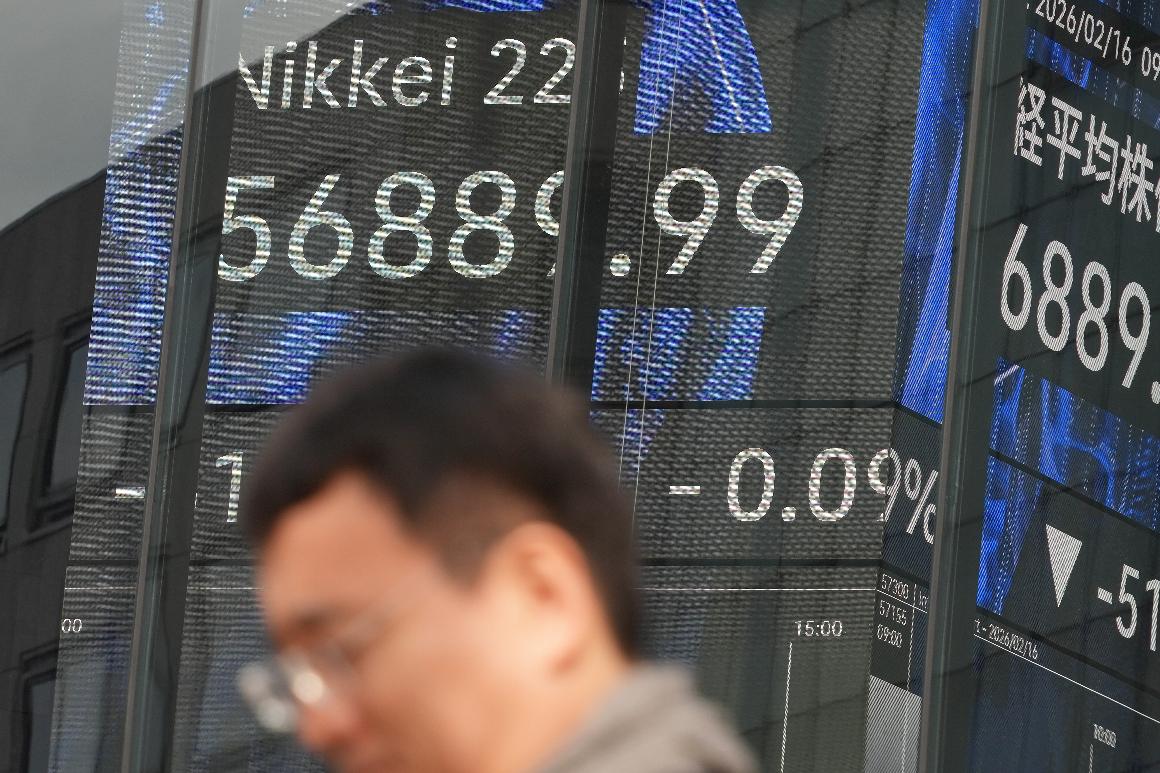
Asian financial markets experienced significant disruption on February 16, 2026, as Lunar New Year celebrations closed major trading centers across China, Hong Kong, Singapore, Taiwan, and South Korea, creating a critical logistics and cash flow window for cross-border e-commerce sellers. Japan's Nikkei 225 declined 0.5% while the broader Topix fell to 3,779.29, reflecting broader regional economic weakness. More critically for sellers, Japan reported fourth-quarter GDP growth of just 0.2% annualized—dramatically below the forecasted 1.6%—signaling weakening consumer demand across Asia-Pacific markets during a peak e-commerce season.
For cross-border sellers, this market event creates three immediate operational challenges: First, the simultaneous closure of China, Hong Kong, Singapore, Taiwan, and South Korea markets (February 16-26, 2026) disrupts fulfillment networks and extends shipping timelines by 5-10 business days for sellers using Asia-based 3PL providers or FBA warehouses in these regions. Sellers shipping inventory to Amazon FBA Asia-Pacific fulfillment centers should expect processing delays and potential inventory stranding during the holiday period. Second, Japan's weak GDP growth (0.2% vs. 1.6% forecast) indicates consumer spending contraction, particularly affecting sellers in discretionary categories (electronics, fashion, home goods) targeting Japanese buyers through Amazon.co.jp, Rakuten, and Yahoo Shopping. The Bank of Japan's cautious rate outlook (only 4 basis points hike probability in March) suggests prolonged economic weakness through Q1 2026. Third, the yen's 0.15% strengthening to 153.28 per dollar creates currency headwinds for US-based sellers exporting to Japan—reducing profit margins by 0.5-1.2% on yen-denominated sales without hedging strategies.
Geopolitical tensions surrounding U.S.-Iran nuclear negotiations and the Iranian Revolutionary Guards' Hormuz Strait drills (controlling 20% of global oil shipments) create secondary supply chain risks. Oil prices surged 1.29% (WTI) and 1.33% (Brent), directly impacting logistics costs for sellers using air freight or expedited shipping. Sellers shipping electronics, machinery, or heavy goods from Asia to North America should budget for 3-8% increased freight costs through March 2026. The risk premium embedded in oil prices could unwind rapidly if U.S.-Iran negotiations succeed, creating a narrow window for sellers to lock in shipping rates before potential cost reductions. Additionally, Australia's central bank confirmed inflation remains stubbornly high, signaling continued pressure on consumer purchasing power in the Australia-New Zealand market—a key destination for US and EU sellers of premium goods.
Questions 8
Which product categories should sellers prioritize during Asia-Pacific market weakness?
Japan's weak GDP growth and Australia's high inflation signal consumer shift toward essential and value-oriented categories. Sellers should prioritize: (1) Food & Beverage (stable demand, 5-8% growth), (2) Health & Wellness (defensive category, 8-12% growth), (3) Home Essentials (cleaning, storage, 6-10% growth), (4) Budget Electronics (under $50 price point, 10-15% growth), and (5) DIY/Home Improvement (consumers spending on home rather than experiences, 12-18% growth). Avoid discretionary categories like fashion, luxury goods, and premium electronics, which typically see 15-25% demand declines during economic slowdowns. Allocate 60% of new inventory purchases to essential categories and 40% to value-oriented products through Q2 2026.
What timing window exists for sellers to capitalize on potential oil price declines?
U.S.-Iran nuclear negotiations scheduled for Geneva on February 16, 2026, create a narrow window for oil price movements. If negotiations succeed, the risk premium embedded in oil prices could unwind rapidly, potentially reducing shipping costs by 5-12% within 2-4 weeks. Sellers should monitor negotiation progress through news sources and consider delaying non-urgent shipments by 2-3 weeks to capture potential cost savings. Conversely, if negotiations fail, lock in shipping rates immediately. This represents a 2-4 week decision window before market repricing occurs. Use freight rate tracking tools like Freightos or Xeneta to monitor spot rates daily and execute shipping decisions when rates dip below 30-day moving averages.