


Escalating Border Conflict Threatens Regional Stability and Strategic Dynamics
- Emerging geopolitical friction signals potential long-term disruption for regional security and diplomatic relations



















































)










Overview
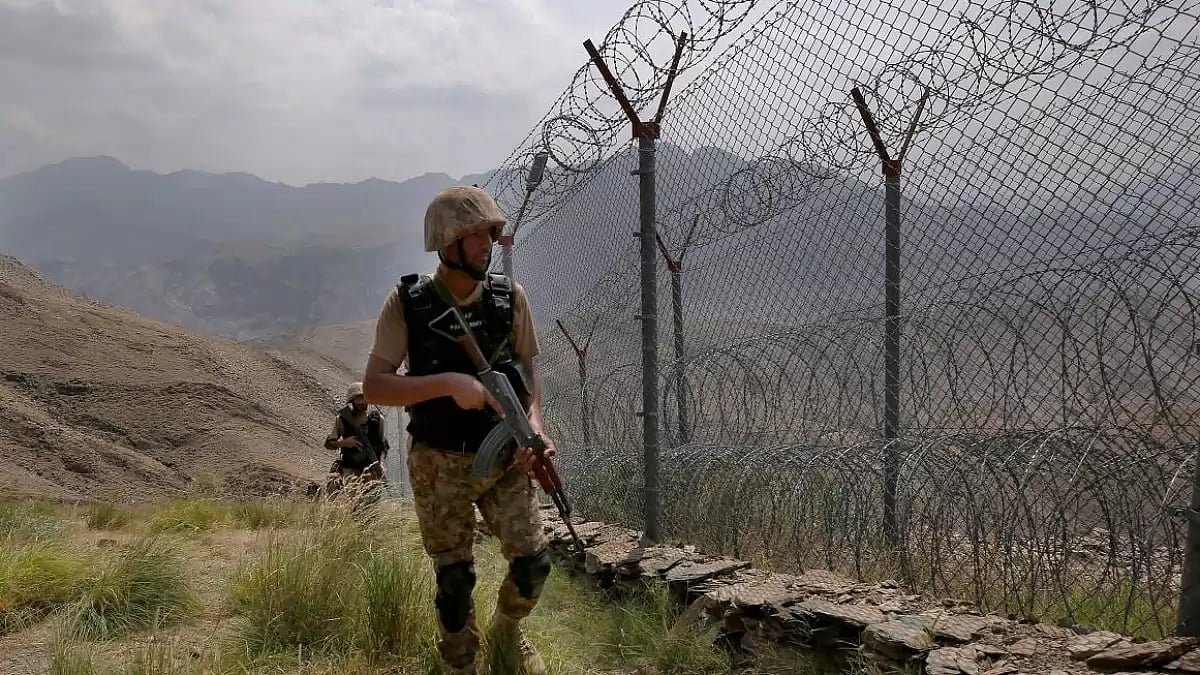
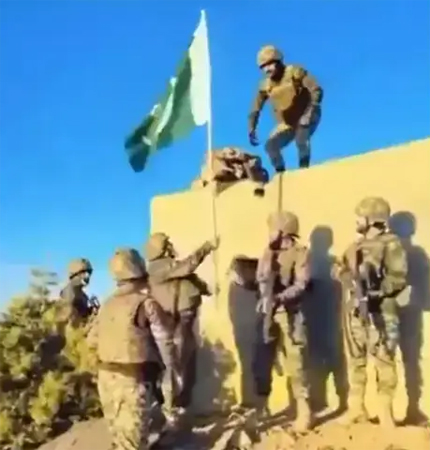
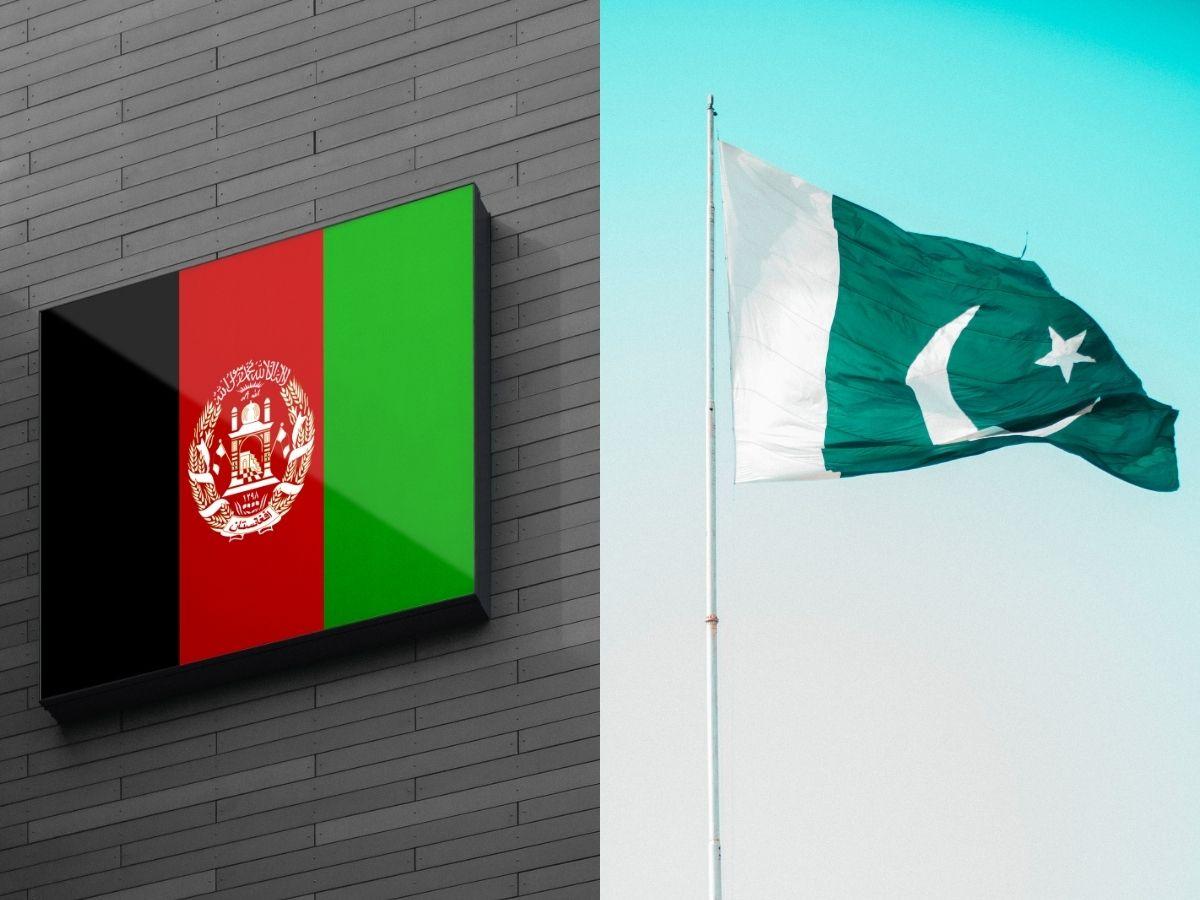
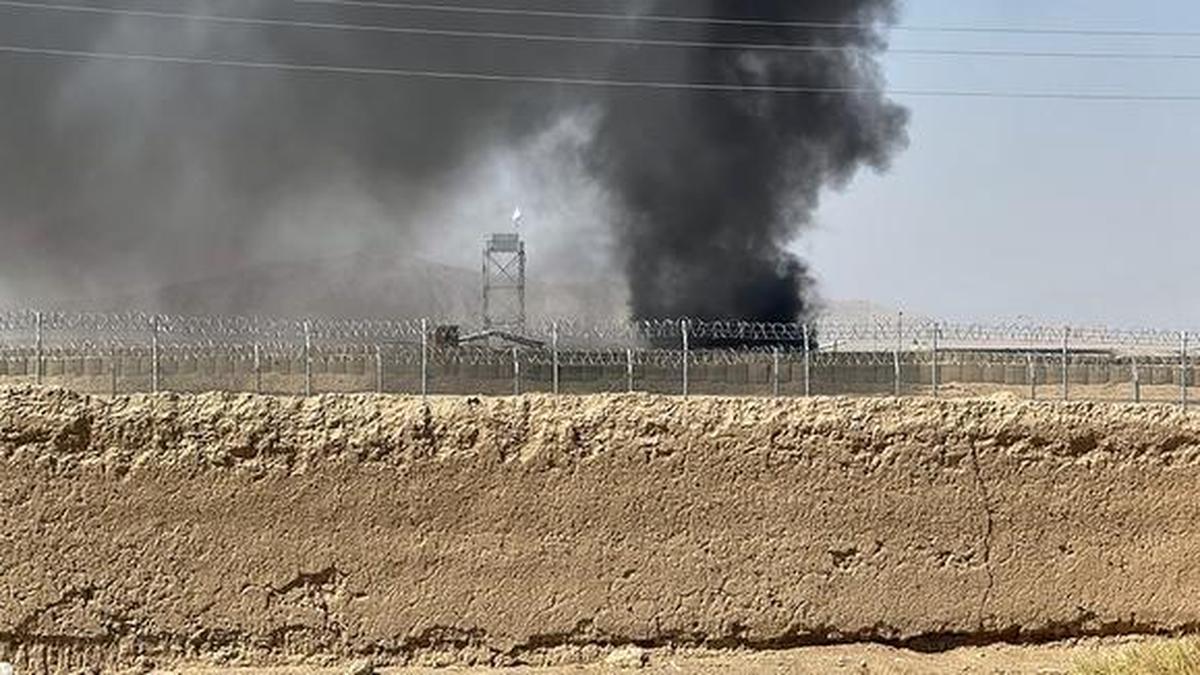
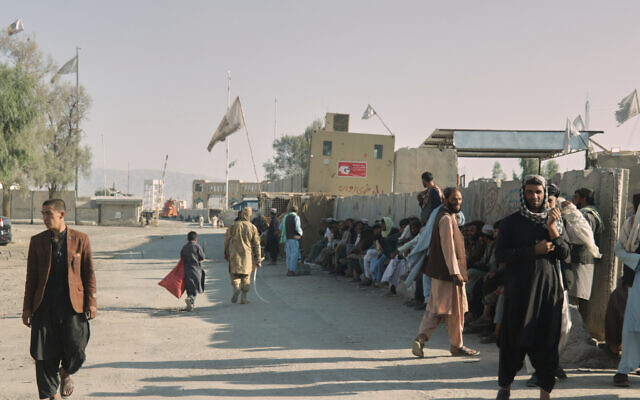
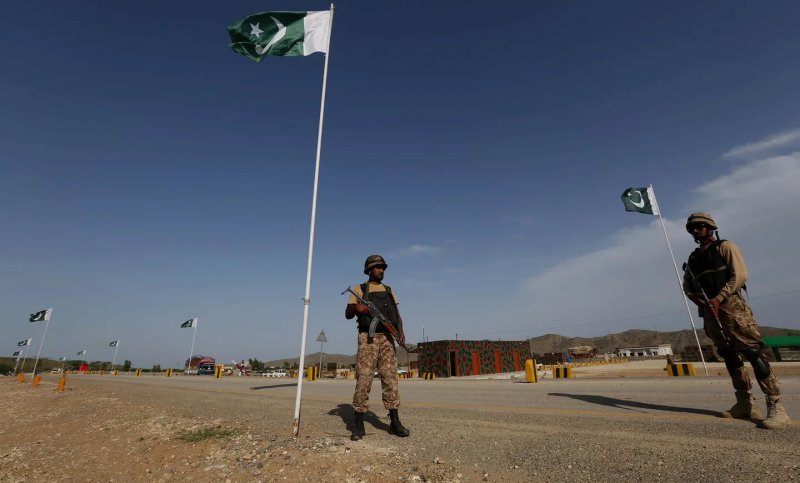
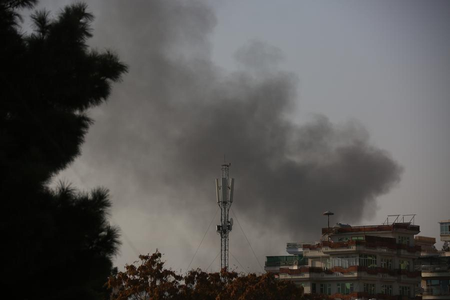
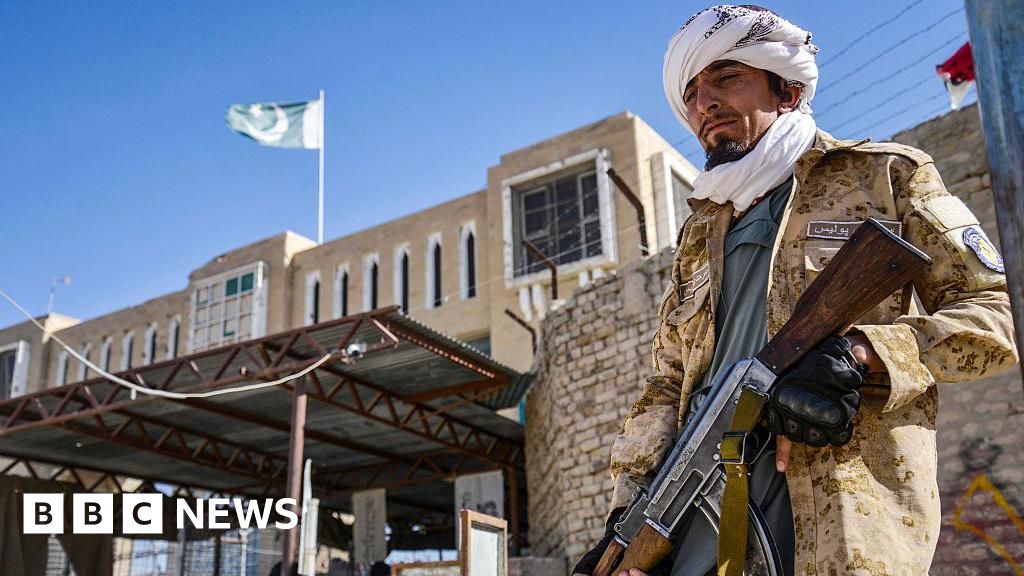
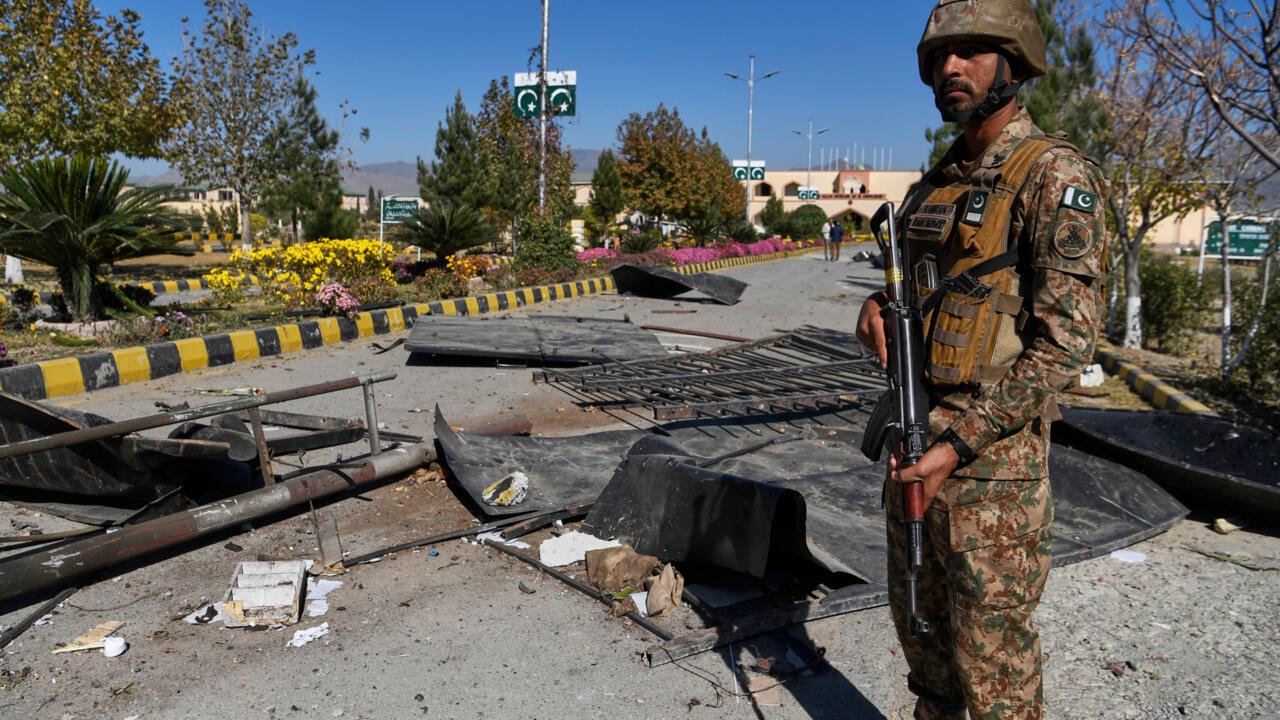
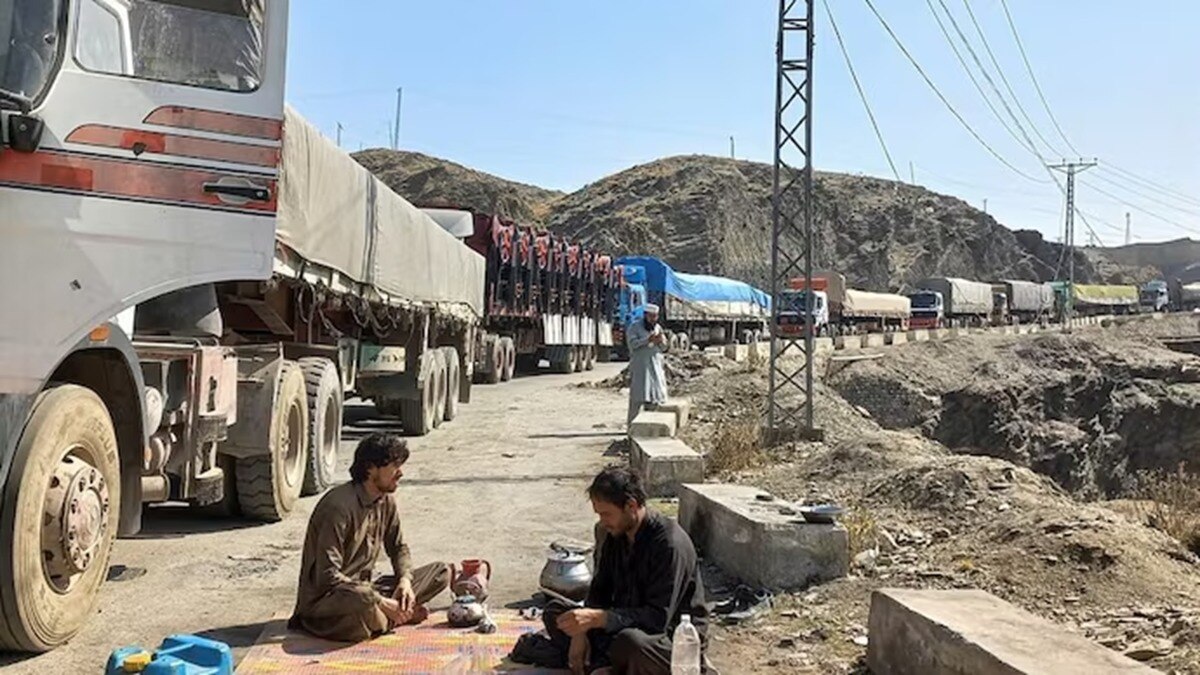
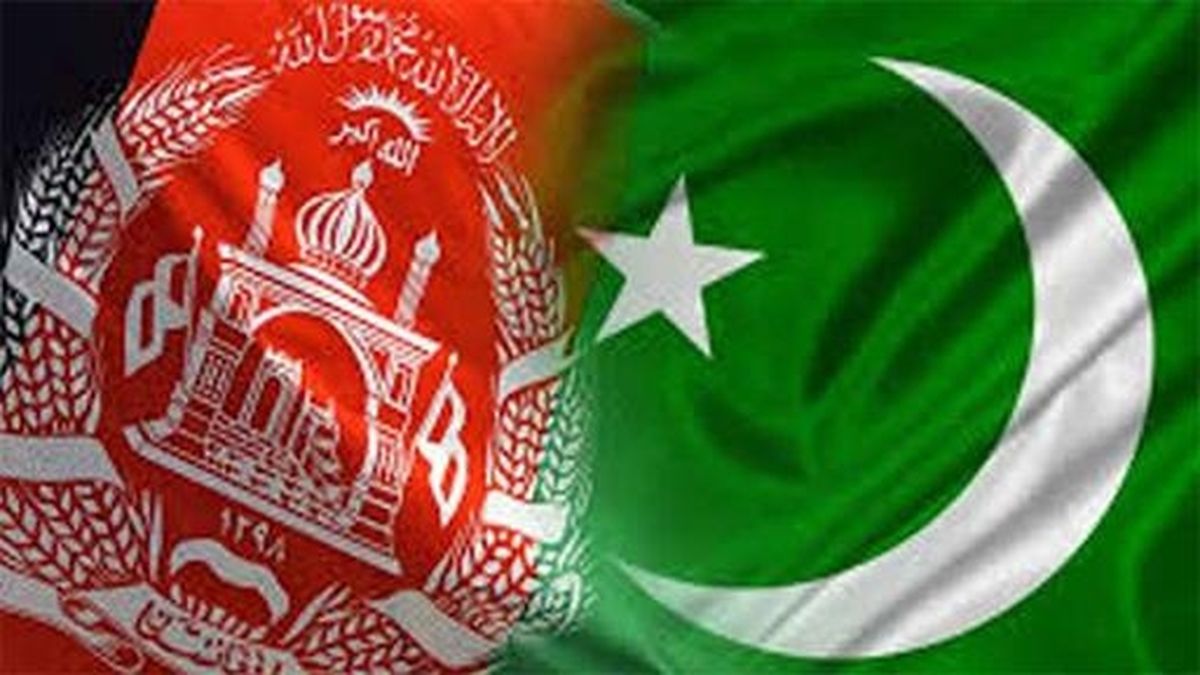
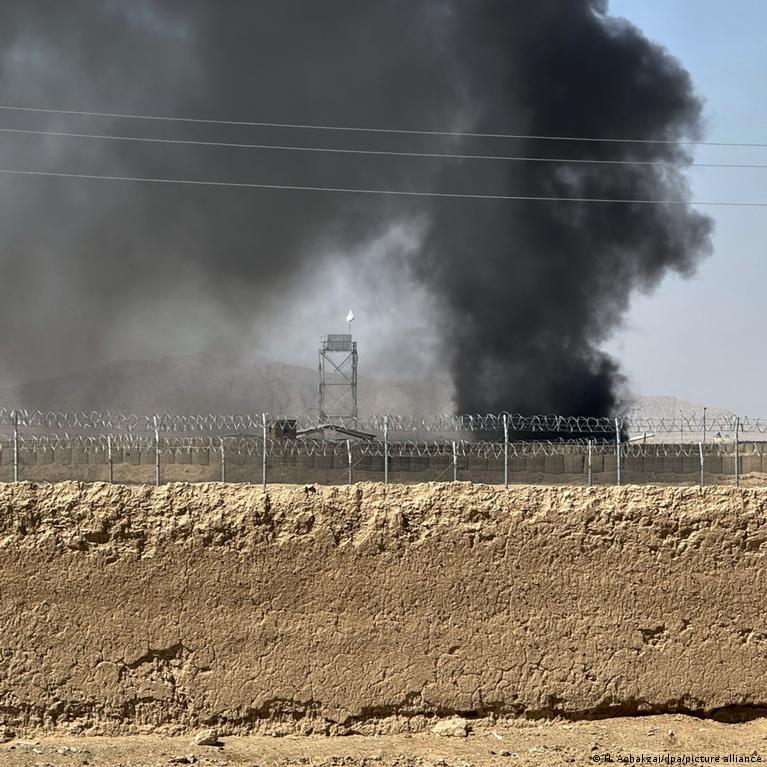
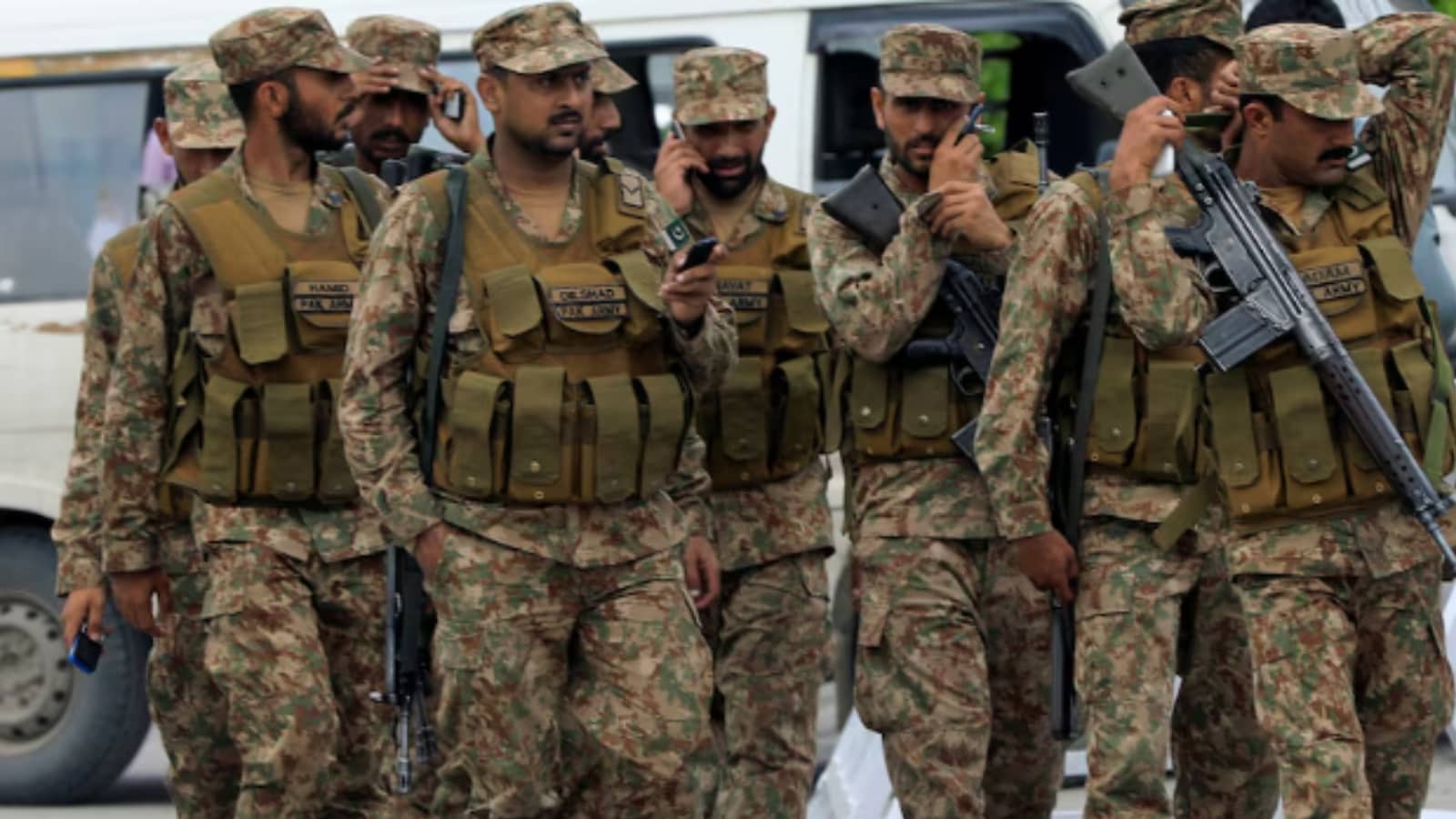
The recent border clashes between Pakistan and Afghan Taliban forces represent a critical inflection point in the volatile regional geopolitical landscape. Late Friday night's incident near the Chaman border reveals a dangerous escalation of tensions, with both sides trading accusations about initiating hostilities. The confrontation, which resulted in three injuries including a civilian woman, exposes the fragile nature of cross-border relations and the potential for rapid military escalation.
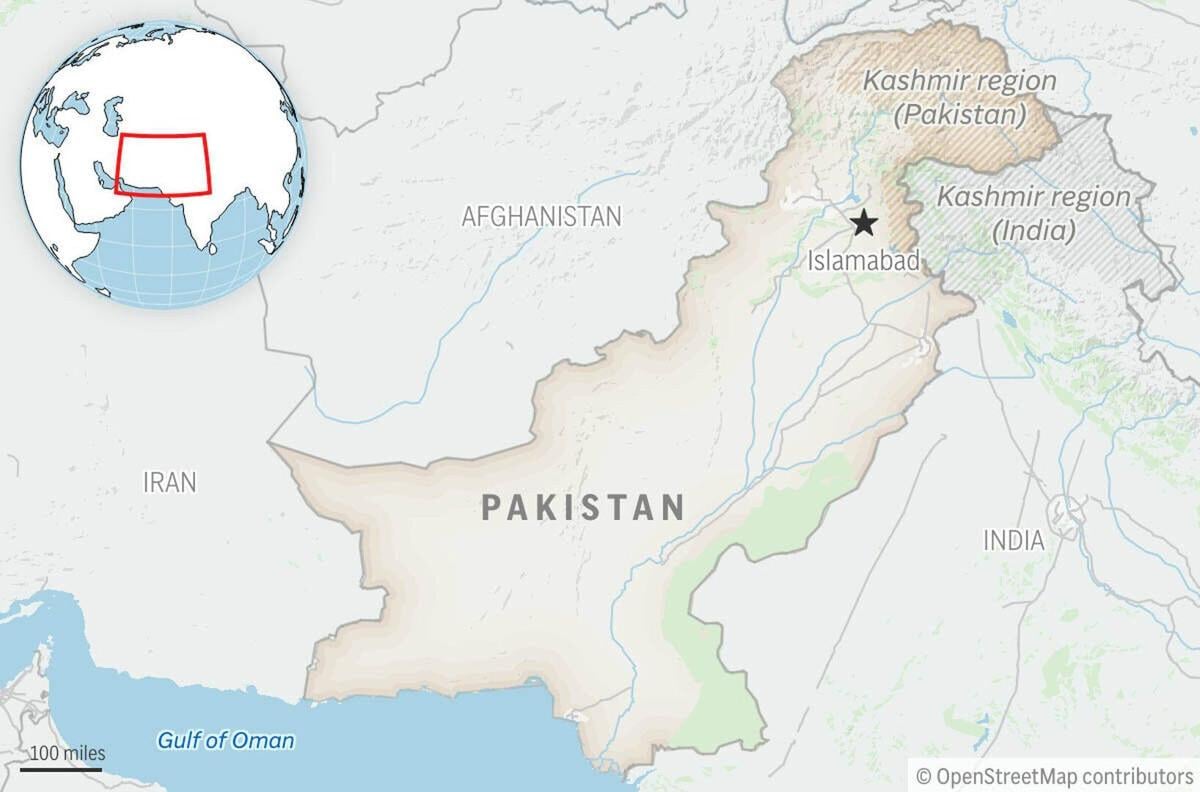
Strategic Significance of Border Tensions: The exchanges of fire in the Badani area and Spin Boldak region are more than isolated incidents. They signal a deeper breakdown of diplomatic understanding between Pakistan and the Afghan Taliban, challenging previous assumptions about regional stability. The lack of immediate official statements from Pakistan's military and foreign affairs departments suggests a complex diplomatic calculus at play.
Geopolitical Risk Indicators: These clashes reveal multiple critical dynamics. First, the border dispute demonstrates the inherent volatility of post-withdrawal Afghanistan's geopolitical positioning. The Taliban's willingness to engage in direct military confrontation with Pakistan—a country previously seen as a strategic supporter—indicates a significant shift in regional power calculations. Second, the incidents suggest a potential strategic realignment where previous diplomatic accommodations are being rapidly reexamined.
Potential Escalation Pathways: The current tensions could evolve through multiple scenarios. The most concerning trajectory involves continued military exchanges that could destabilize the already fragile border region. For regional stakeholders, this means heightened uncertainty, potential humanitarian risks, and increased economic vulnerability. Diplomatic channels will be crucial in preventing further escalation and managing the emerging geopolitical friction.
Strategic Implications: Monitor these developments closely, as they could reshape regional security architectures, impact cross-border economic interactions, and potentially draw in broader international diplomatic interventions.
Questions 3
What triggered the recent border clashes between Pakistan and the Afghan Taliban?
The clashes appear to stem from competing territorial claims and accusations of military provocation. Pakistani officials claim Afghan forces fired mortar shells in the Badani area, while the Taliban alleges Pakistan initiated the attack on Spin Boldak, indicating deep-seated mistrust and complex border dynamics.
How significant are these border tensions for regional stability?
These tensions are highly significant, potentially signaling a major shift in regional geopolitical relationships. The willingness of the Taliban to directly confront Pakistan militarily suggests a fundamental recalibration of diplomatic and strategic calculations in the region.