



Drone Warfare Reshapes Energy Infrastructure and Global Supply Chain Risks
- Strategic industrial targeting exposes vulnerabilities in energy-dependent markets and cross-border operations





































)











)


.jpg?type=hq)









Overview
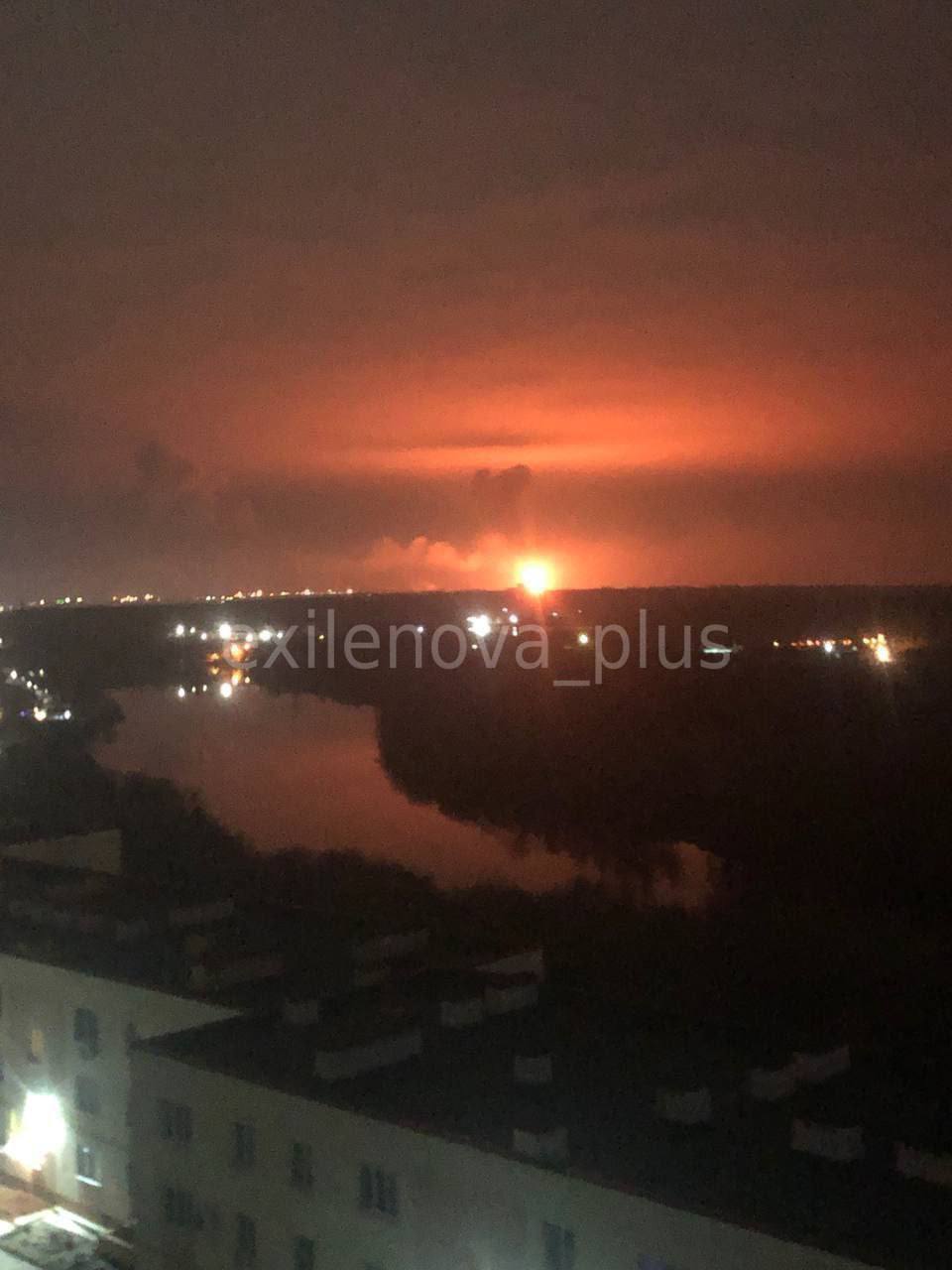
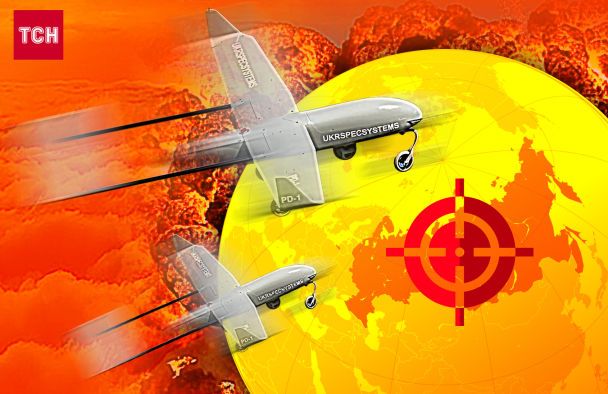
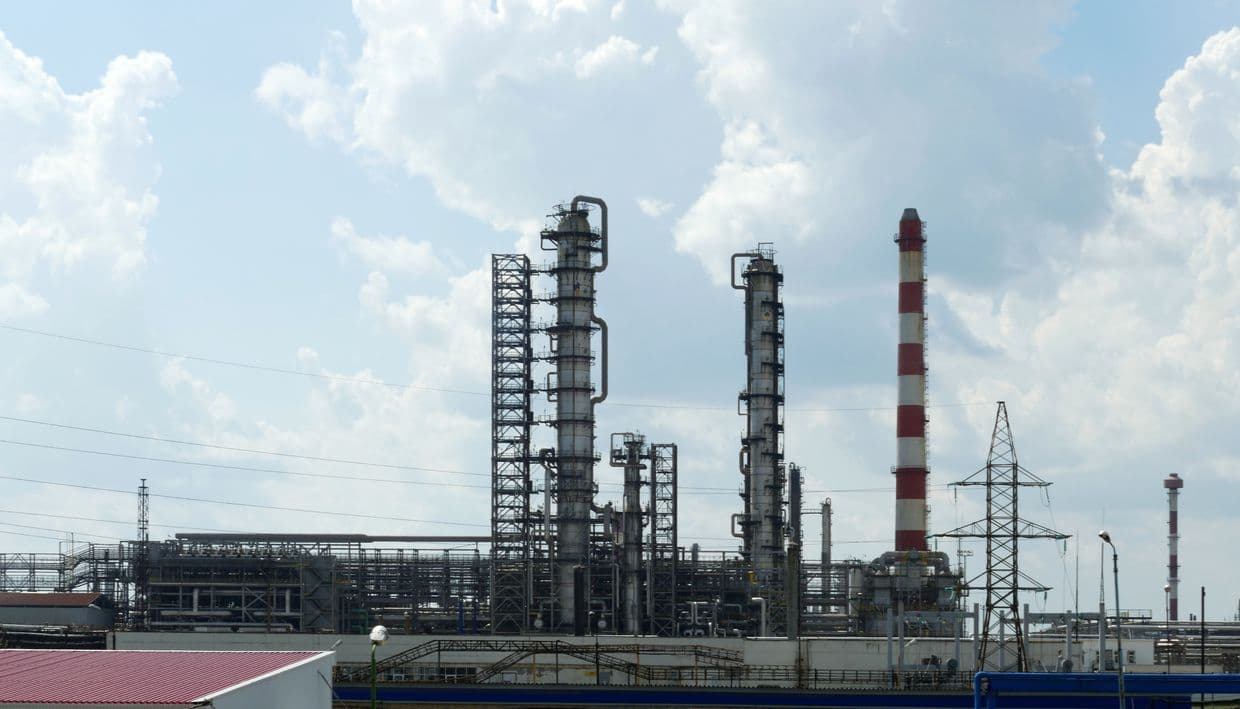
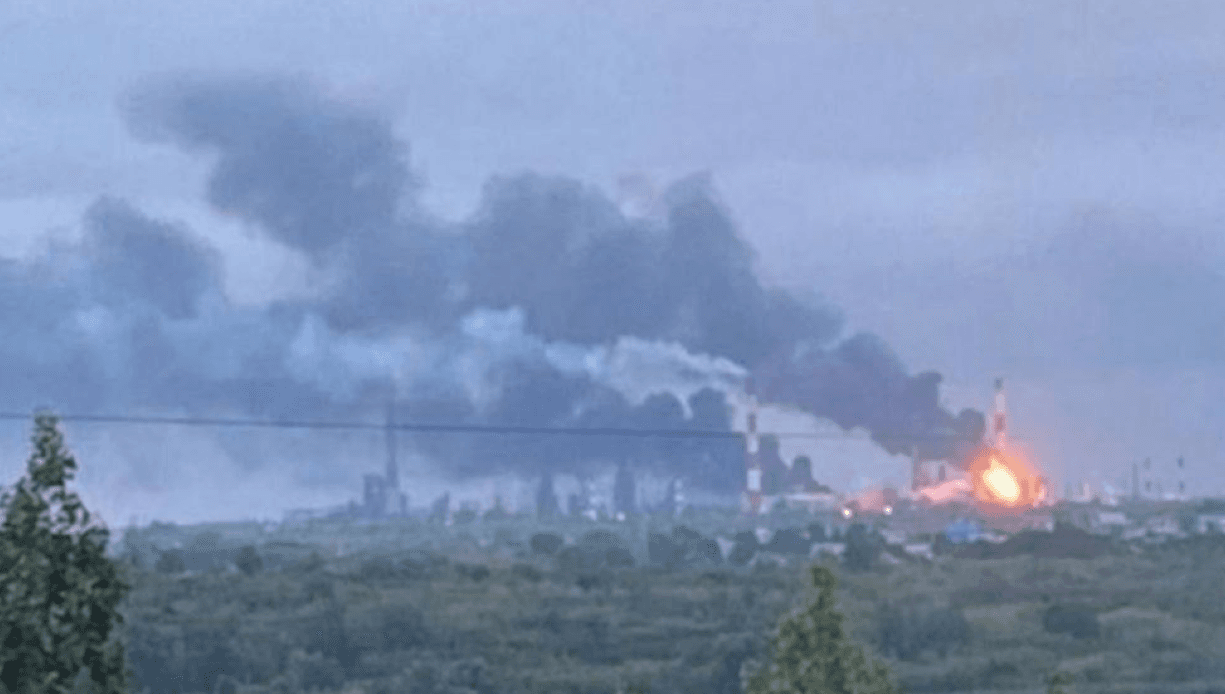
The drone strike on Russia's Ryazan Oil Refinery represents a critical inflection point in modern economic warfare, revealing how targeted industrial disruption can fundamentally reshape geopolitical and commercial landscapes. With Ukraine executing its ninth strategic infrastructure attack this year, the incident underscores a profound shift in conflict methodology—moving beyond traditional military engagement toward precision economic destabilization.
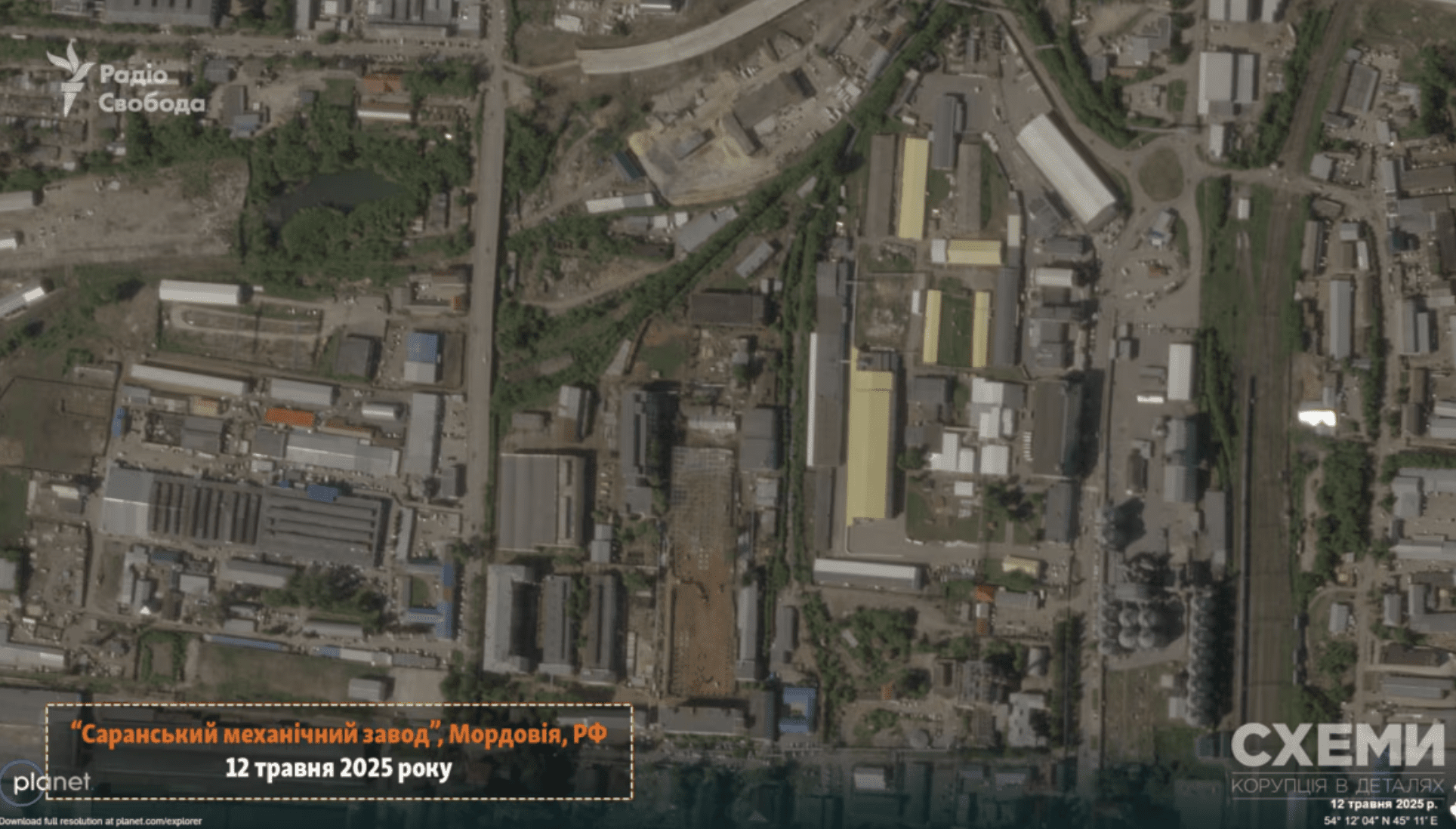
Strategic Infrastructure Targeting emerges as a key geopolitical risk management strategy. The attack on a facility producing 17.1 million tons of oil annually, located just 180 kilometers from Moscow, demonstrates a systematic approach to disrupting war funding and economic stability. Russian air defenses shooting down 29 drones highlights the escalating technological complexity of these confrontations, where precision unmanned systems can potentially neutralize billions in industrial infrastructure.
Supply Chain Vulnerability Mapping becomes paramount for international businesses. The strike reveals that energy-dependent markets face unprecedented risks, particularly in regions experiencing active conflicts. Cross-border sellers must now integrate geopolitical risk assessment as a core strategic function, not a peripheral consideration. The consistent targeting of industrial facilities signals a new paradigm where economic infrastructure is increasingly treated as a direct conflict zone.
The broader implications extend far beyond the immediate conflict. Energy market dynamics are being fundamentally recalibrated, with potential ripple effects across global trade routes, commodity pricing, and regional economic stability. For international businesses, this represents a critical moment to reassess supply chain resilience, geographic risk exposure, and contingency planning.
Ultimately, this drone strike is more than a tactical military action—it's a harbinger of how economic warfare will be conducted in the 21st century. Precision, technological sophistication, and strategic infrastructure targeting are becoming the new frontiers of geopolitical conflict, demanding a radical reimagining of risk management strategies.
Questions 3
How do drone strikes impact global energy infrastructure risks?
Drone strikes demonstrate the vulnerability of industrial facilities to precision targeting, forcing energy companies and investors to reassess geographic risk, implement more robust defense mechanisms, and develop comprehensive contingency plans for potential infrastructure disruptions.
What strategic implications do these attacks have for international businesses?
Businesses must now integrate geopolitical risk assessment as a core strategic function, developing more dynamic supply chain models that can quickly adapt to regional conflicts, technological disruptions, and infrastructure vulnerabilities.