



In-Car Video Streaming & Personalization Drive Automotive Tech Demand | Seller Opportunity in Vehicle Accessories & Content
- Google's Android Auto 16.3 beta signals 2-3 year development cycle for video streaming; creates emerging market for automotive-grade accessories, vehicle customization products, and in-car entertainment solutions for sellers targeting mobile commerce and road-trip consumer segments




Overview
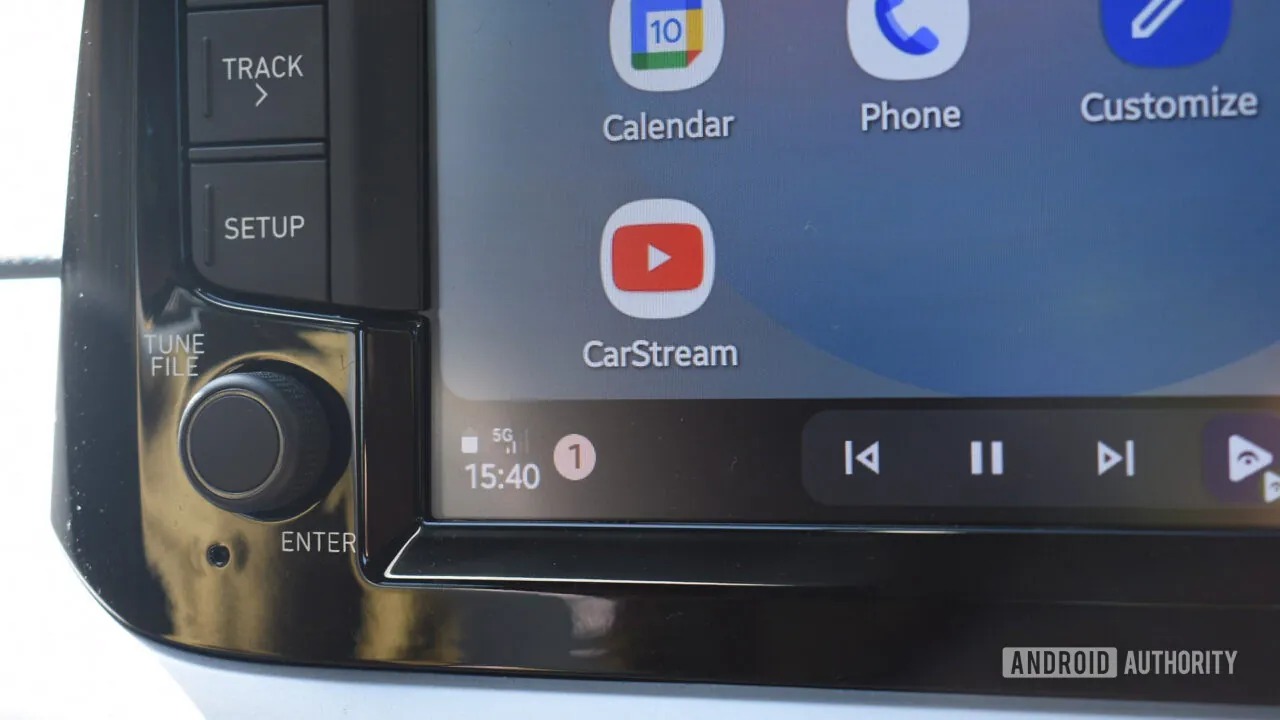
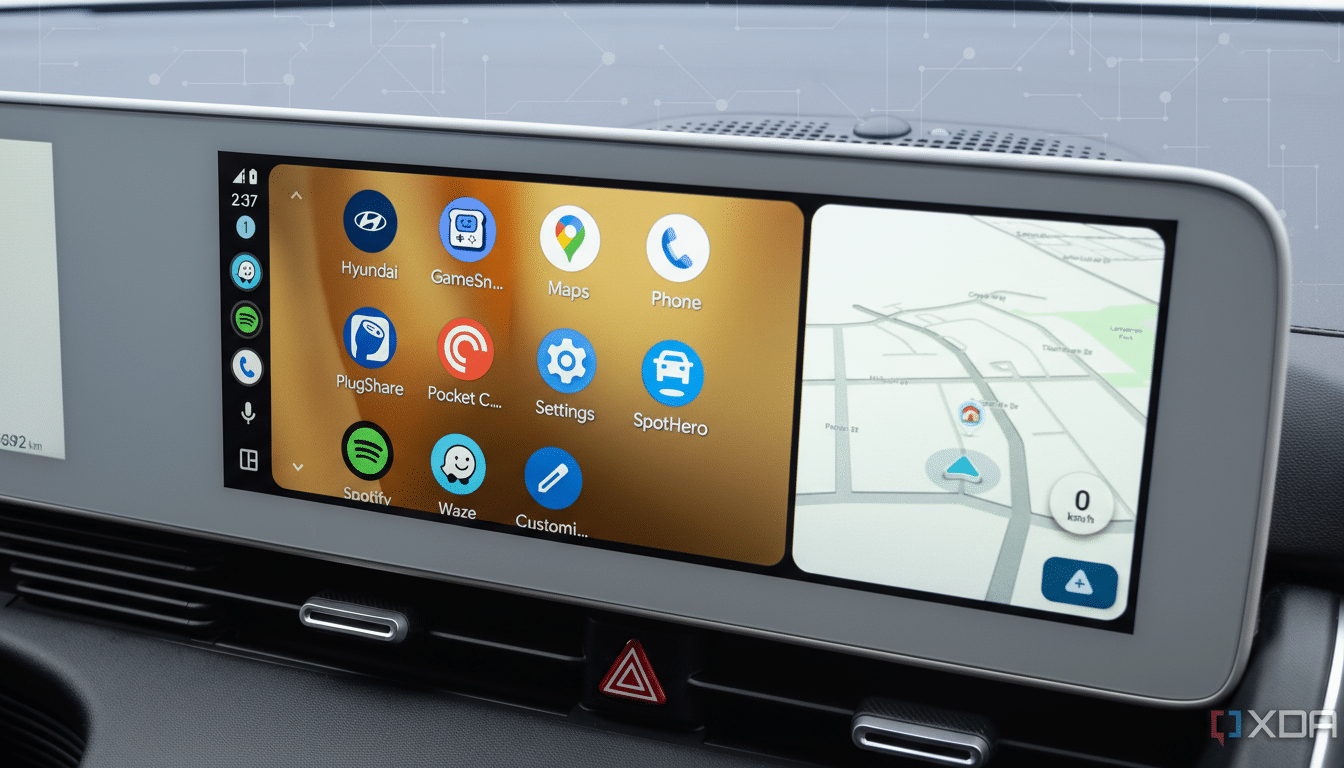
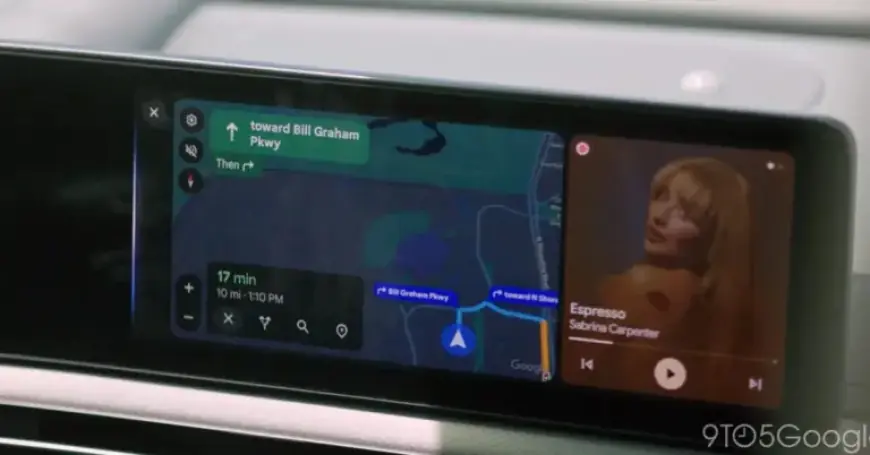
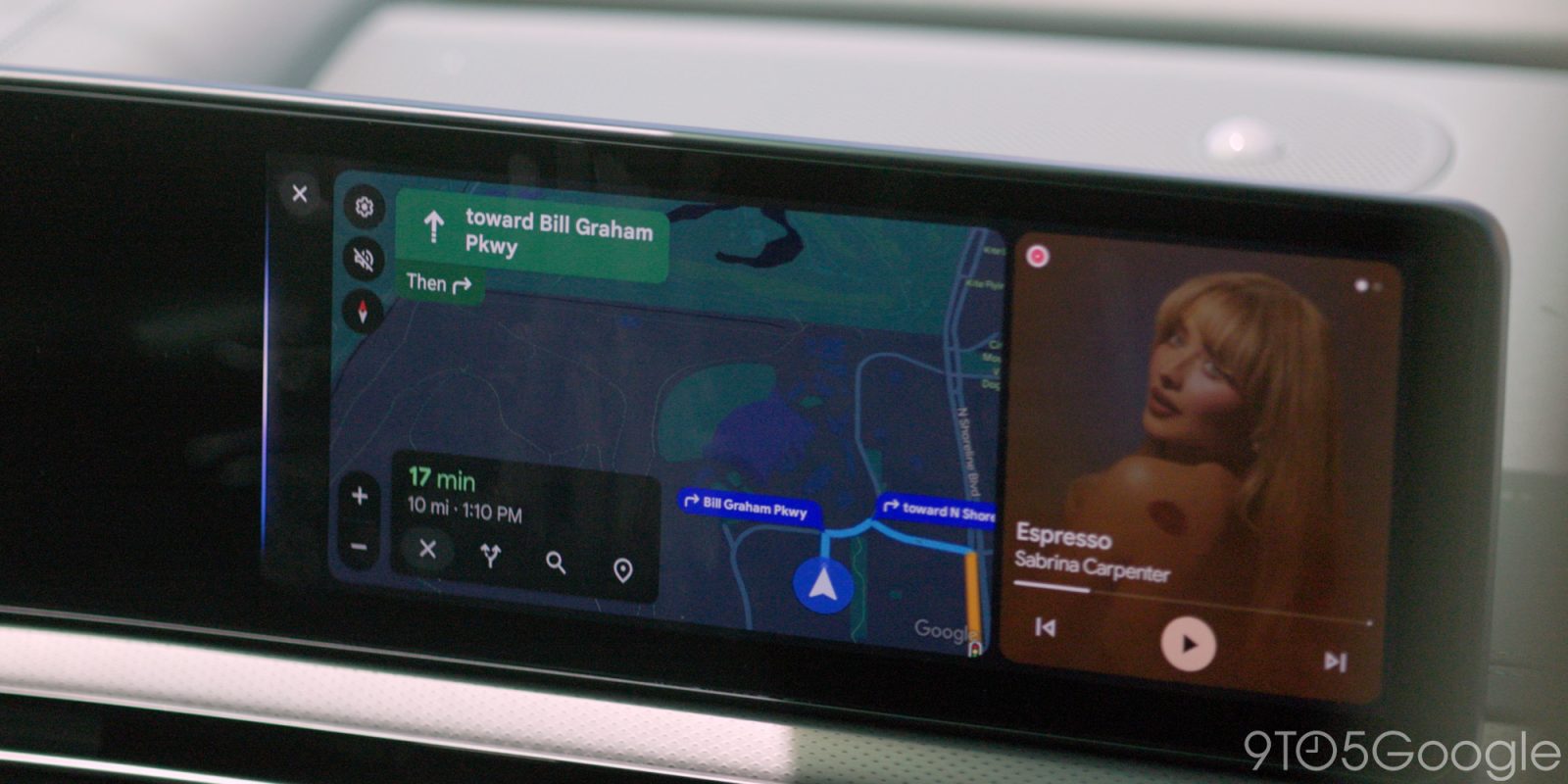
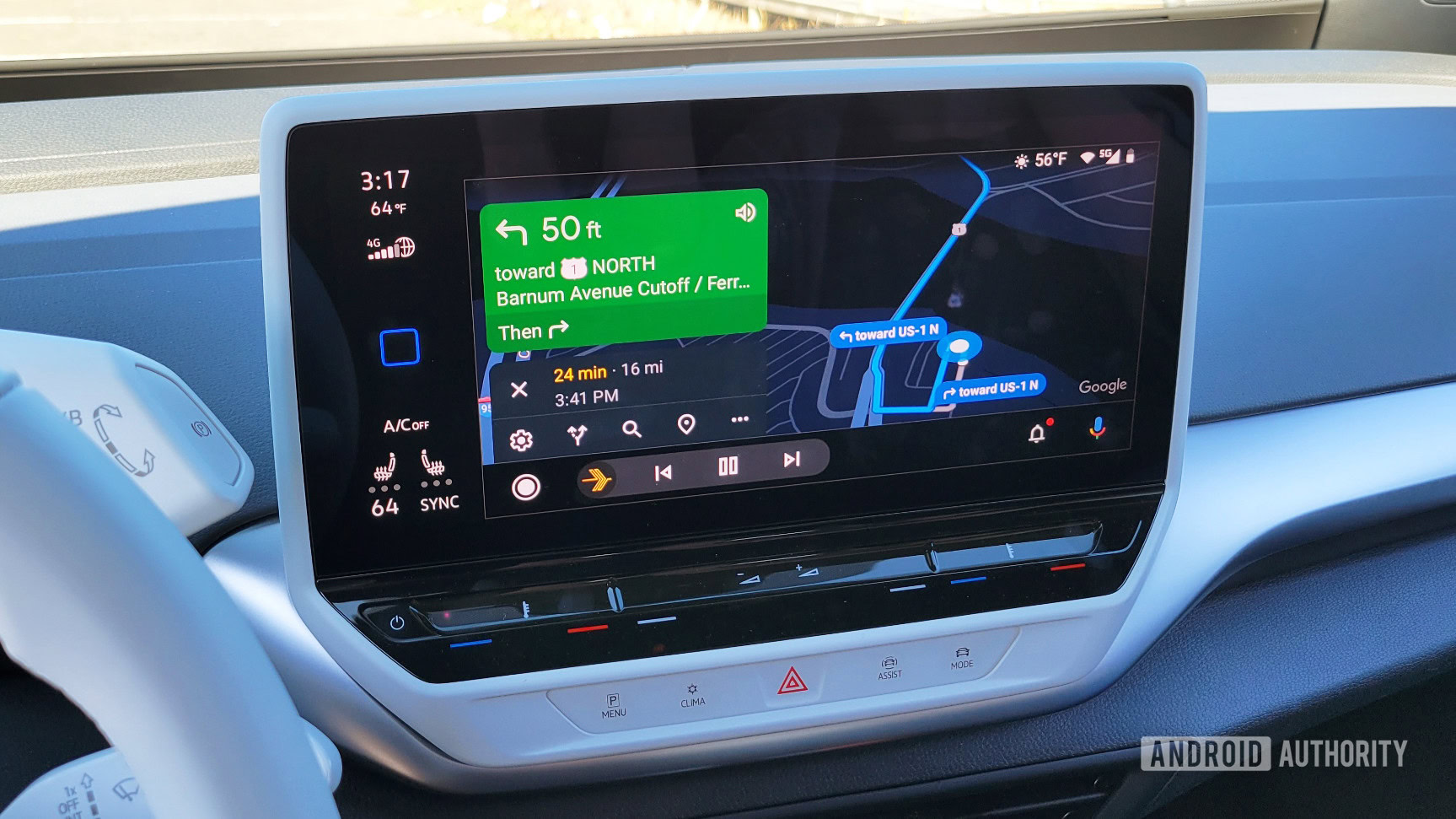
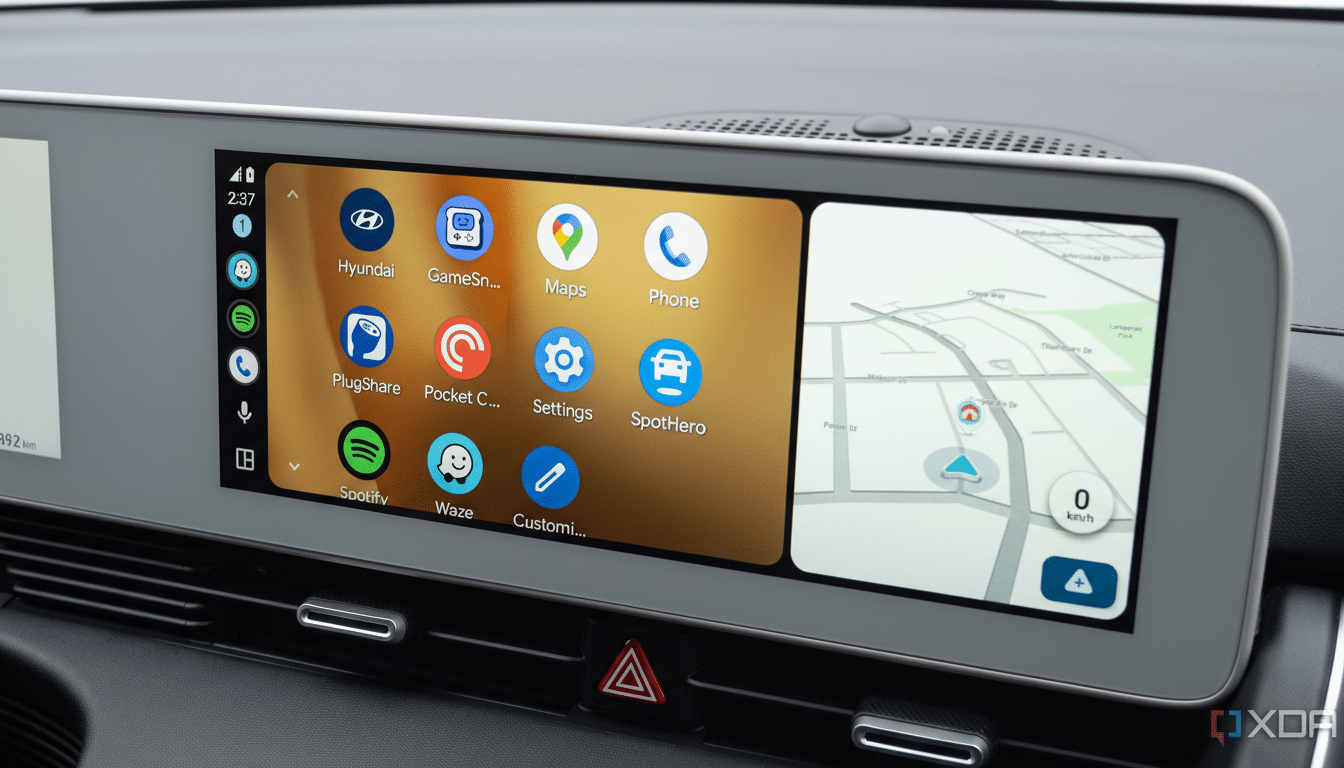
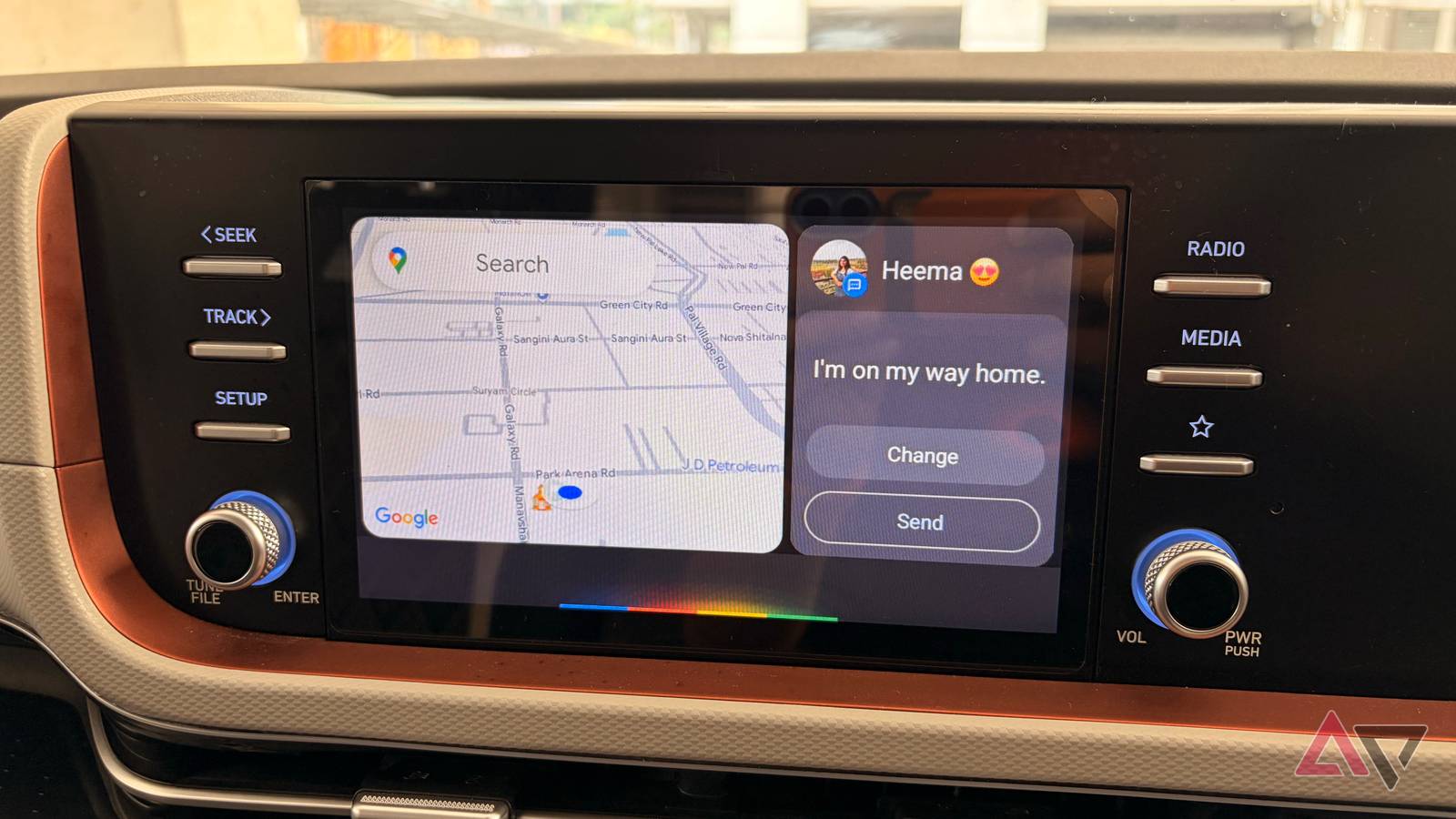
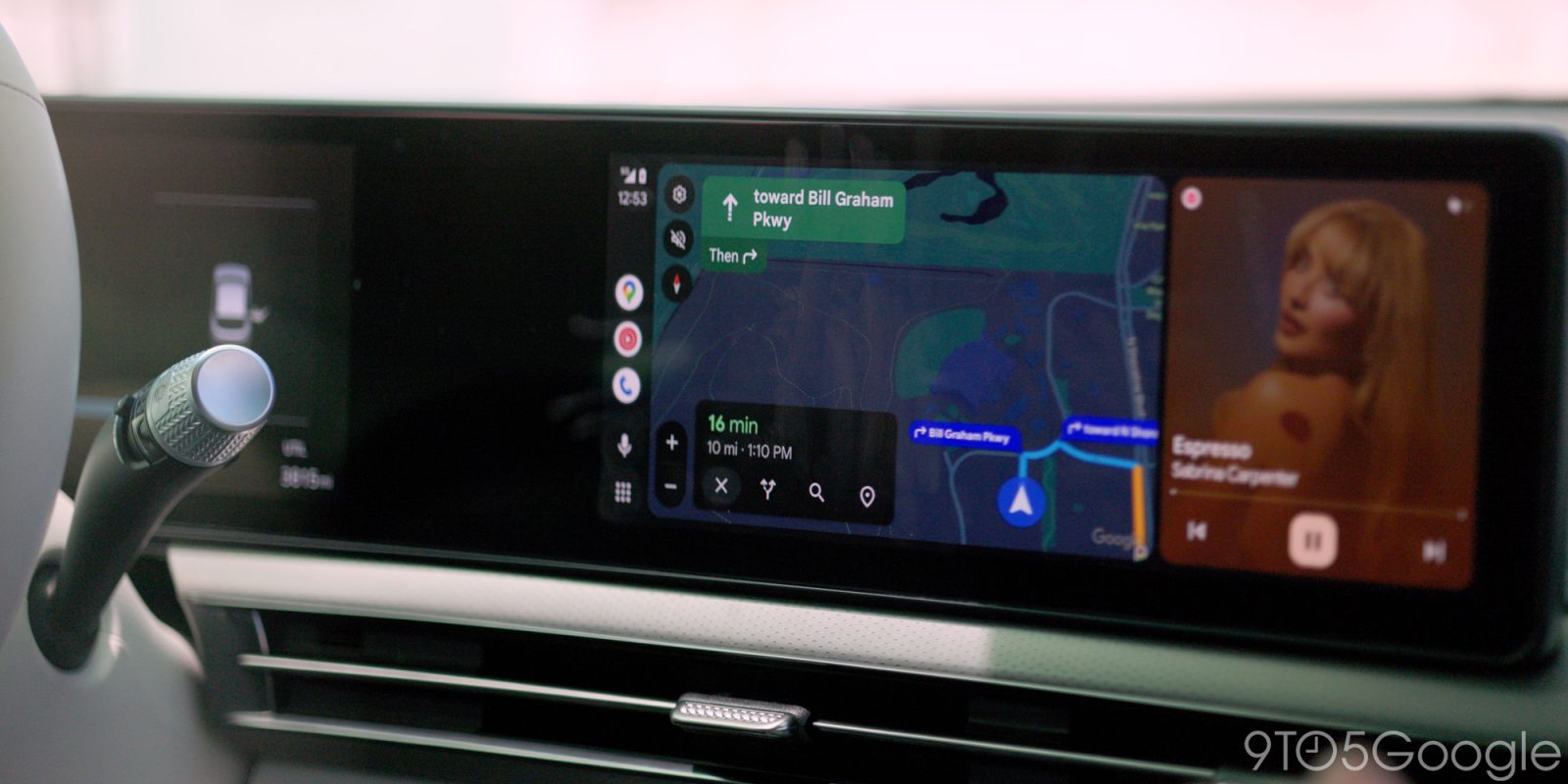
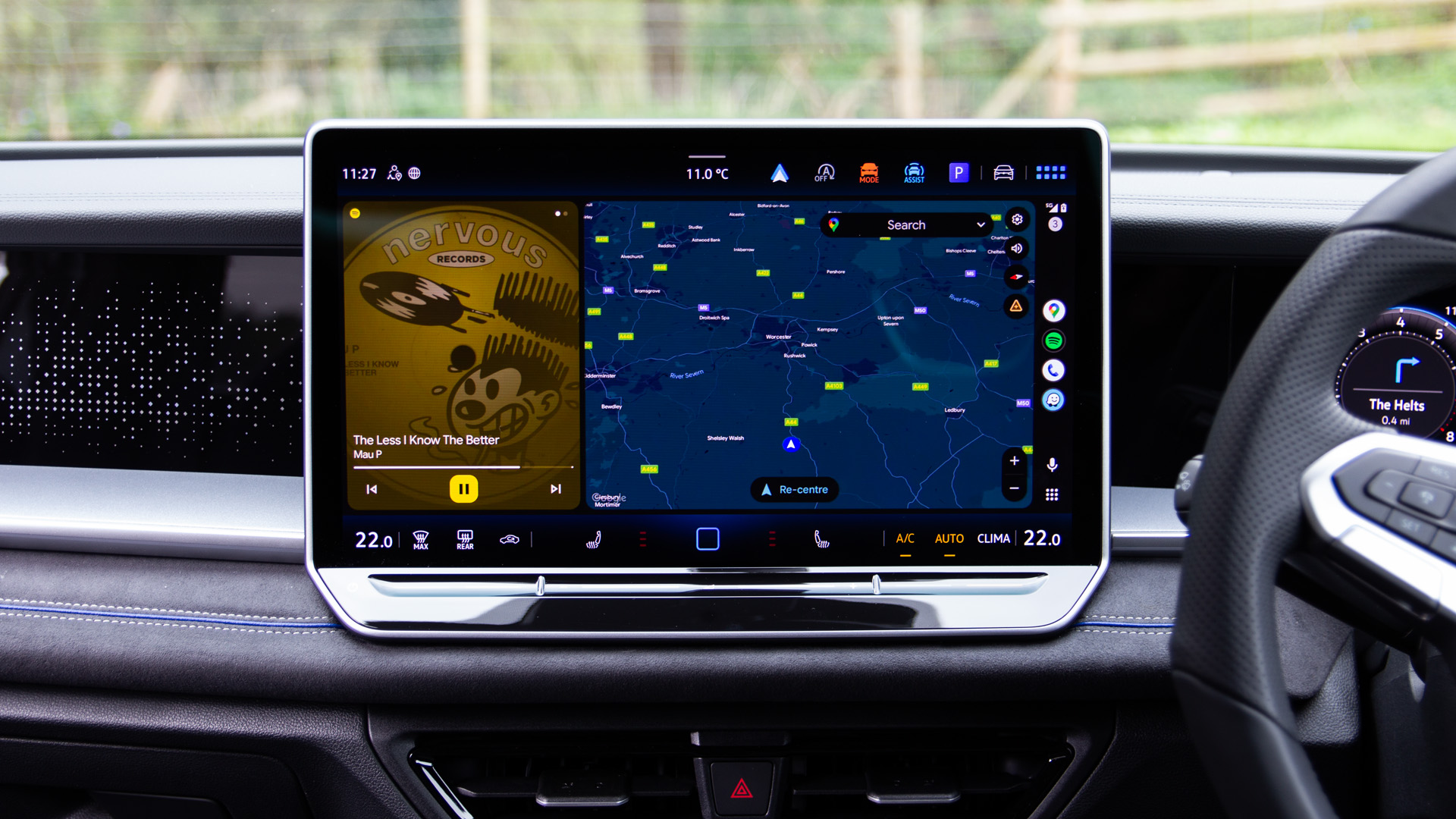
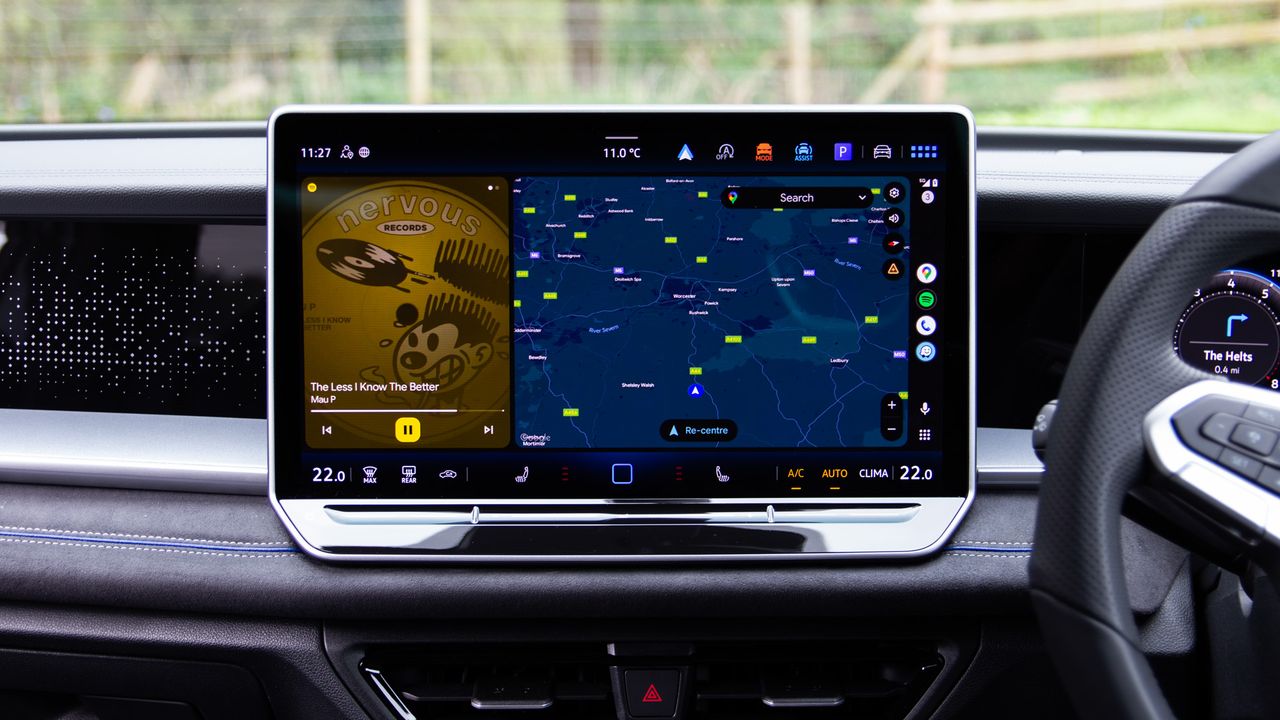
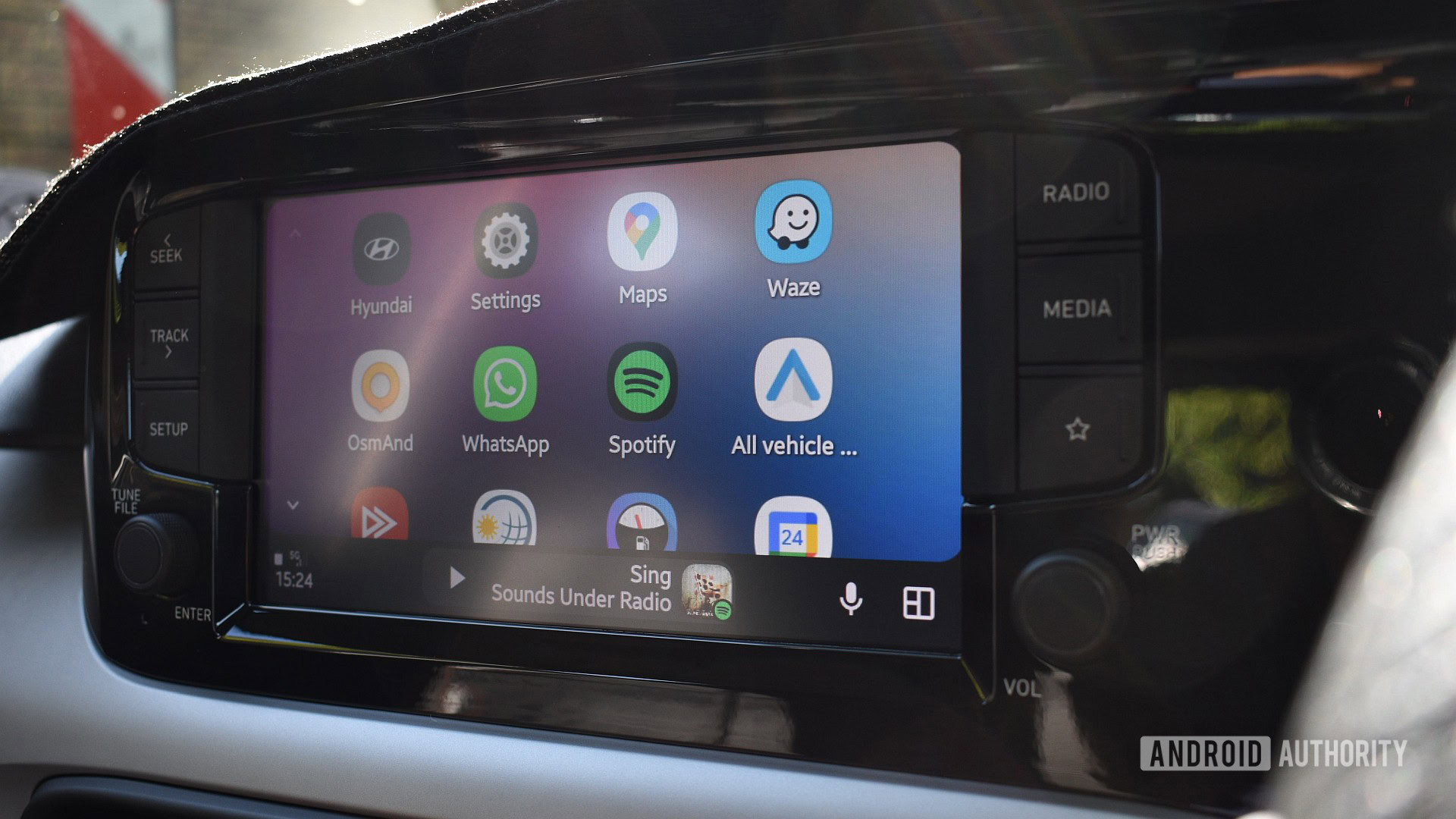
Google's Android Auto 16.3 beta release reveals significant investment in in-vehicle entertainment and personalization features, with video streaming capabilities and avatar customization progressing through development phases. According to 9to5Google's code analysis, the "CradleFeature__allow_video_apps" flag indicates active engineering work on video app functionality that has been in development for approximately 2 years, with Google's May 2025 announcement confirming eventual video content arrival on Android Auto. The light theme feature, marked "Coolwalk__use_light_dark_theme_focus_input," has been refined over 12+ months and is described as "almost ready" despite initial discovery over 2 years ago. Additionally, Android Authority's APK teardown of version 16.2.660604-release reveals a native "Driving avatar" customization feature enabling users to modify vehicle avatars directly within the dashboard interface with cross-device synchronization.
For e-commerce sellers, this trend signals emerging consumer demand for automotive-grade products and in-car entertainment solutions. The development of video streaming capabilities indicates Google expects significant user engagement during long road trips and extended driving scenarios—a consumer behavior pattern that directly correlates with demand for vehicle accessories, entertainment systems, and travel-related products. Sellers in automotive accessories, phone mounts, car organizers, and vehicle customization categories can capitalize on this trend by positioning products as "Android Auto compatible" or "optimized for in-car entertainment." The avatar customization feature demonstrates consumer interest in vehicle personalization, creating opportunities for sellers offering custom vehicle decals, interior accessories, and personalized automotive merchandise.
The competitive intelligence opportunity is substantial. Sellers monitoring Google's Android Auto development can identify emerging product categories 6-12 months before mainstream adoption. The 2-year development timeline for video streaming suggests Google is investing heavily in automotive commerce infrastructure, which will eventually enable in-car shopping, navigation-based retail, and location-triggered advertising. Sellers should begin optimizing product listings with automotive keywords, vehicle compatibility information, and road-trip use cases now, positioning themselves ahead of competitors when Android Auto's video and personalization features reach stable release (estimated Q3-Q4 2025 based on typical beta-to-release cycles). The cross-device synchronization architecture indicates Google is building a unified automotive ecosystem, creating opportunities for sellers to develop Android Auto-specific product bundles and marketing campaigns targeting drivers who value seamless device integration and personalization.
Questions 7
How does cross-device synchronization in Android Auto create competitive advantages for sellers?
Google's cross-device synchronization architecture (changes made in Android Auto automatically update on phones and vice versa) indicates the company is building a unified automotive ecosystem. This creates opportunities for sellers to develop Android Auto-specific product bundles, loyalty programs, and marketing campaigns that leverage device integration. Sellers can position products as 'seamlessly synced across your devices' and create marketing content showing how products enhance the Android Auto experience. This architectural choice also suggests Google will eventually enable in-car shopping and location-triggered advertising, creating first-mover advantages for sellers who establish Android Auto presence early.
What is the timeline for Android Auto features reaching general availability and how should sellers prepare?
Based on Google's development timeline, video streaming and light theme features are estimated to reach stable release in Q3-Q4 2025, with avatar customization arriving slightly earlier (Q2-Q3 2025). The 2-year development cycle for video streaming indicates Google is investing heavily in automotive commerce infrastructure. Sellers should immediately begin: (1) auditing product listings for automotive keywords, (2) creating Android Auto-specific product bundles, (3) developing marketing campaigns targeting drivers, and (4) monitoring Android Authority and 9to5Google for feature release announcements to time product launches with feature availability.