




India's Aviation Turbulence Exposes Critical Logistics and Regulatory Vulnerabilities
- Massive flight cancellations reveal systemic challenges in India's rapidly expanding air transportation ecosystem








)





















%20(1).webp)































%20(1)%20(1).webp)













Overview
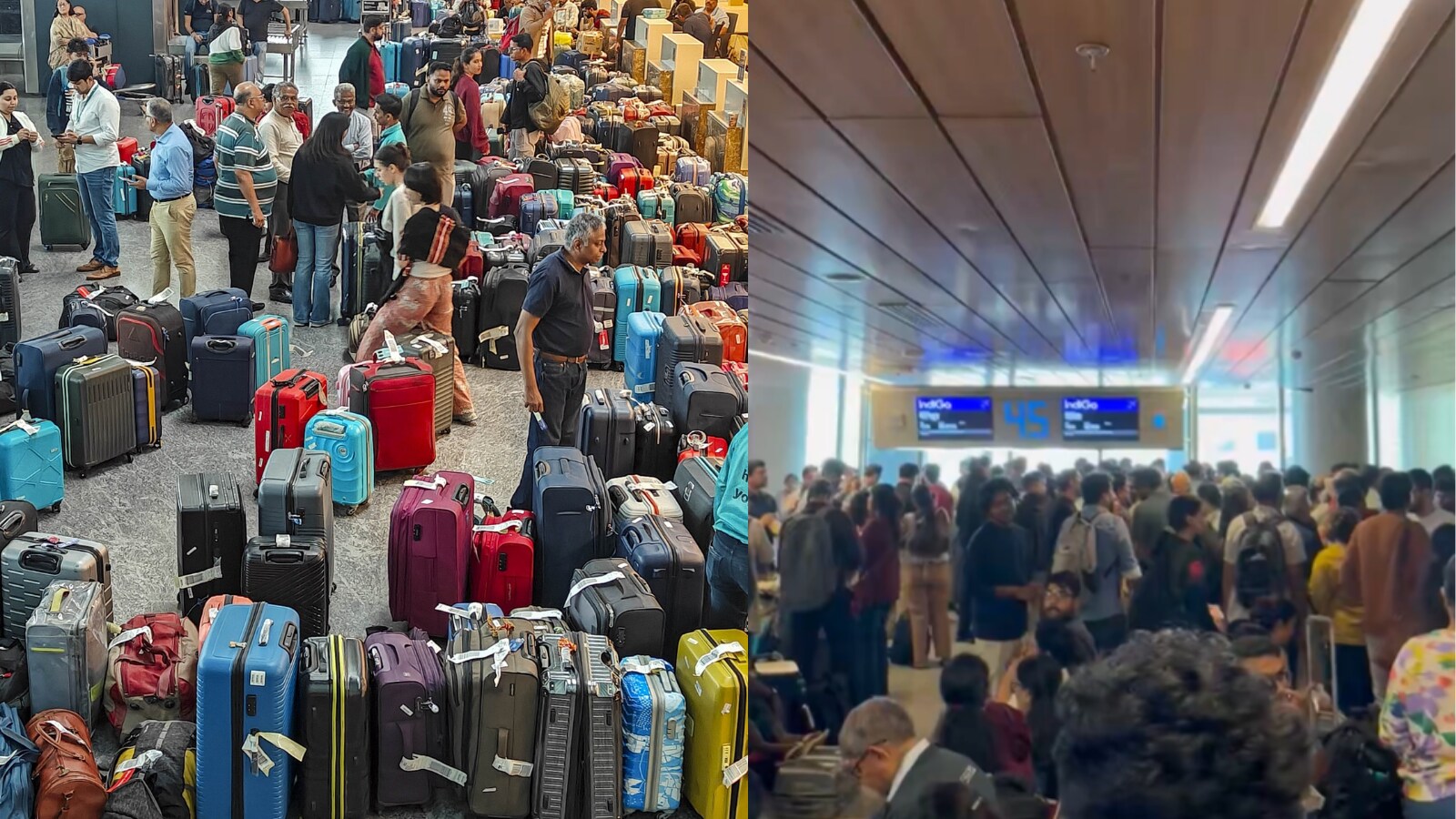
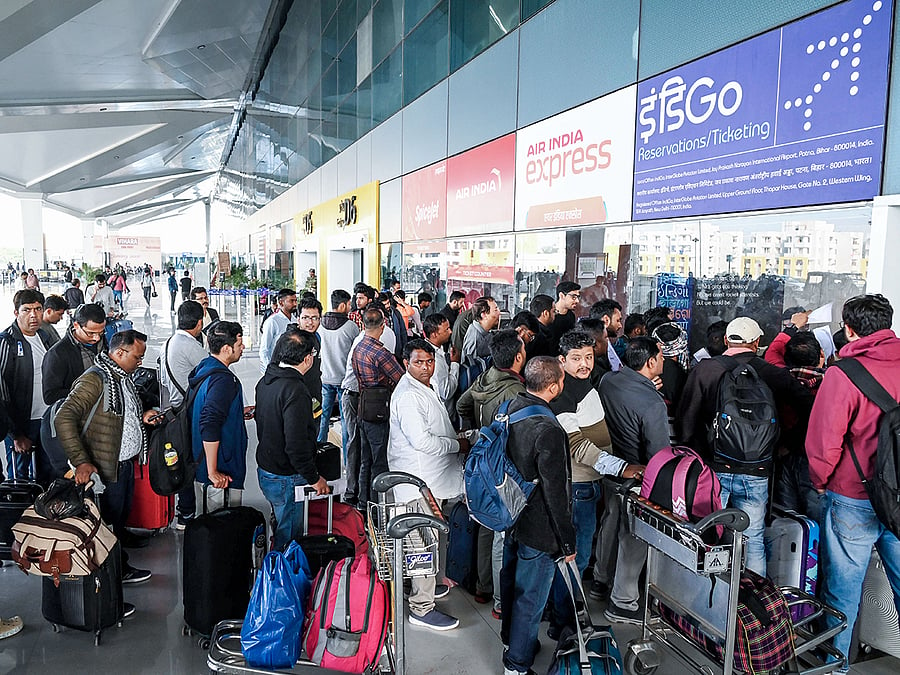
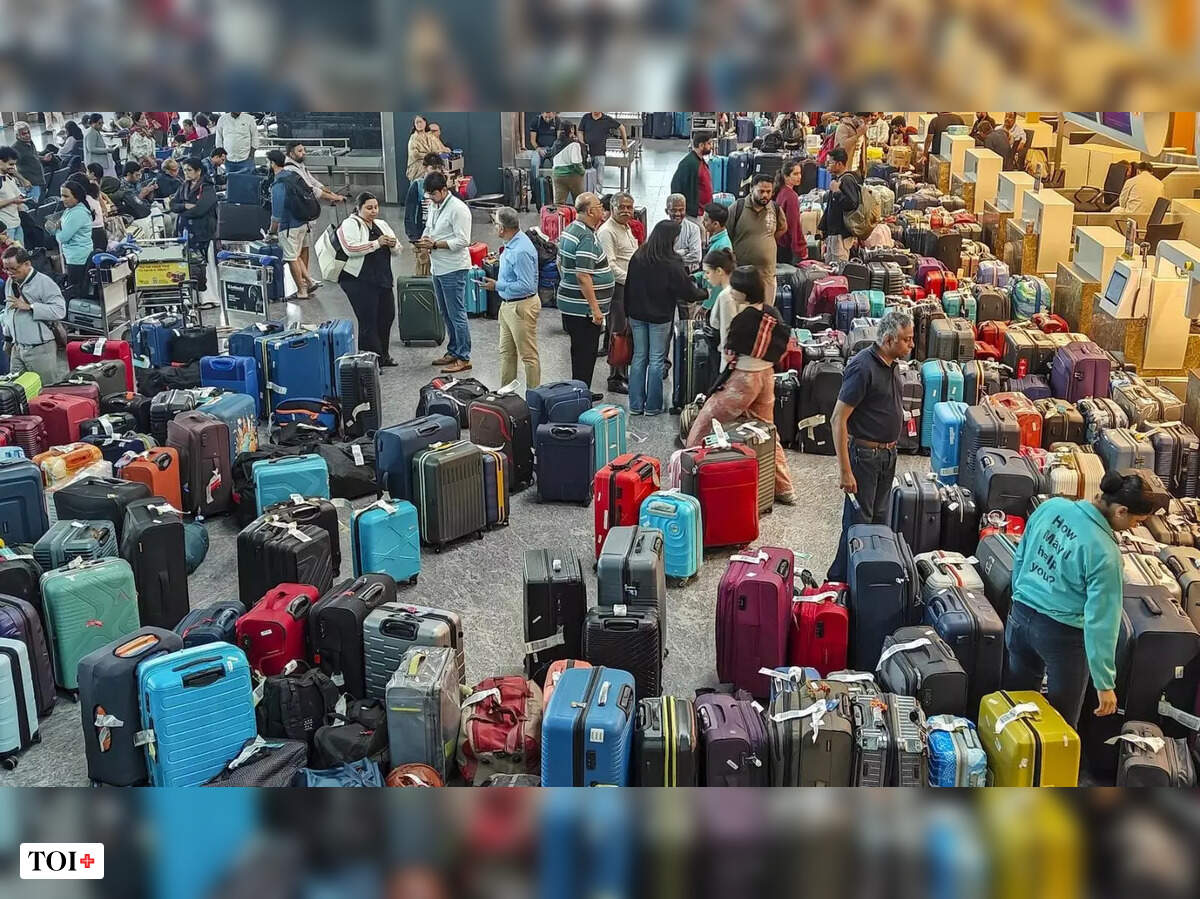
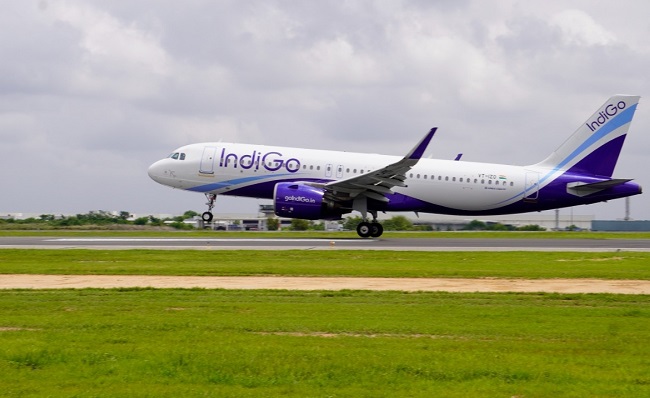
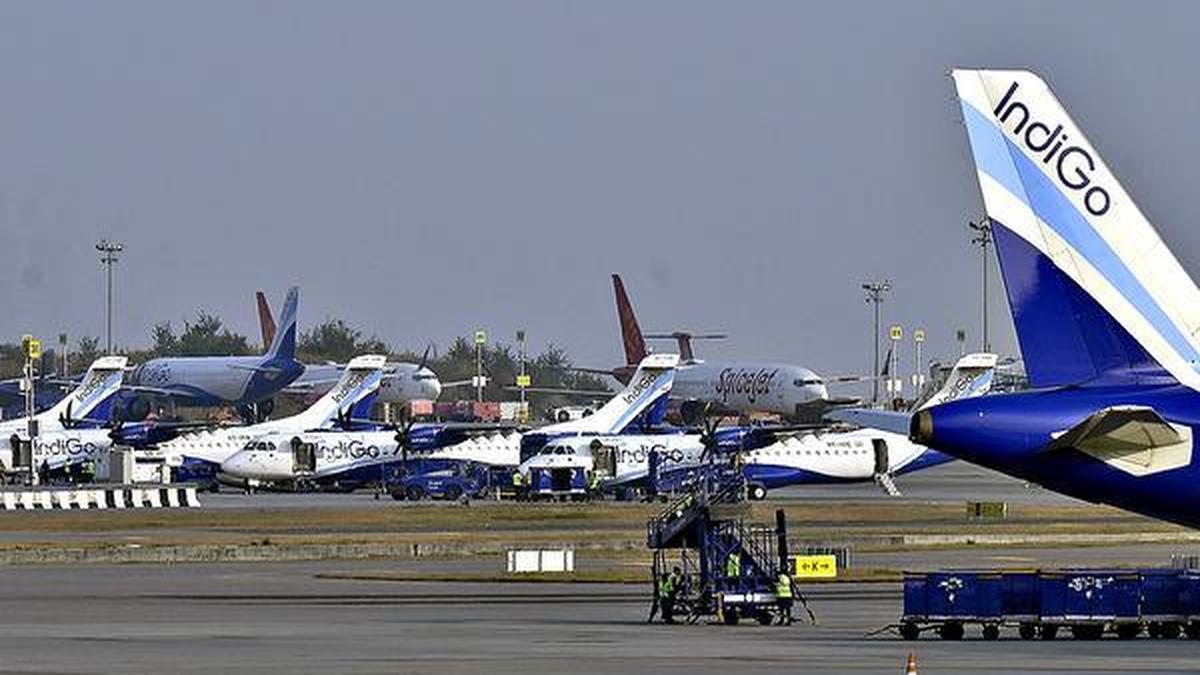
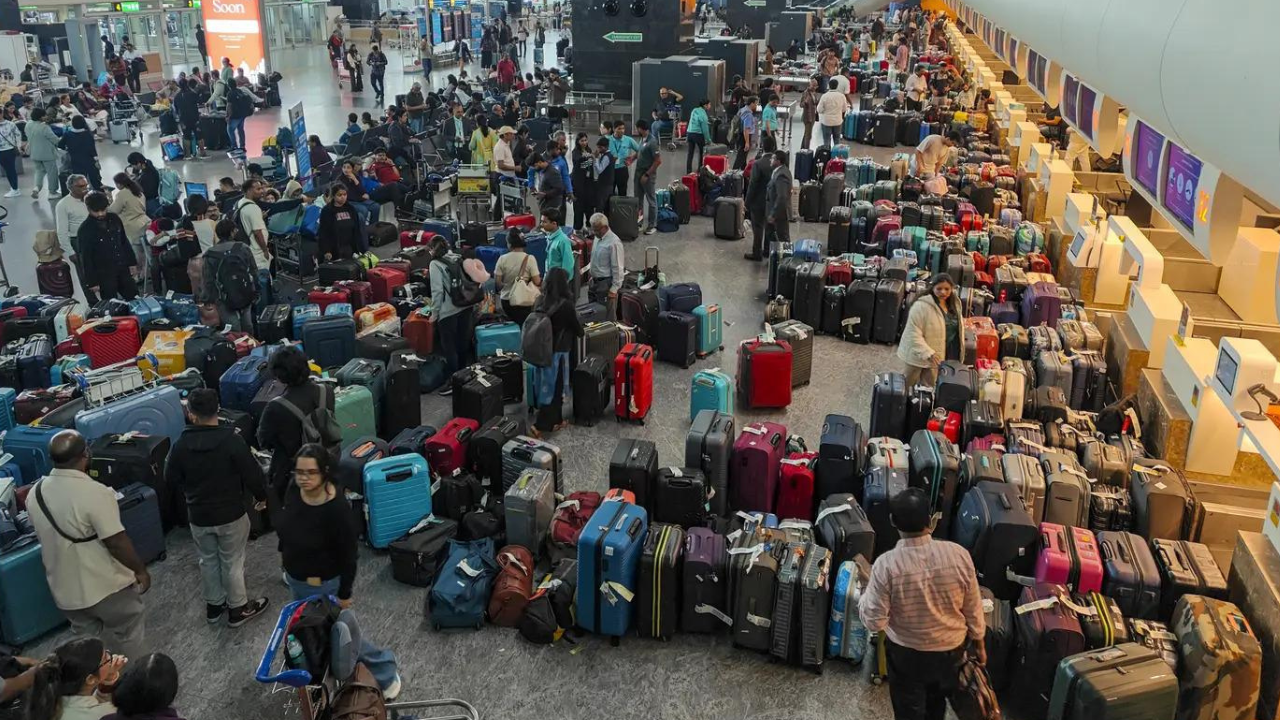
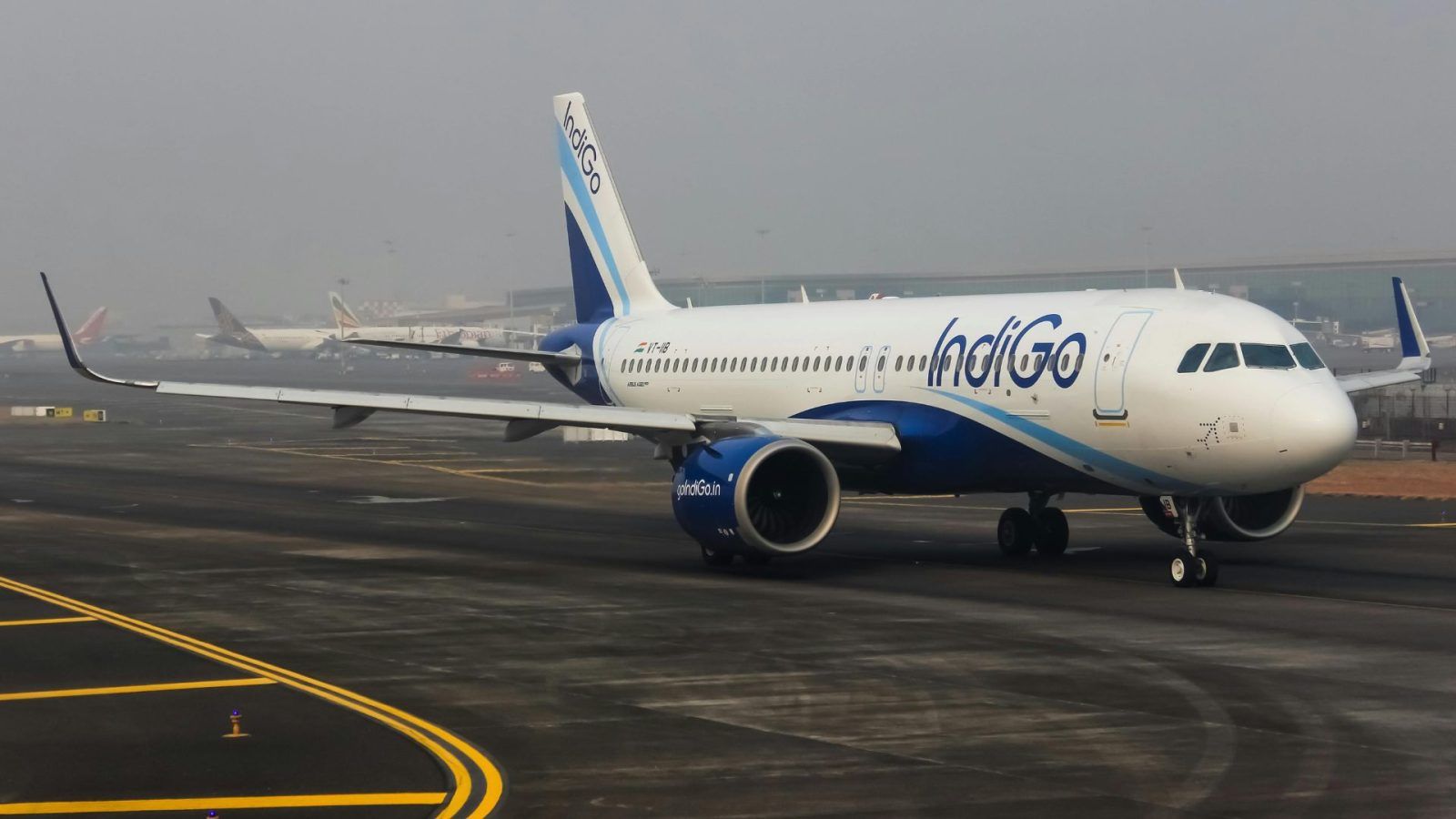
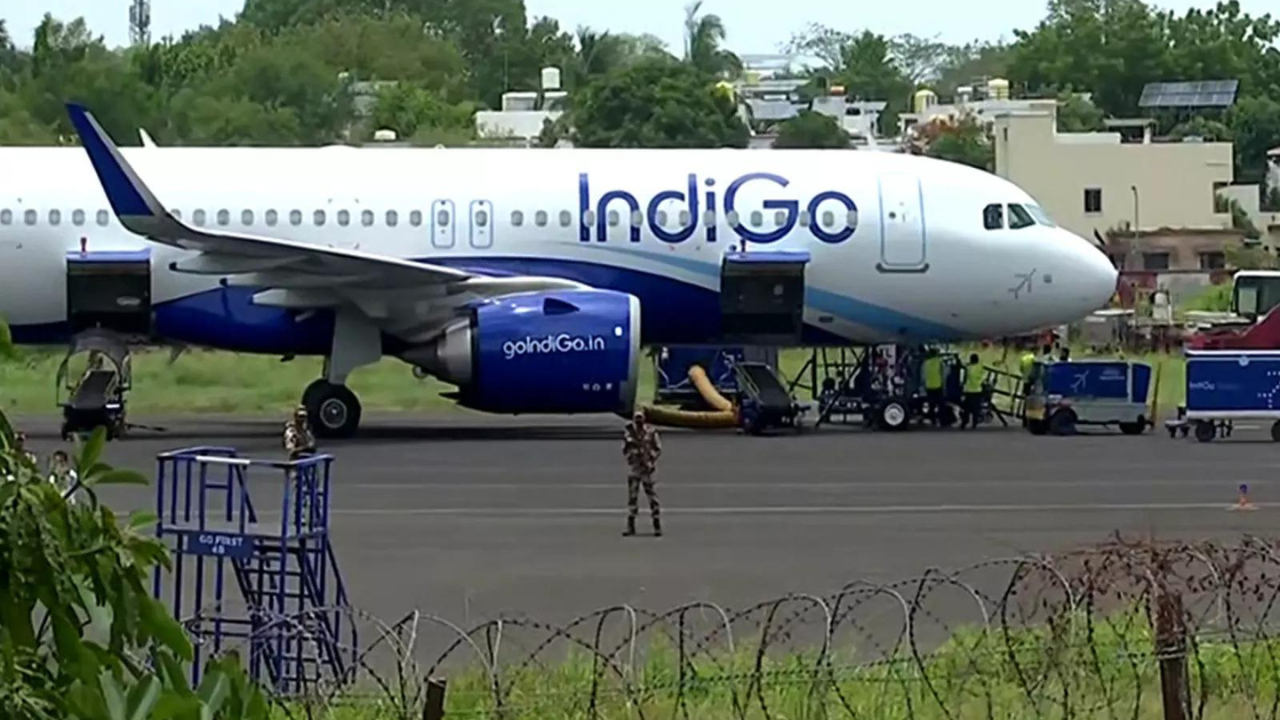
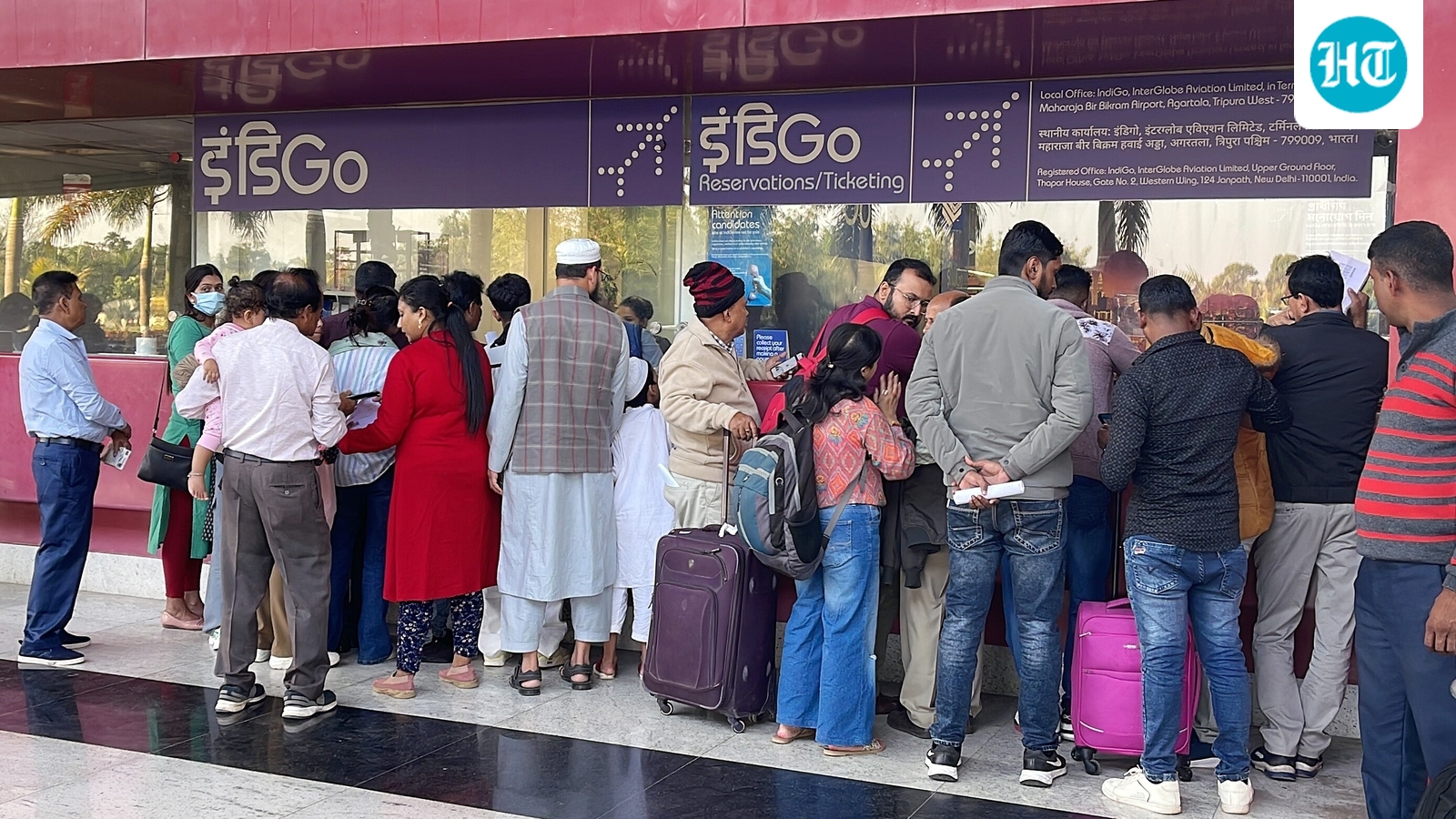
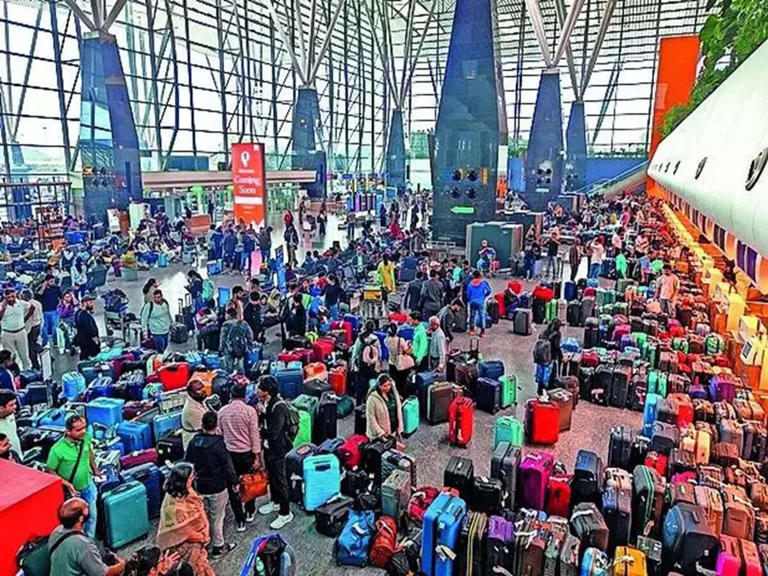
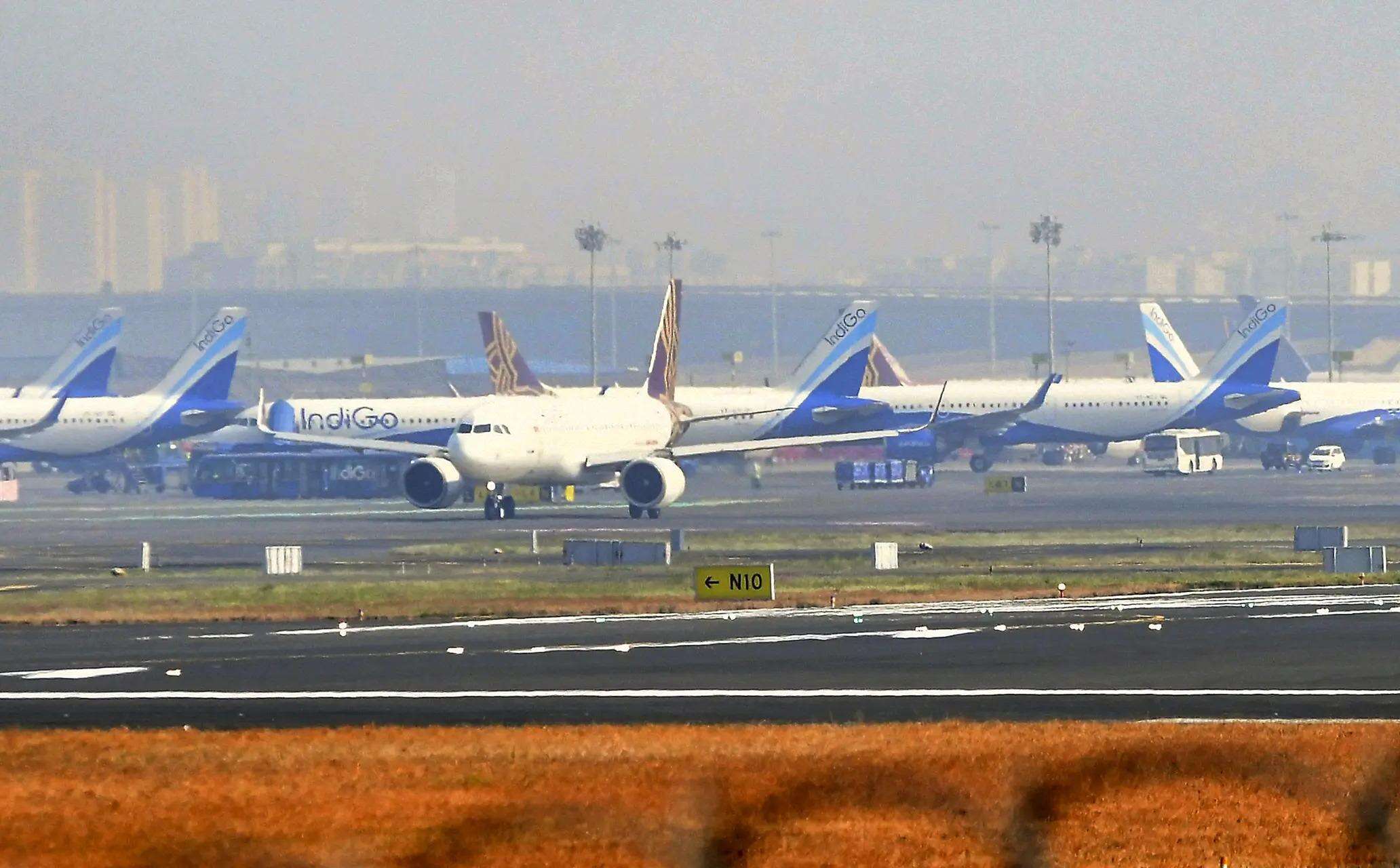
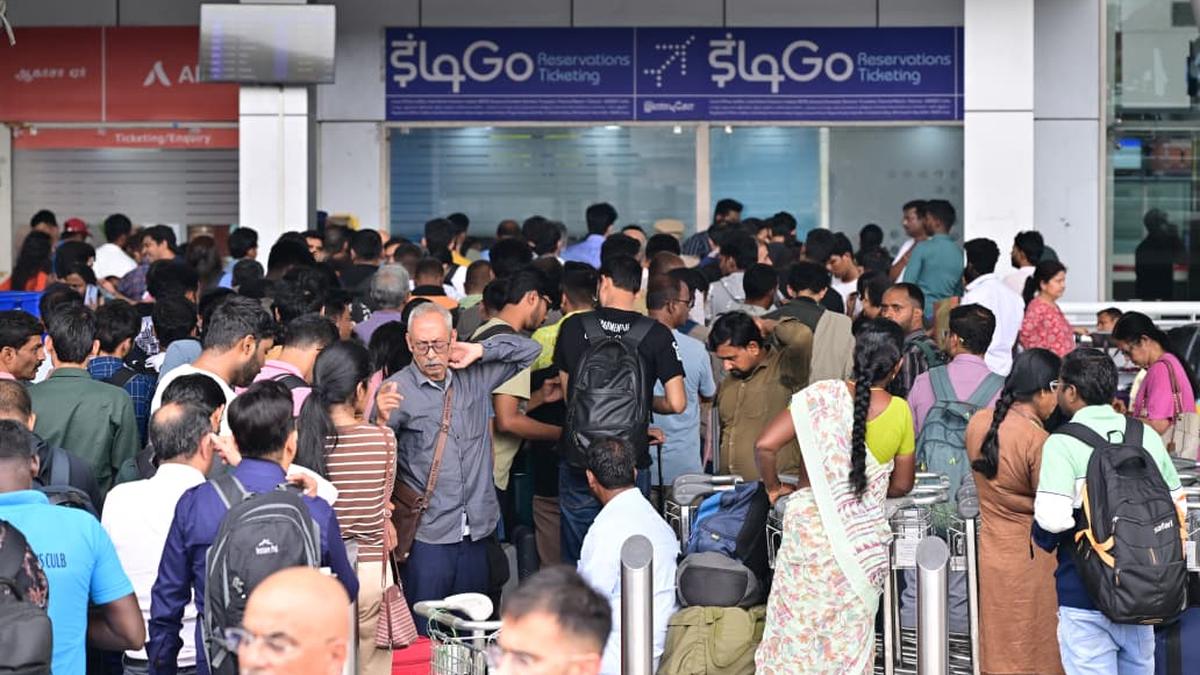
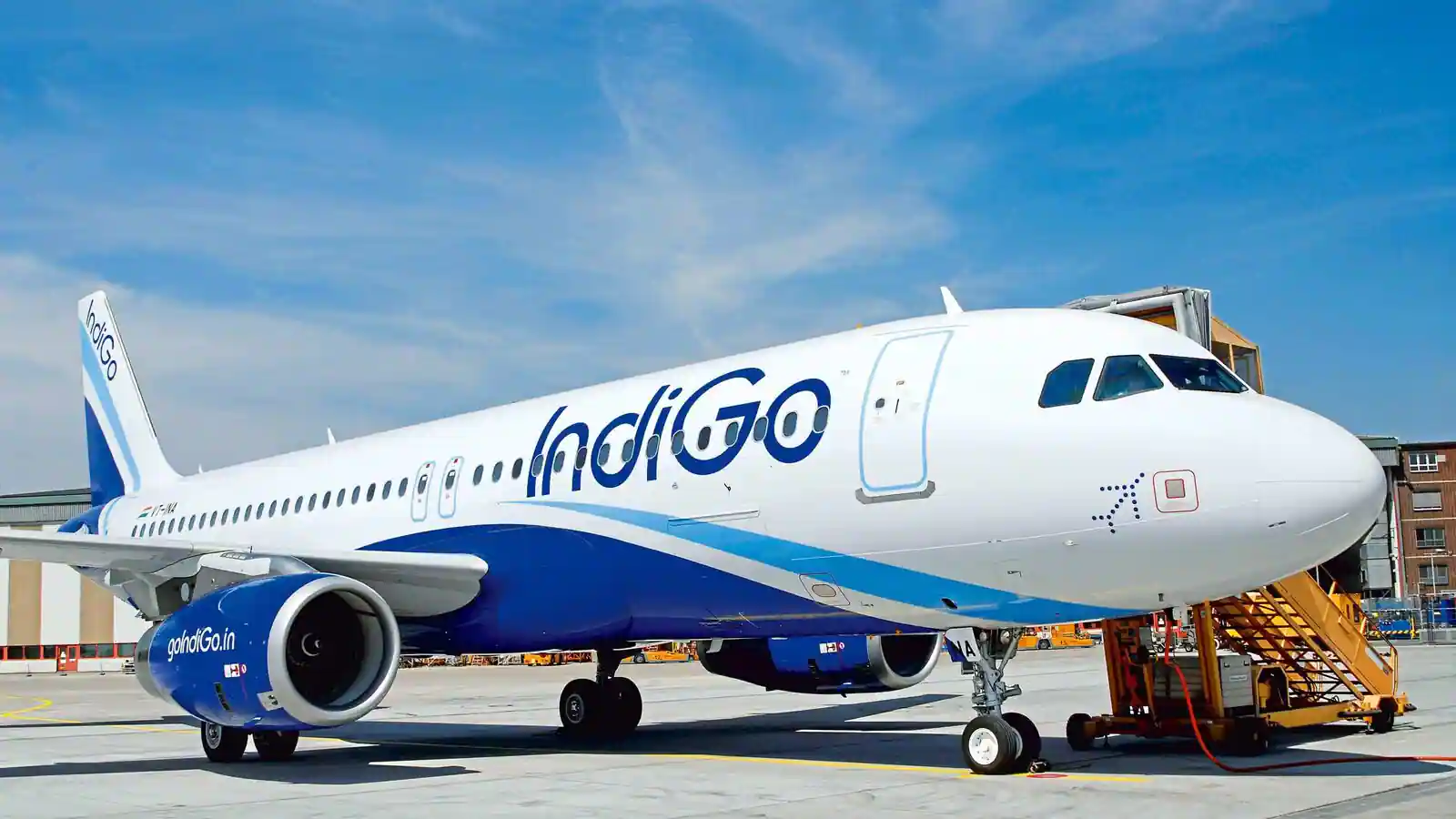
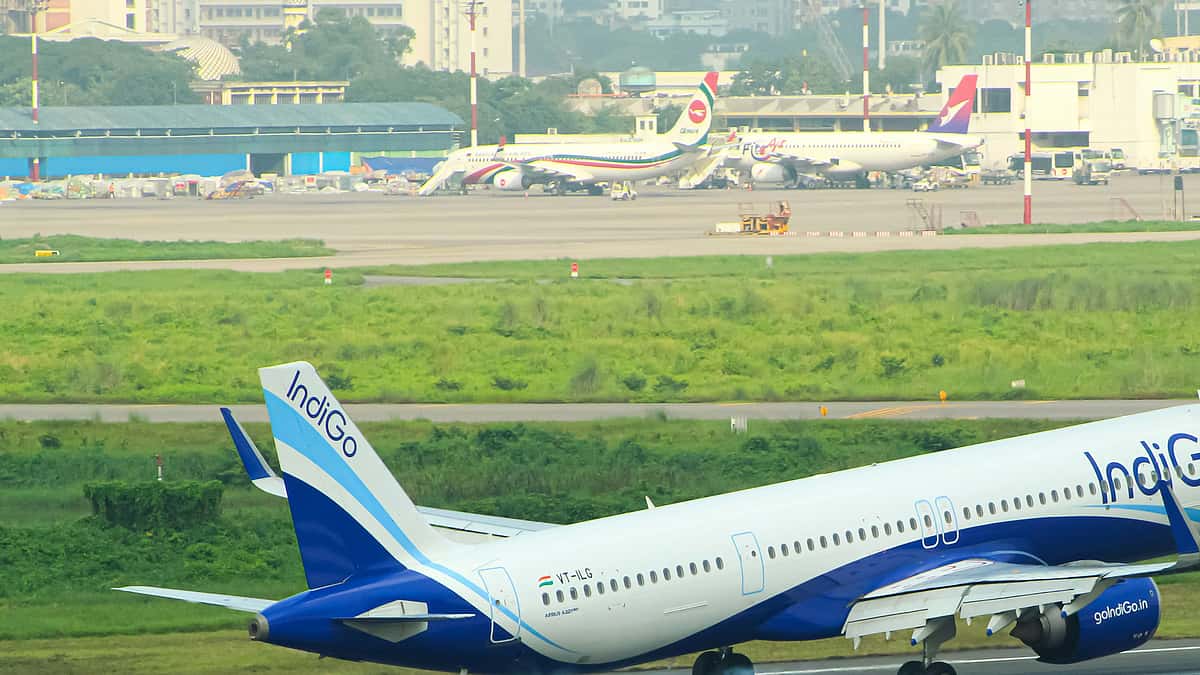
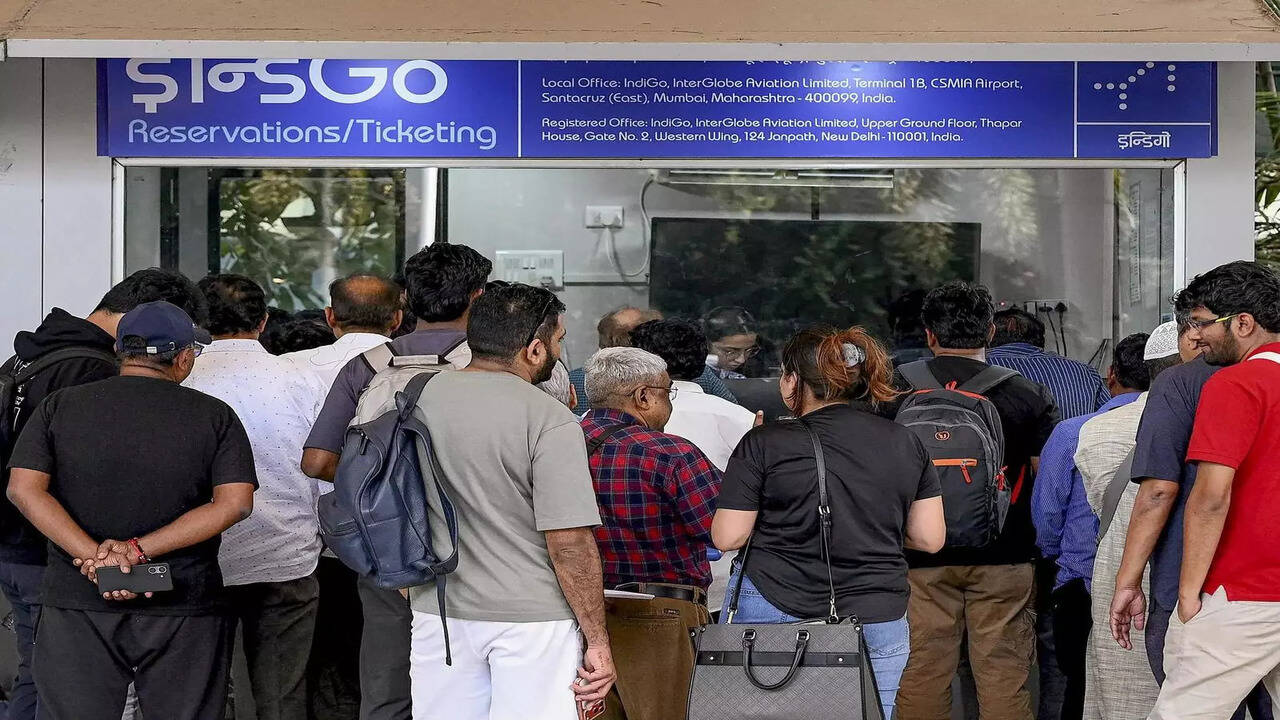
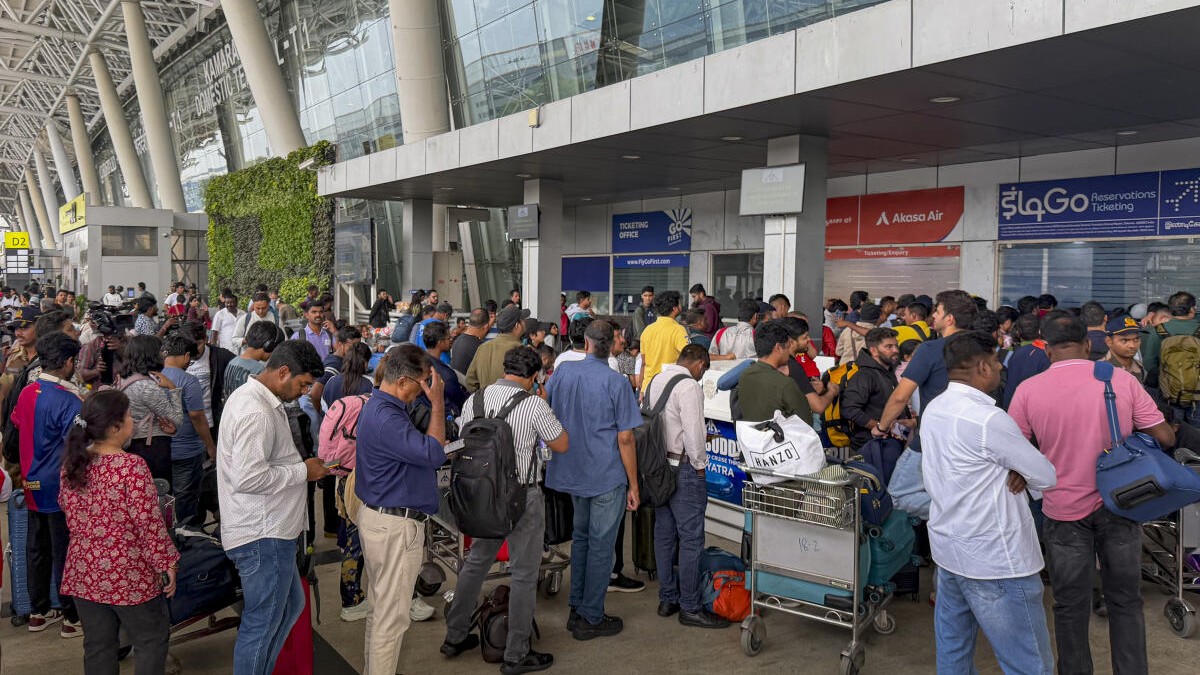
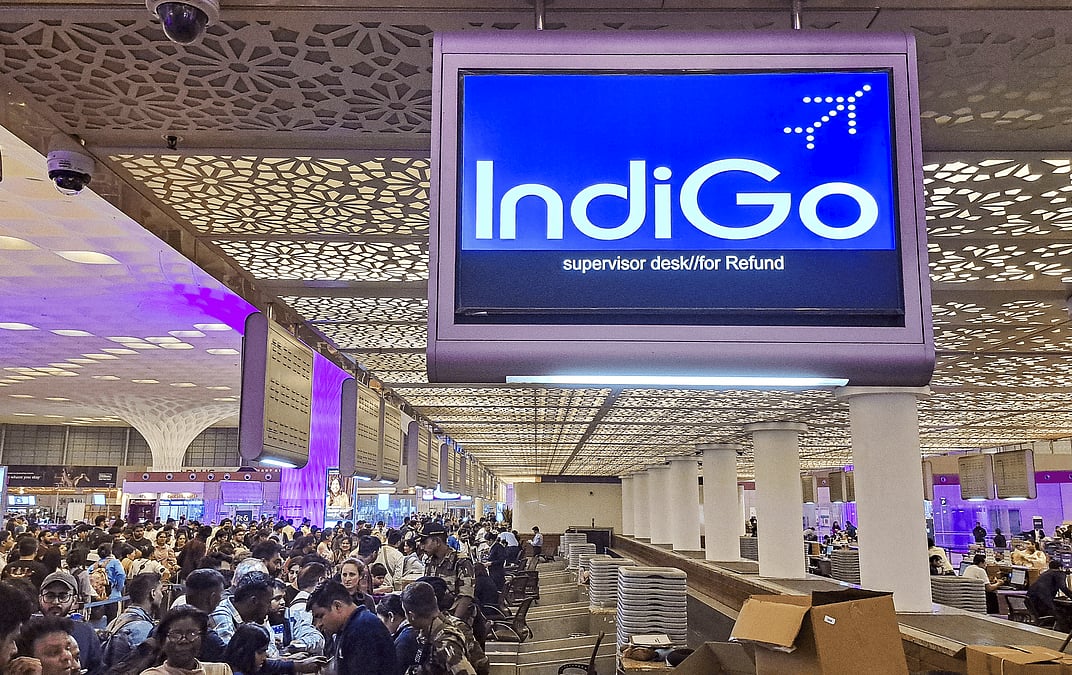
India's aviation sector is experiencing a critical operational disruption that extends far beyond a simple scheduling issue. The recent IndiGo crisis, which resulted in 385 flight cancellations on December 6, 2025, illuminates deeper structural challenges within the country's rapidly evolving transportation infrastructure.
Regulatory Complexity Meets Operational Strain: The root cause stems from new pilot rest and night flying regulations, highlighting the delicate balance between safety protocols and operational efficiency. With IndiGo being India's largest airline, this disruption isn't just an isolated incident but a systemic signal of the growing pains in India's aviation ecosystem.
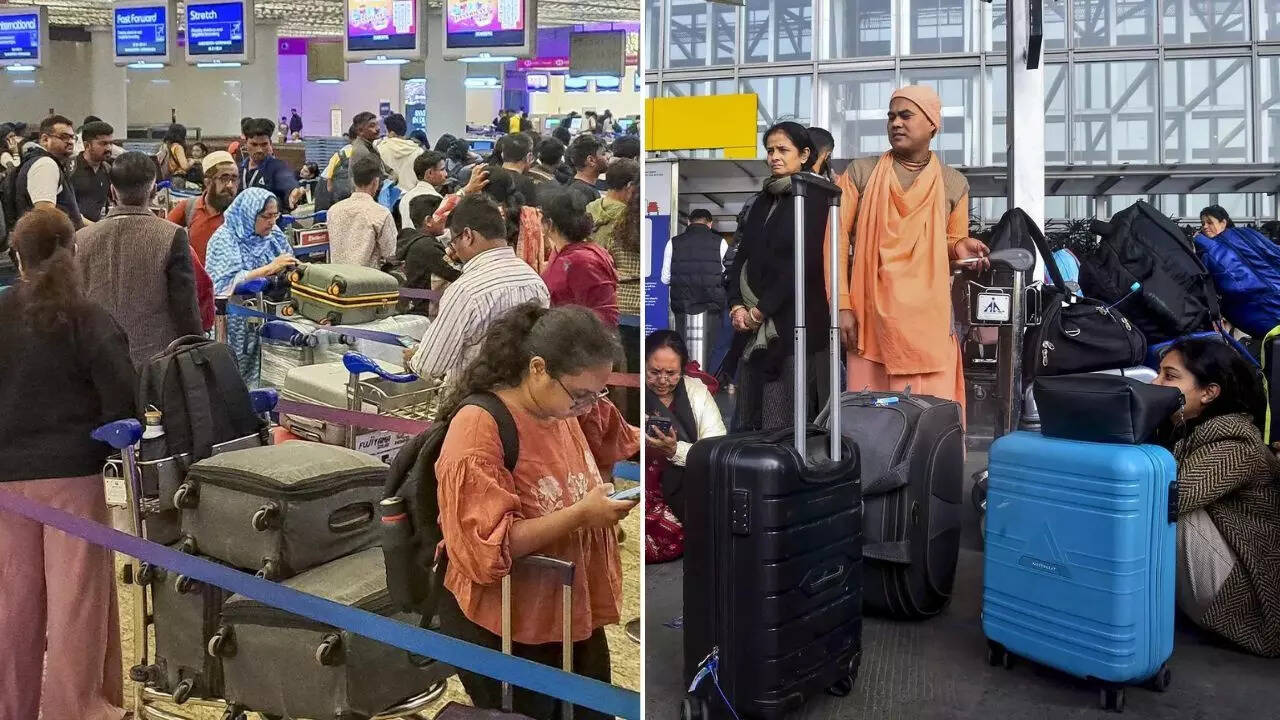
Strategic Logistics Implications: The government's immediate response—capping airline fares and providing passenger relief—demonstrates the critical intersection of regulatory intervention and market dynamics. Major airports in Bengaluru, Mumbai, Delhi, and Hyderabad became epicenters of this logistical challenge, revealing the cascading effects of a single airline's operational breakdown.
Supply Chain and Transportation Resilience: This event underscores the urgent need for more robust contingency planning in India's transportation network. For logistics professionals and businesses relying on air freight and passenger transportation, the IndiGo crisis serves as a critical wake-up call. It exposes vulnerabilities in scheduling, regulatory compliance, and emergency response mechanisms that can dramatically impact supply chain reliability.
The broader implications extend beyond immediate travel disruptions. This incident signals a pivotal moment for India's aviation sector, demanding more sophisticated operational frameworks, enhanced regulatory flexibility, and more resilient transportation infrastructure to support the country's ambitious economic growth trajectory.
Questions 3
What are the broader implications for logistics and transportation?
The incident highlights the critical need for more robust contingency planning, flexible regulatory frameworks, and enhanced operational resilience in transportation infrastructure. It demonstrates how regulatory changes can cascade into significant logistical disruptions.
What caused the massive flight cancellations by IndiGo?
The cancellations resulted from new pilot rest and night flying regulations, which created scheduling complexities for IndiGo. These regulatory changes exposed gaps in the airline's operational planning and compliance mechanisms.