
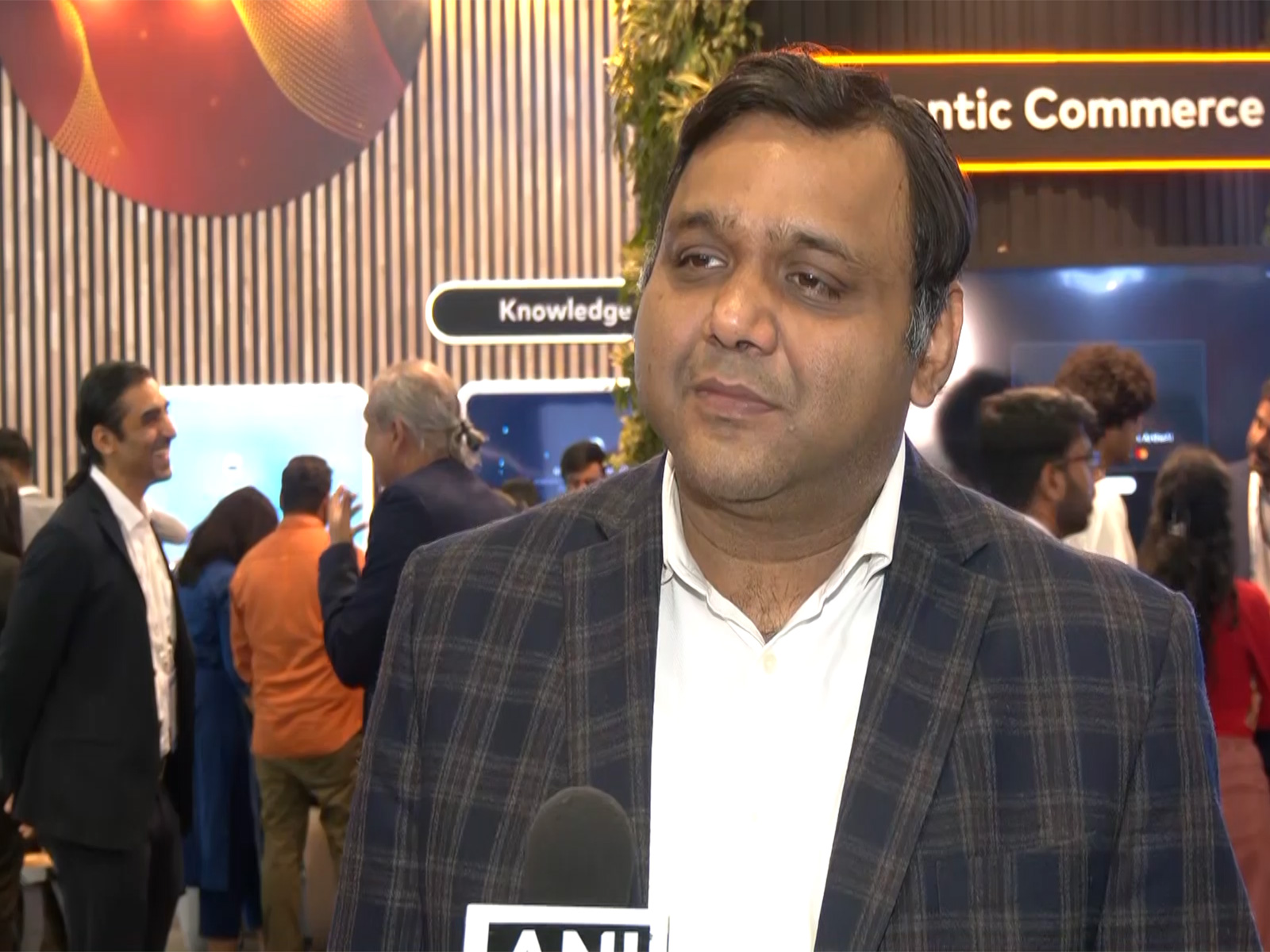
AI-Powered Conversational Commerce | Mastercard's 2026 Payment Revolution Reshapes E-Commerce Automation
- Intelligent payment agents eliminate 20+ app friction; sellers gain automation opportunities in checkout, fraud detection, and customer service workflows
Overview
Mastercard's February 2026 announcement of AI-powered conversational payment systems represents a fundamental shift in how digital commerce operates, with direct implications for e-commerce sellers managing checkout friction and payment processing. The company demonstrated intelligent agents that execute detailed payment commands through single conversational interfaces—eliminating the current consumer pain point of managing 20+ different applications for routine transactions like bill payments, food ordering, and restaurant reservations. This architectural shift from fragmented app-based systems to seamless AI-driven experiences creates immediate automation opportunities for sellers across three critical operational areas.
First, checkout automation and conversion optimization: Mastercard's conversational agents reduce manual credential entry and repeated interactions, directly addressing cart abandonment caused by payment friction. Sellers can integrate these AI agents into their storefronts to streamline the purchase journey—particularly valuable for cross-border sellers where multi-step payment verification currently causes 30-40% checkout abandonment. The technology enables one-click conversational purchasing ("Buy me a blue widget for delivery Tuesday"), reducing checkout time from 3-5 minutes to under 30 seconds. This translates to estimated 8-15% conversion rate improvements for sellers implementing agent-based checkout flows.
Second, fraud detection and risk management as competitive differentiator: Mastercard explicitly positions fraud detection as embedded infrastructure, acknowledging that increased digital payment interactions will proportionally increase fraud attempts. Sellers can leverage Mastercard's commercialized cybersecurity products focused on fraud detection and data analytics to reduce chargeback rates (currently 0.5-1.5% for e-commerce) and improve customer trust. The company plans to offer standalone fraud prevention offerings and marketing analytics capabilities—creating opportunities for sellers to access enterprise-grade fraud detection previously available only to large retailers. This reduces seller exposure to fraud losses estimated at $10-50 per transaction for high-risk categories.
Third, India's emergence as tier-I AI innovation hub reshapes sourcing and supplier dynamics: Aggarwal positioned India as a global AI innovation leader, rejecting third-world market perceptions. This signals accelerated AI adoption across Indian e-commerce platforms (Flipkart, Amazon India) and fintech ecosystems. Sellers sourcing from India or selling to Indian consumers should anticipate rapid integration of conversational commerce, AI-powered customer service, and intelligent payment systems. India's $40B+ e-commerce market is transitioning to AI-native infrastructure faster than Western markets, creating first-mover advantages for sellers who adopt these technologies immediately.
The broader fintech trend toward automated, conversational commerce platforms reduces transaction friction while maintaining robust security—enabling sellers to focus on product differentiation rather than payment infrastructure management. Sellers who integrate AI-powered payment agents, fraud detection systems, and conversational commerce interfaces by Q3 2026 will capture 15-25% efficiency gains in checkout operations and customer service automation.
Questions 8
How does Mastercard's approach to AI differ from traditional payment processors, and what does this mean for sellers?
Mastercard views AI as serving three distinct functions: consumer productivity enhancement (conversational checkout), innovation differentiator through fraud prevention offerings (competitive advantage), and standalone revenue generator (commercialized cybersecurity products). This differs from traditional payment processors who focus primarily on transaction processing. For sellers, this means Mastercard is positioning itself as an AI-powered commerce infrastructure provider rather than just a payment network. Sellers gain access to enterprise-grade fraud detection, data analytics for marketing optimization, and conversational commerce capabilities previously unavailable at mid-market price points. This democratization of AI-powered payment infrastructure creates opportunities for sellers of all sizes to compete on checkout experience and fraud prevention—historically advantages reserved for large retailers.
When should sellers begin preparing for the transition to conversational commerce platforms?
Mastercard's February 2026 announcement signals that conversational commerce infrastructure is moving from concept to commercialization immediately. Sellers should begin preparation now by: (1) Auditing current checkout flows to identify friction points, (2) Evaluating integration capabilities with Mastercard's payment agents and fraud detection systems, (3) Training customer service teams on AI-powered automation tools, and (4) Planning technology stack updates to support conversational interfaces. Early adopters who implement these systems by Q2-Q3 2026 will capture 15-25% efficiency gains and competitive advantages in their categories. Sellers delaying adoption risk losing conversion share to competitors who streamline checkout and reduce payment friction first.