




The $70 Billion Metaverse Lesson: Why AI is Now Tech's Only Highway
- Zuckerberg's Dramatic Shift Signals Massive Technological Realignment for Tech Investors















































































Overview
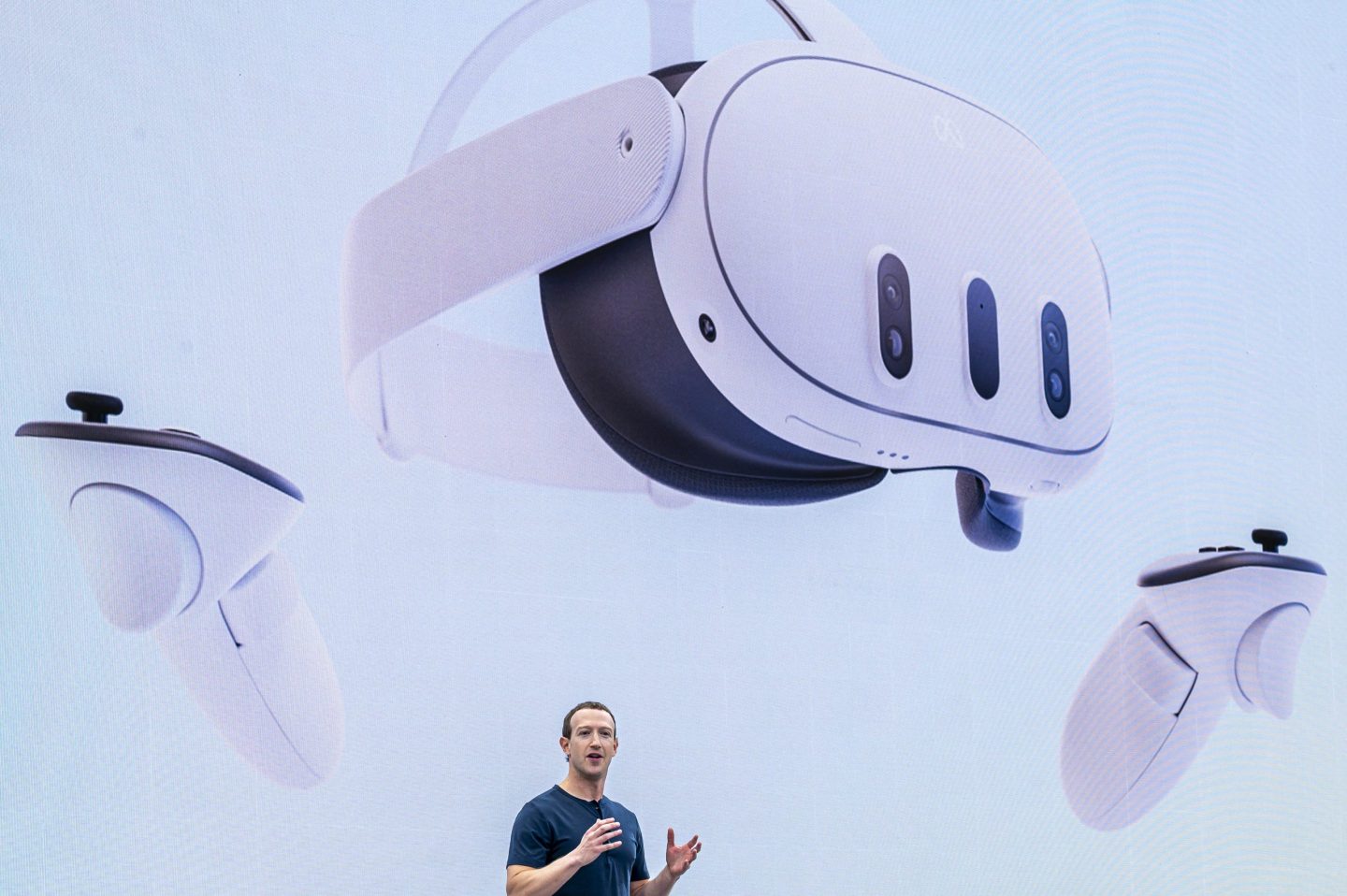
Meta's strategic transformation represents a pivotal moment in technological investment, where ambitious vision collides with harsh market realities. After pouring approximately $70 billion into the metaverse since 2021, Mark Zuckerberg is executing a dramatic strategic pivot that reveals profound insights about technological innovation and corporate adaptability.
The metaverse experiment's spectacular failure highlights critical lessons for technology investors and entrepreneurs. With only 38 people reportedly using Horizon Worlds in 2022 and Reality Labs posting massive quarterly losses approaching $4.4 billion, the virtual reality platform became a cautionary tale of overinvestment without market validation. Wall Street's positive response—with Meta's stock jumping over 4%—signals not just relief, but a broader recognition that AI represents the true frontier of technological opportunity.
Strategic resource reallocation emerges as the key narrative. By planning to cut the metaverse division's budget by approximately 30% and redirecting investments toward artificial intelligence, Meta is demonstrating a ruthlessly pragmatic approach to technological development. The company expects to spend around $72 billion on AI initiatives by 2025, including investments in data centers, model development, and new hardware. This isn't merely a budget adjustment—it's a fundamental reimagining of technological strategy.
The broader tech ecosystem is watching closely. Companies like OpenAI are similarly streamlining efforts, concentrating on core AI development. This collective pivot suggests an industry-wide recognition that artificial intelligence represents the most defensible technological moat. For entrepreneurs and investors, the message is clear: speculative technologies require rigorous market testing, and AI's proven capabilities make it the most compelling investment frontier.
Ultimately, Zuckerberg's metaverse retreat is less a failure and more a masterclass in corporate adaptability. By swiftly recognizing market signals and reallocating massive resources, Meta demonstrates the kind of strategic flexibility that separates enduring technology leaders from transient innovators.
Questions 3
Why did Meta abandon its metaverse strategy?
Meta discovered the metaverse lacked market traction, with only 38 users on Horizon Worlds and over $70 billion in losses. The minimal user engagement and substantial financial drain made continuing the strategy unsustainable, prompting a strategic pivot toward AI technologies with proven market potential.
How much is Meta investing in AI?
Meta plans to invest approximately $72 billion in AI initiatives by 2025, focusing on data centers, model development, and new hardware. This represents a massive commitment to establishing leadership in artificial intelligence technologies.