






Tiny Cars and Media Mergers: The Strategic Reshaping of American Industrial Policy
- Emerging regulatory shifts signal complex market transformation across automotive and media sectors












































































Overview
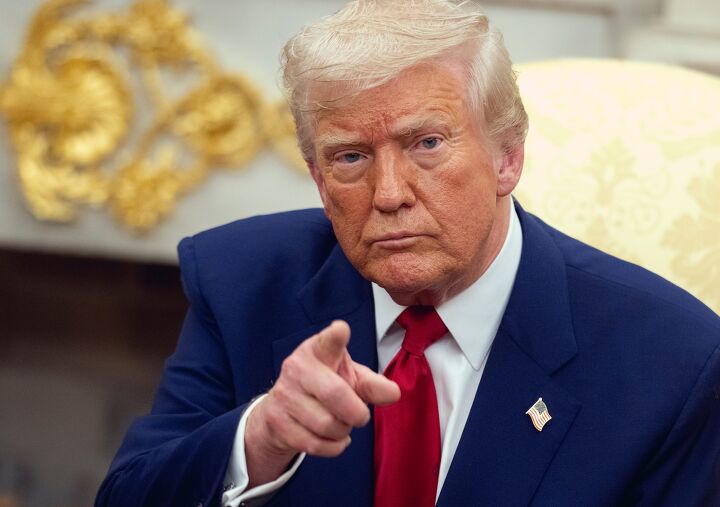
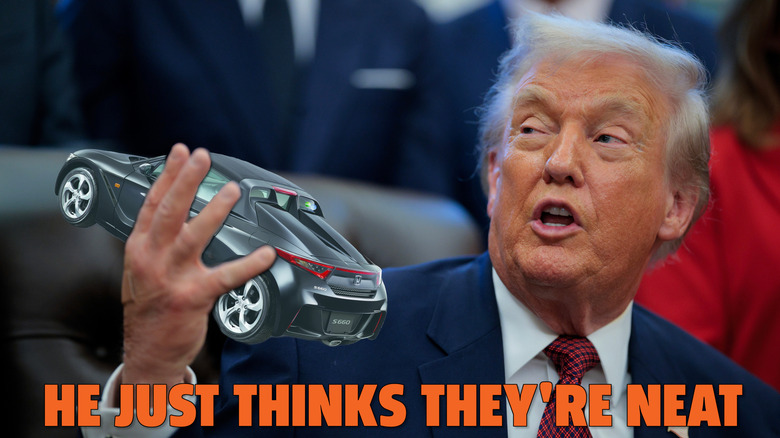
The convergence of automotive policy and media industry dynamics reveals a profound moment of strategic recalibration in American industrial landscapes. President Trump's unexpected endorsement of tiny cars represents more than a mere transportation policy—it's a calculated intervention into manufacturing, regulatory, and technological ecosystems.
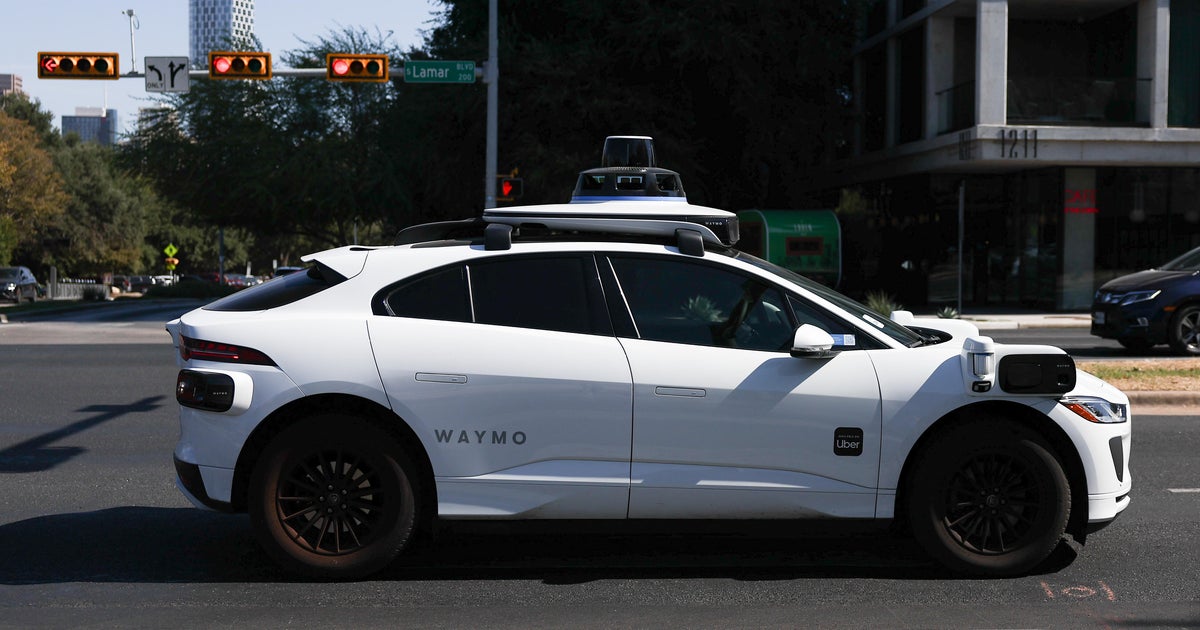
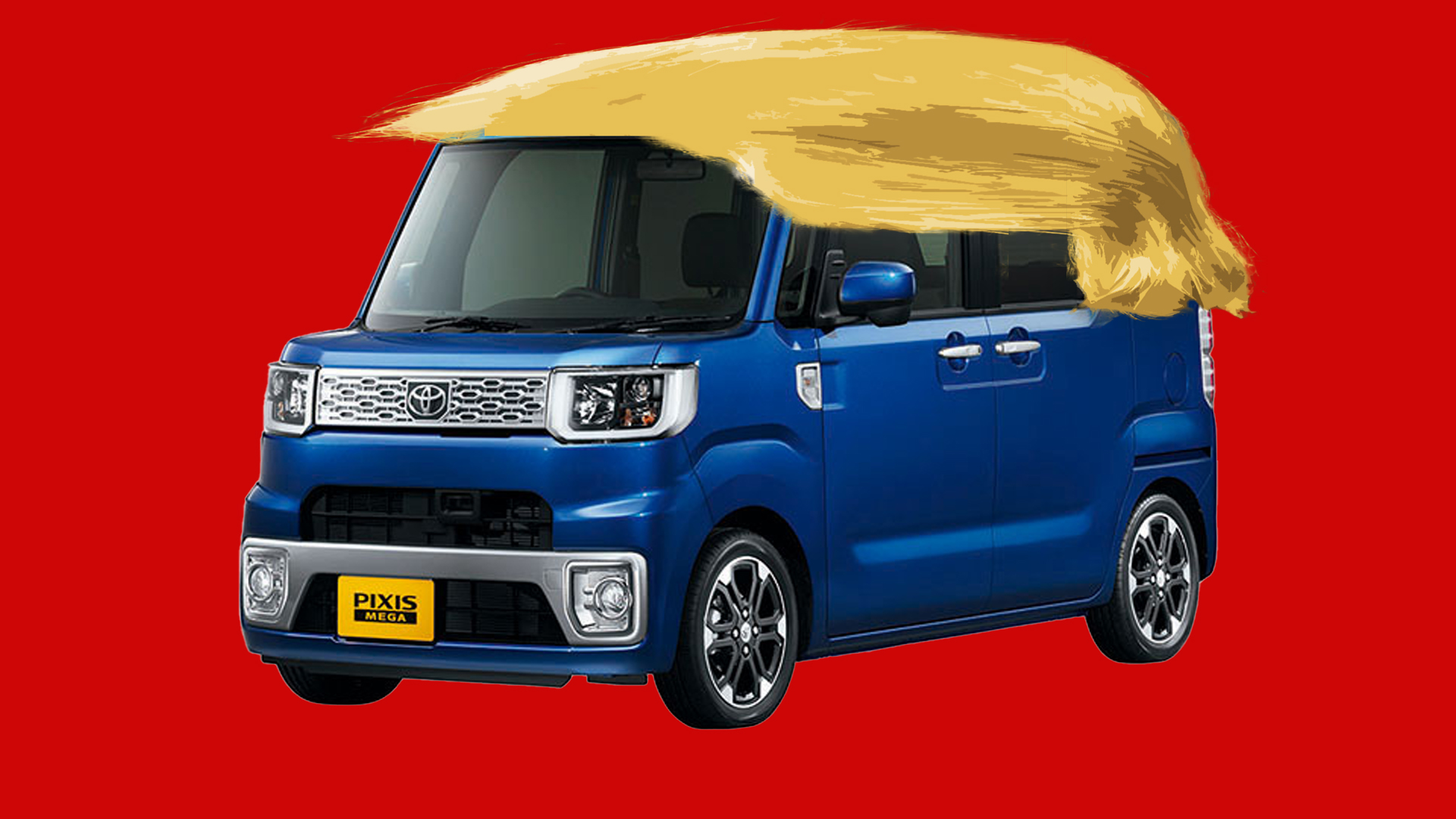
Kei car importation signals a nuanced geopolitical strategy, challenging existing automotive paradigms. By potentially allowing ultra-compact vehicles inspired by Japanese and Korean models, the proposal creates a remarkable regulatory arbitrage opportunity. These vehicles, representing approximately one-third of Japan's automotive market, could fundamentally disrupt U.S. transportation infrastructure. The initiative goes beyond simple vehicle introduction—it's a sophisticated attempt to rewrite fuel efficiency standards, potentially relaxing Biden-era regulations and creating new manufacturing pathways.
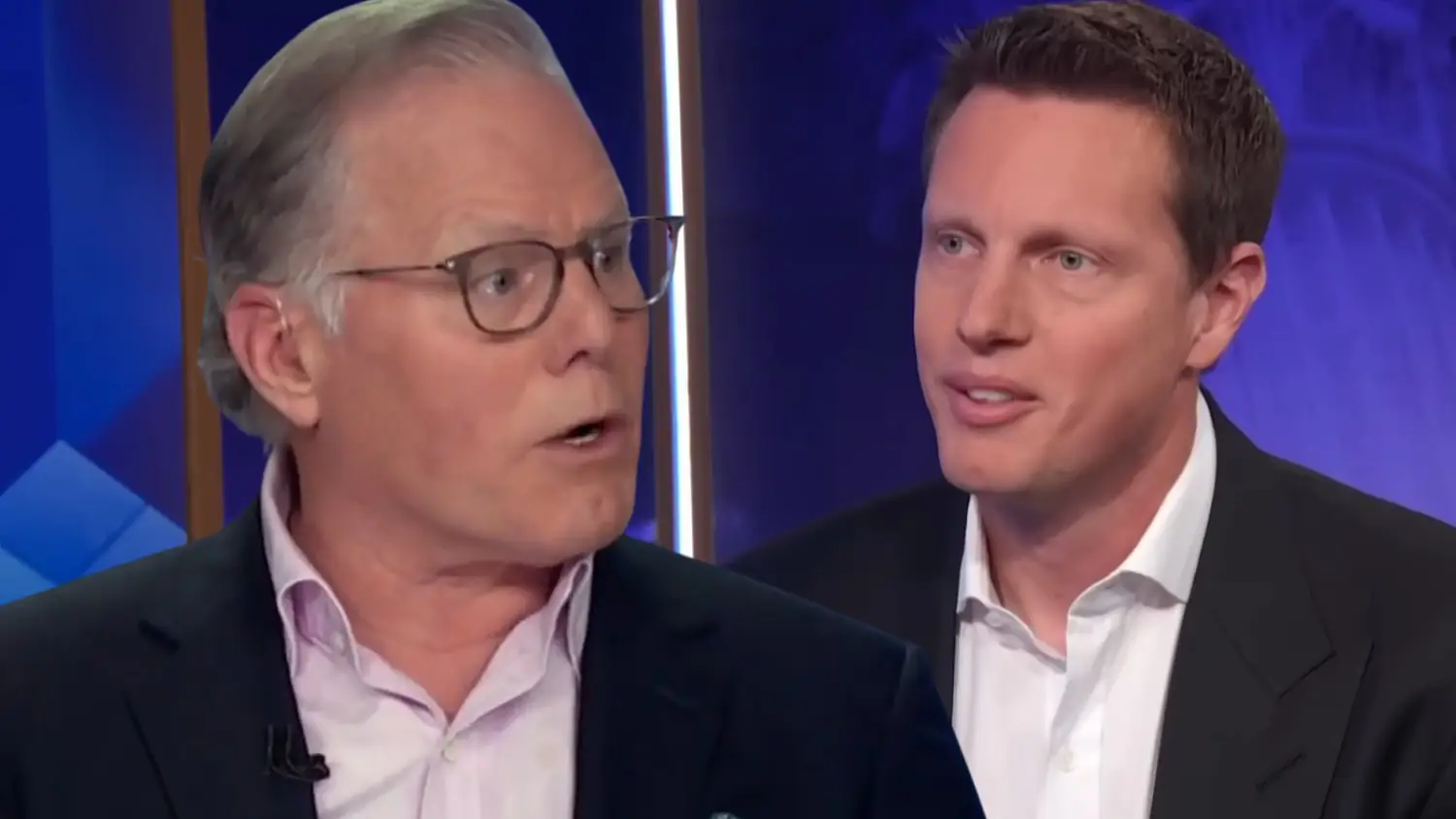
Simultaneously, the media sector demonstrates equally complex strategic maneuvering. Paramount's preemptive challenge to Netflix's potential Warner Bros. Discovery acquisition reveals a sophisticated understanding of regulatory landscape navigation. By raising antitrust concerns, Paramount is not merely blocking a merger but strategically positioning itself to influence industry consolidation dynamics.
The underlying pattern across these seemingly disparate domains is clear: strategic adaptation through regulatory reimagination. Whether through compact vehicle standards or media merger challenges, innovative actors are finding opportunities by reinterpreting existing regulatory frameworks. Manufacturers, media companies, and policymakers are engaged in a complex chess match where rule interpretation becomes as crucial as rule compliance.
For stakeholders, the key takeaway is the increasing importance of regulatory agility. Success will increasingly depend on the ability to anticipate, interpret, and strategically navigate evolving policy landscapes across industries.
Questions 3
What makes Trump's tiny car proposal strategically significant?
The proposal represents a sophisticated regulatory intervention that could reshape automotive manufacturing by introducing Kei-style vehicles, potentially relaxing fuel efficiency standards and creating new market entry points for international manufacturers.
How are media industry dynamics reflecting similar strategic complexity?
Paramount's preemptive challenge to the Netflix-Warner Bros. Discovery merger demonstrates a strategic approach to industry consolidation, using regulatory concerns as a competitive tool to influence market dynamics.