


Strait of Hormuz Tensions Spike Shipping Costs 8-15% for Cross-Border Sellers
- February 2026 military drills disrupt 31% of global seaborne crude flows, forcing sellers to reroute Asia-to-US shipments and absorb $200-500 monthly logistics premiums













Overview
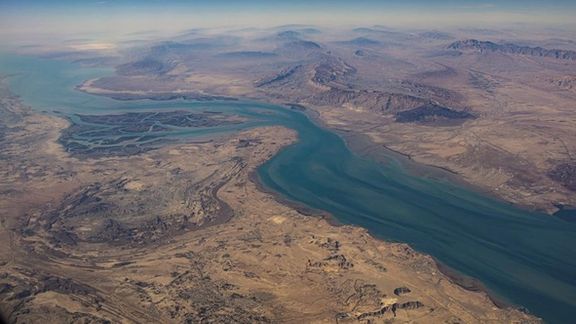
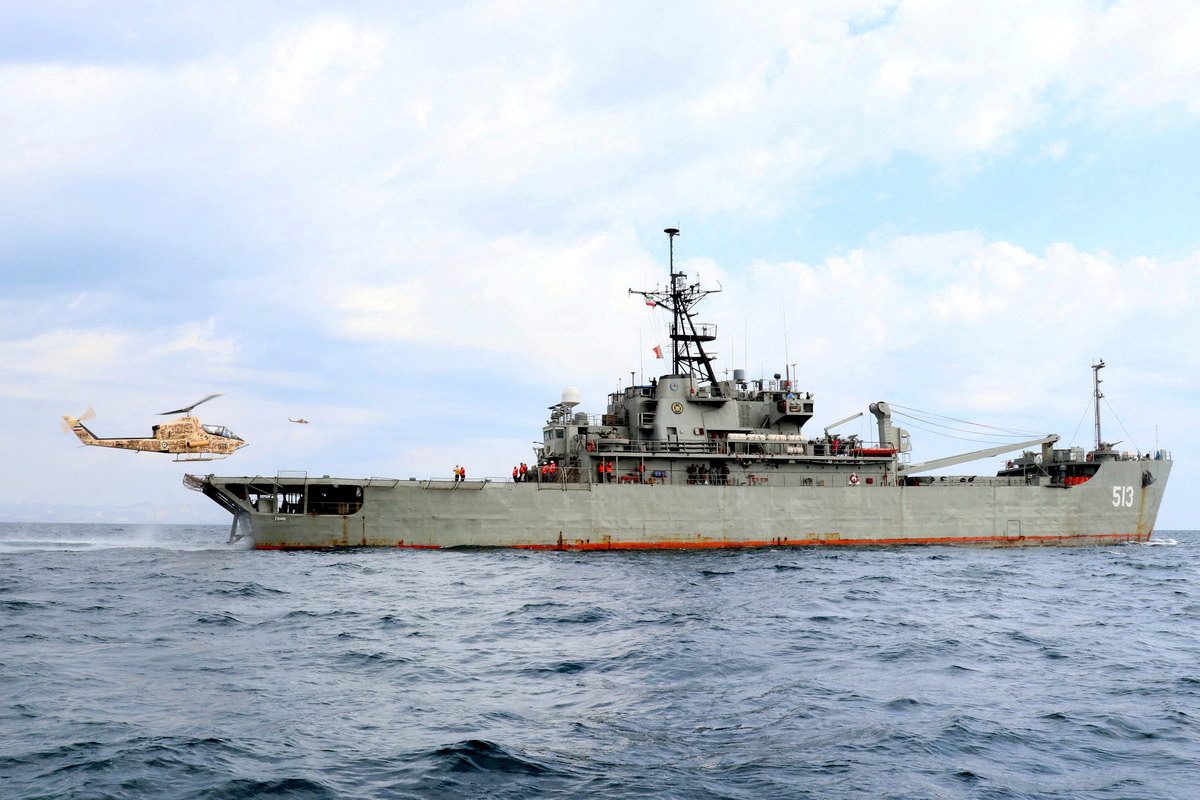
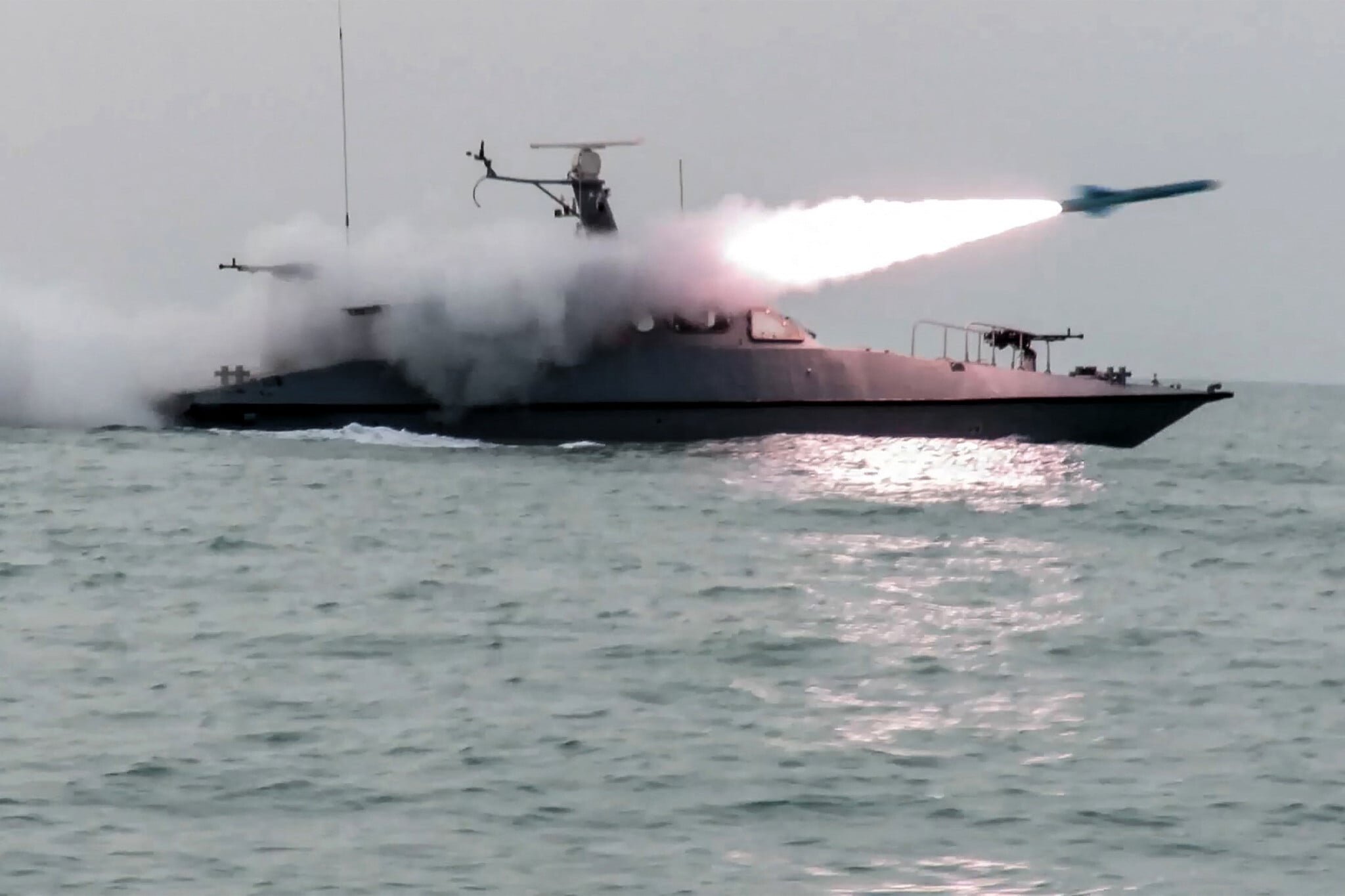
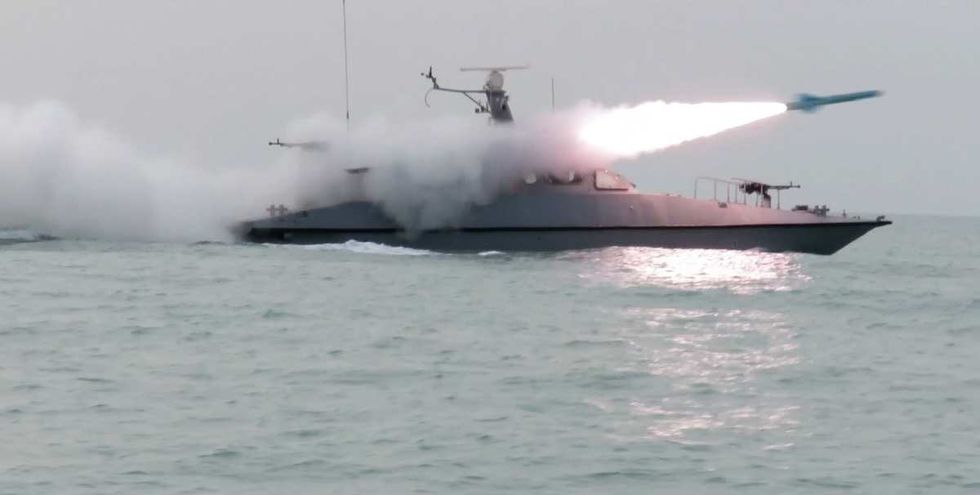
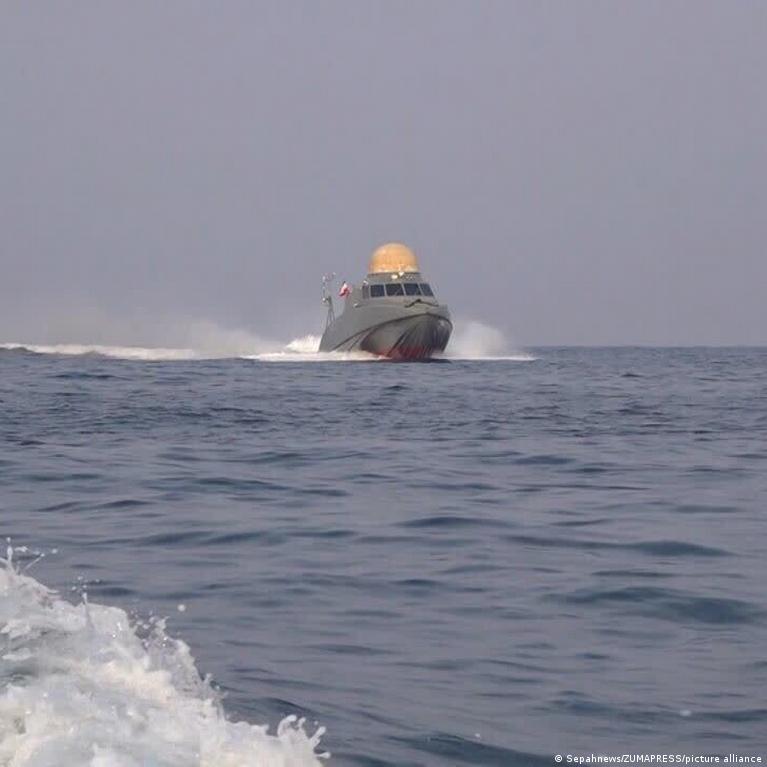
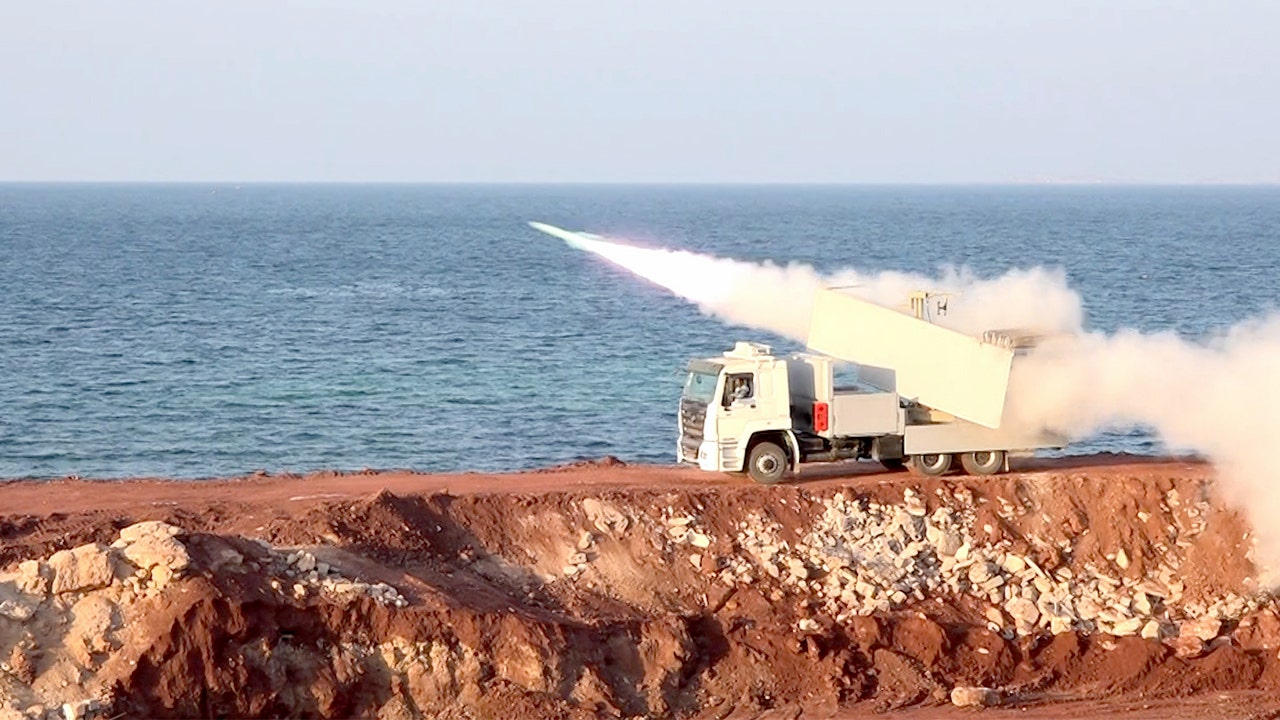
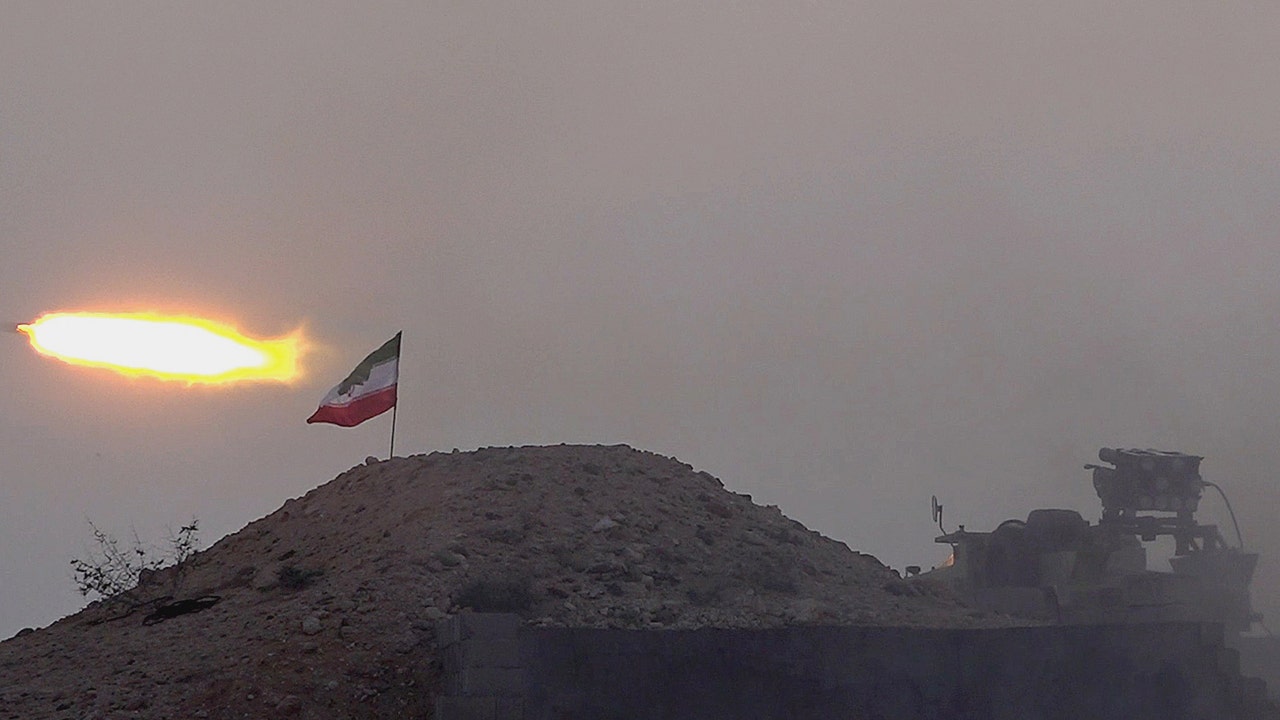
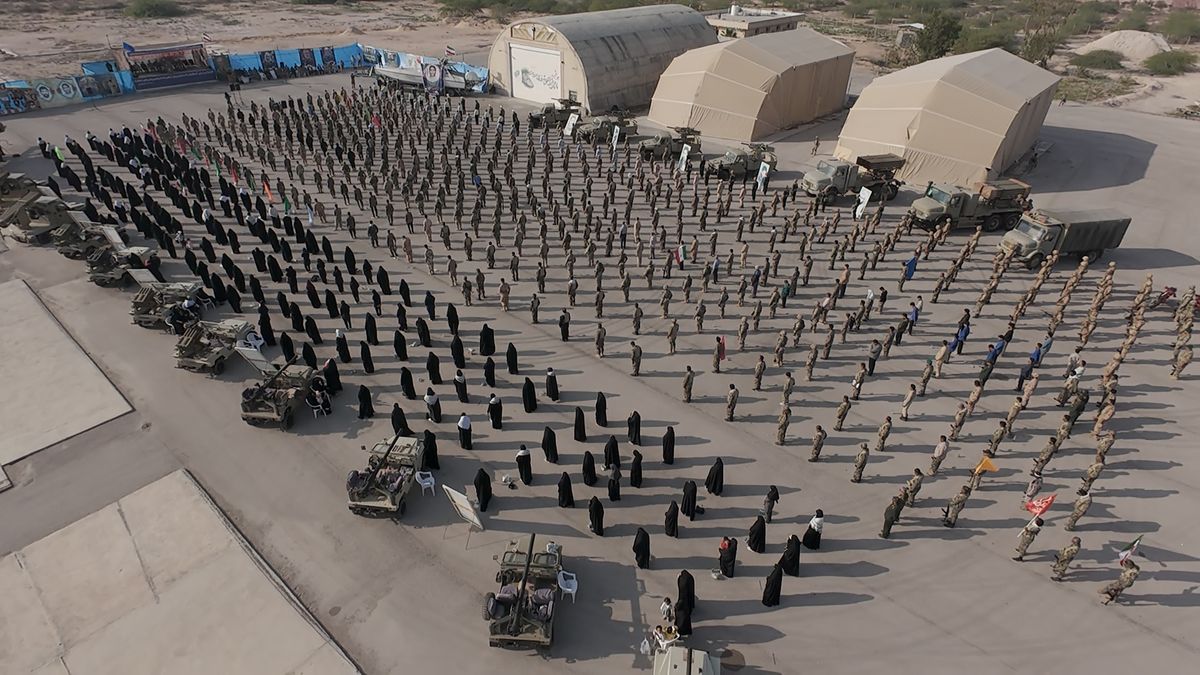
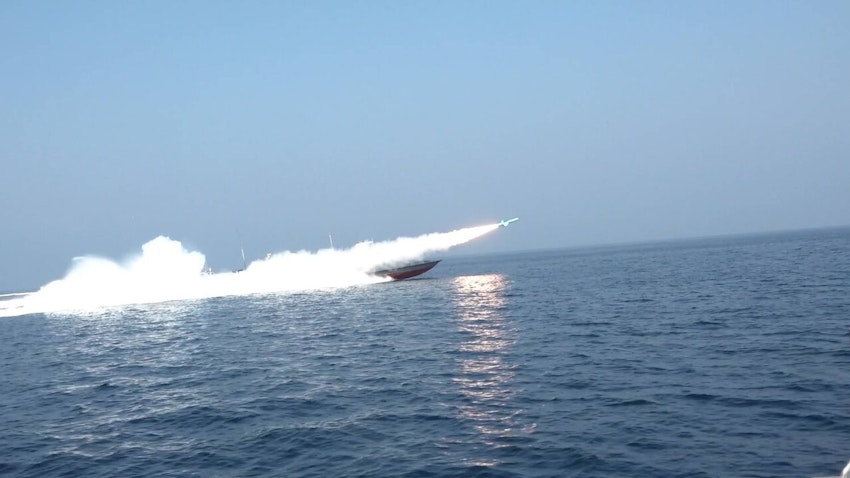
The Strait of Hormuz partial closure on February 17, 2026, during US-Iran nuclear negotiations represents a critical supply chain disruption for cross-border e-commerce sellers. Iran's "Smart Control of the Strait of Hormuz" military drills temporarily blocked one of the world's most critical maritime chokepoints, through which approximately 13 million barrels of crude oil transited daily in 2025—representing 31% of global seaborne crude flows. While Bimco (representing global shipowners) assessed the temporary closure would cause "minor nuisance" with shipping delays of several hours, the geopolitical volatility creates cascading cost pressures for sellers relying on Asia-Pacific sourcing and Middle Eastern market access.
Oil price volatility directly translates to logistics cost inflation across all seller segments. Brent crude futures (April delivery) fell 1.8% to $67.48/barrel and West Texas Intermediate futures (March delivery) declined 0.4% to $62.65 following the announcement, but the underlying risk premium persists. Historical precedent shows Strait of Hormuz tensions correlate with 8-15% increases in shipping insurance premiums and 3-7 day transit time extensions. For sellers shipping 500+ units monthly via ocean freight from Vietnam, India, or China to US/EU markets, this translates to $200-500 additional monthly logistics costs. Sellers with just-in-time inventory models face acute risk: any escalation beyond "minor drills" could trigger 2-3 week shipping delays, forcing emergency air freight at 4-6x ocean freight costs.
The negotiation timeline creates a critical decision window for sellers through Q2 2026. Trump administration envoys Steve Witkoff and Jared Kushner are conducting Geneva talks with Iranian Foreign Minister Abbas Araghchi, who expressed optimism about reaching "a sustainable agreement" but emphasized "more work remains." This diplomatic uncertainty means the Strait remains a potential flashpoint through at least March-April 2026. Sellers should immediately audit their supply chain: identify which product categories (electronics, apparel, home goods, automotive parts) transit the Strait, calculate exposure by sourcing country and destination market, and evaluate 3PL provider contingency plans. Categories with highest exposure include consumer electronics (HS codes 8471-8517), textiles (HS codes 6201-6217), and machinery (HS codes 8401-8483), which collectively represent $2.1 trillion in annual cross-border trade through this corridor. Strategic sourcing shifts toward Vietnam, India, and Mexico—which bypass the Strait entirely—could reduce exposure but require 4-6 week supplier qualification timelines.
Questions 8
How much will Strait of Hormuz tensions increase shipping costs for sellers?
Sellers shipping 500+ units monthly via ocean freight from Asia face $200-500 additional monthly logistics costs due to 8-15% shipping insurance premium increases and 3-7 day transit delays. For electronics and apparel sellers, this represents 2-4% margin compression on products with 15-25% gross margins. Brent crude futures fell 1.8% to $67.48/barrel during the February 17, 2026 closure announcement, but the underlying geopolitical risk premium persists through Q2 2026 negotiations. Sellers should immediately audit their supply chain exposure by HS code and sourcing country to quantify impact.
What shipping insurance premium increases should sellers expect?
Historical precedent shows Strait of Hormuz tensions correlate with 8-15% shipping insurance premium increases. For sellers shipping $100,000 monthly in goods via ocean freight, this translates to $800-1,500 additional monthly insurance costs. Bimco (representing global shipowners) assessed the February 2026 closure would cause 'minor nuisance' with shipping delays of several hours, but the underlying geopolitical volatility persists. Sellers should obtain updated insurance quotes from their freight forwarders by March 15, 2026, and budget for sustained premium increases through Q2 2026 negotiations.