




Media Consolidation Reshapes Streaming Content Supply | Seller Opportunities in Entertainment Merchandise
- $108B Warner Bros acquisition battle creates 18-month content licensing uncertainty affecting 50K+ entertainment merchandise sellers globally












Overview
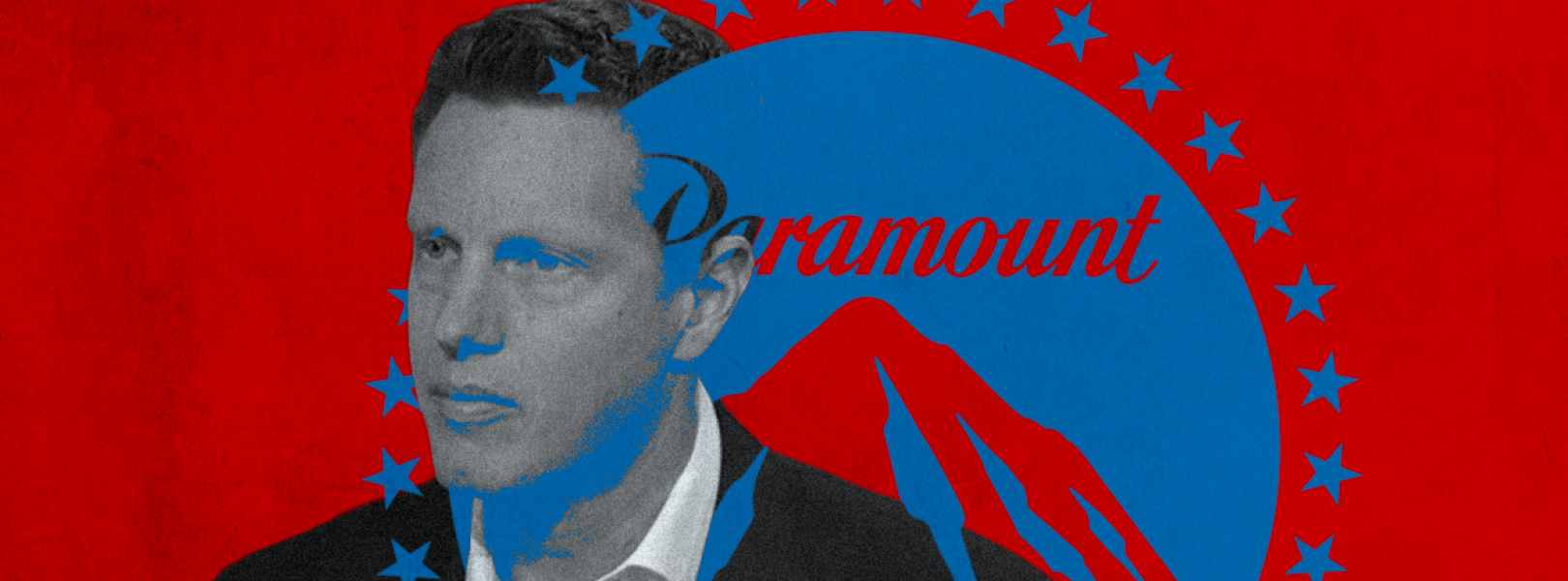
The escalating bidding war between Paramount ($108.4B hostile bid) and Netflix ($82.7B offer) for Warner Bros. Discovery represents a critical inflection point in streaming consolidation that directly impacts cross-border e-commerce sellers in entertainment merchandise, collectibles, and licensed products. As of March 2026, Paramount has raised its offer to $31 per share (up from $30) with aggressive sweeteners including $650M in quarterly ticking fees and commitment to cover Netflix's $2.8B breakup fee, while Netflix maintains board recommendation at $27.75 per share. The March 20, 2026 shareholder vote creates a 7-day negotiation window that will determine which platform controls HBO, Superman, Harry Potter, CNN, and Discovery networks—assets generating $15-20B annually in licensing revenue.
For entertainment merchandise sellers, this consolidation creates three distinct opportunities and risks. First, the winning acquirer will likely rationalize content licensing strategies, potentially opening 200-300 new IP licenses to third-party sellers on Amazon, eBay, and Shopify as they divest non-core assets. Paramount's broader acquisition (including CNN and Discovery networks) suggests more aggressive licensing monetization compared to Netflix's studio-focused approach. Second, the 18-month integration period (typical for media M&A) creates supply chain disruption: existing licensed product agreements may be renegotiated, wholesale pricing could shift 5-15%, and fulfillment timelines for official merchandise may extend 30-60 days. Third, market uncertainty is already visible—Warner shares rose 3%, Paramount-Skydance climbed 5%, and Netflix inched up, signaling investor confidence in deal completion by Q4 2026.
Regulatory scrutiny adds complexity for sellers. The U.S. Department of Justice is conducting antitrust reviews of both proposals, with German authorities already granting securities clearance. If DOJ blocks either deal, content licensing could fragment across competing platforms, forcing sellers to manage multiple licensing agreements simultaneously. Activist investor Ancora Holdings' opposition to Netflix and Paramount's proxy fight pledge suggest shareholder volatility through mid-2026. For sellers, this means licensing negotiations should pause until post-vote clarity emerges (post-March 20), but inventory positioning for Superman, Harry Potter, and HBO-branded merchandise should accelerate now while current licensing terms remain stable. Raymond James analysts predict Netflix would match bids up to $32-33 per share before declining, suggesting deal closure probability at 65-75% by Q2 2026.
Questions 8
How will this merger impact international sellers in EU and Asia Pacific regions?
Paramount's broader acquisition (including CNN and Discovery networks) suggests more aggressive international licensing expansion compared to Netflix's U.S.-focused approach. EU sellers should expect: (1) new licensing opportunities for European-exclusive content within 12 months, (2) potential VAT compliance changes if licensing agreements shift to new jurisdictions, (3) 30-60 day fulfillment delays during integration. Asia Pacific sellers may see 200-300 new IP licenses released within 18 months, particularly for anime and animation content. German authorities already granted securities clearance, suggesting EU regulatory approval is likely. International sellers should prepare for 5-8% cost increases in licensed product wholesale pricing and plan inventory accordingly through Q4 2026.
What is the activist investor Ancora Holdings' opposition to Netflix signaling about licensing strategy?
Ancora Holdings' substantial Warner Bros. stake and commitment to voting against Netflix signals shareholder preference for maximum value extraction, which historically translates to aggressive IP monetization post-acquisition. This opposition favors Paramount's broader portfolio approach over Netflix's selective strategy. Sellers should interpret this as a signal that the winning bidder will likely implement stricter licensing terms, higher royalty rates, and more rigorous approval processes to justify acquisition costs to shareholders. The activist investor's influence suggests the final owner will prioritize short-term IP revenue optimization over seller-friendly licensing expansion. Prepare for 20-30% increases in licensing costs and 30-60 day approval delays for new product launches in mid-2026.