




AI-Powered Software Updates Redefine User Experience Across Gaming and Automotive Platforms
- Intelligent Platform Upgrades Signal a New Era of Personalized Digital Interaction






































Overview
The convergence of AI-driven software updates is transforming user experiences across diverse digital platforms, revealing a critical trend of intelligent, personalized technological enhancement. In December 2025, two seemingly disparate domains—gaming and automotive technology—demonstrate remarkable parallels in how software can dynamically reshape user interactions.
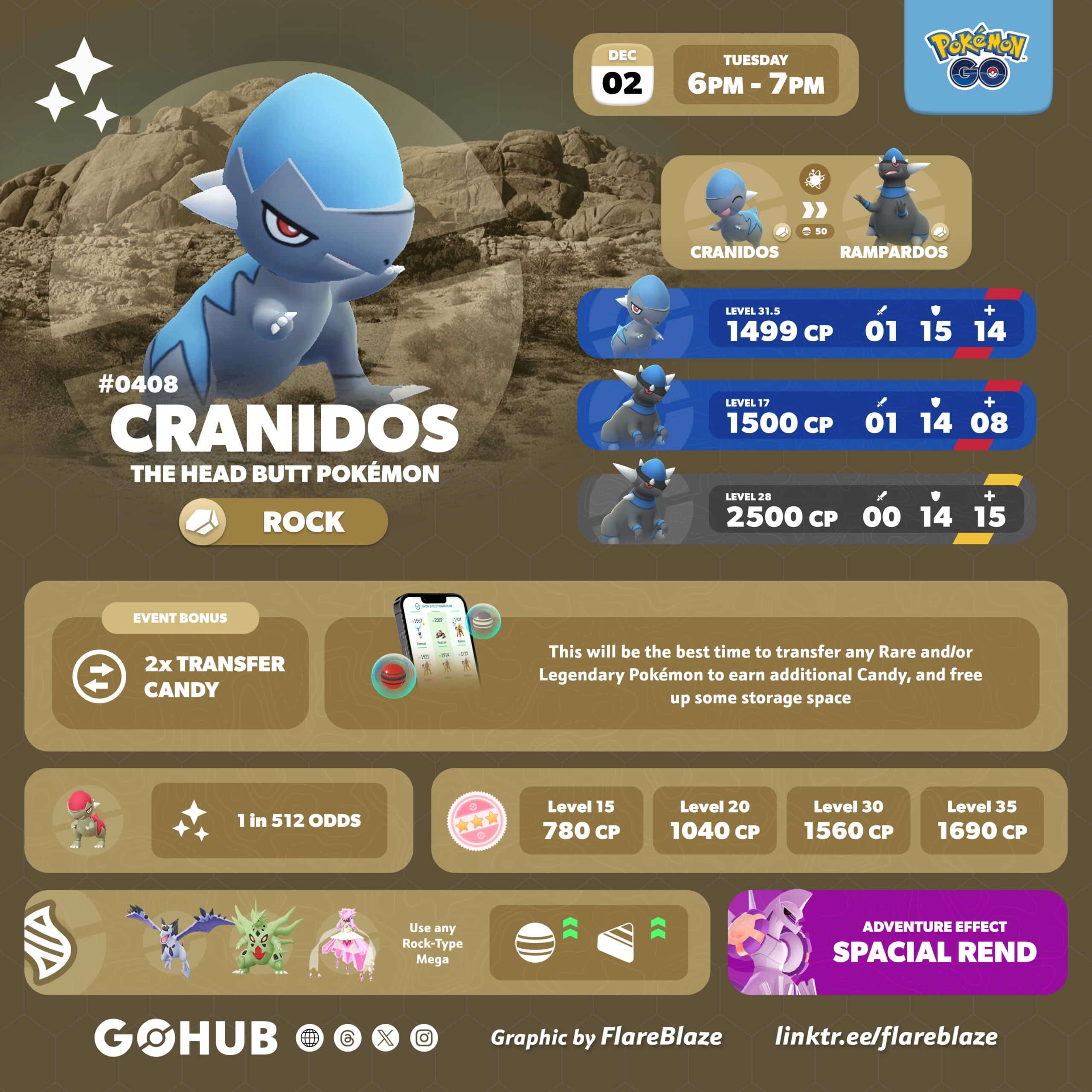
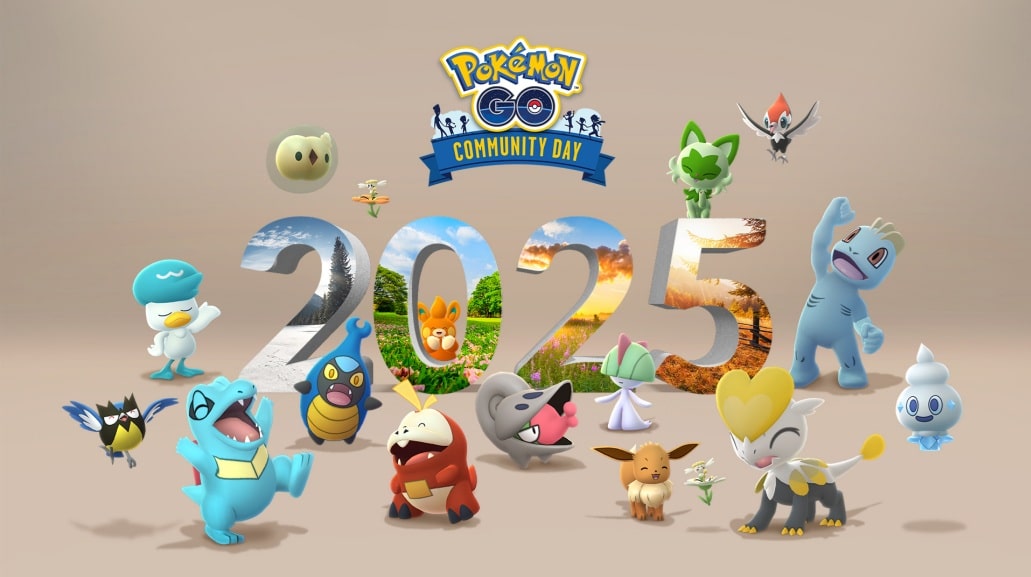
Pokémon GO's Community Day events showcase a sophisticated approach to digital engagement, where carefully curated gameplay mechanics create time-limited, high-value experiences. The December 2025 event strategically manipulates game dynamics through increased spawn rates, reduced evolution requirements, and special trading bonuses—essentially using algorithmic design to maintain player excitement and participation.
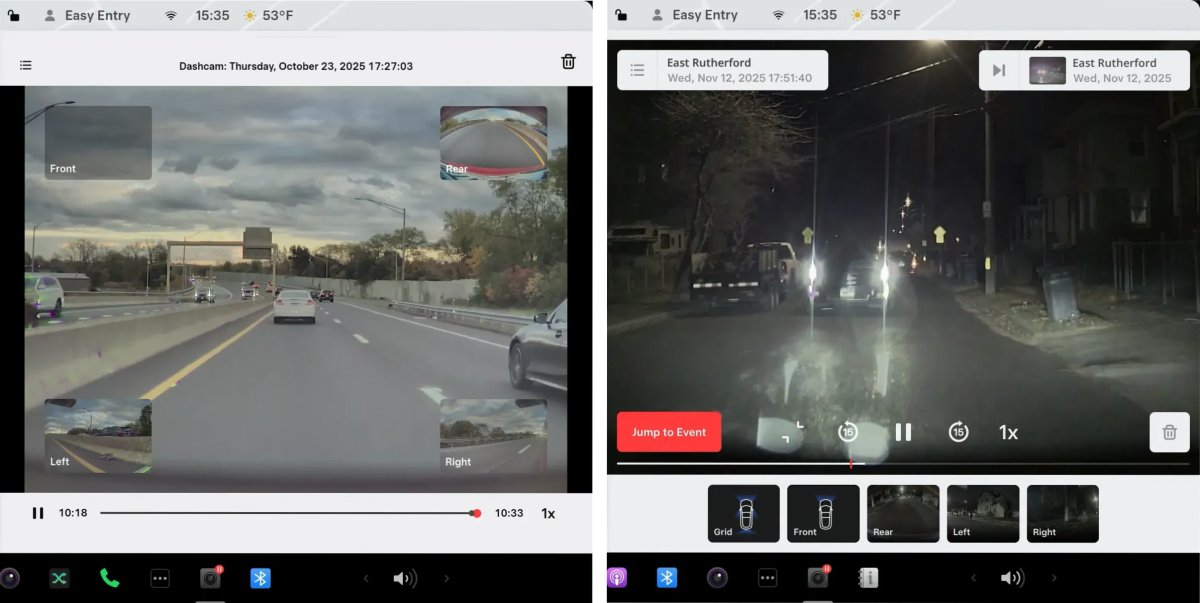
Simultaneously, Tesla's Holiday Update represents a more direct manifestation of AI-powered personalization. The introduction of Grok AI navigation commands signals a profound shift in how intelligent systems can transform vehicle interfaces. By allowing users to add and edit destinations through natural language interactions, Tesla is not just updating software—it's reimagining the human-machine relationship.
The common thread between these updates is intelligent adaptability. Both platforms demonstrate how AI can create more responsive, context-aware experiences. For Pokémon GO, this means dynamically adjusting gameplay to maintain player engagement. For Tesla, it means creating more intuitive, conversational vehicle interfaces through AI integration.
Critically, these updates reveal a broader technological trend: software is no longer static. Instead, it has become a living, breathing ecosystem that learns, adapts, and personalizes itself in real-time. The Grok AI integration in Tesla's update, with features like 3D Supercharger site maps and automatic HOV lane routing, exemplifies how AI can transform mundane interactions into intelligent, predictive experiences.
The implications extend far beyond gaming and automotive sectors. This trend suggests that future digital platforms will increasingly rely on AI to create more nuanced, context-aware user experiences. Companies that can seamlessly integrate intelligent adaptability into their software will gain significant competitive advantages.
Questions 3
How do gaming and automotive platforms demonstrate similar technological trends?
Both Pokémon GO and Tesla use AI to create more engaging, personalized experiences. They dynamically adjust user interactions through intelligent algorithms, showing how software can become more responsive and context-aware.
How are AI-powered software updates changing user experiences?
AI-powered updates are creating more personalized, adaptive experiences by dynamically adjusting interfaces, predicting user needs, and providing context-aware interactions. Examples include Tesla's Grok AI navigation and Pokémon GO's event-specific gameplay mechanics.