


Penn State's Strategic Coaching Overhaul Signals Program Transformation
- Athletic leadership makes bold move to reset football program's competitive trajectory




































































.jpg?w=3800&h=2000)














.jpg?w=3800&h=2000)


































Overview
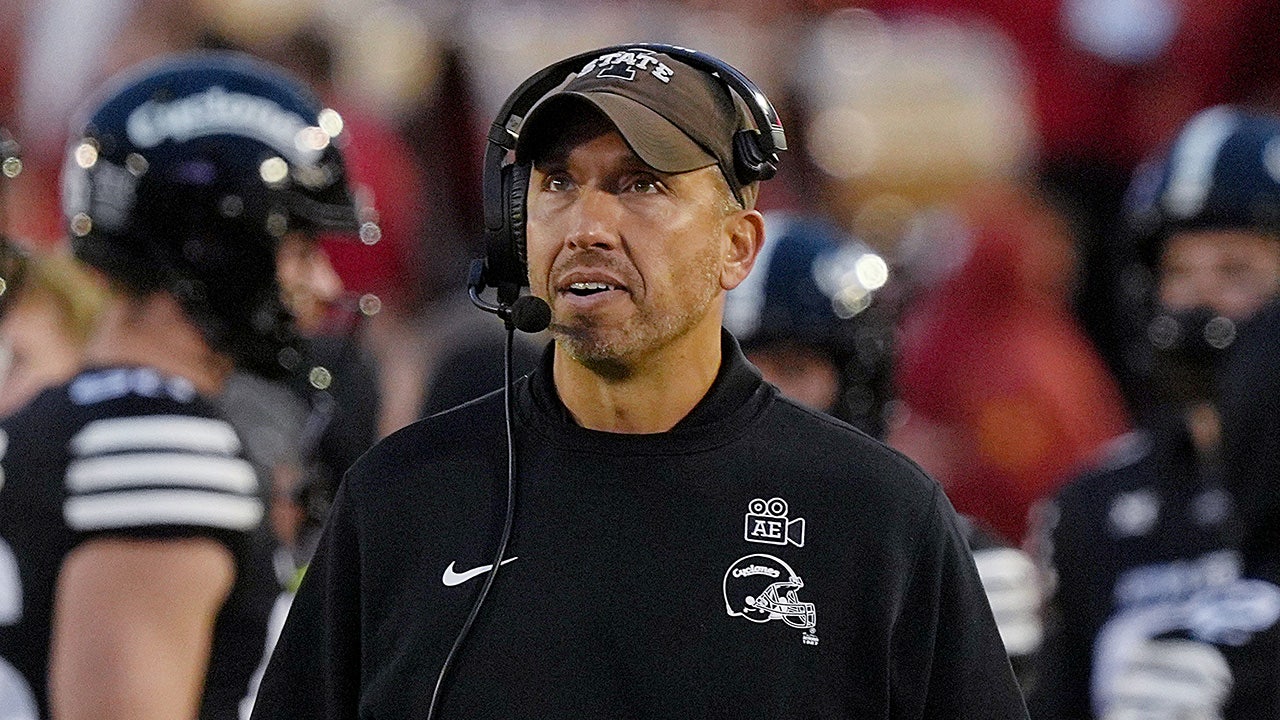
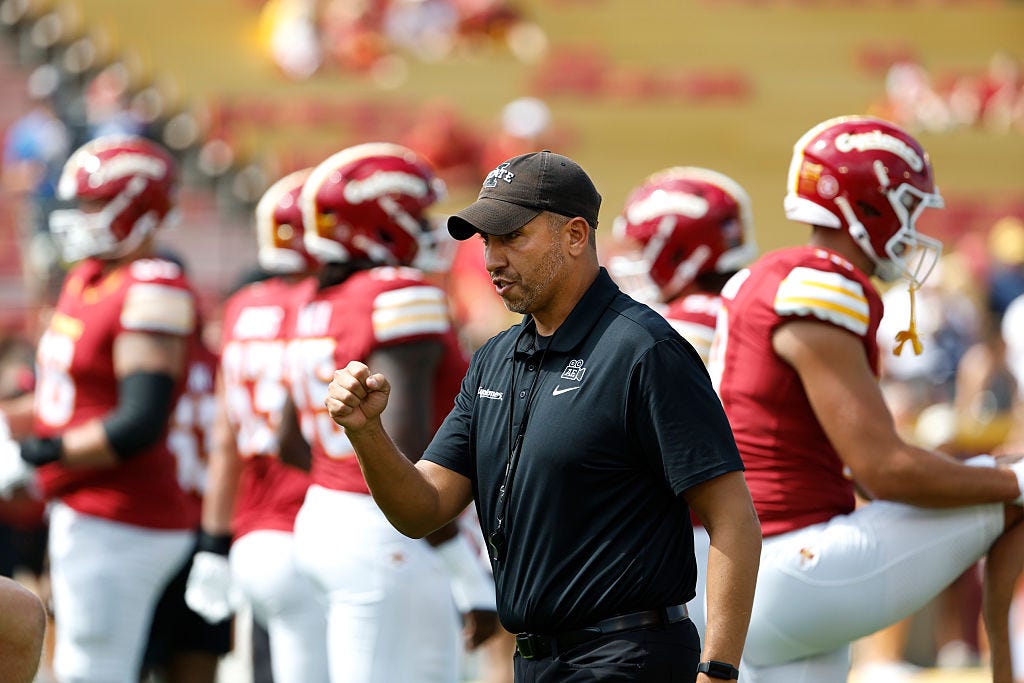
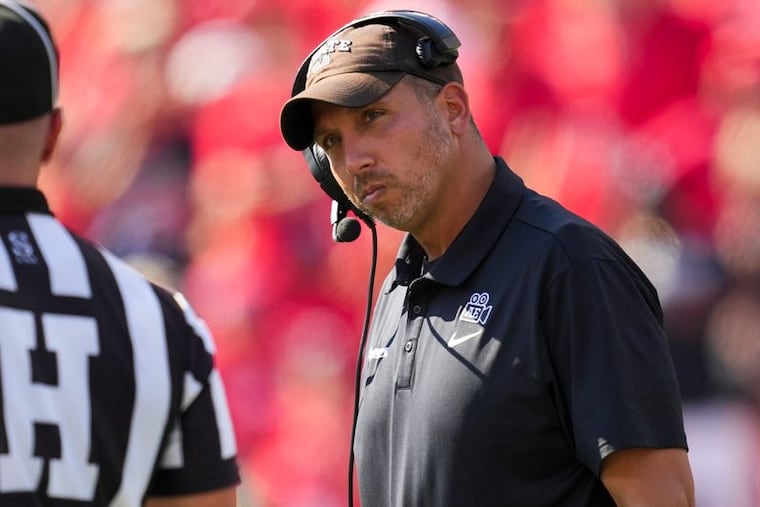
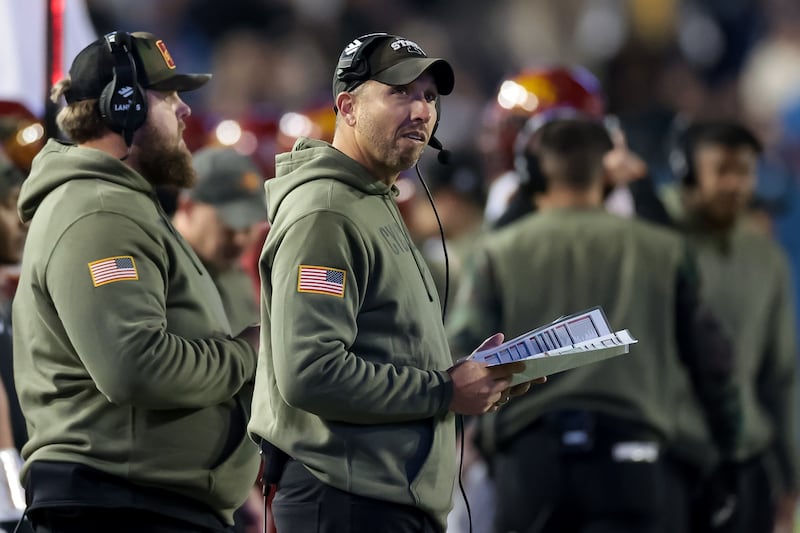
The Penn State football program is experiencing a critical inflection point with the high-profile hiring of Matt Campbell as head coach, marking a decisive moment in the team's strategic repositioning. Campbell's arrival, secured through an eight-year contract, represents more than a routine coaching change—it's a calculated institutional reset following James Franklin's unexpected midseason departure.
Strategic Coaching Transition Signals Deeper Transformation: The lengthy and deliberate search process conducted by Athletic Director Pat Kraft suggests a methodical approach to program reconstruction. Campbell, previously successful at Iowa State, brings a proven track record of building competitive football ecosystems, indicating Penn State's commitment to not just replacing leadership, but fundamentally reimagining its competitive strategy.
Institutional Accountability and Performance Expectations: The decision to replace Franklin after an underperforming season demonstrates the university's high-performance culture. By selecting Campbell—a coach known for developing talent and implementing robust systems—Penn State is signaling its intent to return to national football prominence. The eight-year contract length further underscores the program's long-term vision, providing Campbell with both stability and clear expectations for program transformation.
The coaching transition reveals a nuanced organizational approach: rather than a reactive replacement, this appears to be a carefully orchestrated strategic realignment. Campbell's hiring suggests Penn State is not just seeking immediate competitive improvement, but a comprehensive reimagining of its football identity and performance infrastructure.
Questions 3
Why did Penn State decide to replace James Franklin?
Penn State replaced James Franklin due to unexpected performance decline and a need for strategic program reset. The midseason dismissal indicated institutional dissatisfaction with the team's competitive trajectory and a desire for transformative leadership.
What makes Matt Campbell a strategic hire for Penn State?
Matt Campbell brings a proven track record of program building from Iowa State, demonstrating ability to develop talent and implement robust competitive systems. His eight-year contract suggests Penn State views him as a long-term strategic architect for football program transformation.