



Sports Expectations and Strategic Humility in High-Stakes Competitions
- Navigating Performance Pressures in Elite Athletic Showcases








































































































Overview
The intersection of sports commentary and competitive expectations reveals a nuanced landscape of strategic preparation and media narrative management. Competitive dynamics in high-profile sporting events are increasingly defined not just by athletic performance, but by the psychological management of external expectations and internal team confidence.
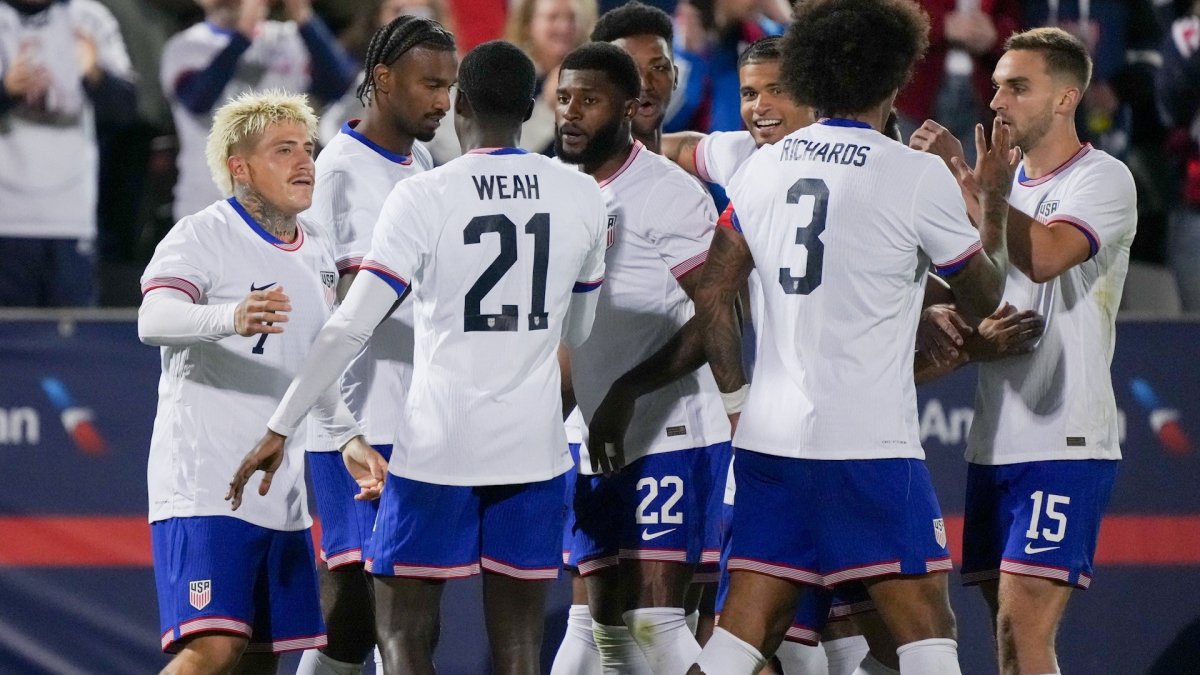
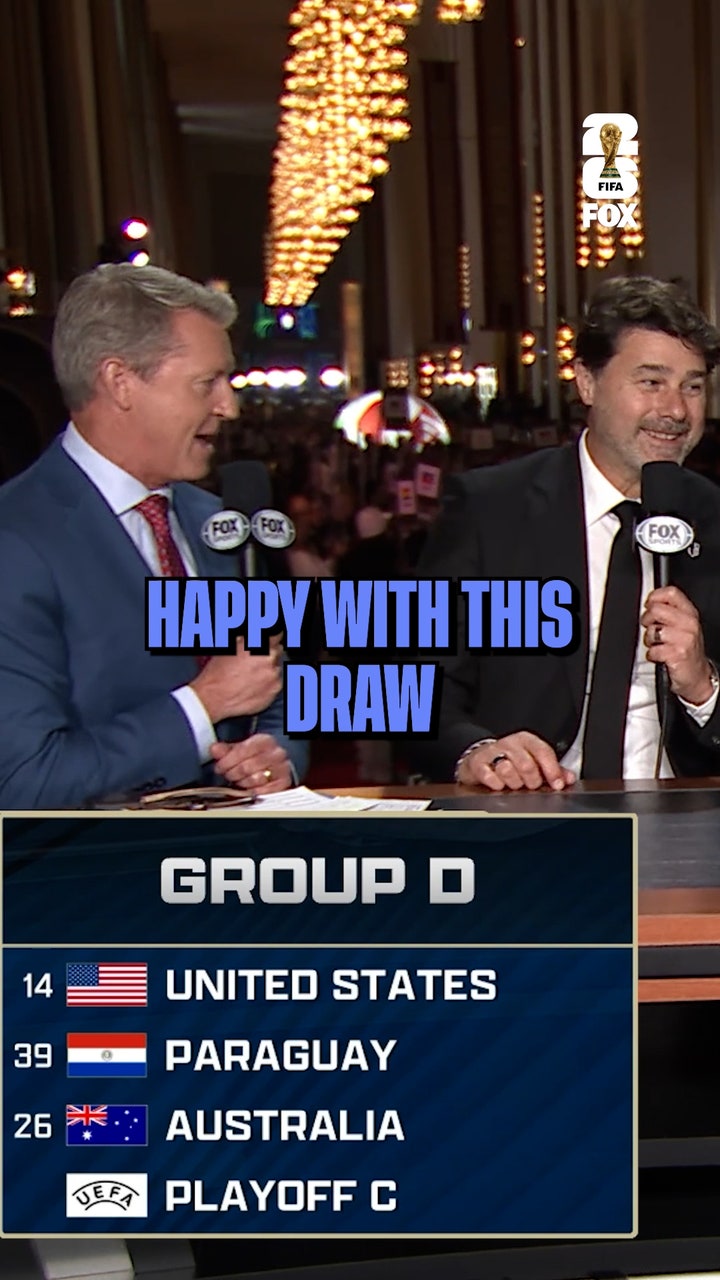
Expectation management emerges as a critical strategic element, exemplified by Mauricio Pochettino's measured response to Alexi Lalas' commentary about the US World Cup team. Pochettino's approach demonstrates a sophisticated understanding that public narratives and media predictions can create unproductive pressure on athletes. By pushing back against presumptive advancement claims, he signals a deeper strategic wisdom: respecting opponents and maintaining a grounded perspective is crucial for peak performance.
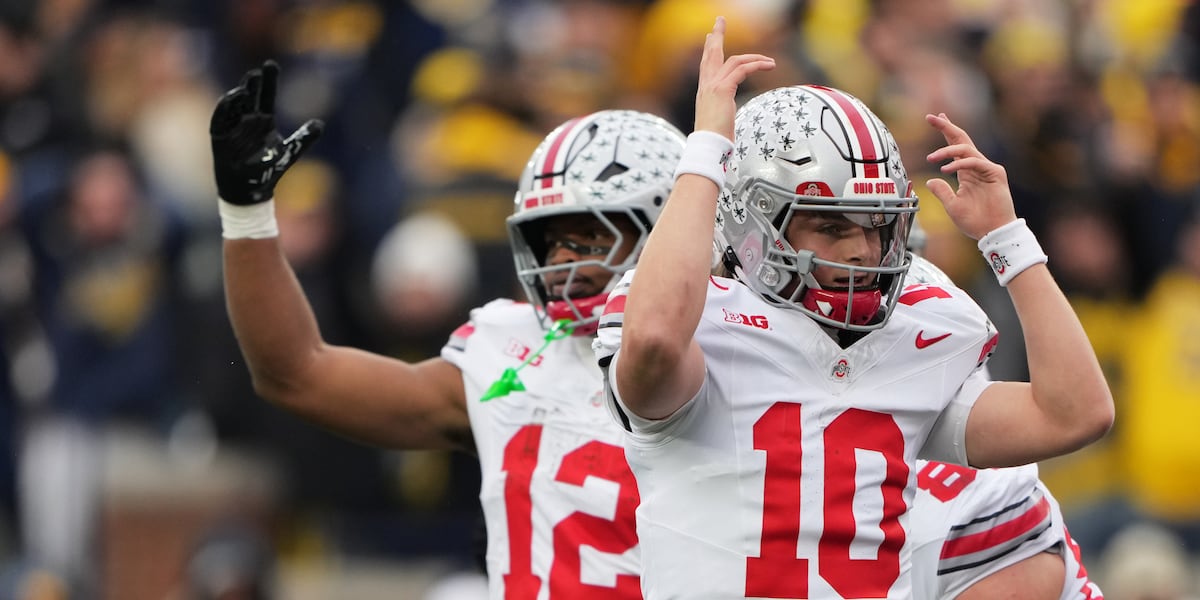
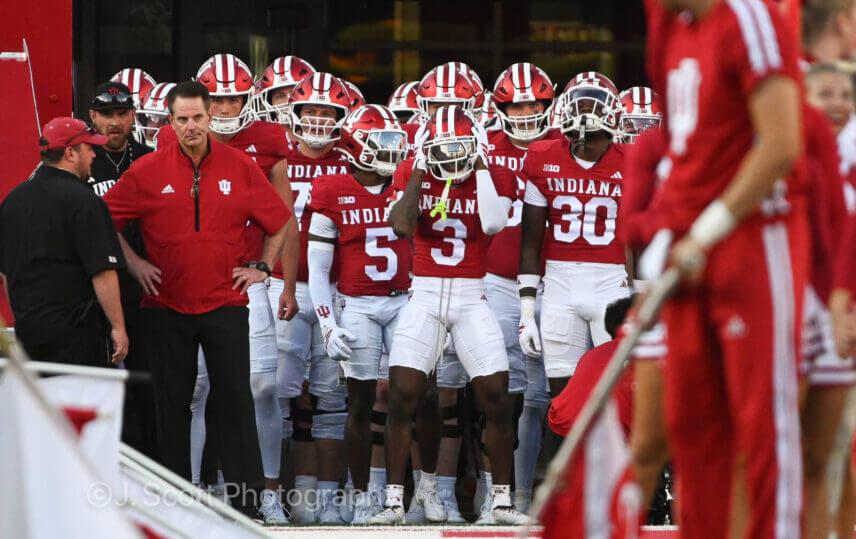
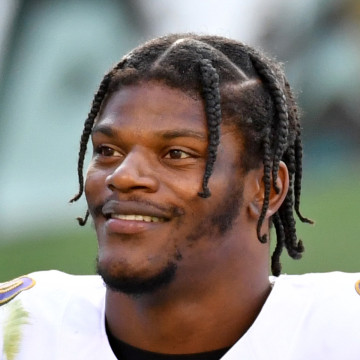
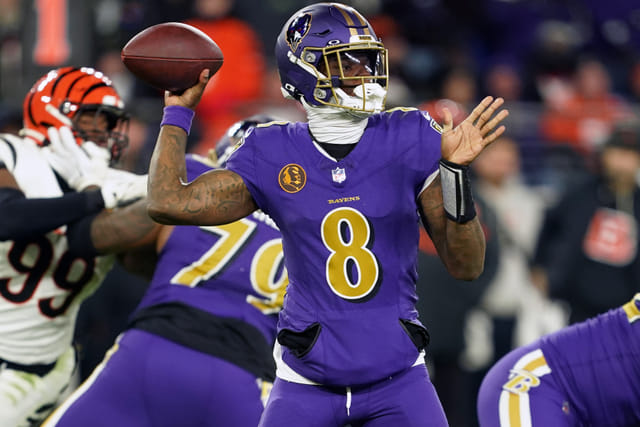
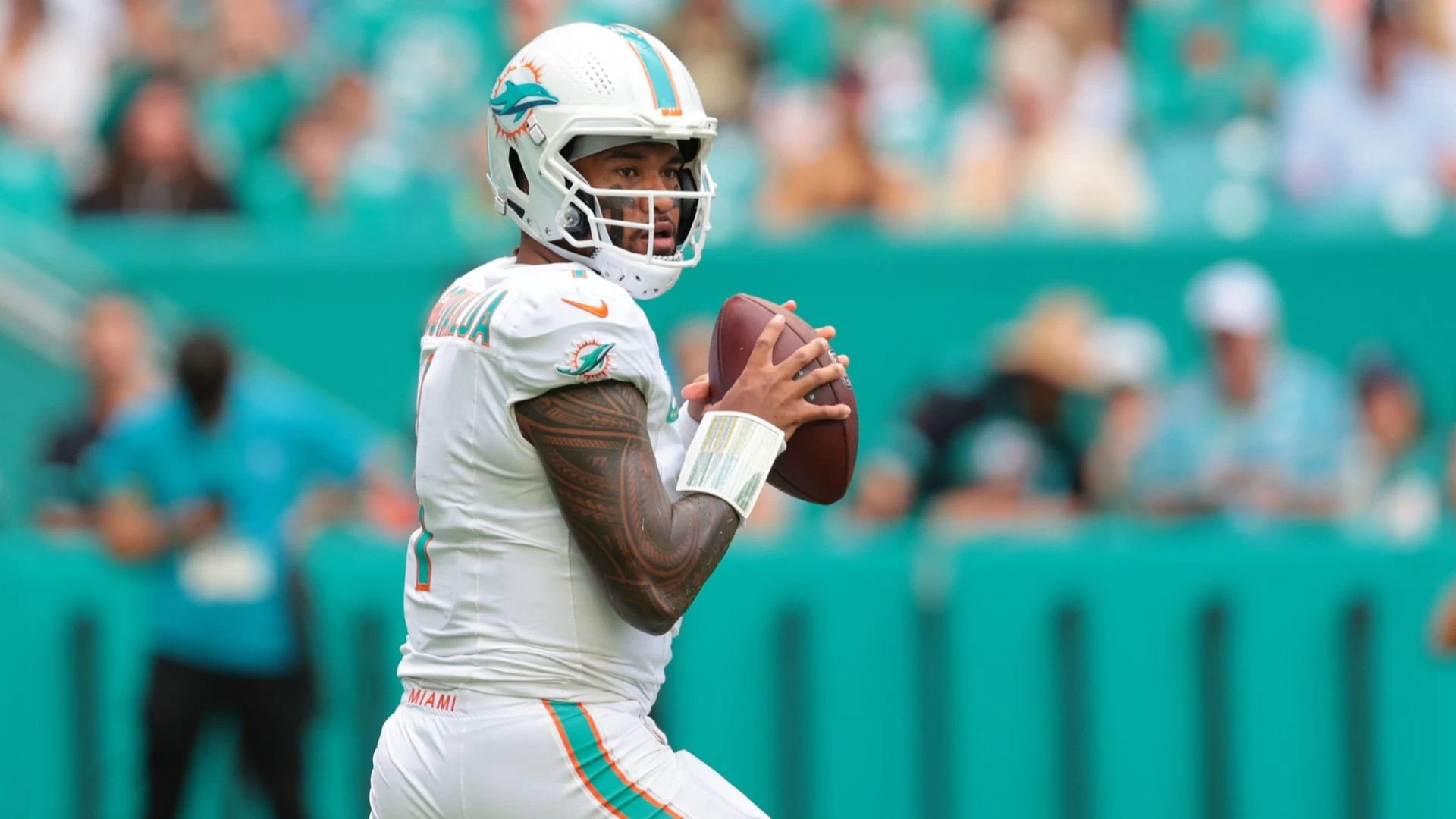
The parallel narrative from the Big Ten title game, featuring Fernando Mendoza and Julian Sayin, further illuminates this trend. Their potential Heisman implications underscore how individual athletic showcases are increasingly complex ecosystems of performance, media interpretation, and personal brand management. These high-stakes moments are no longer simply about physical prowess, but about navigating complex expectations and maintaining psychological resilience.
The underlying pattern suggests a profound shift in competitive sports: success is increasingly determined by mental agility, strategic humility, and the ability to manage external narratives. Athletes and coaches who can effectively balance confidence with respect for competition are developing a critical competitive advantage that transcends traditional performance metrics.
For stakeholders—whether coaches, athletes, or sports organizations—the key takeaway is clear: cultivate a mindset of strategic adaptability. Recognize that public expectations are a double-edged sword that can both motivate and undermine performance. The most successful competitors will be those who can transform external pressures into internal motivation while maintaining a balanced, respectful approach to their craft.
Questions 3
How do external expectations impact athletic performance?
External expectations can create psychological pressure that either motivates or undermines athletes. Pochettino's approach demonstrates that managing these expectations requires strategic humility, respecting opponents, and maintaining internal team confidence without succumbing to external narratives.
What makes modern sports competitions more complex than pure athletic skill?
Modern sports competitions involve intricate psychological dynamics, including media interpretation, personal branding, and narrative management. Success now depends not just on physical prowess, but on mental resilience, strategic adaptability, and the ability to navigate complex external pressures.