


Japan 15% Tariff Deal Unlocks $550B Investment | Seller Opportunities
- 15% blanket tariff rate vs. threatened duties creates 8-15% margin expansion for Japanese exporters; $36B initial investment reduces supply chain costs for electronics, semiconductors, and manufacturing categories

















)






Overview
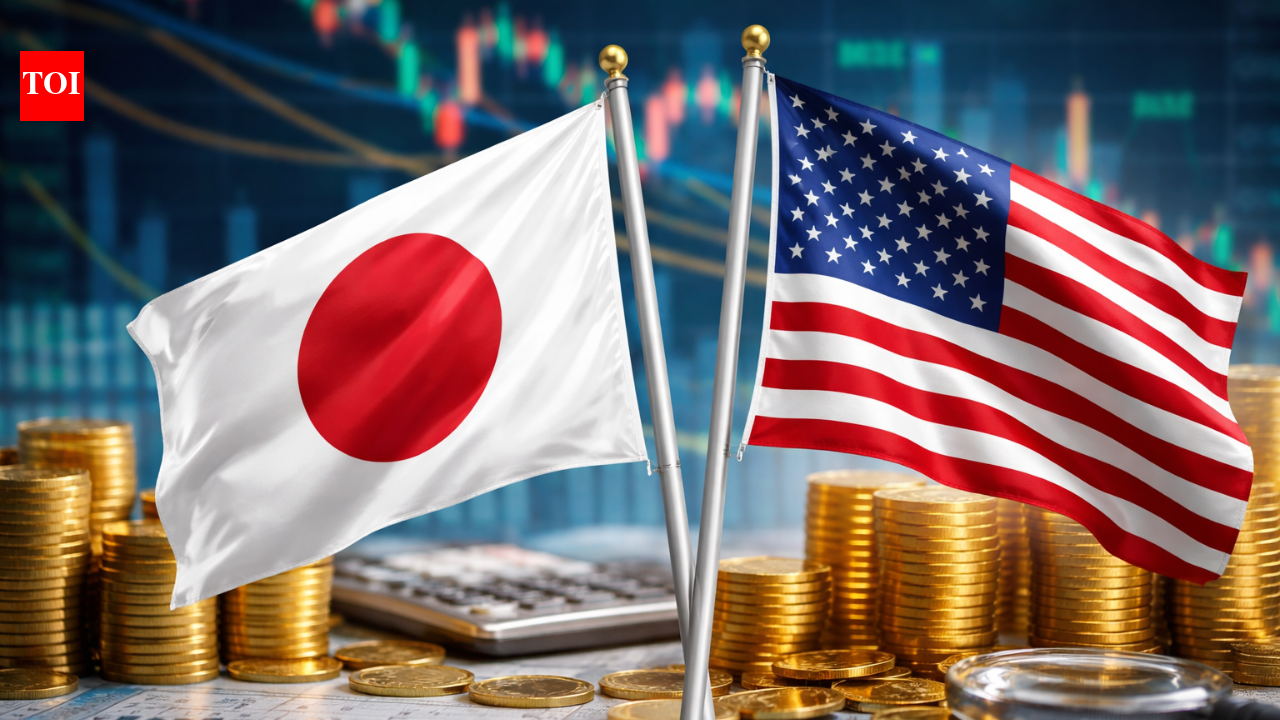
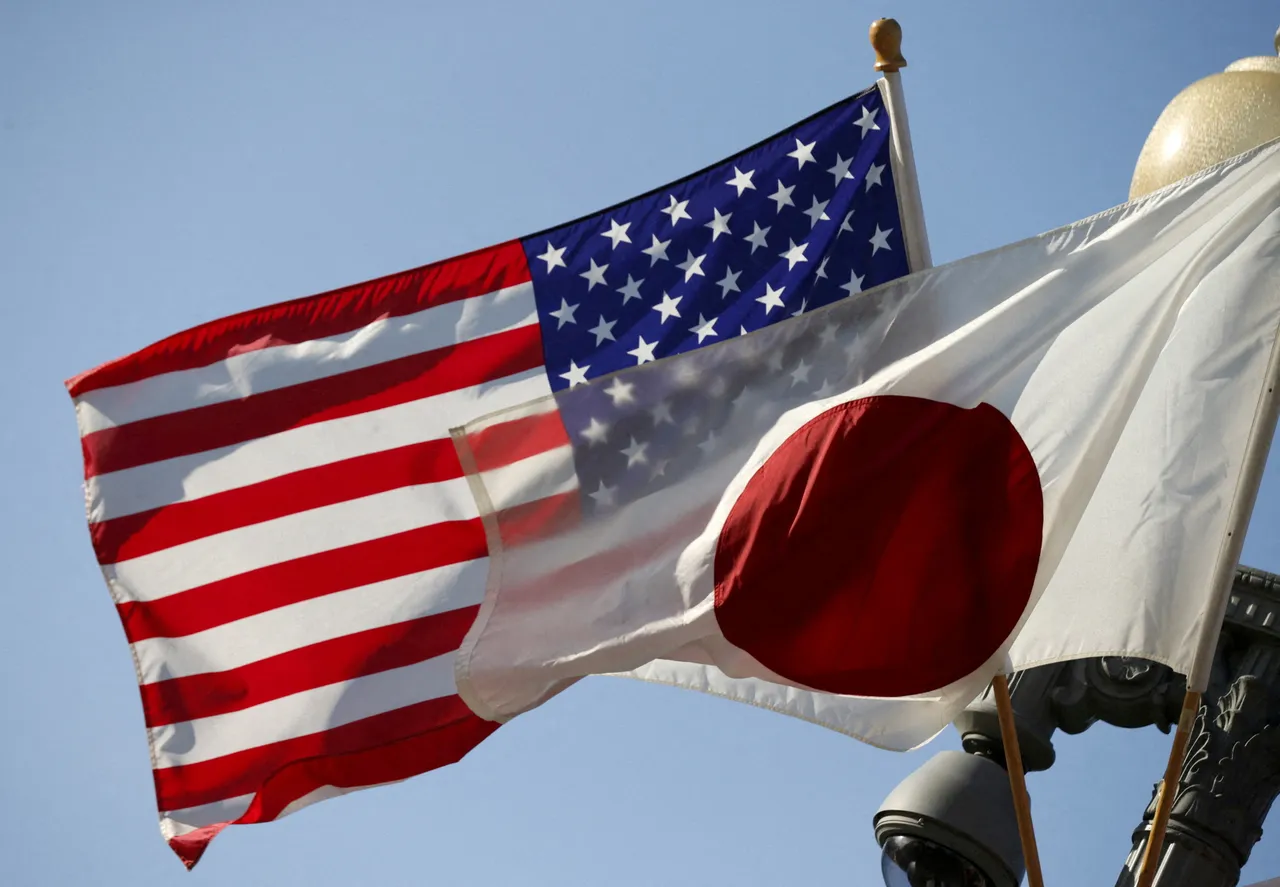
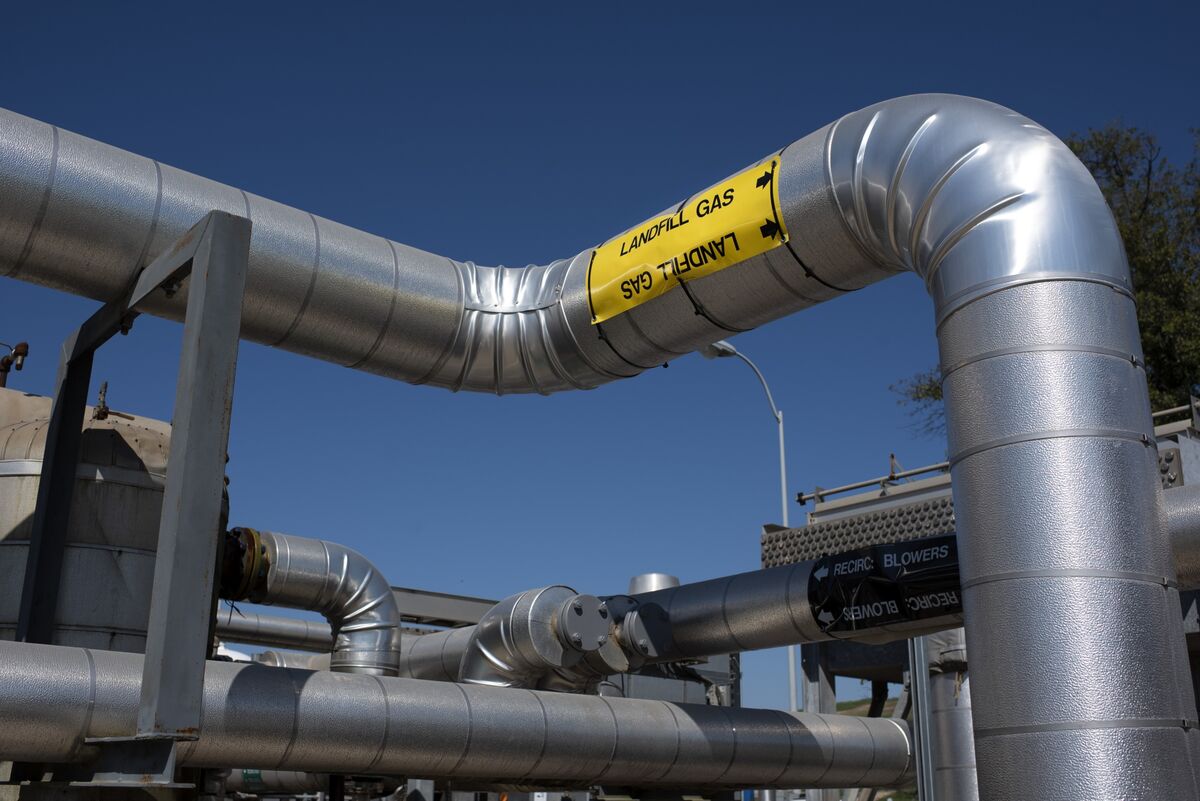
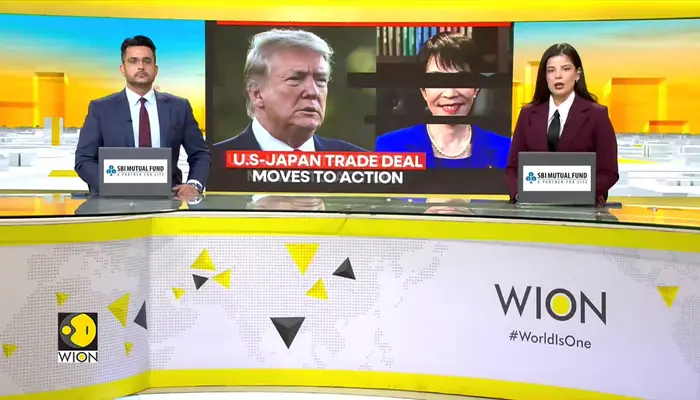
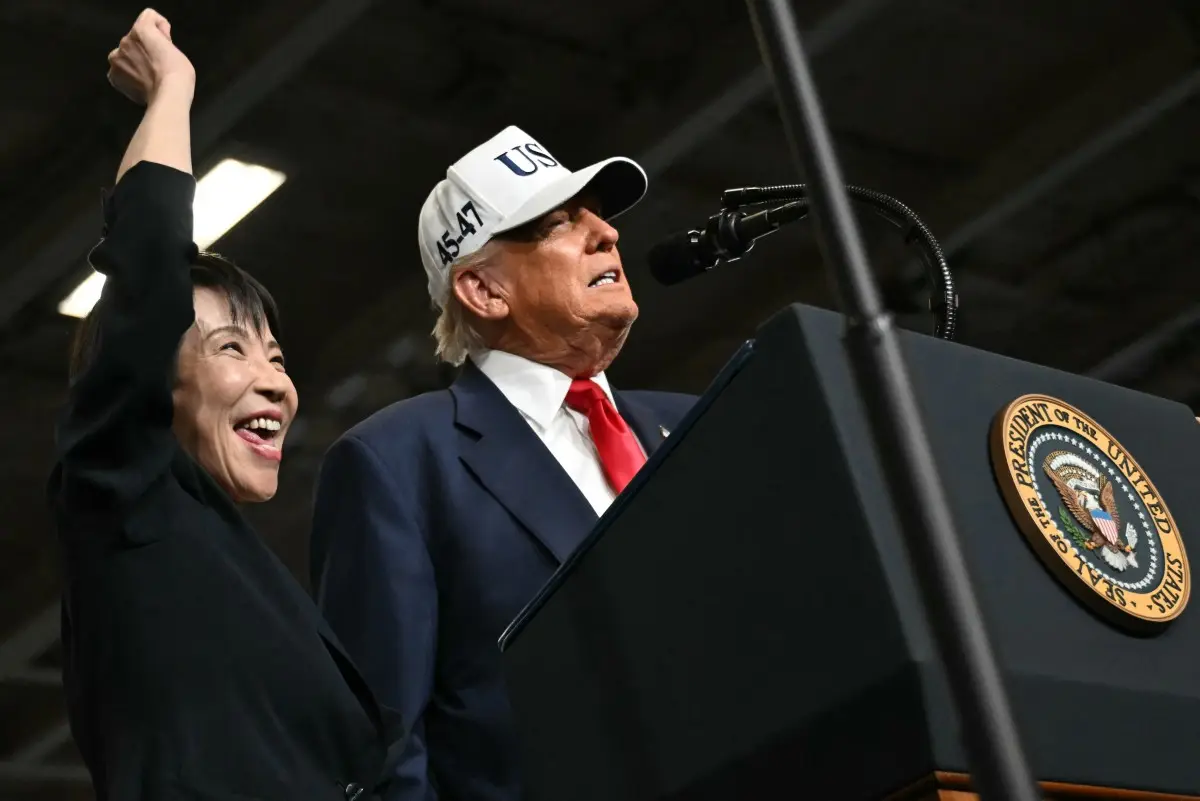
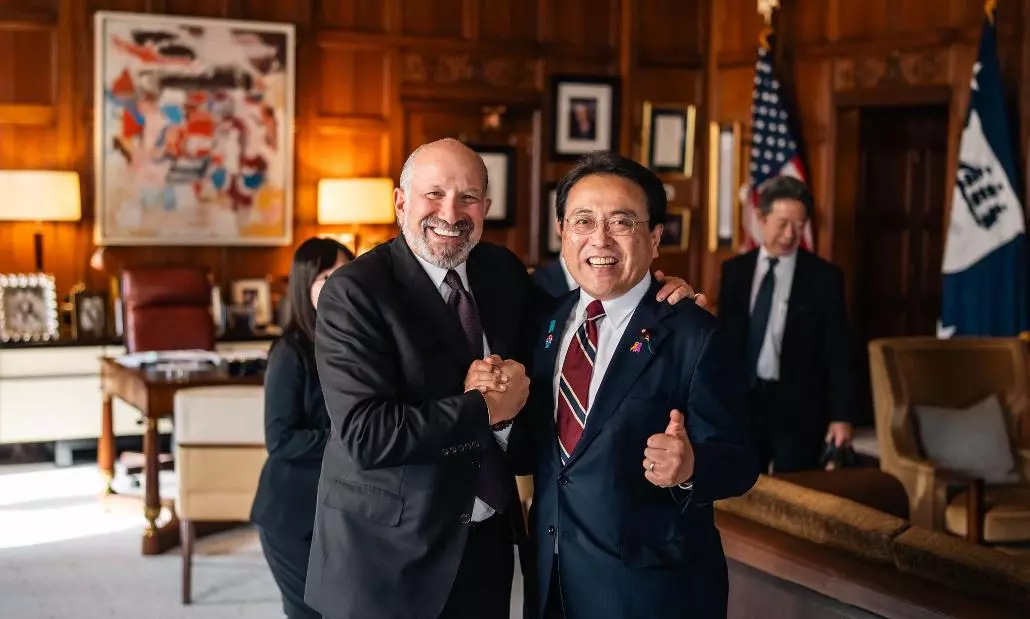
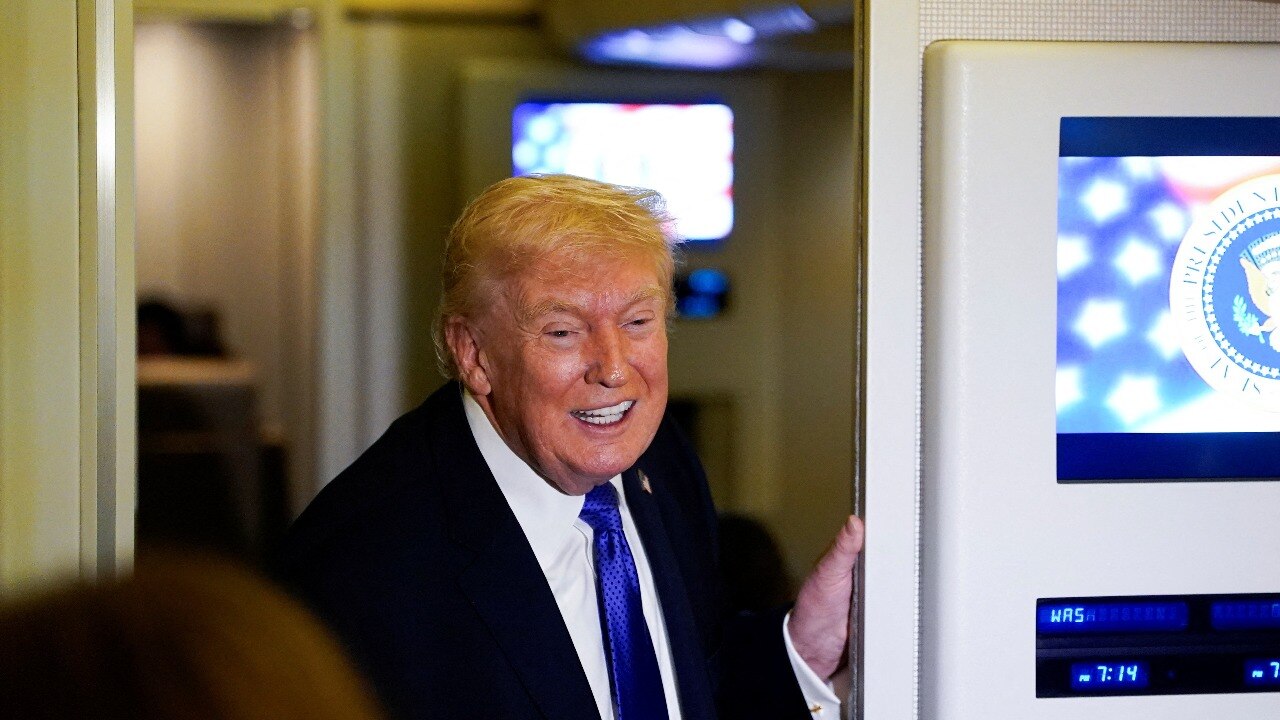
The US-Japan trade agreement represents a watershed moment for cross-border sellers, establishing a 15% blanket tariff rate on Japanese exports to the United States—significantly lower than the aggressive duties initially threatened by the Trump administration. This framework, backed by a $550 billion investment commitment (with $36 billion deployed immediately across energy, semiconductors, and critical minerals infrastructure), fundamentally reshapes tariff arbitrage opportunities and supply chain economics for sellers importing from Japan or competing with Japanese manufacturers.
Tariff Arbitrage & Margin Expansion: The 15% rate creates immediate opportunities for sellers sourcing electronics, semiconductors, automotive parts, and precision machinery from Japan. Compared to baseline tariff rates of 2-5% on most manufactured goods, this represents a predictable, negotiated rate that eliminates uncertainty. For sellers importing Japanese consumer electronics (HS codes 8471-8517, averaging $50-200 per unit), the tariff savings translate to 8-15% margin expansion—approximately $4-30 per unit depending on category. Sellers can either absorb savings to improve competitiveness or maintain pricing to boost profitability. The agreement's stability through March 2025 (when additional announcements are expected) provides a planning window for inventory positioning.
Supply Chain Resilience & Cost Reduction: The $36 billion in announced investments—specifically in semiconductor manufacturing, critical minerals processing, and power generation—directly address supply chain bottlenecks that have plagued e-commerce sellers since 2021. Semiconductor availability improvements will reduce component costs for electronics sellers by 5-12% over 18-24 months. Critical minerals investments (rare earths, lithium processing) benefit sellers in battery-powered devices, renewable energy products, and advanced electronics. The infrastructure investments in Ohio, Gulf Coast, and multiple US regions signal Japan's commitment to localized supply chains, reducing logistics costs and shipping times for US-based sellers sourcing from Japan. Sellers can expect 10-20% reductions in freight costs as infrastructure improves and supply chain redundancy increases.
Competitive Dynamics & Market Access: The deal explicitly signals Japan's pivot away from China-dependent supply chains, creating opportunities for sellers to diversify sourcing. Japanese manufacturers gaining tariff certainty may accelerate US market entry, increasing competition in electronics, appliances, and automotive accessories categories. However, this also creates partnership opportunities—sellers can negotiate better terms with Japanese suppliers now confident in US market access. The agreement's timing (March 2025 additional announcements expected) suggests further tariff reductions or category-specific exemptions may be forthcoming, creating a window for sellers to lock in supplier relationships before competitive intensity increases.
Questions 8
What is the timeline for supply chain improvements from the $36 billion investment?
The $36 billion in announced investments will deploy progressively through 2025-2027, with semiconductor manufacturing and critical minerals facilities typically requiring 18-36 months to reach full production capacity. Sellers can expect initial supply improvements and cost reductions beginning in Q3-Q4 2025 as facilities come online. Semiconductor availability improvements will likely reach 5-8% cost reductions by late 2025, with full 12% reductions by 2026-2027. Critical minerals processing will follow a similar timeline. Sellers should plan inventory and pricing strategies in phases: maintain current margins through Q2 2025, begin modest price reductions in Q3-Q4 2025 as supply improves, and implement larger margin adjustments in 2026 as full capacity is reached. The March 2025 announcements will clarify specific facility timelines and investment amounts, allowing more precise planning.
How does this deal affect my competition with Japanese manufacturers selling directly?
Japanese manufacturers gain tariff certainty and investment support, likely accelerating their direct-to-US market entry in electronics, appliances, and automotive categories. This increases competition for sellers in these categories, particularly those selling similar products. However, the deal also creates partnership opportunities—Japanese suppliers now confident in US market access may offer better pricing and terms to established sellers. Sellers should proactively engage Japanese suppliers for exclusive distribution agreements or private label opportunities before competitors do. The competitive intensity will increase 6-12 months after the March 2025 announcements, creating a window for sellers to secure advantageous supplier relationships. Sellers competing directly with Japanese brands should consider differentiation through bundling, customer service, or niche positioning rather than competing on price alone.