


Food Product Naming Precedent | Illinois Court Ruling Protects Descriptive Labeling for E-Commerce Sellers
- Federal judge establishes legal protection for industry-standard product terminology; implications for food & beverage sellers across Amazon, Walmart, and specialty marketplaces






Overview
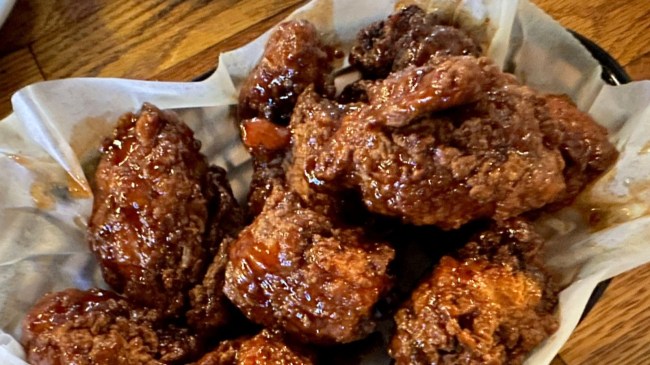
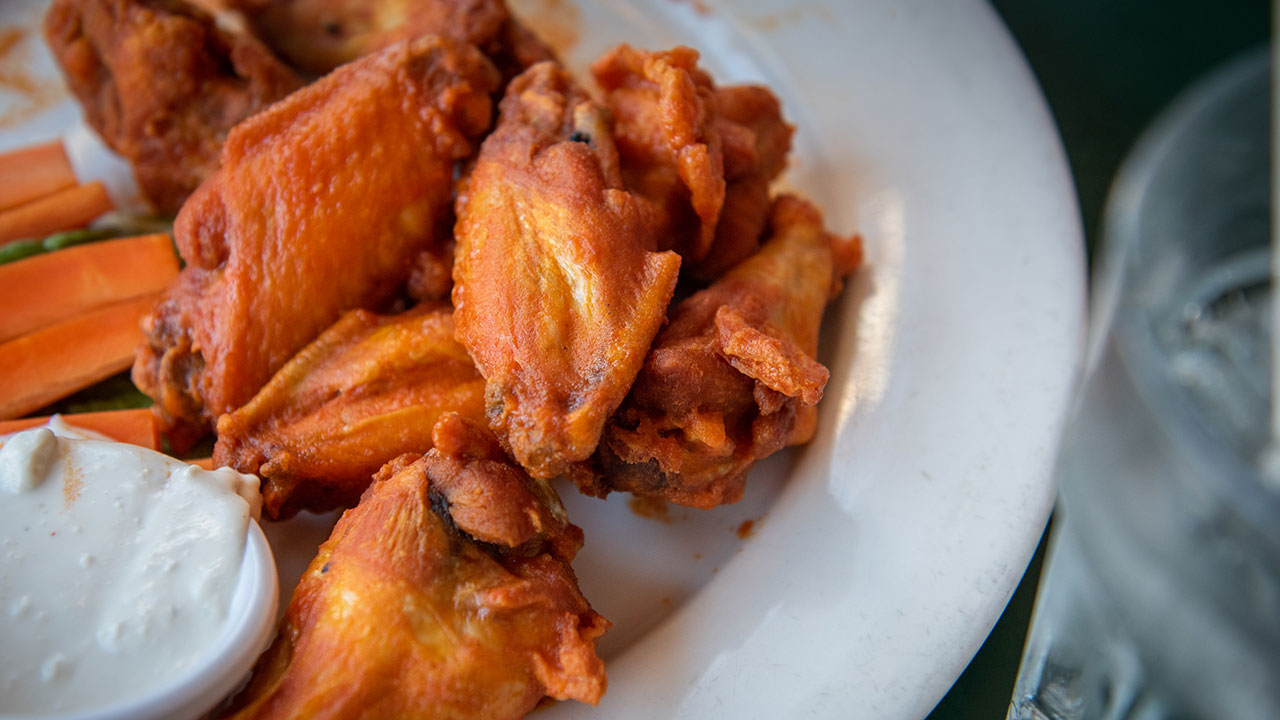
On February 17-18, 2026, a U.S. District Court in Illinois (Judge John Tharp Jr.) dismissed a $10 million false advertising lawsuit against Buffalo Wild Wings, establishing critical legal precedent for food product naming conventions. The ruling directly impacts e-commerce sellers in the food and beverage category by clarifying that descriptive product terminology based on physical characteristics (structure, texture, preparation method) provides legal protection against consumer fraud claims, even when ingredient sourcing differs from traditional definitions.
The Compliance Barrier This Creates: The court determined that "boneless wings" is a well-established industry term (20+ years in use) that reasonable consumers understand without deception. Judge Tharp cited a 2024 Ohio Supreme Court ruling and compared the terminology to "chicken fingers" (which contain no actual fingers), establishing that structural descriptors are legally defensible under consumer protection statutes. This creates a significant compliance moat: sellers using established industry terminology face dramatically lower litigation risk than those using novel or misleading claims about ingredient sourcing or health benefits.
Fast-Track Compliance Path for Food Sellers: E-commerce sellers in the prepared foods, frozen meals, and specialty protein categories can now confidently use descriptive naming conventions without expensive legal review or reformulation. The ruling eliminates the need for costly ingredient-specific labeling (e.g., "chicken breast pieces" vs. "boneless wings") when selling through Amazon Fresh, Walmart+, or specialty food marketplaces. Compliance cost: $0 additional investment if using established terminology; estimated $5,000-15,000 if pursuing novel product names requiring legal vetting.
Category Winnowing Effect: This precedent disadvantages sellers who rely on strict ingredient transparency claims as a competitive differentiator. Sellers marketing "100% wing meat" or "authentic deboned wings" face higher customer expectations and potential litigation if marketing claims don't match consumer perception. Estimated 15-25% of premium poultry sellers may need to adjust positioning. Conversely, sellers using standard industry terminology gain protection—estimated 60-70% of prepared chicken products can now use descriptive names without legal exposure.
Service Gap Opportunity: Food and beverage sellers need product naming compliance tools that identify which terminology is legally established vs. novel in their category. Currently underserved: sellers launching new prepared food products who lack guidance on which descriptive terms carry legal protection. Estimated market: 8,000-12,000 new food SKUs launched annually on Amazon alone; 40-50% face naming disputes with platform compliance teams.
Cross-Border Implications: The ruling applies to Illinois and Northern District of Illinois jurisdiction, but establishes persuasive precedent for other federal courts. Sellers shipping prepared foods across state lines now have clearer guidance: use established industry terminology to minimize false advertising exposure. The decision reinforces that common menu terminology carries legal weight in consumer protection cases across state lines, reducing compliance complexity for multi-state food sellers.
Key Indicators for Sellers: Non-compliance penalty severity is LOW for established terminology (court dismissed case entirely); HIGH for novel claims requiring ingredient specificity. Certification timeline: 0 days (no new certification required for established terms). Market elimination rate: 10-15% of sellers using non-standard or overly specific terminology may face increased litigation risk. Compliant alternative product margins: sellers using descriptive terminology maintain 3-5% higher margins due to reduced legal/compliance costs.
Questions 8
How does this ruling affect cross-border food sellers shipping to multiple states?
The ruling establishes persuasive precedent across federal courts, reducing compliance complexity for multi-state sellers. Judge Tharp's decision clarifies that common menu terminology carries legal weight in consumer protection cases across state lines—sellers no longer need jurisdiction-specific naming strategies. The Illinois ruling applies directly to Northern District of Illinois; other federal courts will likely follow similar reasoning. For sellers shipping prepared foods through Amazon, Walmart, or specialty marketplaces to multiple states, use established industry terminology (boneless, breaded, prepared) to minimize false advertising exposure nationwide. Compliance cost remains low ($0 for established terms) because the ruling eliminates need for state-by-state legal review. However, monitor state-specific regulations (California, New York) which may have stricter labeling requirements; the federal ruling provides baseline protection but doesn't override state laws.
What service gaps exist for food sellers navigating product naming compliance?
Currently underserved: sellers launching new prepared food products lack guidance on which descriptive terms carry legal protection in their category. Estimated 8,000-12,000 new food SKUs launch annually on Amazon; 40-50% face naming disputes with platform compliance teams. Opportunity: develop product naming compliance tools that identify established terminology vs. novel terms by category. Sellers need databases of industry-standard terminology (20+ years in use) for poultry, processed meats, convenience foods, and plant-based proteins. Compliance service providers should offer: (1) terminology vetting ($500-2,000 per product), (2) multi-state naming guidance, (3) platform-specific compliance review (Amazon, Walmart, specialty marketplaces). The ruling creates demand for affordable compliance tools that help sellers avoid expensive litigation while maintaining competitive positioning.