




Bangladesh Political Stability Creates Market Access Window for Cross-Border Sellers
- BNP landslide victory (212+ seats) signals regulatory predictability; e-commerce taxation and customs policy reforms expected within 6 months; immediate opportunity for sellers to establish market presence before policy framework solidifies












Overview
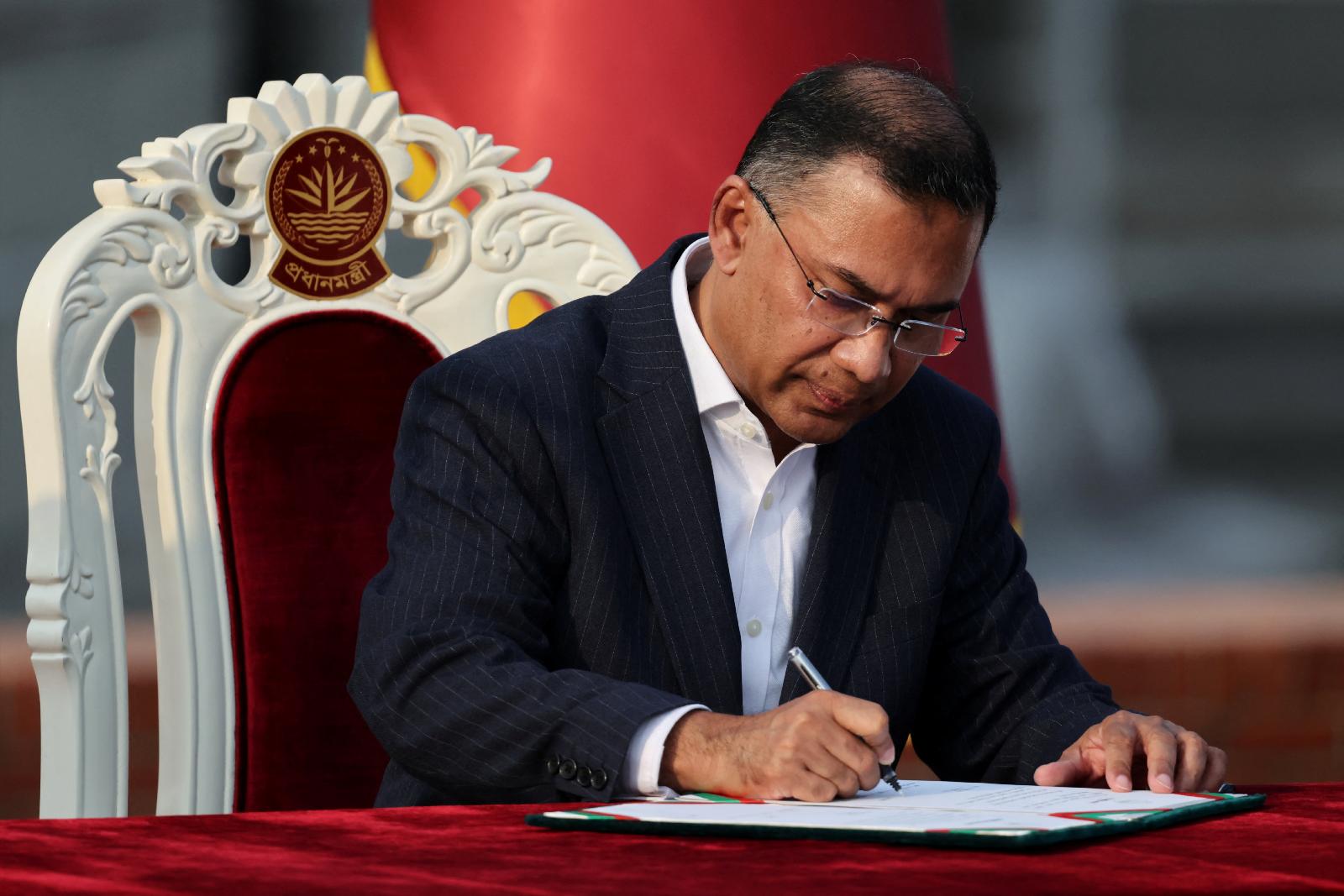
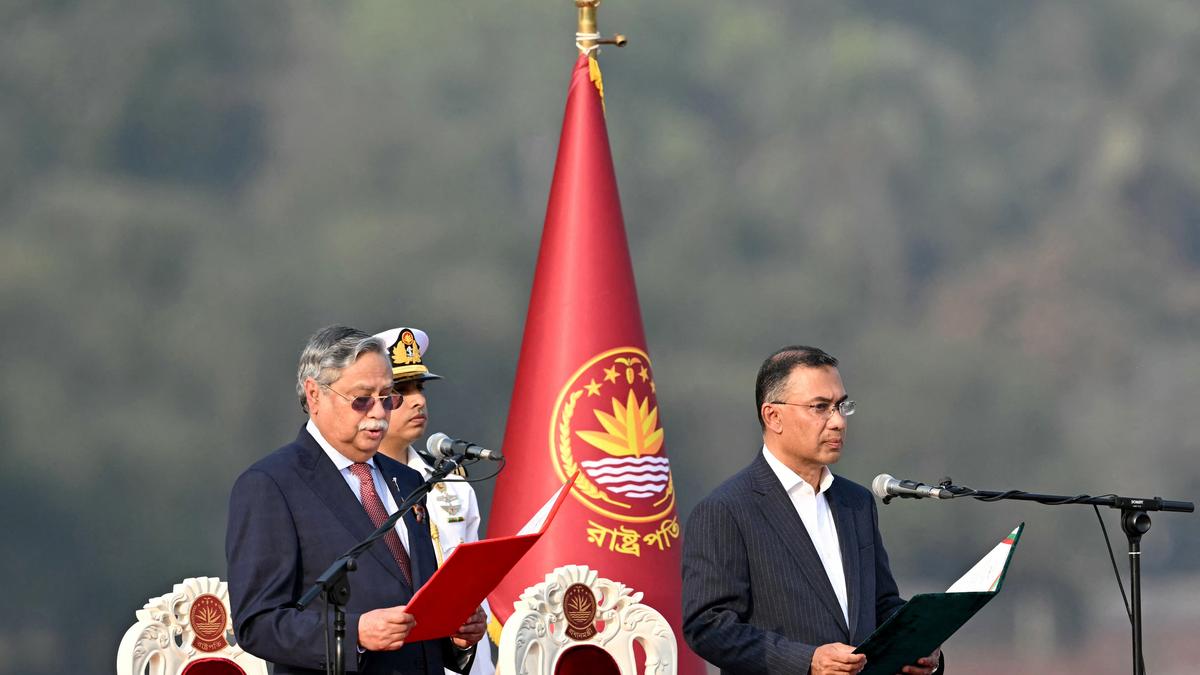
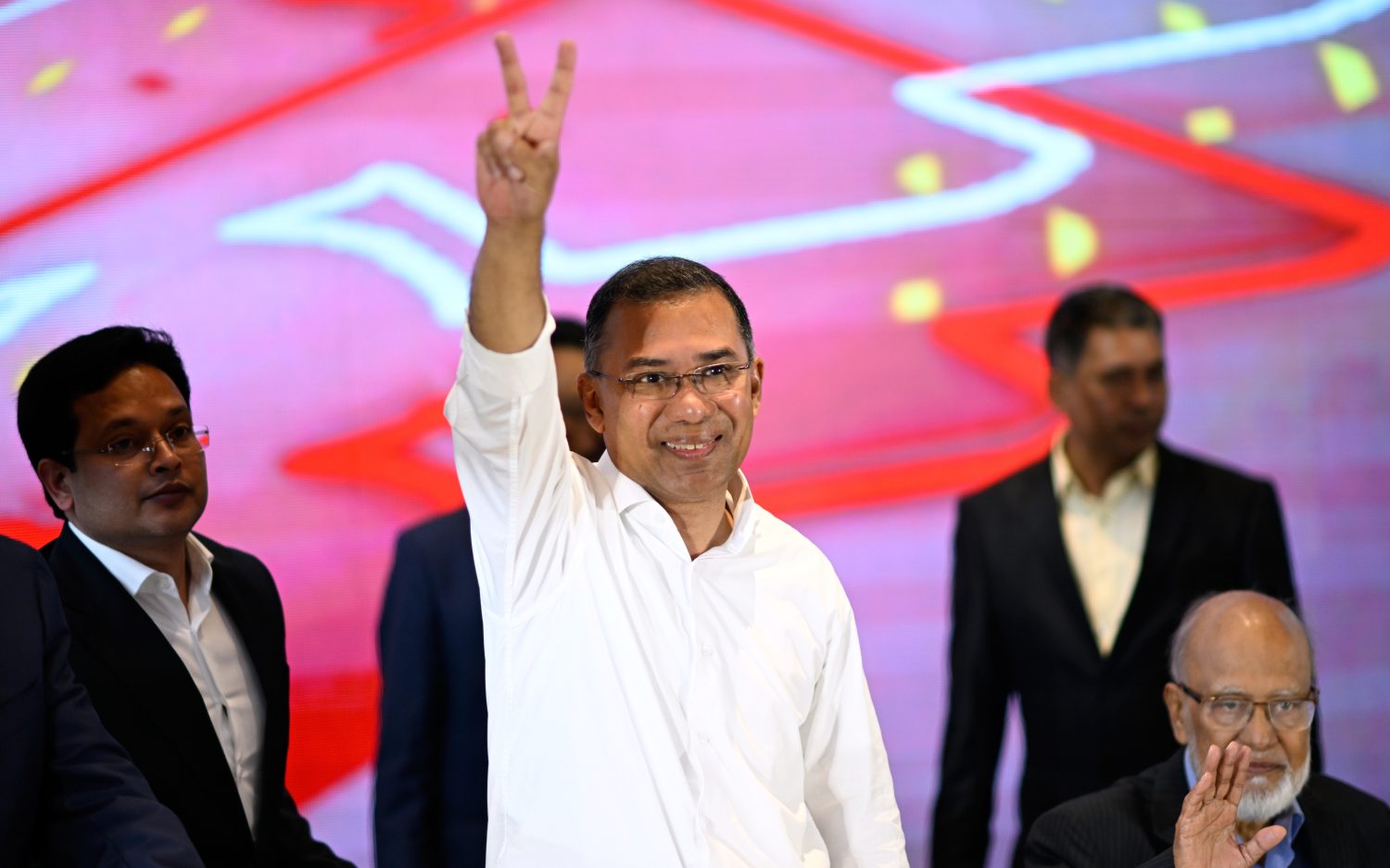
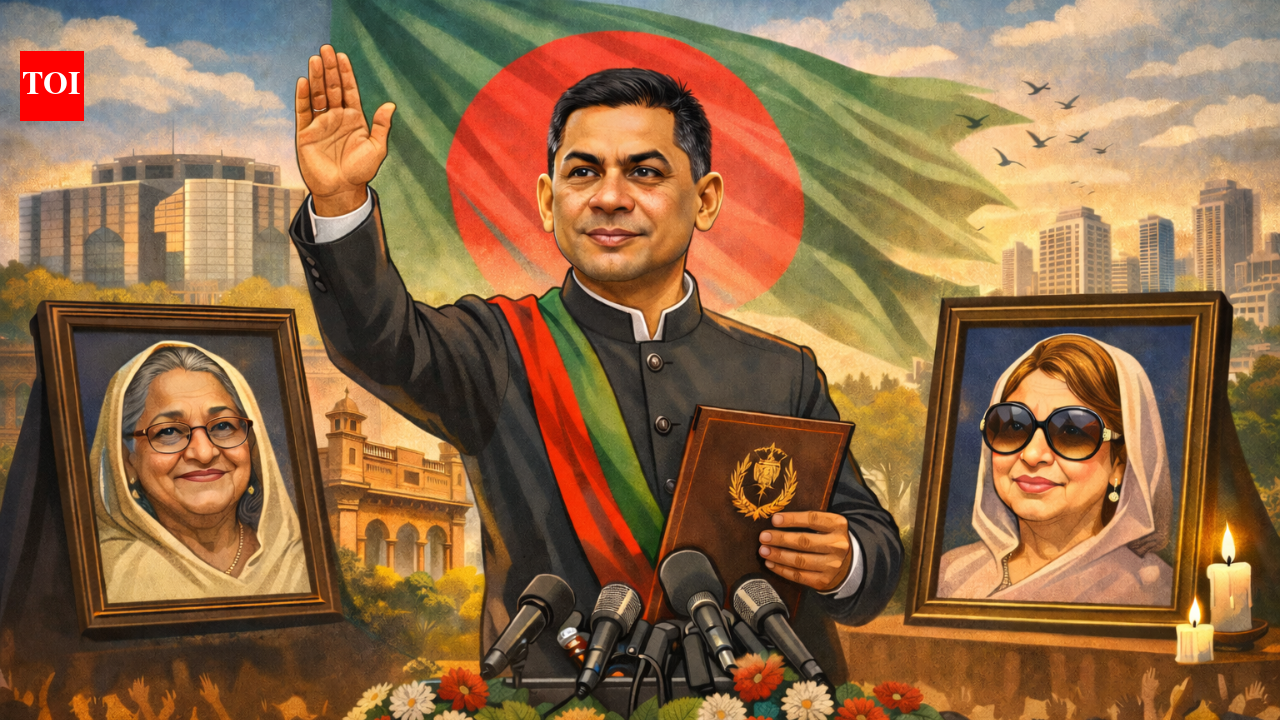
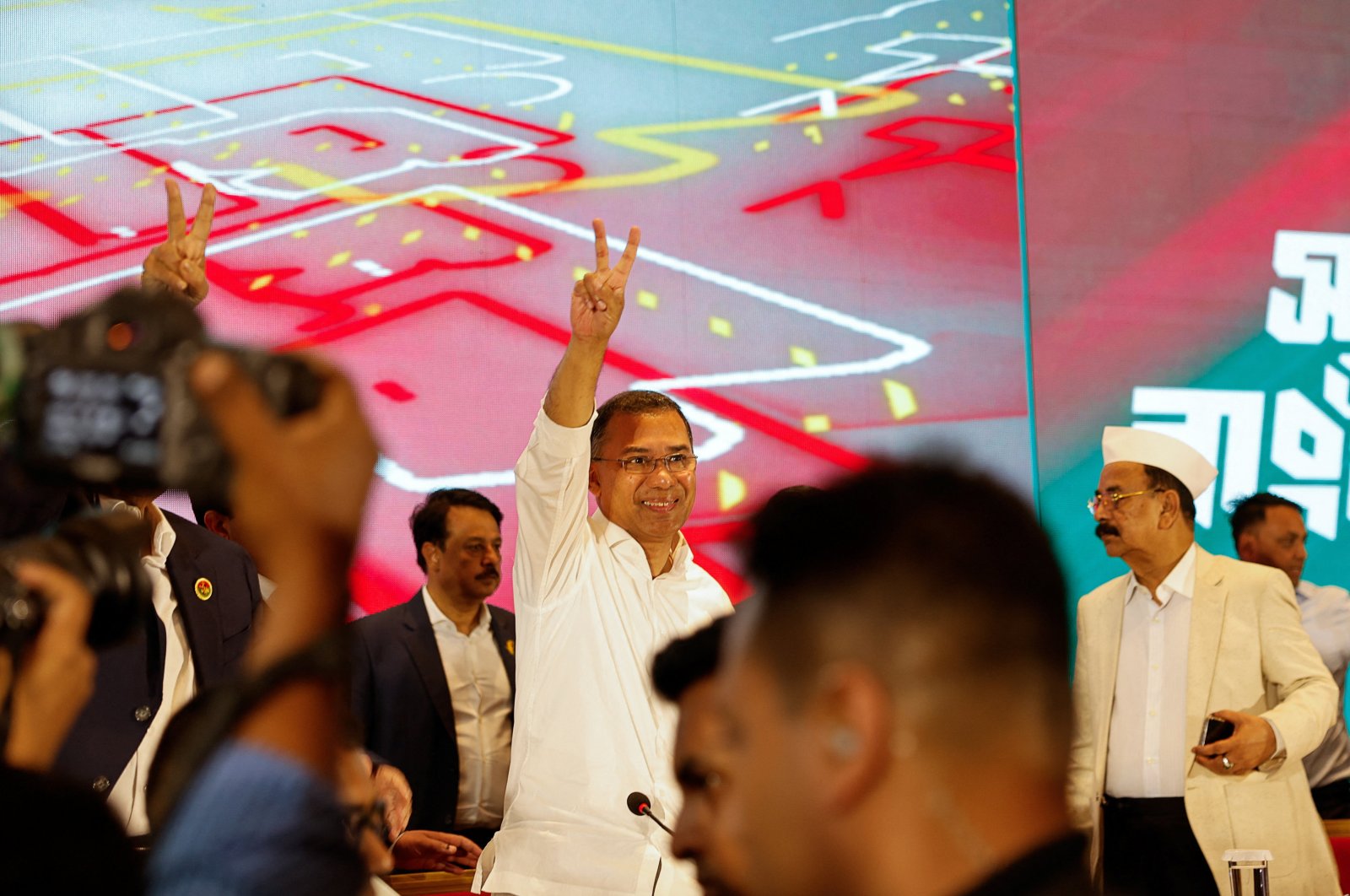
Bangladesh's political transition under Prime Minister Tarique Rahman (sworn in February 17, 2026) represents a critical market access opportunity for cross-border e-commerce sellers. The BNP's overwhelming parliamentary majority (212+ of 299 contested seats) and mandate to implement 80+ governance reforms through the National Charter creates a 6-12 month window of regulatory fluidity before new e-commerce frameworks solidify. This political stability—following 18 months of interim governance—directly impacts three core seller concerns: customs procedures for imported goods, e-commerce taxation policies, and digital payment system reliability.
For sellers sourcing from Bangladesh or targeting its 170M+ population market, the timing is critical. Bangladesh operates as both a manufacturing hub (textiles, apparel, electronics components) and an emerging consumer market with growing digital payment adoption and internet penetration. The new administration's youth-focused parliament (reflecting the 2024 student-led uprising) signals demand for modernized digital commerce infrastructure. Sellers currently face uncertainty around import duties, VAT/GST frameworks, and foreign seller registration requirements—all areas the National Charter explicitly targets for reform. The political stability typically encourages foreign investment in payment systems and logistics infrastructure, potentially reducing transaction costs and improving fulfillment reliability for cross-border operations.
The competitive advantage window is narrow and time-sensitive. Early movers who establish market presence, negotiate customs relationships, and build payment system integrations during the 6-month policy development phase will gain first-mover advantages before competitors recognize the opportunity. Sellers in apparel, electronics, consumer goods, and specialty products have the highest margin improvement potential if import duties decrease or tariff exemptions emerge for specific categories. The younger parliament composition also signals receptiveness to digital commerce modernization—a stark contrast to previous administrations. However, the National Charter's implementation success depends on sustained political commitment; sellers should monitor quarterly policy announcements and maintain flexibility in sourcing and pricing strategies as the regulatory environment evolves.
Questions 7
Which product categories benefit most from Bangladesh's improved political stability?
Apparel, textiles, electronics components, and consumer goods see the highest margin improvement potential. Bangladesh's textile industry generates $40B+ annually in exports; political stability encourages foreign investment in supply chain infrastructure. Electronics and consumer goods categories benefit from reduced customs clearance delays (currently 5-10 days; can drop to 2-3 days with modernized procedures). Specialty products (beauty, home goods, sporting equipment) targeting Bangladesh's growing middle class also benefit from improved payment system reliability and reduced fraud risk. Sellers in these categories should prioritize market entry during the 6-month policy development window before competitors recognize the opportunity. Apparel sellers specifically can negotiate duty reductions if the BNP government pursues export-focused trade policies.
How does Bangladesh's younger parliament composition affect digital commerce regulations?
The new parliament comprises significantly younger members and fresh faces reflecting the 2024 student-led uprising, signaling strong demand for digital commerce modernization. Youth-focused parliaments historically prioritize fintech integration, reduced regulatory barriers for online sellers, and investment in logistics infrastructure. This contrasts sharply with previous administrations' cautious approach to foreign e-commerce platforms. Expect regulatory frameworks that encourage platform competition, reduce seller compliance costs, and modernize payment systems. The demographic shift indicates receptiveness to startup-friendly policies and reduced bureaucratic friction. Sellers should position themselves as partners in Bangladesh's digital transformation; early market entrants can influence regulatory development through industry associations and government consultations.