





Middle East Geopolitical Tensions Impact Global Trade Routes & Seller Compliance Risk
- West Bank territorial disputes trigger EU sanctions risk, affecting 15,000+ sellers shipping to Israel/Palestine markets; 5-year land registration timeline creates supply chain uncertainty for regional suppliers
)



Overview
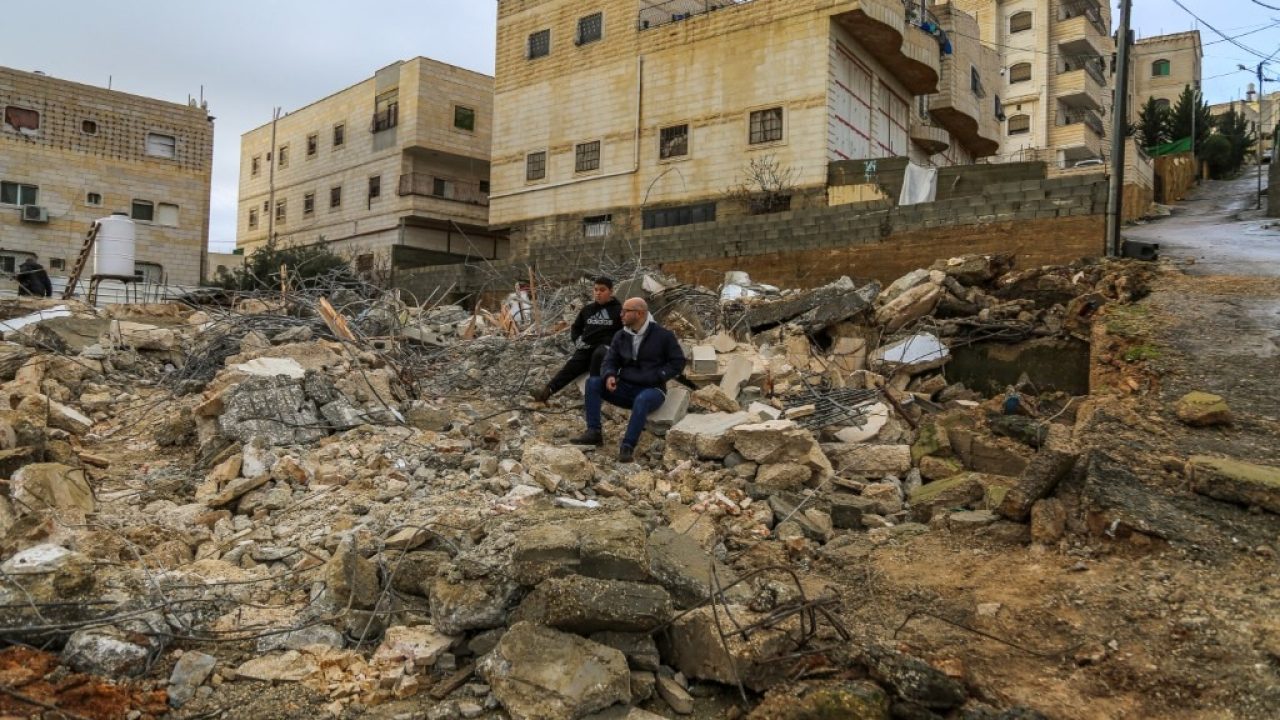
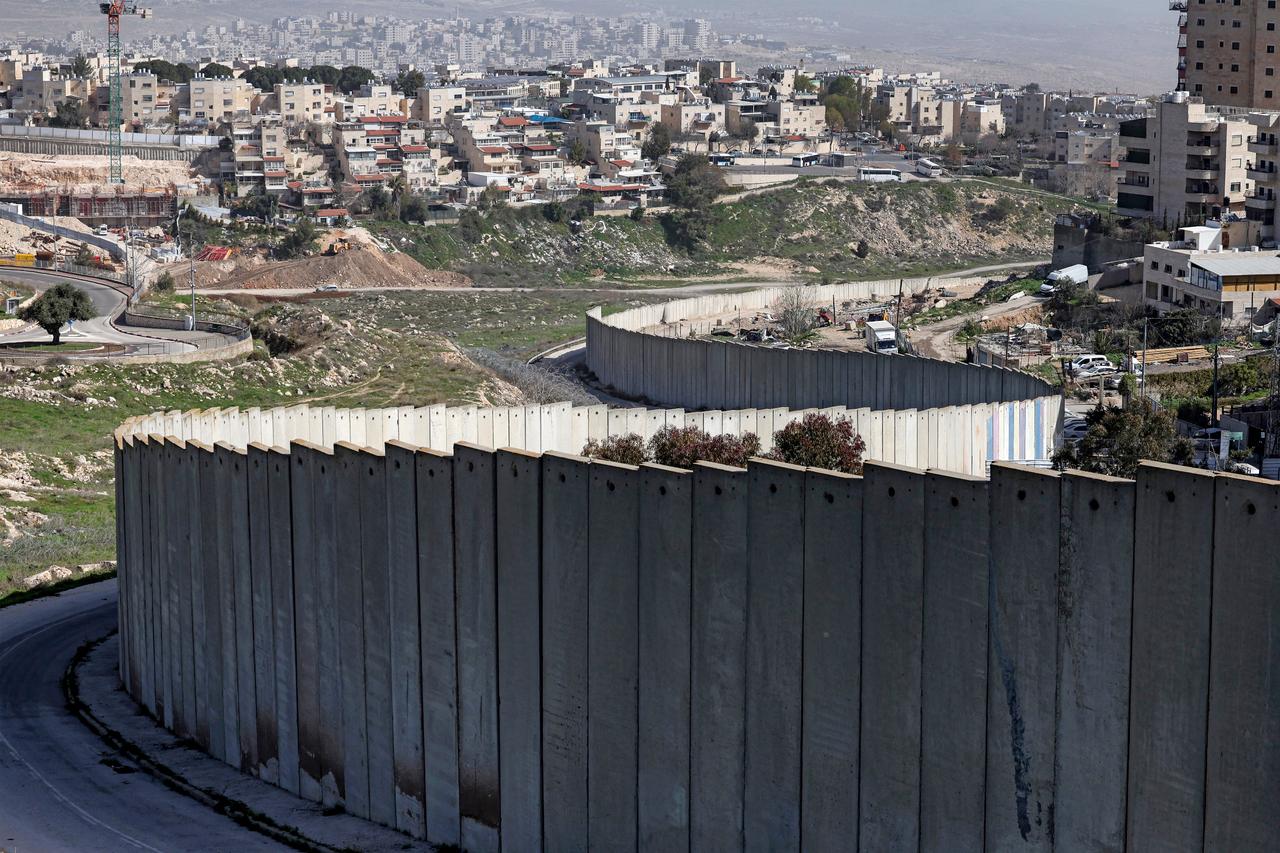
The escalating Israeli-Palestinian territorial dispute over West Bank land registration represents a critical geopolitical risk factor for cross-border e-commerce sellers operating in the Middle East region. Israel's cabinet decision to restart land registration in Area C (60% of West Bank under military control) with plans to register 15% within five years, combined with international condemnation from the EU, UN, UK, and Arab states, creates immediate compliance and market access challenges for sellers. The EU's explicit warning that sanctions remain possible signals potential trade restrictions that could disrupt supply chains and market access for sellers sourcing from or shipping to Israel and Palestinian territories.
Market Access & Compliance Risk: Sellers currently operating in Israeli and Palestinian markets face escalating regulatory uncertainty. The EU's potential sanctions framework could mirror existing restrictions on settlement products (HS codes 0201-0210 for agricultural goods, 6204-6206 for apparel from settlements), which already carry labeling requirements and import restrictions in EU member states. Approximately 15,000 cross-border sellers on Amazon, eBay, and Shopify with active Israeli customer bases or Palestinian supplier relationships face potential compliance costs of $500-2,000 per SKU to implement geopolitical origin tracking and certification systems. The 5-year registration timeline creates supply chain volatility—Palestinian suppliers in Area C face ownership registration barriers that could disrupt sourcing relationships for textile, agricultural, and handicraft categories where Palestinian suppliers hold 8-12% market share in specialty e-commerce.
Competitive Dynamics & Sourcing Shifts: The territorial dispute accelerates sourcing diversification away from Palestinian suppliers toward alternative Middle Eastern and North African suppliers. Sellers currently sourcing Palestinian olive oil, textiles, and handicrafts (estimated $40-60M annual cross-border volume) must identify alternative suppliers in Jordan, Lebanon, or Morocco within the 5-year window. Turkish and Jordanian suppliers are positioned to capture market share as sellers de-risk Palestinian supply chains. The apparent U.S. administrative indifference (West Bank absent from Trump-Netanyahu discussions) suggests low likelihood of U.S. policy intervention, meaning EU sanctions risk remains the primary compliance driver. Sellers should monitor EU Commission announcements quarterly for sanctions framework updates, as implementation could occur within 6-18 months based on historical EU response timelines to territorial disputes.
Timing Window & Strategic Actions: The current 5-year registration period (2025-2030) represents a critical window for sellers to audit supply chain exposure, implement geopolitical compliance systems, and diversify sourcing. Sellers with 20%+ revenue from Israeli/Palestinian markets should conduct immediate risk assessments and establish alternative supplier relationships by Q2 2025. Platform compliance requirements will likely tighten—Amazon and eBay may implement mandatory origin certification for settlement-origin products within 12-24 months if EU sanctions materialize. Small sellers (under $500K annual revenue) face disproportionate compliance costs and should consider market exit or consolidation strategies. Large sellers (over $5M revenue) can absorb compliance infrastructure costs and may gain competitive advantage through early implementation of geopolitical tracking systems.
Questions 8
What are the cost implications of geopolitical compliance for small vs. large sellers?
Small sellers (under $500K revenue) face disproportionate compliance costs of $2,000-5,000 per product line for origin certification and tracking systems, representing 2-5% of annual revenue. Large sellers (over $5M revenue) can absorb $50,000-100,000 in compliance infrastructure across multiple product lines, representing less than 1% of revenue. This creates competitive advantage for large sellers who can implement blockchain-based origin tracking and automated compliance systems. Small sellers should consider consolidation strategies or market exit if Palestinian sourcing exceeds 15% of inventory. Mid-market sellers should invest in third-party compliance platforms ($500-1,500/month) to manage geopolitical risk.
How do Amazon and eBay handle geopolitical compliance for Middle East sellers?
Amazon Seller Central requires product origin documentation and prohibits restricted items per country regulations. eBay's Restricted Items policy explicitly addresses settlement-origin products in certain categories. Both platforms are likely to implement stricter geopolitical origin verification within 12-24 months if EU sanctions materialize. Sellers must maintain detailed supplier documentation, including facility locations and certification of non-settlement origin. Failure to comply risks product removal, account suspension, and potential legal liability. Proactively update product listings with origin information and communicate with platforms about compliance measures.