





Meta Addiction Litigation Creates $2.3B+ Legal Exposure | Platform Redesign Compliance Opportunity for Sellers
- 1,500+ pending lawsuits force algorithmic transparency requirements; sellers must adapt to youth-safety-focused platform policies by Q2 2026





























Overview
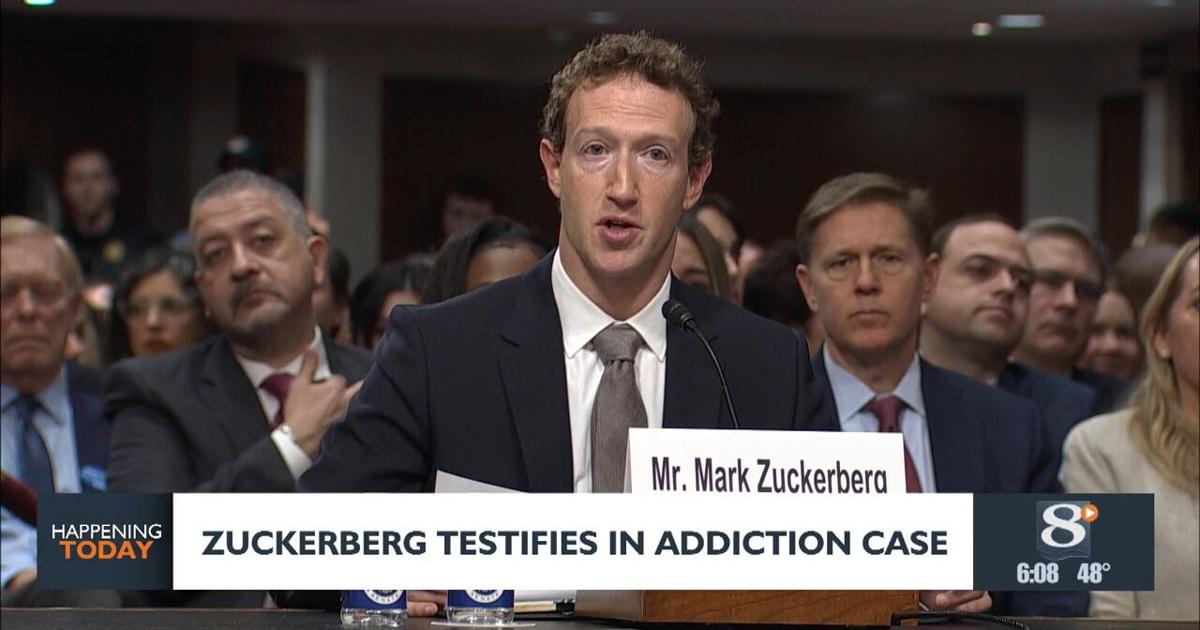
The Meta addiction litigation represents a watershed moment for platform regulation that will fundamentally reshape how social media companies operate—with direct implications for sellers using these platforms for customer acquisition and engagement. The bellwether trial K.G.M. v. Meta Platforms, Inc. in Los Angeles Superior Court involves a 20-year-old plaintiff alleging Meta's Instagram deliberately engineered addictive features (infinite feeds, algorithmic recommendations, cosmetic filters) that harmed her mental health during adolescence. This is Zuckerberg's first jury testimony on youth safety claims, and the case carries precedent-setting weight: over 2,300 related lawsuits are pending in federal court, with school districts and state attorneys general joining as plaintiffs. TikTok and Snap have already settled their portions, signaling industry recognition of liability exposure.
The compliance barrier this creates is substantial and multi-layered. If the plaintiff prevails, the verdict could undermine Section 230 protections—the federal law that has shielded online platforms from liability for user-generated content. This would establish precedent for holding platforms accountable for algorithmic design decisions, not just content moderation. Meta faces concurrent litigation in New Mexico on sexual exploitation claims, and school district lawsuits are being structured similarly to tobacco industry litigation, invoking consumer protection law. The Knight-Georgetown Institute found only a tiny fraction of young Instagram users enrolled in Meta's parental oversight tools as of March 2025, despite the company promoting these as central to safety efforts—a gap that strengthens plaintiff arguments about inadequate safeguards.
For sellers, the operational impact is immediate and strategic. A verdict favoring the plaintiff would force Meta and other platforms to fundamentally redesign their algorithms and engagement mechanisms, potentially affecting how seller content is distributed, recommended, and monetized. Countries including Australia and Spain have already implemented or are considering restrictions on social media access for users under 16, creating fragmented regulatory environments. This creates a compliance moat: sellers who proactively adapt their marketing strategies to comply with emerging youth-safety standards will gain competitive advantage over those relying on legacy engagement tactics. The trial outcome, expected by summer 2026, will determine whether platforms must implement algorithmic transparency requirements, restrict data collection from minors, and redesign recommendation systems—all of which affect seller reach and conversion metrics.
The fastest compliance path for sellers involves three immediate actions: (1) Audit current marketing campaigns for youth-targeting tactics and algorithmic dependency; (2) Develop alternative customer acquisition strategies that don't rely on infinite-scroll engagement or behavioral targeting of users under 16; (3) Prepare inventory and messaging for platforms that may implement age-gated content or restricted algorithmic promotion. Sellers in youth-oriented categories (fashion, beauty, gaming, educational products) face the highest risk, as these categories depend heavily on algorithmic discovery and influencer partnerships that may be restricted. The compliance cost is moderate ($5,000-15,000 for marketing strategy audit and platform policy updates) but the upside is significant: sellers who demonstrate youth-safety compliance early will have preferential treatment if platforms implement new safety-focused seller certification programs.
Questions 7
How can sellers leverage youth-safety compliance as a competitive advantage?
Sellers who proactively adopt youth-safety compliance standards will gain competitive advantage over those relying on legacy engagement tactics. Develop marketing campaigns that emphasize parental controls, transparent data practices, and age-appropriate content—positioning your brand as youth-safety-conscious. Consider pursuing third-party certifications for youth-safe marketing practices (similar to Fair Trade or B-Corp certifications). If platforms implement new safety-focused seller certification programs, early adopters will receive preferential algorithmic promotion and badge visibility. The Knight-Georgetown Institute found only a tiny fraction of young Instagram users enrolled in Meta's parental oversight tools, indicating strong demand for transparent, parent-friendly marketing. Sellers who build trust with parents through transparent data practices and age-appropriate messaging will capture market share from competitors who ignore these emerging compliance standards.
What international regulatory changes should sellers anticipate based on this litigation?
Australia and Spain have already implemented or are considering restrictions on social media access for users under 16, citing addiction and mental health concerns. These regulatory changes create fragmented compliance environments: sellers must adapt marketing strategies for different age-gating requirements across regions. If Meta loses this trial, expect similar age-restriction legislation in the EU, UK, Canada, and potentially the US. The EU's Digital Services Act already requires platforms to implement youth-safety measures, and this litigation will accelerate enforcement. Sellers should prepare for platform policies that vary by geography: some regions may require age verification for certain product categories, while others may restrict algorithmic promotion to minors entirely. This creates opportunities for sellers who develop region-specific marketing strategies and age-appropriate product positioning.