



Bolsonaro Dynasty Rises Again: Flavio's 2026 Presidential Bid Signals Political Resilience
- Political Succession Strategy Emerges Despite Legal Challenges and Imprisonment



















































)




















)









)















Overview
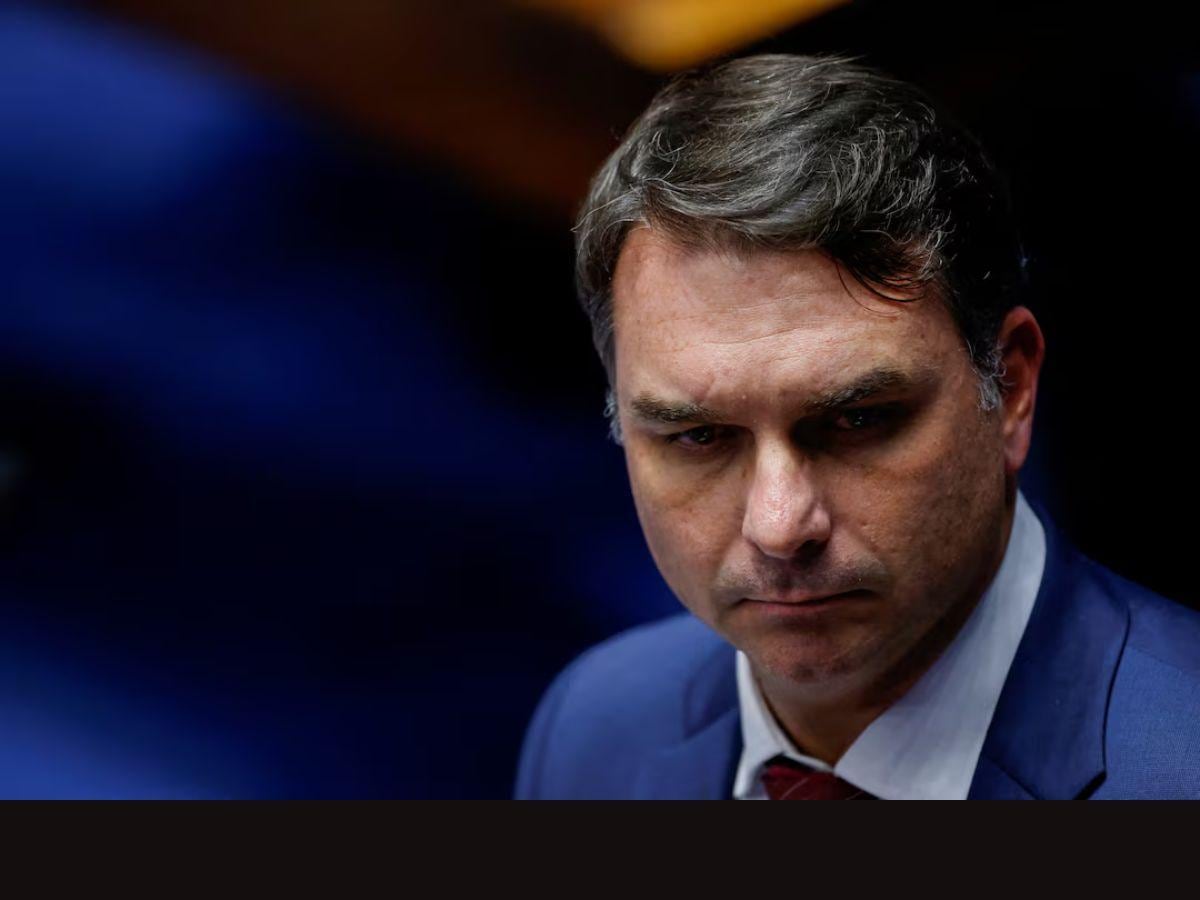
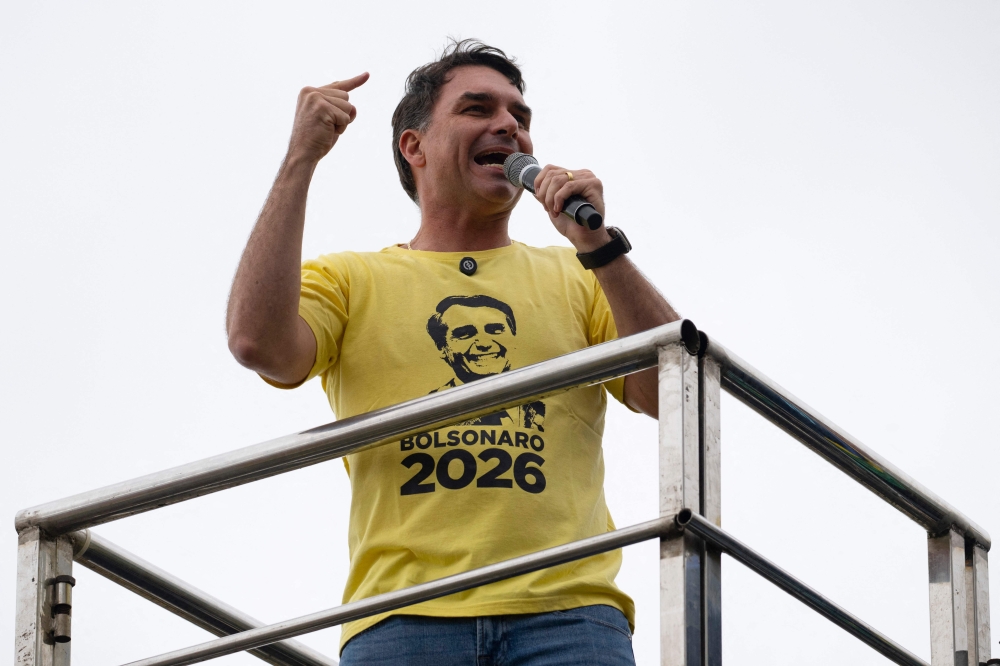
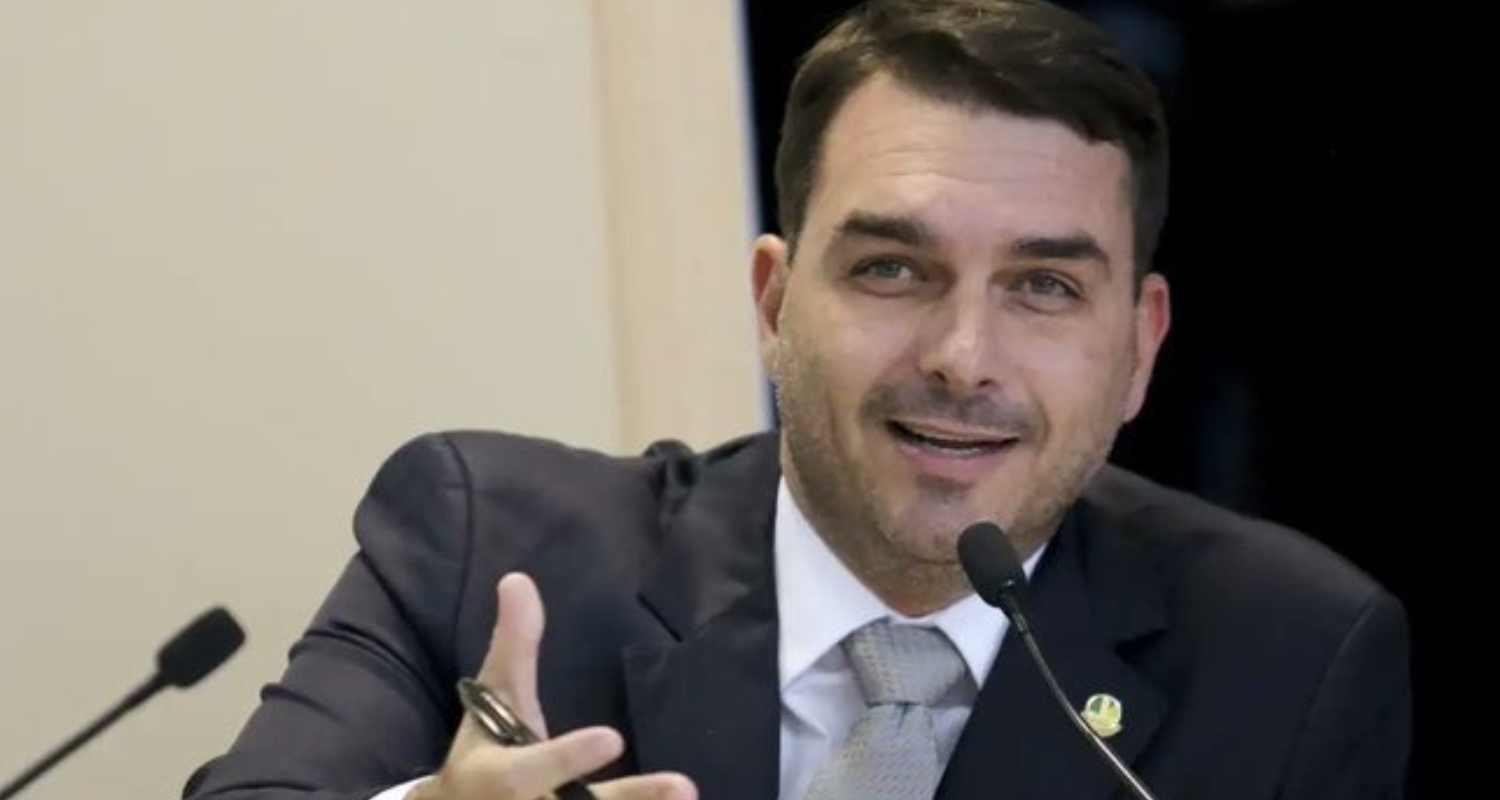
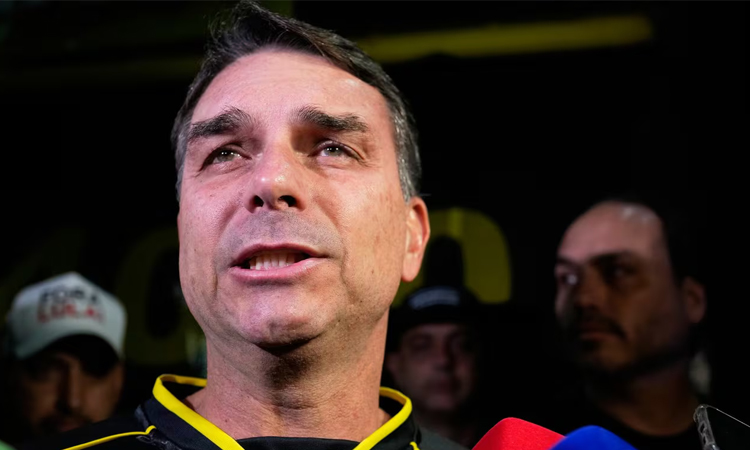
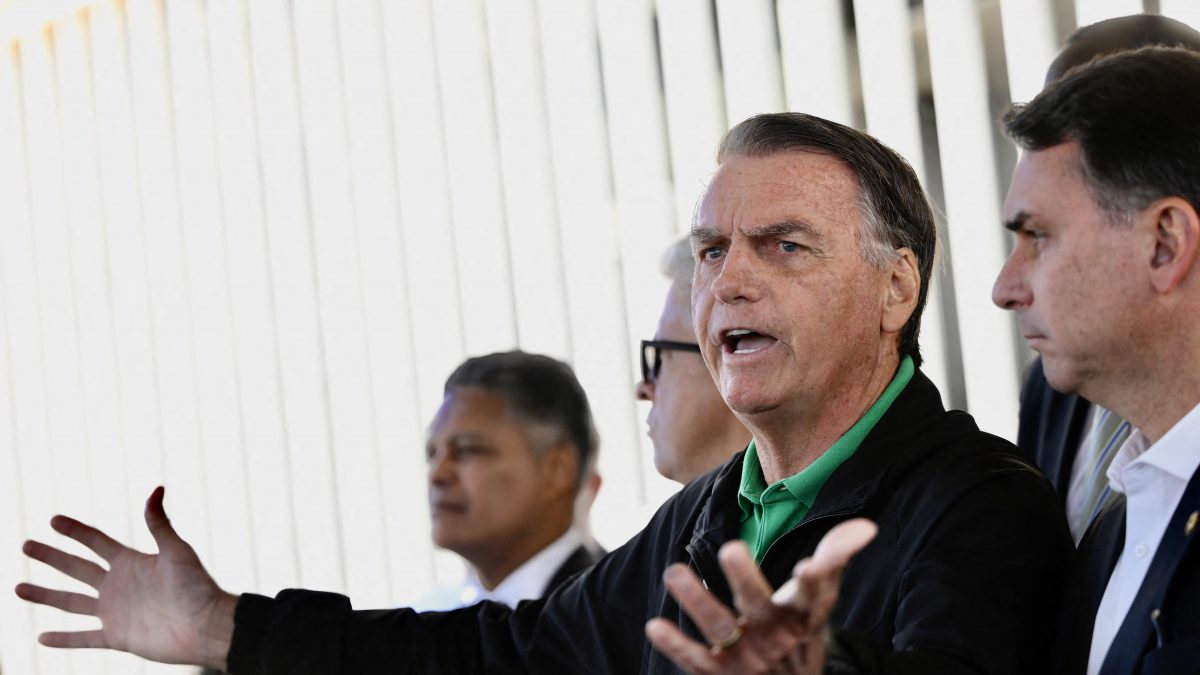
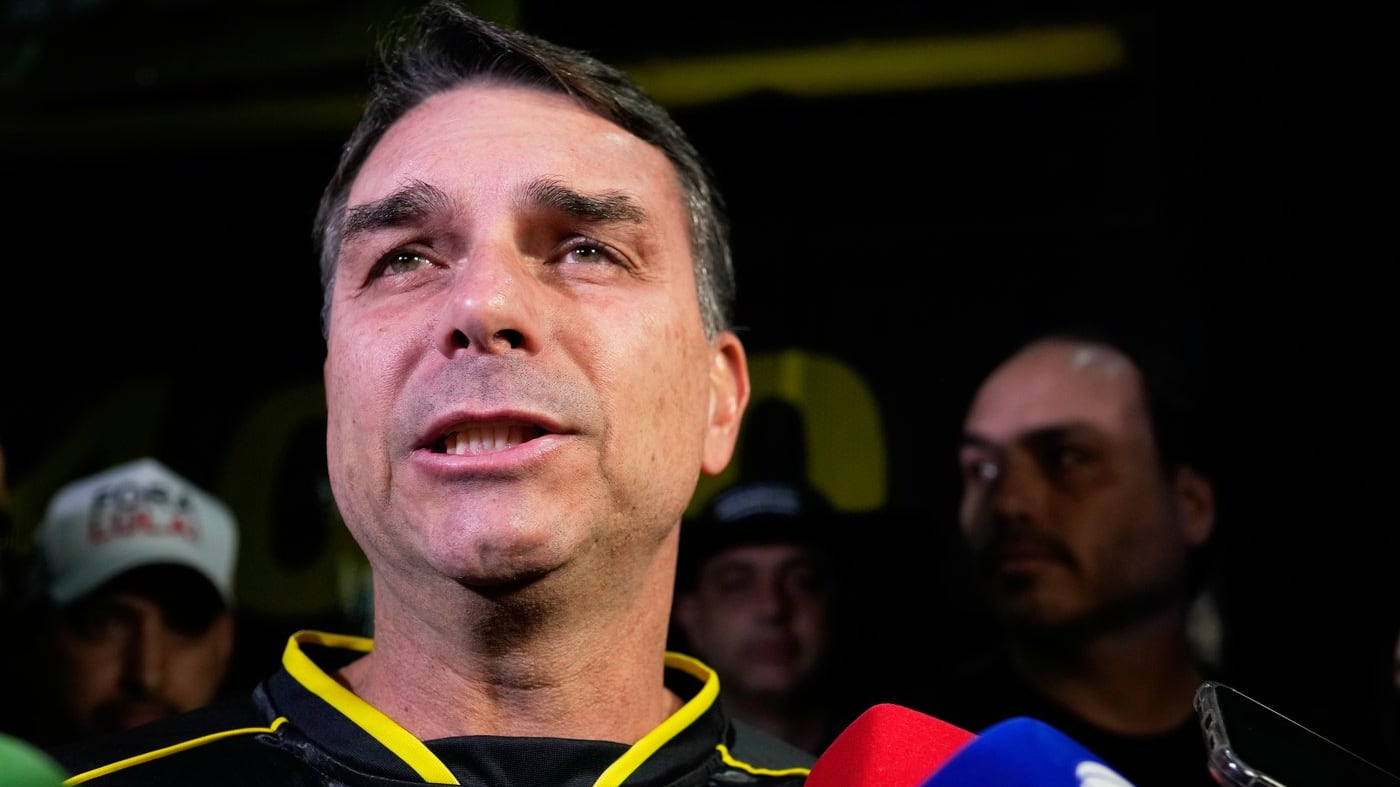
In a dramatic political maneuver that underscores Brazil's complex political landscape, Flavio Bolsonaro has positioned himself as the heir to his father's far-right political movement, announcing his candidacy for the 2026 presidential election despite significant legal and institutional obstacles.
Strategic Family Continuity: The announcement represents a calculated attempt to maintain the Bolsonaro political legacy even while former President Jair Bolsonaro remains imprisoned and legally barred from running for office until 2030. By describing his father as "Brazil's greatest political and moral leader", Flavio is explicitly positioning himself as a direct political successor, leveraging the ongoing polarization in Brazilian politics.
The political calculus is nuanced and strategically sophisticated. Despite Jair Bolsonaro's 27-year prison sentence for attempting a coup, opinion polls suggest the family retains significant political influence. This resilience is remarkable—Flavio emerges as the preferred candidate among potential successors like São Paulo Governor Tarcísio de Freitas, indicating a strong familial political brand that transcends individual legal challenges.
Ideological Persistence: Flavio's candidacy represents more than a personal political ambition; it's a continuation of the far-right movement his father initiated. By challenging incumbent President Luiz Inacio Lula da Silva, who defeated Jair Bolsonaro in 2022, the Bolsonaro family is signaling its refusal to be marginalized by legal setbacks. The potential 2026 rematch symbolizes an ongoing ideological battle that extends beyond individual political careers.
Critically, Flavio's political trajectory—from state legislator to senator, and now potential presidential candidate—demonstrates a calculated long-term strategy. Previous allegations of embezzlement, which were ultimately dismissed by courts, have not significantly damaged his political standing. This suggests a remarkable political durability that could reshape Brazil's political landscape in the coming years.
The 2026 presidential race is shaping up to be a referendum not just on individual candidates, but on the broader ideological direction of Brazilian democracy. Flavio Bolsonaro's candidacy represents a bold attempt to prove that the Bolsonaro political movement remains a potent force, capable of regeneration even under extreme legal and institutional pressure.
Questions 3
How likely is Flavio Bolsonaro to win the 2026 presidential election?
Current polls suggest the Bolsonaro movement retains significant influence, but the election remains highly competitive. Flavio's success depends on maintaining his father's political base while potentially expanding appeal beyond the core far-right constituency. The ongoing political polarization in Brazil makes precise predictions challenging.
What legal challenges might impact Flavio Bolsonaro's candidacy?
While Flavio has previously faced embezzlement allegations that were dismissed, the broader legal context of his father's imprisonment and coup attempt could create complications. Electoral courts might scrutinize his candidacy more closely, potentially using legal mechanisms to challenge his eligibility.