



Turkey's Counter-Terrorism Crackdown Reveals Complex Security Landscape for International Business
- Strategic Security Operations Reshape Risk Management for Cross-Border Traders in Geopolitically Sensitive Regions

















Overview
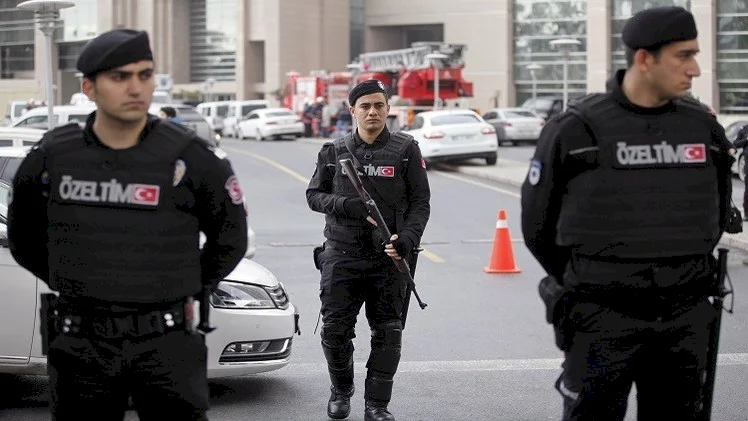
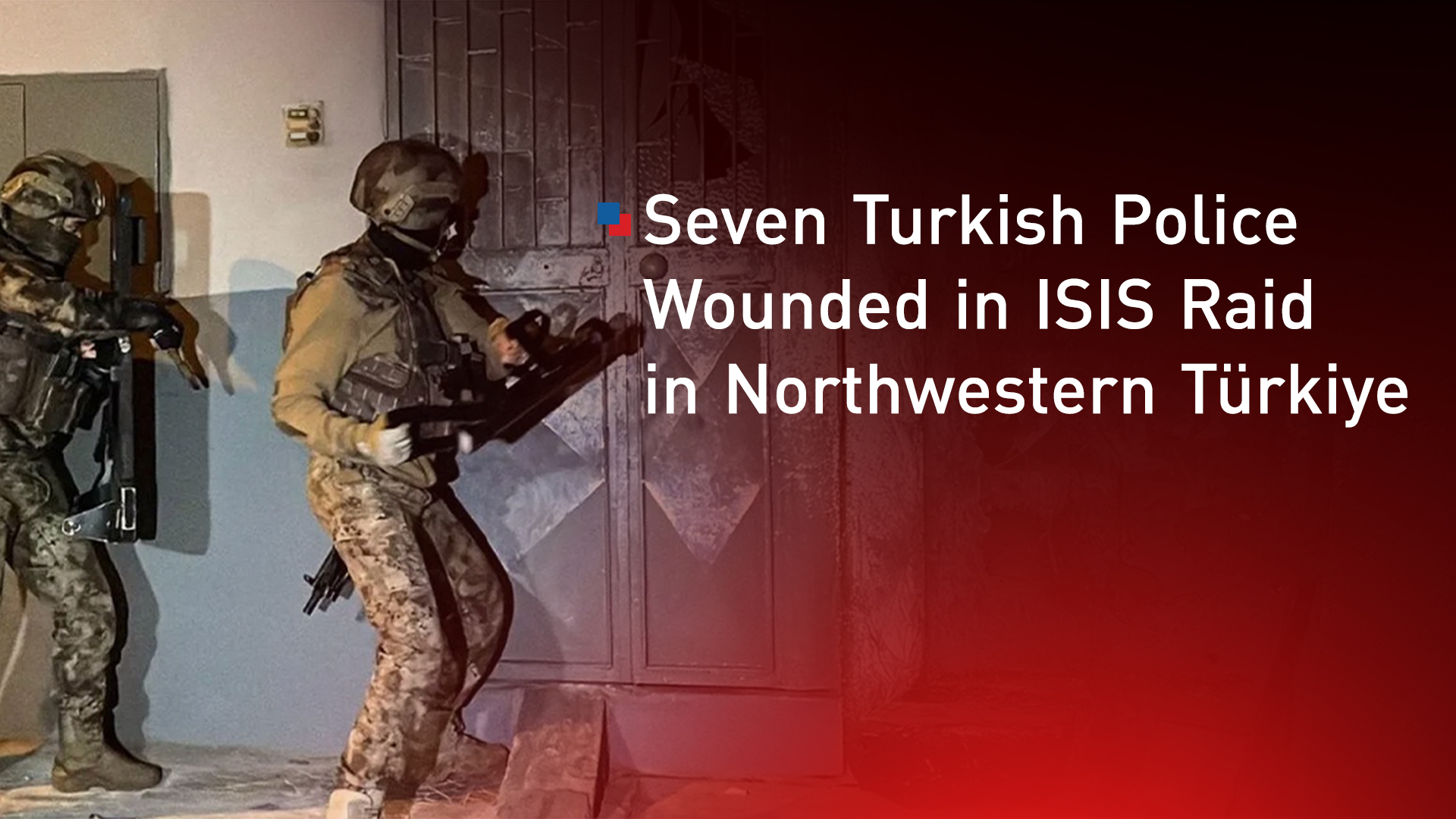
The recent anti-ISIL operations in Turkey unveil a critical intersection between national security strategies and international business risk management. With six Islamic State militants and three police officers killed in a single operation, Turkey demonstrates its commitment to comprehensive counterterrorism efforts that have profound implications for cross-border commerce.
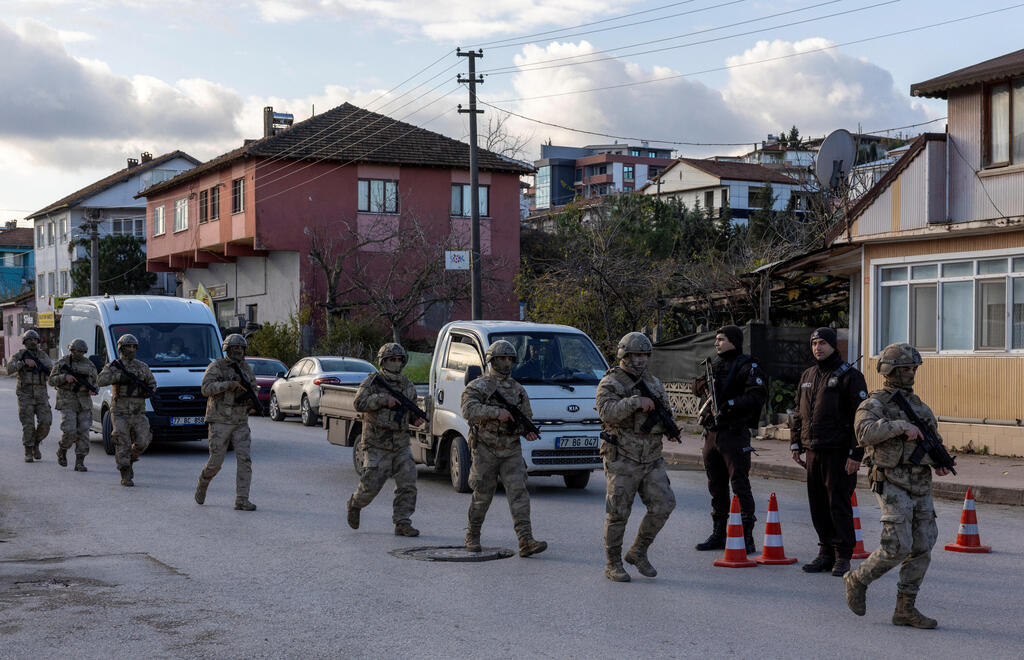
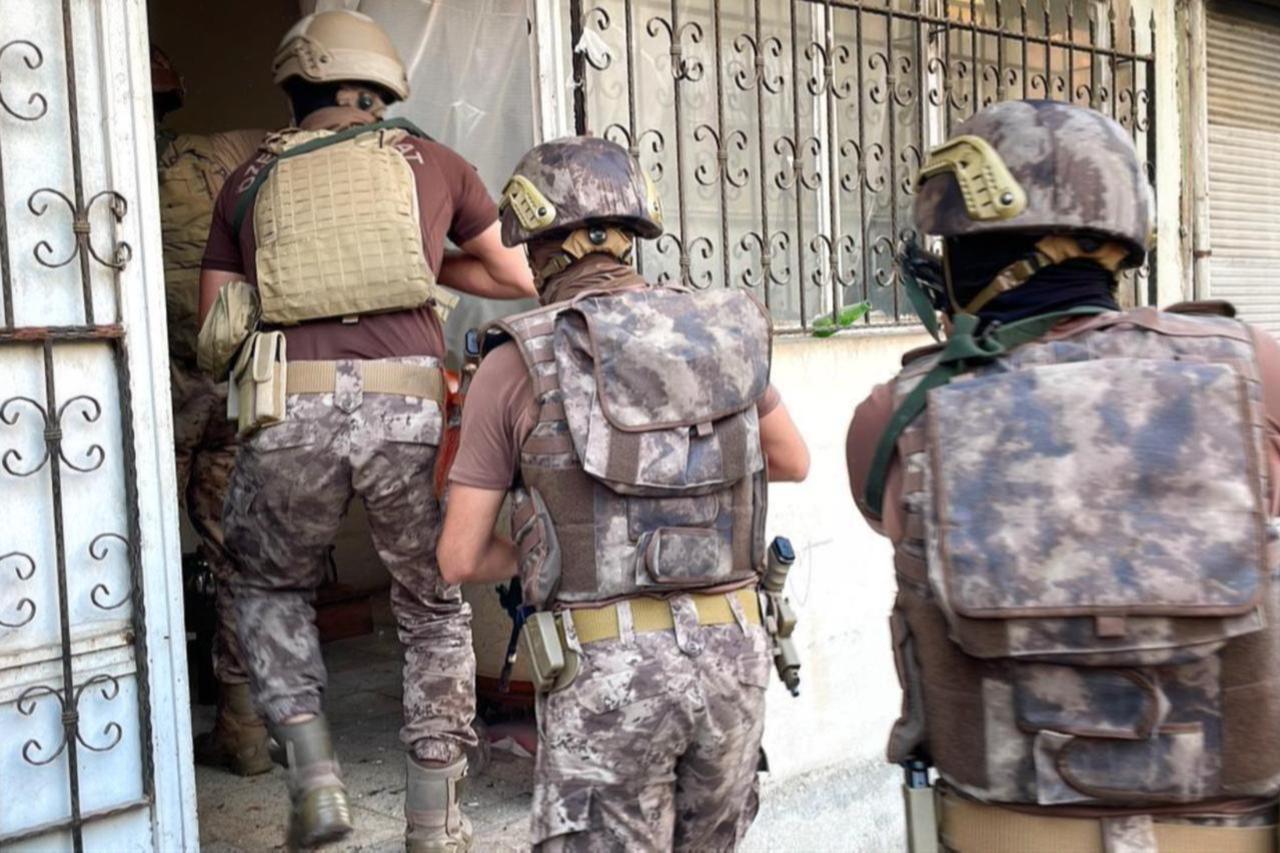
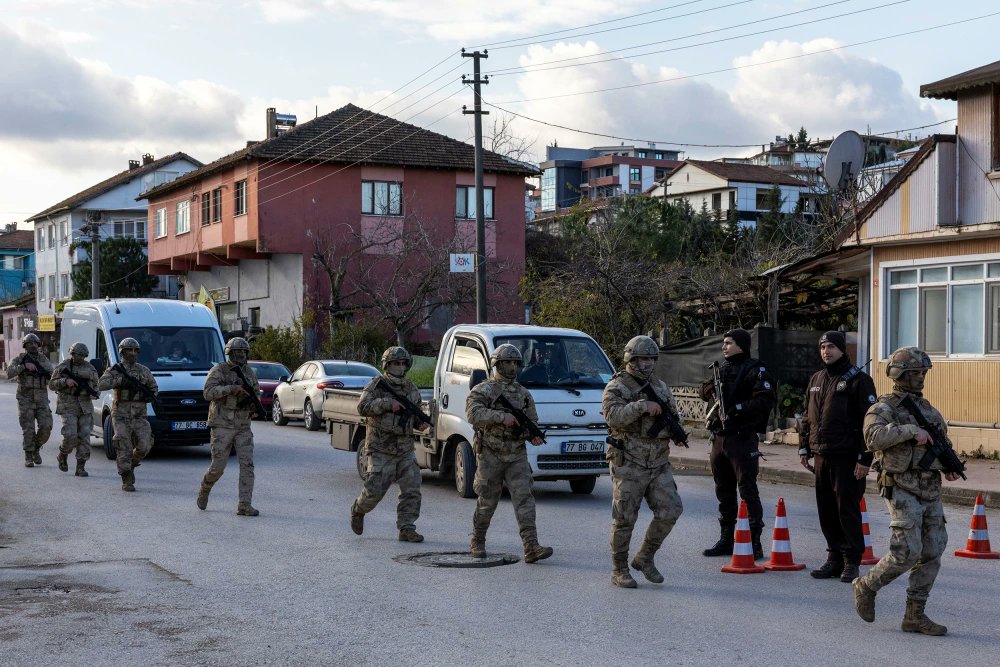
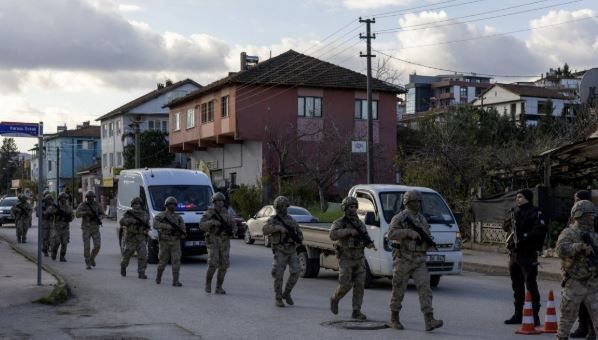
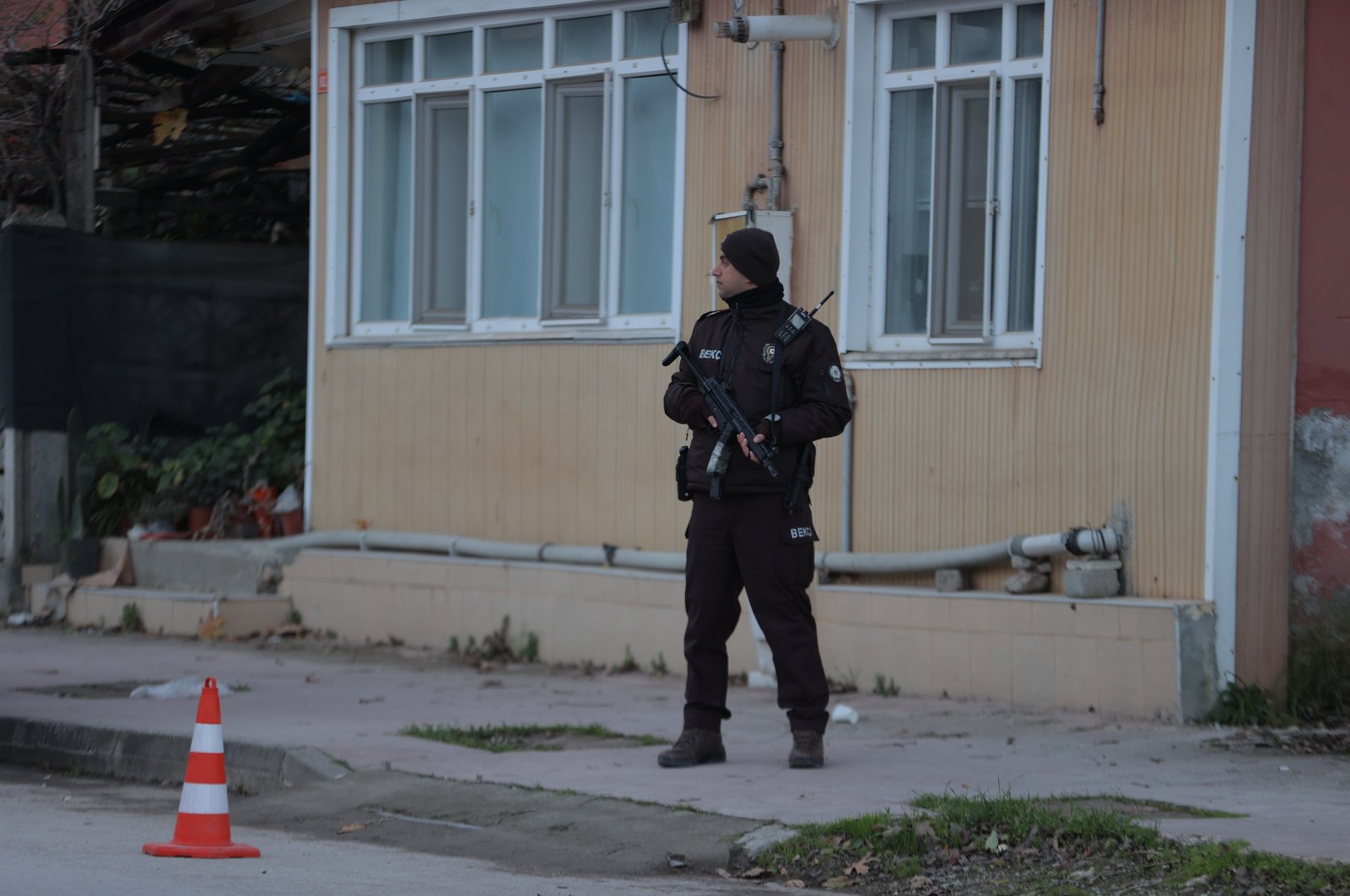
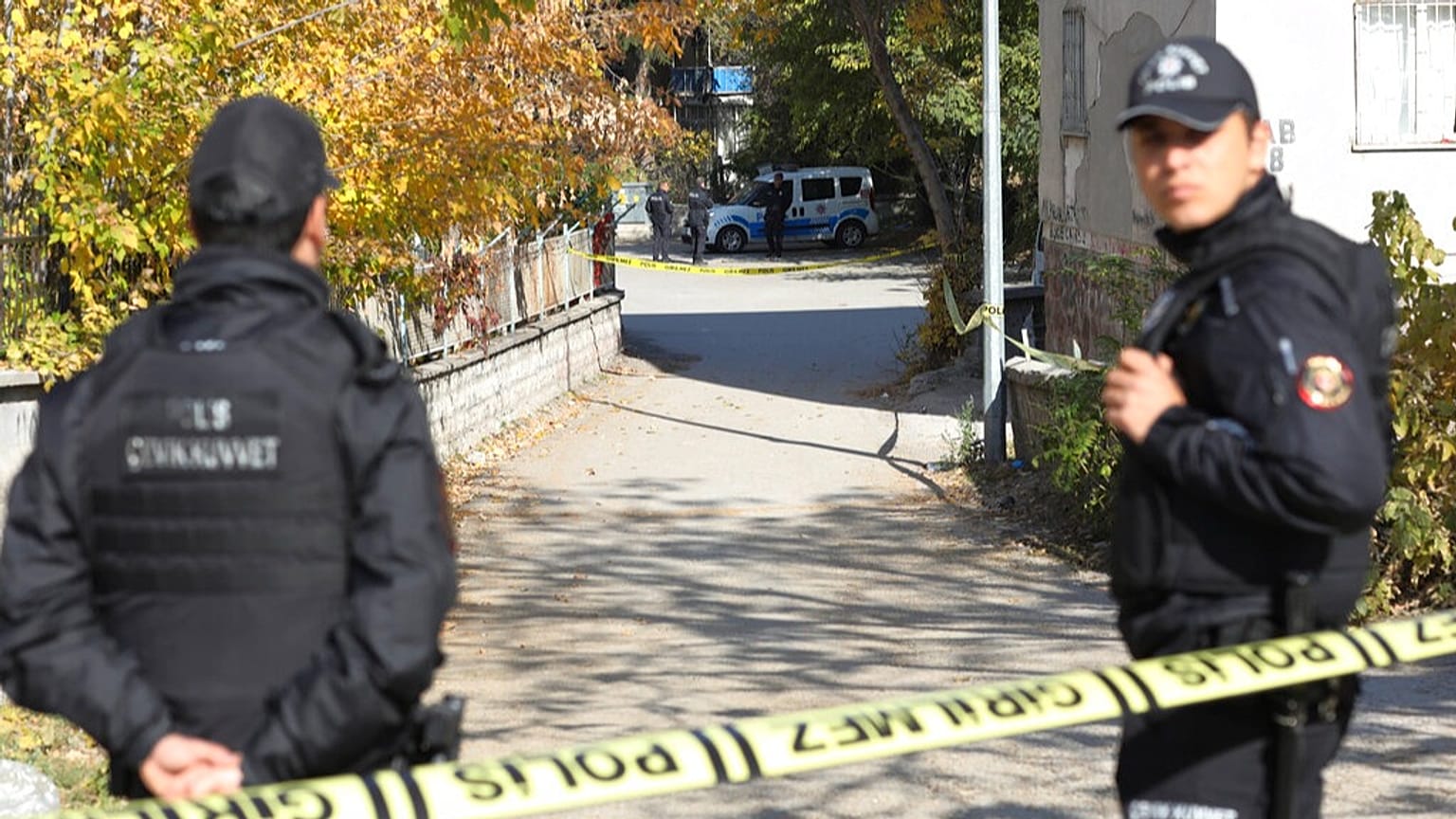
Strategic Security Dynamics: The December 29, 2025 raid across 13 provinces, involving 108 separate overnight operations, represents more than a military action—it's a sophisticated geopolitical risk mitigation strategy. Between 2013 and 2023, Turkish authorities arrested over 19,000 individuals with suspected ISIL affiliations, signaling a sustained, systematic approach to neutralizing terrorist networks. For international businesses, this reveals a critical insight: operational stability in strategically located countries like Turkey depends on robust, proactive security infrastructures.
Business Risk Landscape: These security operations send a nuanced signal to cross-border e-commerce sellers and international traders. While the immediate context is counterterrorism, the broader implication is the creation of a more predictable business environment. The comprehensive law enforcement approach suggests a national commitment to maintaining stability that extends beyond immediate security concerns. For sellers considering market entry or expansion, this demonstrates Turkey's capacity to manage complex regional challenges while maintaining economic continuity.
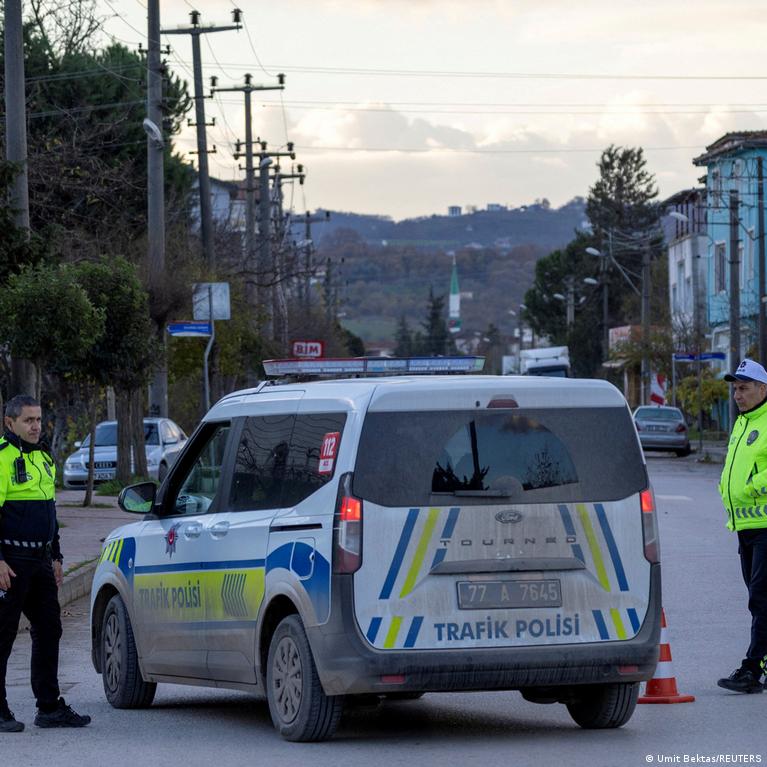
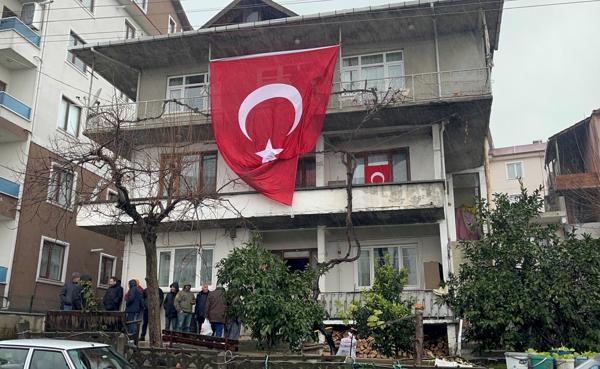
Operational Implications: The Yalova province raid, which safely evacuated five women and six children during a high-risk operation, illustrates the sophisticated risk management capabilities of Turkish security forces. International businesses must recognize that geopolitical risk is not just about avoiding conflict, but understanding how local institutions navigate complex security environments. The ability to conduct precise, targeted operations while minimizing civilian casualties represents a sophisticated approach to national security that indirectly supports a more stable business ecosystem.
Ultimately, these developments underscore a critical lesson for international traders: geopolitical risk is not a binary condition of "safe" or "unsafe," but a dynamic landscape requiring continuous assessment, adaptive strategies, and deep local intelligence.
Questions 3
What should international businesses consider when operating in regions with active security challenges?
Businesses must develop comprehensive risk assessment strategies that go beyond simple 'safe/unsafe' binary evaluations. This includes continuous local intelligence monitoring, flexible logistics planning, understanding regional security dynamics, and maintaining adaptable contingency protocols that can respond to evolving geopolitical conditions.
Are there specific indicators of a stable business environment in geopolitically sensitive regions?
Key indicators include systematic law enforcement approaches, minimal civilian impact during security operations, consistent long-term strategies (like Turkey's sustained anti-ISIL efforts), and institutional capacity to manage complex security challenges while maintaining economic continuity. The ability to conduct targeted operations without widespread disruption is a strong positive signal.