


Nuclear Safety in Crisis: IAEA's Critical Mission to Stabilize Ukraine's Radiation Infrastructure
- Unprecedented challenges in maintaining critical nuclear safety during active military conflict





)












Overview
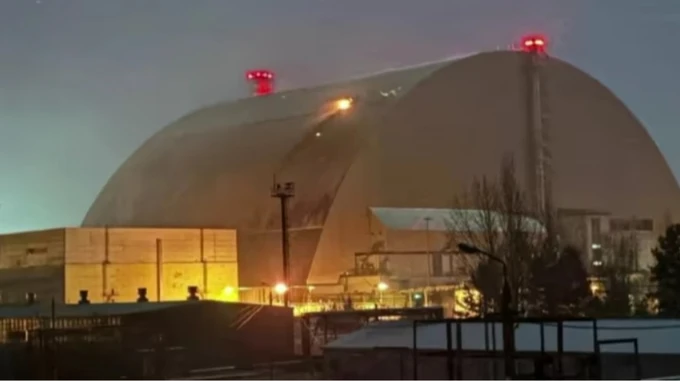
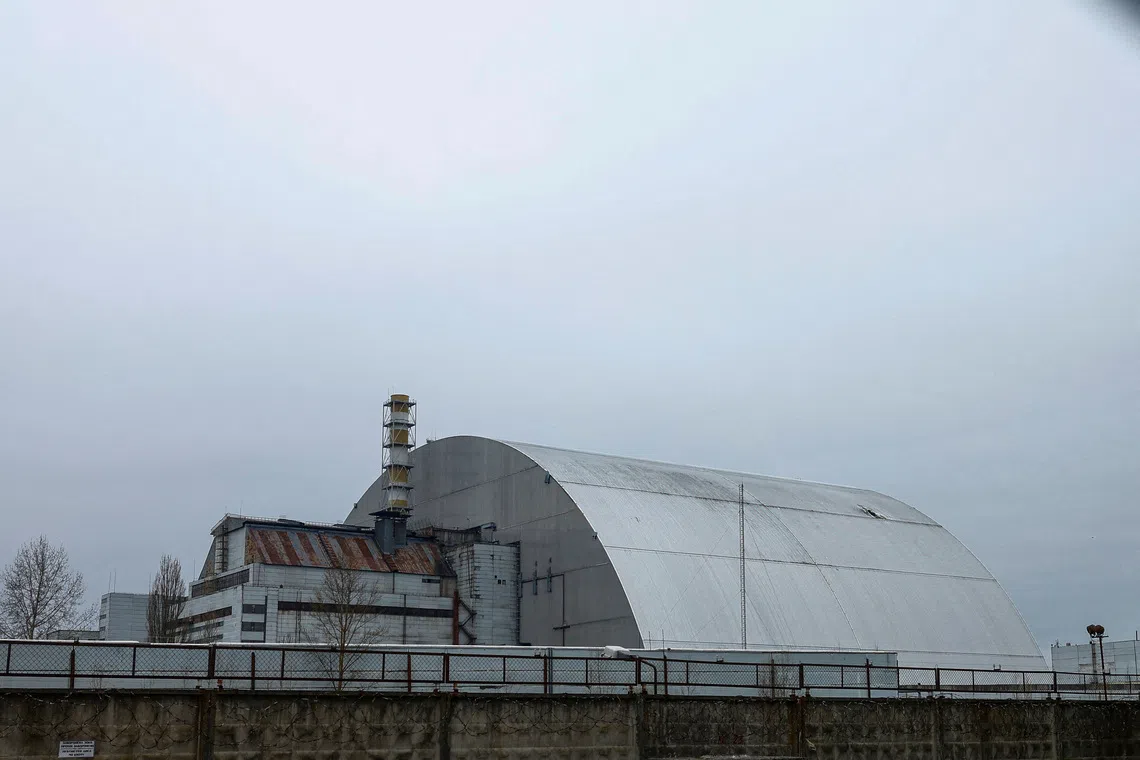
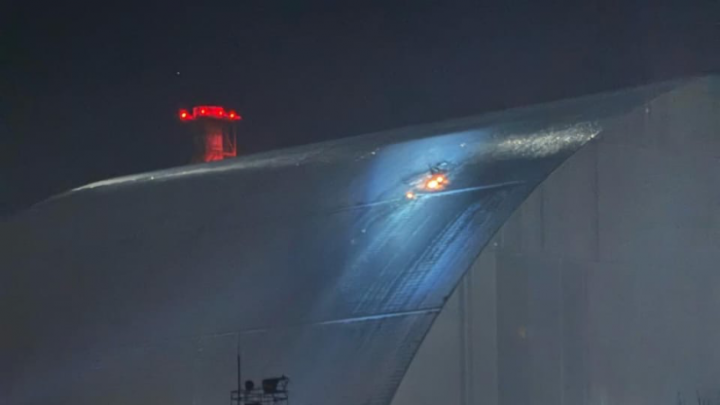
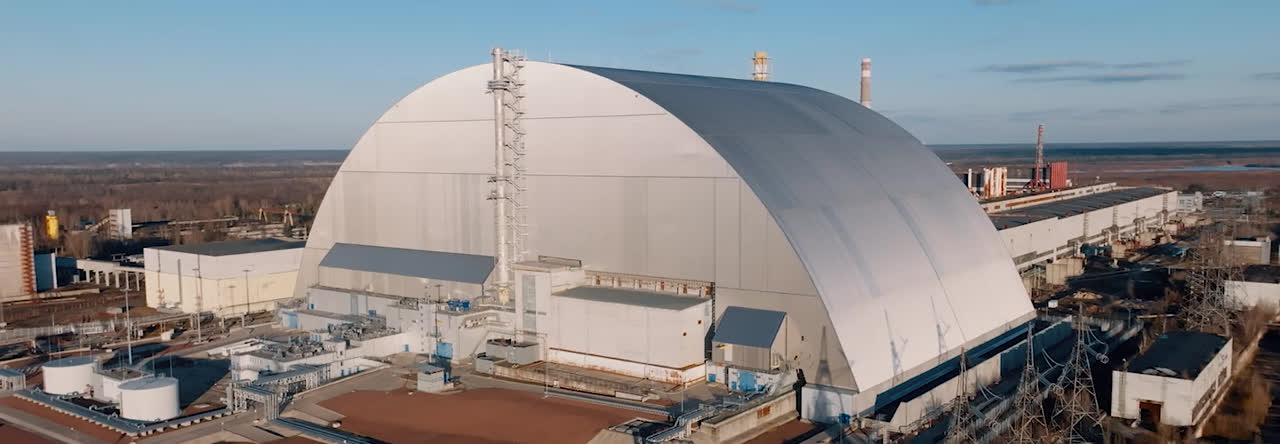
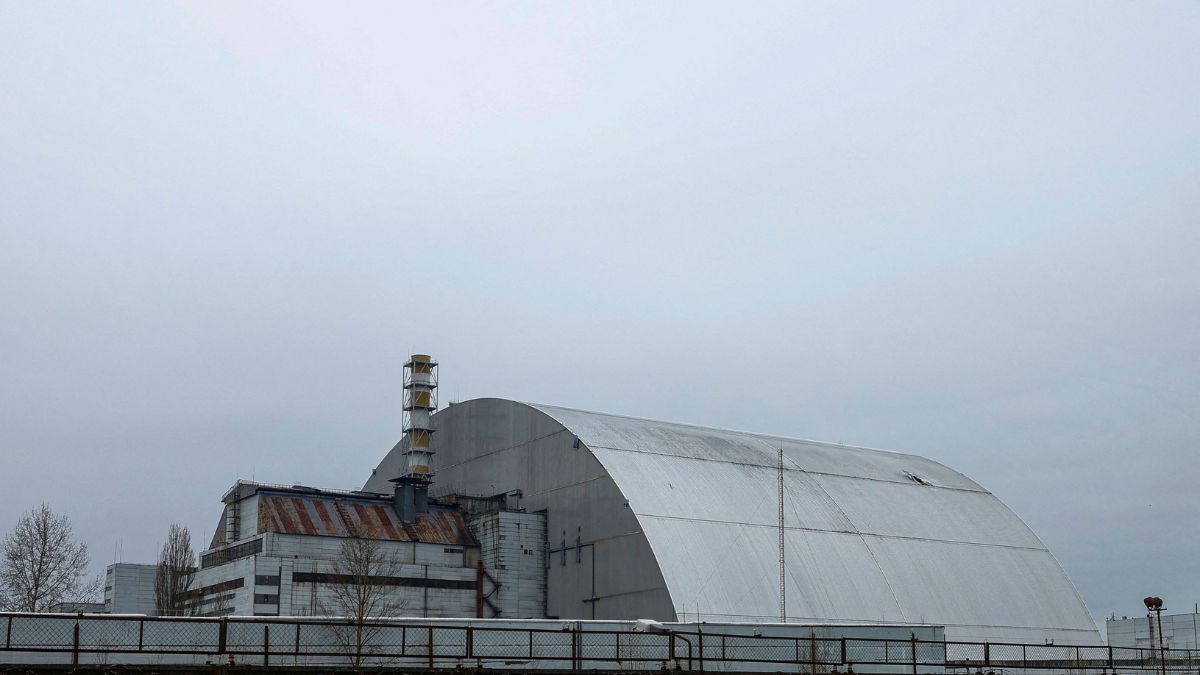
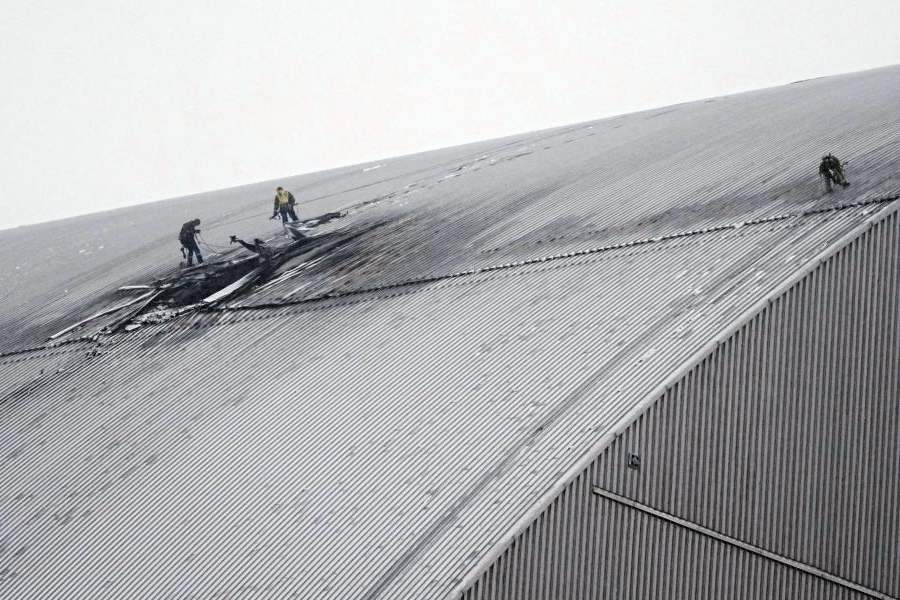
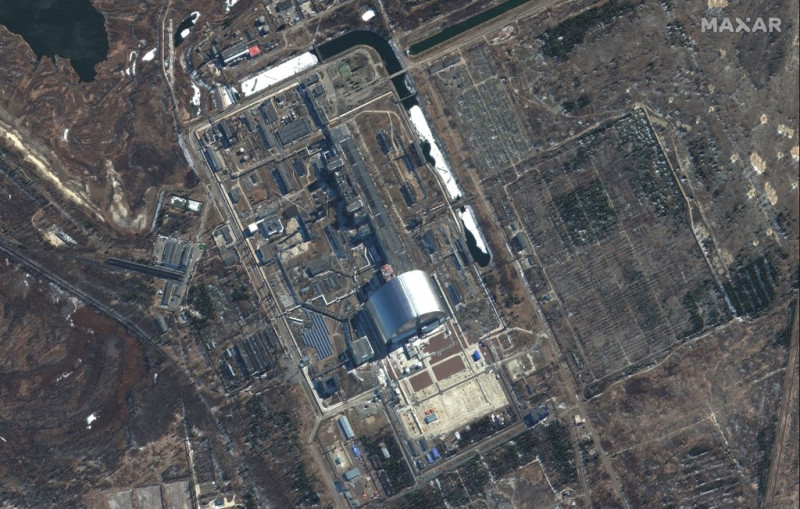
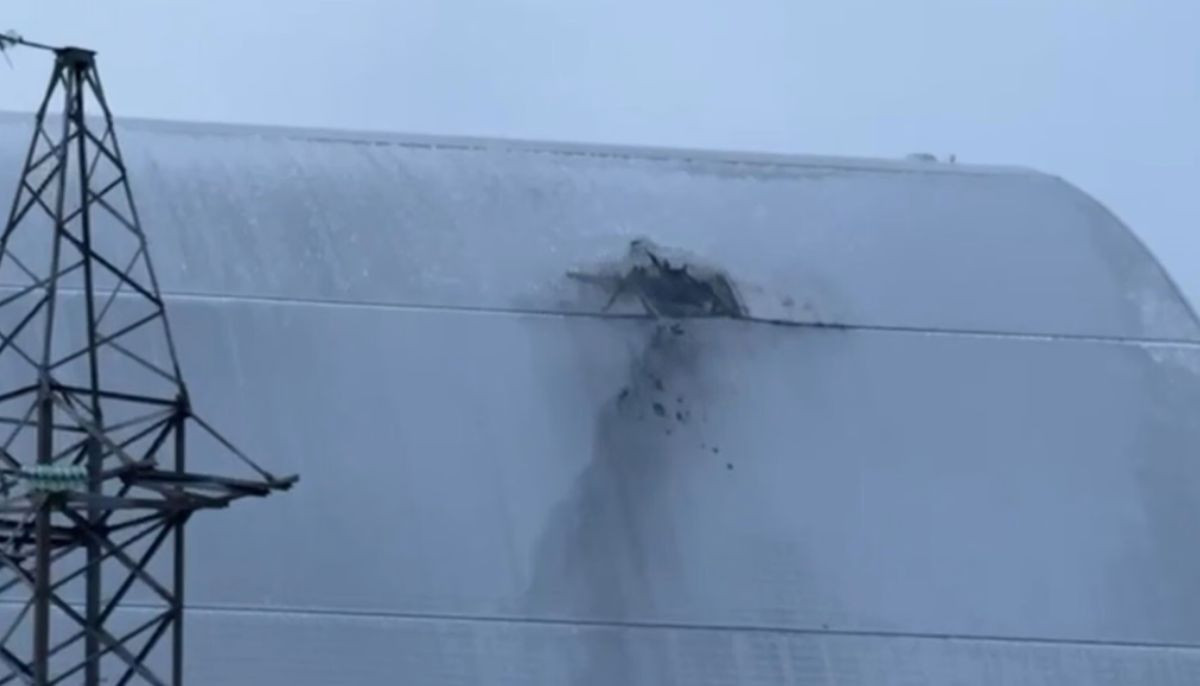
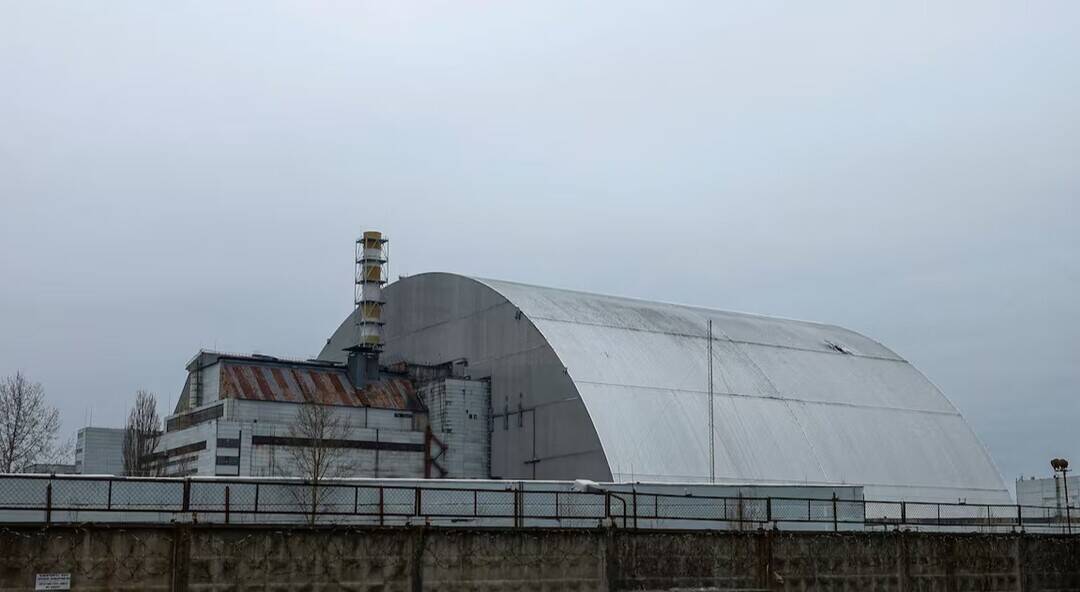
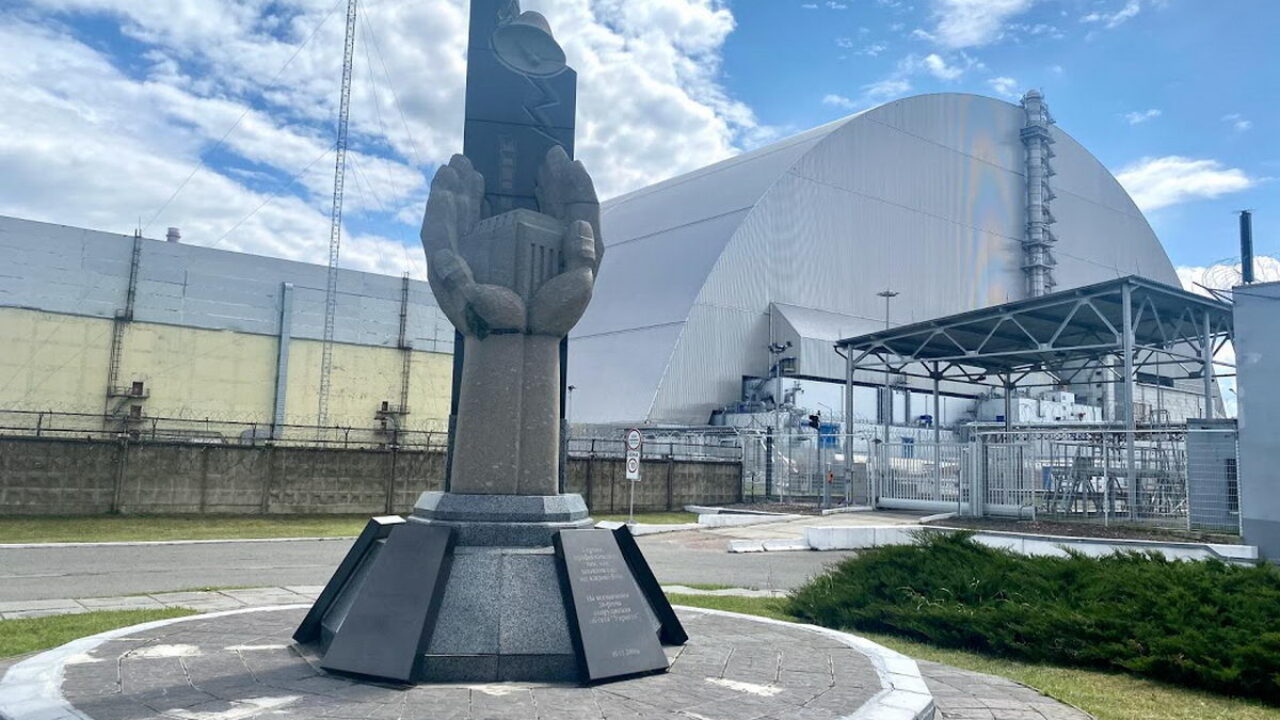
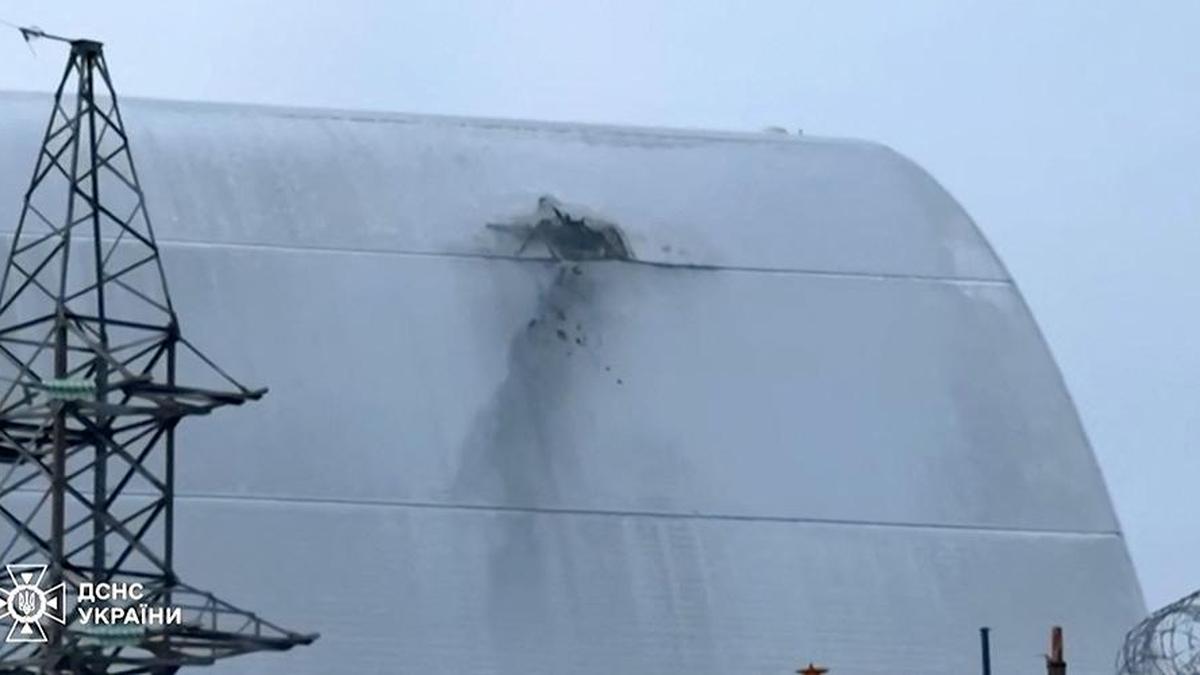
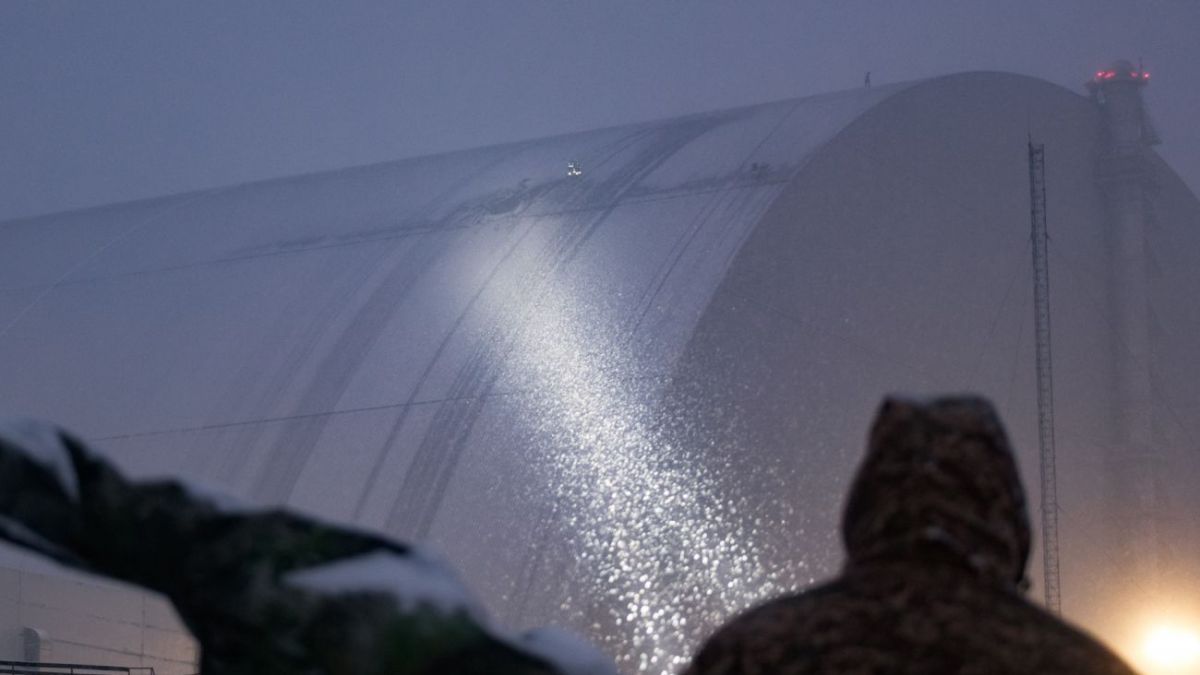
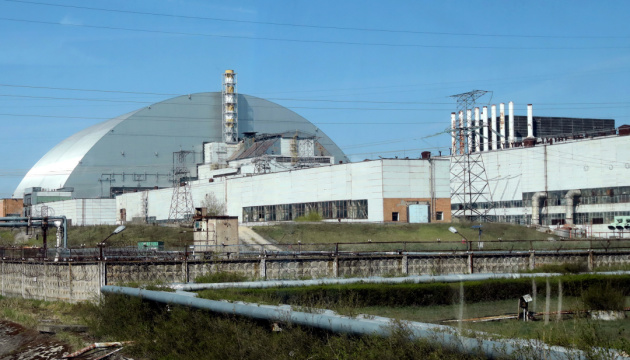
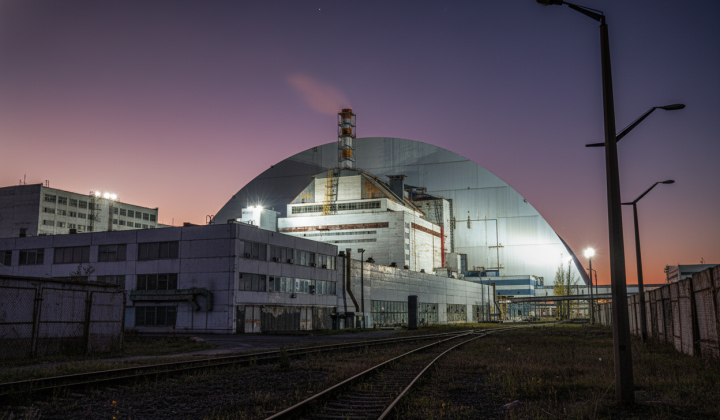
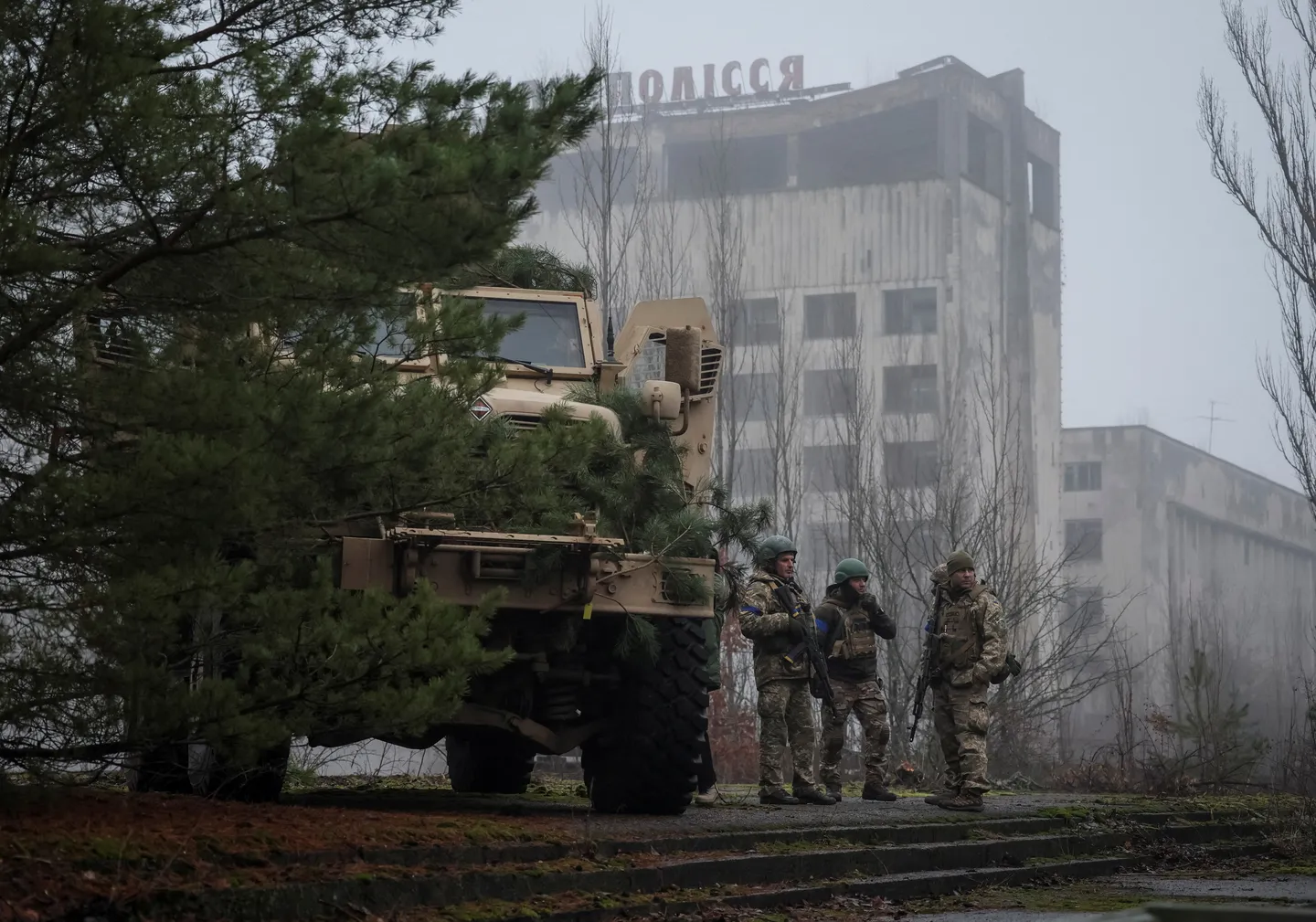
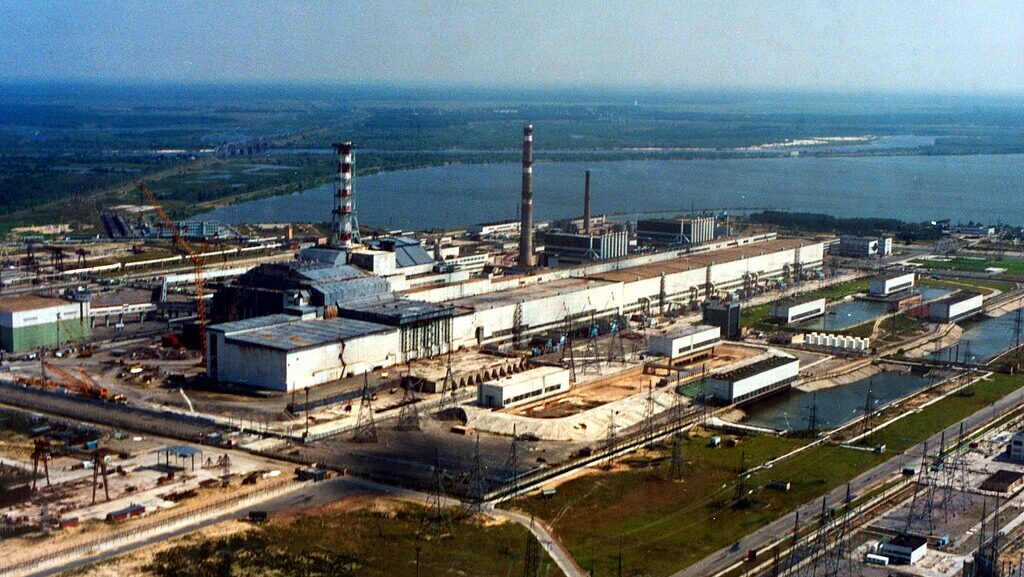
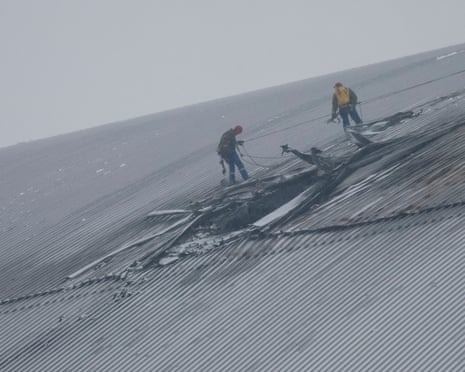
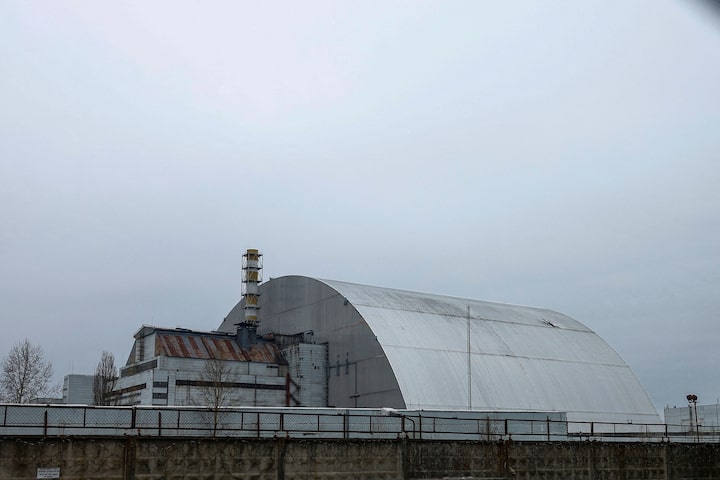
The nuclear safety landscape in Ukraine represents a critical geopolitical and technological challenge that extends far beyond traditional infrastructure management. At the epicenter of this complex scenario is the Chornobyl nuclear site, where recent drone strikes have compromised the New Safe Confinement structure, revealing the fragile nature of critical radiation containment infrastructure during ongoing military conflicts.
Strategic Infrastructure Vulnerability emerges as the core narrative from the IAEA's comprehensive assessments. The agency's December 1-12 mission uncovered significant challenges across over ten critical electrical substations, highlighting how military operations directly threaten nuclear safety systems. The Chornobyl site's protective shield damage symbolizes a broader systemic risk: infrastructure designed for long-term stability can be rapidly compromised by targeted military interventions.
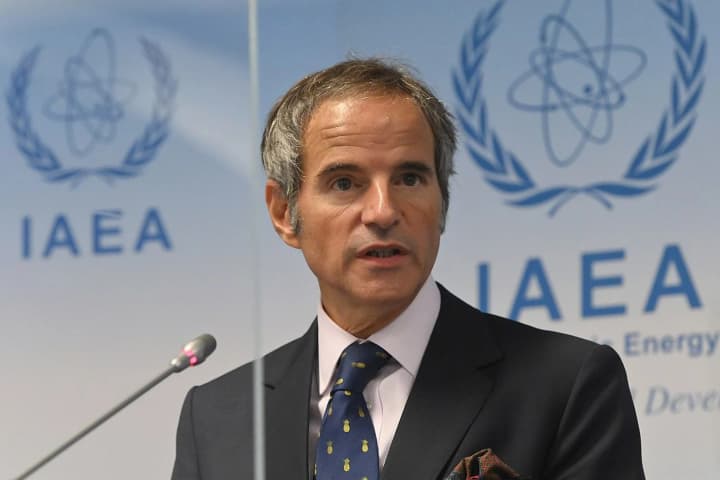
Operational Resilience Under Pressure is demonstrated through the IAEA's proactive approach. Director General Rafael Mariano Grossi's team has not merely documented damage but actively delivered equipment and supplies valued at over 21 million euros to support nuclear safety efforts. This intervention underscores a critical insight: maintaining nuclear safety requires continuous, adaptive expertise that can respond to dynamic conflict environments. The limited temporary repairs at the Chornobyl site reveal the nuanced challenge of preserving complex technological systems under extreme geopolitical stress.
The ongoing missions reveal a profound strategic implication: nuclear infrastructure management has become a critical geopolitical competency. Traditional approaches of static safety protocols are insufficient in environments of active military conflict. The IAEA's work demonstrates that nuclear safety now requires real-time assessment, rapid response capabilities, and a holistic understanding of how geopolitical tensions can instantaneously transform technological vulnerabilities.
For global stakeholders, this represents more than a localized challenge—it signals a fundamental shift in how critical infrastructure must be conceptualized, monitored, and protected in an era of increasingly complex geopolitical tensions. The ability to maintain technological integrity under extreme external pressures has become a new benchmark for national and international security infrastructure.
Questions 3
What are the broader implications of these nuclear infrastructure challenges?
These challenges reveal that nuclear safety has become a dynamic geopolitical competency requiring real-time assessment and adaptive expertise. The ability to maintain technological integrity under external pressures is now a critical national and international security benchmark, extending beyond traditional static safety protocols.
What specific damage did the drone strike cause to the Chornobyl nuclear site?
The drone strike in February damaged the New Safe Confinement structure, compromising its primary radiation blocking functions. While no permanent structural damage occurred, the protective shield lost its essential safety capabilities, requiring immediate assessment and limited temporary repairs by the IAEA.