



Russia's Legal Firewall Emerges Global Judicial Defiance Strategy
- Putin's Legal Isolation Signals Unprecedented Challenge to International Accountability Mechanisms





Overview
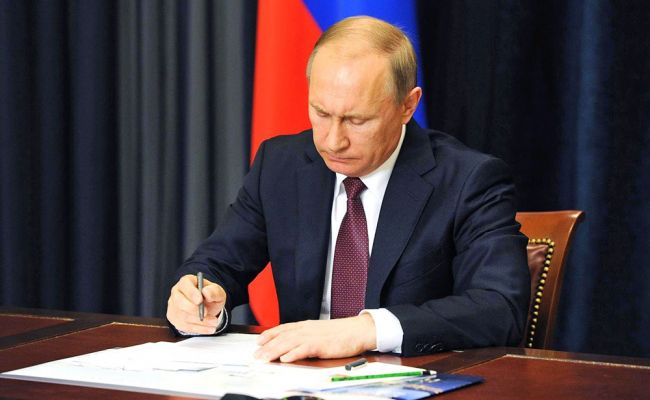
In a bold geopolitical maneuver, Russia is constructing a legal fortress that fundamentally challenges international judicial norms. On December 29, 2025, President Vladimir Putin signed landmark legislation allowing Russia to unilaterally disregard criminal rulings from foreign and international courts, representing a strategic pivot toward legal sovereignty and institutional rejection.
The legislative framework represents more than a procedural adjustment—it's a calculated geopolitical instrument designed to shield Russian officials from potential international prosecution. Specifically targeting judicial proceedings related to the Ukraine conflict, the law provides a comprehensive mechanism for Russia to ignore external legal challenges, particularly those emerging from the International Criminal Court (ICC) and Western-aligned judicial bodies.
This development signals a profound transformation in international legal interactions. By explicitly preventing Russian courts from recognizing foreign criminal rulings where Russia was not a direct proceeding party, Putin is essentially creating a legal firewall that neutralizes potential international legal consequences. The timing is particularly significant, coming directly after the ICC's March 2023 arrest warrant against Putin for alleged Ukrainian child deportations—a charge the Kremlin has consistently and categorically denied.
For international businesses and legal entities, this represents a seismic shift in cross-border engagement risk. Multinational corporations must now navigate an increasingly unpredictable legal landscape where Russia may unilaterally reject judicial proceedings. The implications extend far beyond immediate legal mechanics: this move demonstrates Russia's broader strategy of institutional non-compliance and challenges the fundamental assumptions of global accountability mechanisms.
The legislative approach reveals a calculated geopolitical chess move. By systematically constructing legal barriers, Russia is not merely defending against specific charges but fundamentally rewriting the rules of international judicial engagement. This signals a new era of potential legal isolation, where traditional diplomatic and judicial pressure points may become increasingly ineffective against state actors willing to completely redefine engagement frameworks.
Questions 3
What are the broader geopolitical implications of Russia's legal isolation strategy?
Russia is fundamentally challenging international accountability mechanisms by constructing legal barriers that neutralize external judicial pressure. This strategy signals a willingness to operate outside traditional diplomatic frameworks, potentially encouraging other states to similarly challenge international legal norms and reduce the effectiveness of global governance institutions.
What specific legal protections does Russia's new law provide for government officials?
The law allows Russia to ignore criminal rulings from foreign courts where it was not a direct party to proceedings, effectively creating a legal shield for Russian officials facing international prosecution. This specifically targets potential ICC charges, like the arrest warrant related to alleged Ukrainian child deportations, by providing a mechanism to reject external judicial oversight.