


Syria's Sectarian Powder Keg Threatens Regional Stability and Business Landscape
- Escalating Alawite-Sunni Tensions Expose Critical Market Risks in Post-Assad Syria












Overview
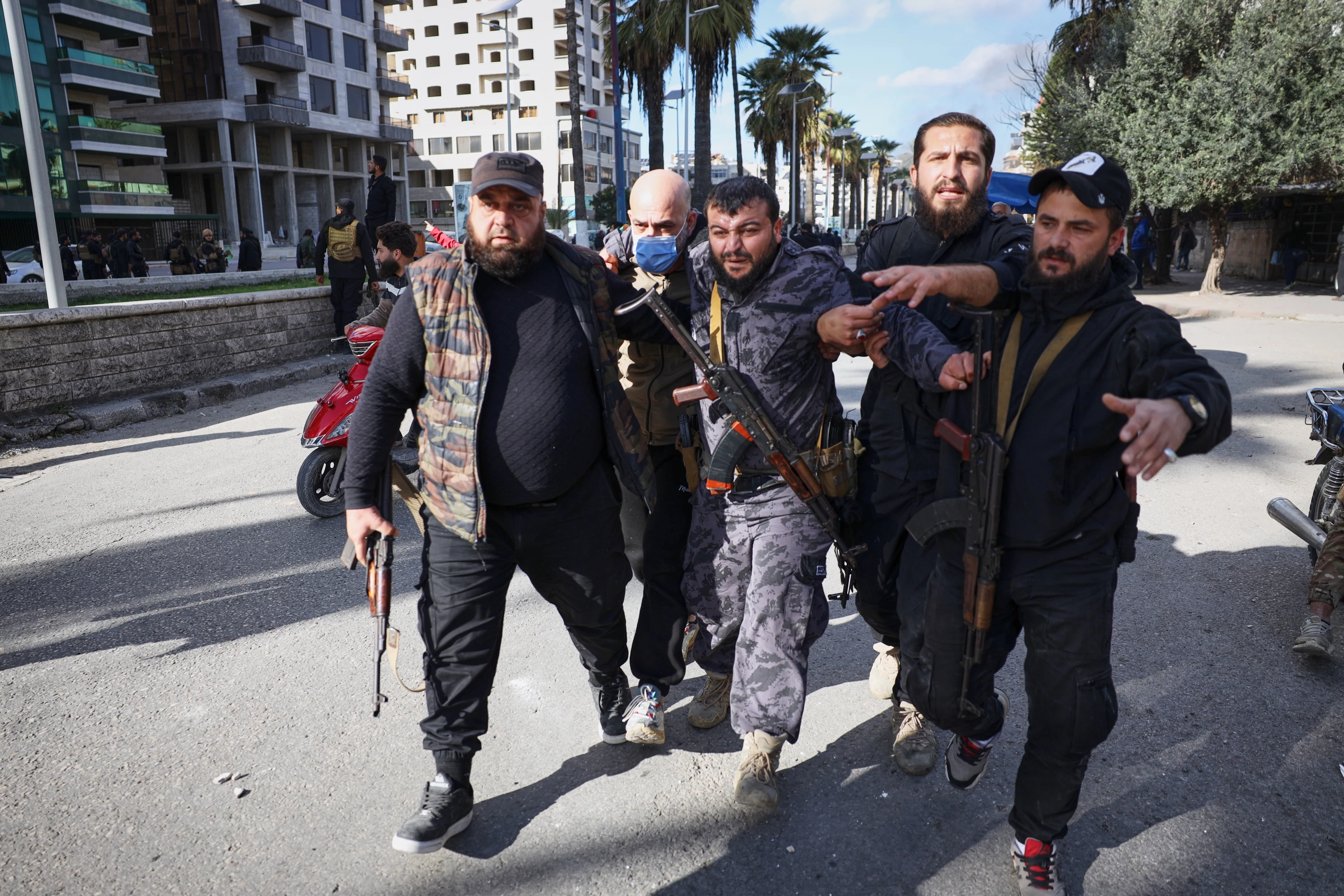
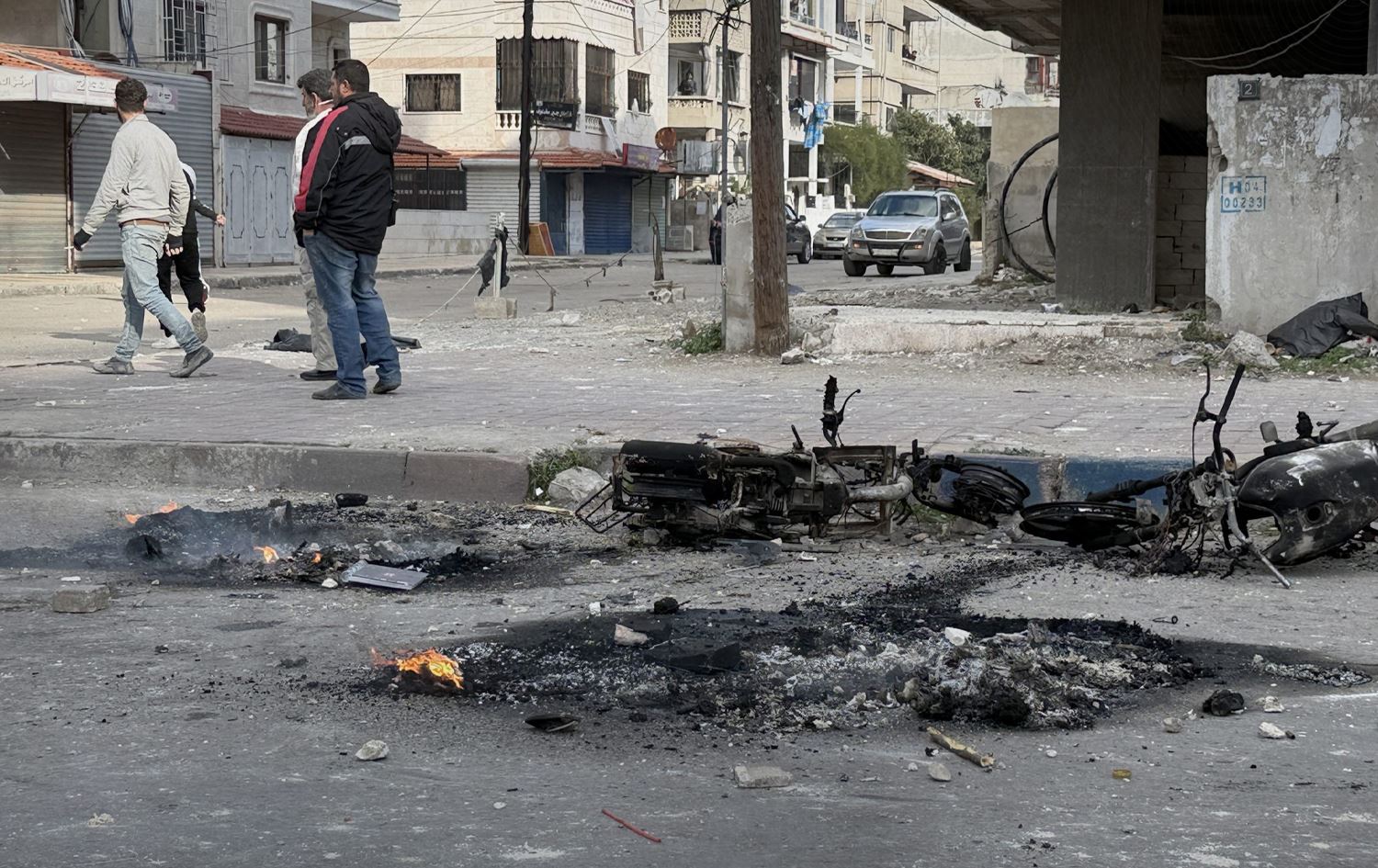
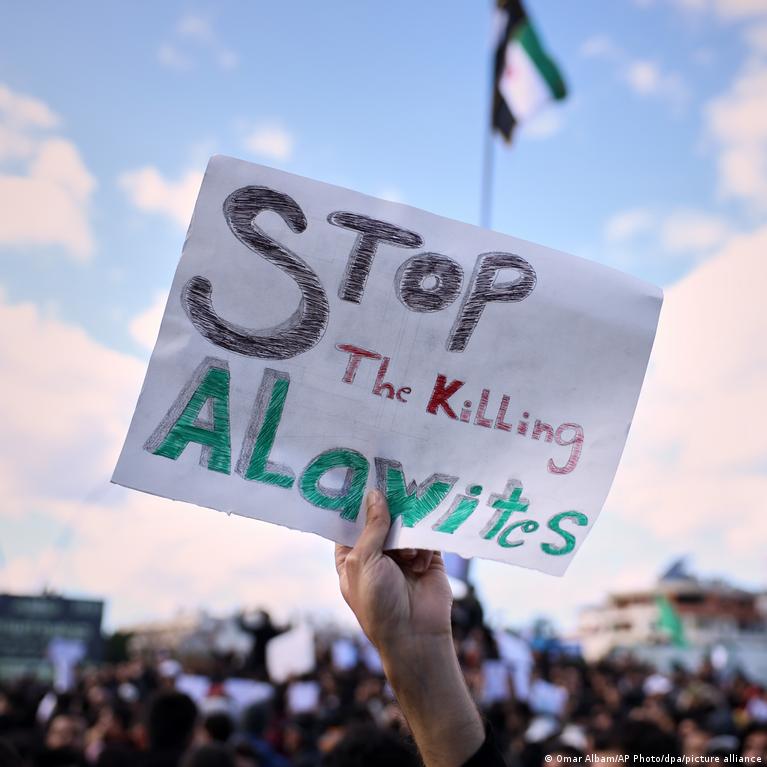
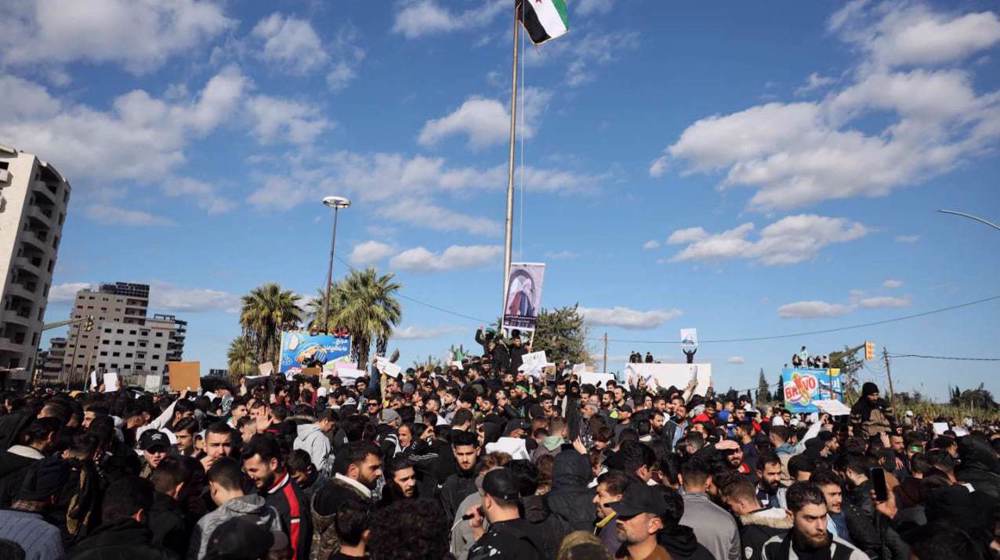
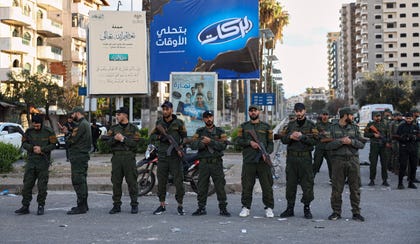
The Syrian sectarian landscape is rapidly transforming into a volatile powder keg of ethnic and religious tensions, signaling profound implications for regional stability and cross-border business operations. In a series of violent confrontations across coastal regions, Alawite minority groups have emerged as a critical flashpoint, experiencing systematic marginalization and targeted attacks in the post-Bashar Assad era.
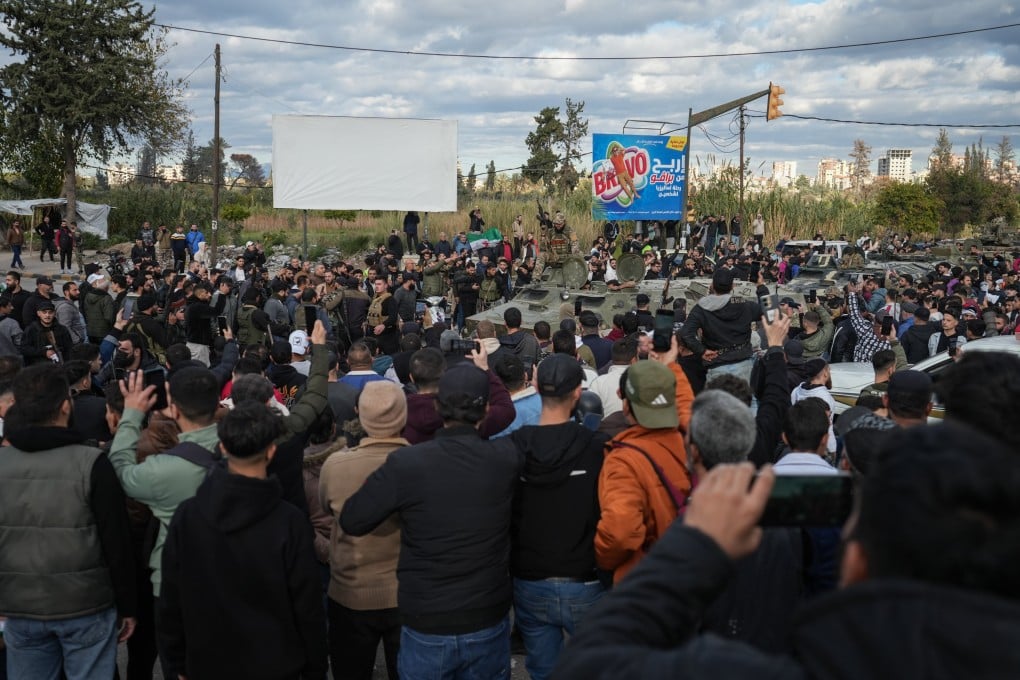
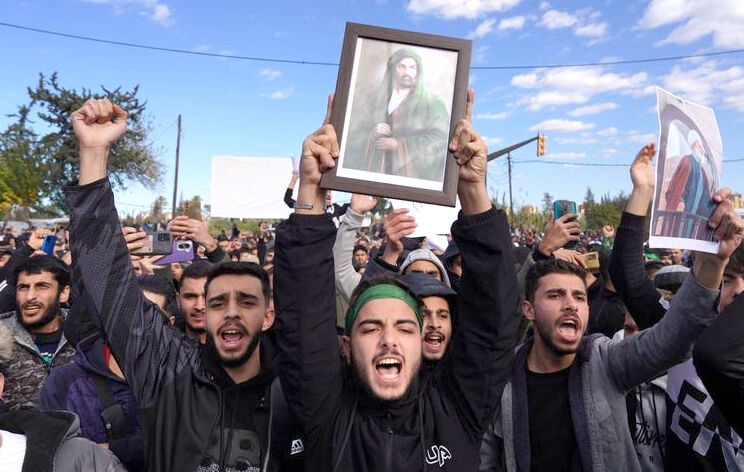
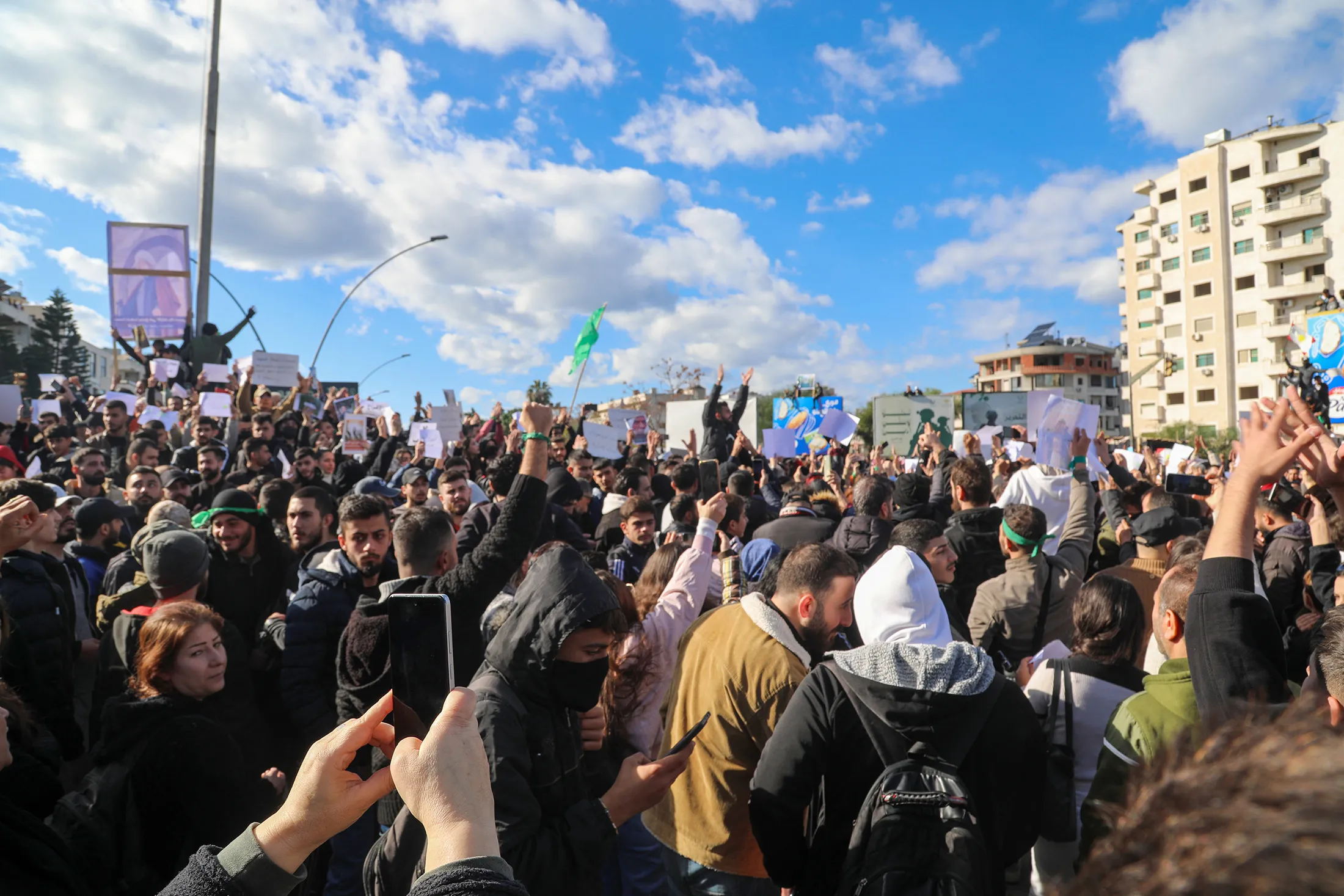
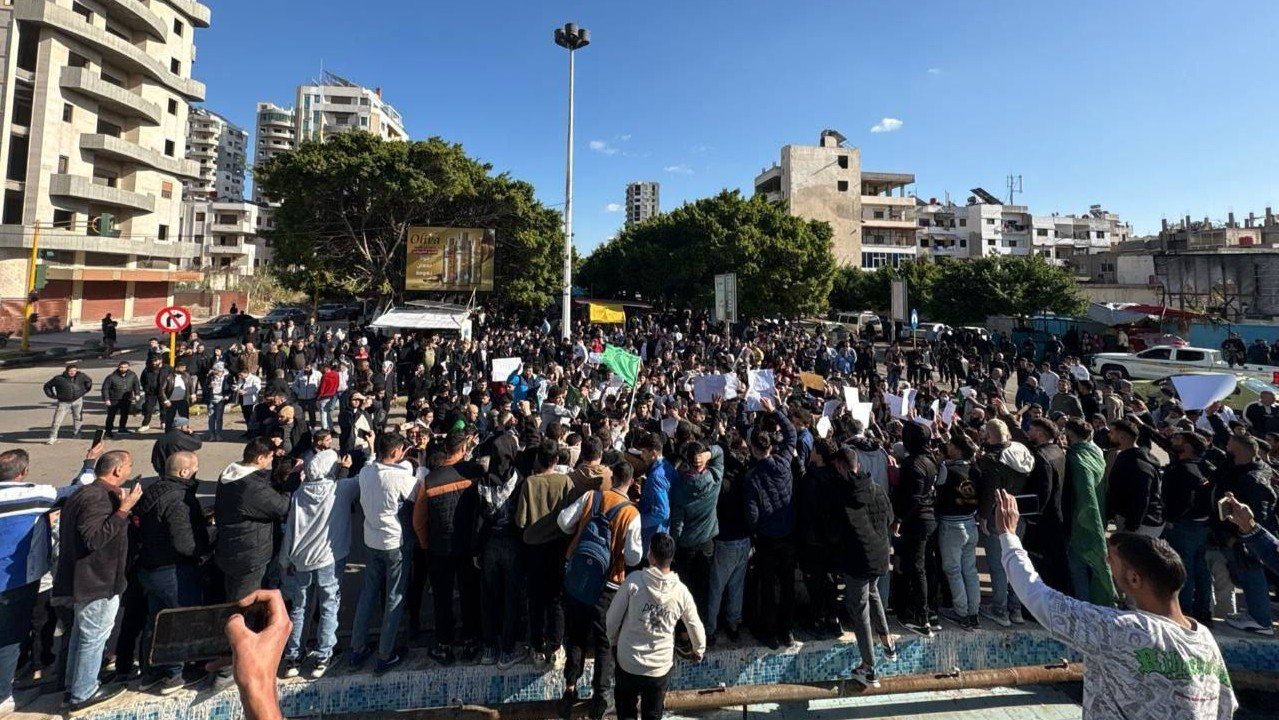
The recent eruption of violence, marked by deadly protests in Latakia and Tartous, reveals a complex geopolitical dynamic where historical power structures are collapsing. Between December 2024 and 2025, at least 11 people have been killed and over 160 injured in sectarian clashes, with the Sunni extremist group Saraya Ansar al-Sunna claiming responsibility for provocative attacks targeting Alawite communities.
Strategic Implications for Business and Geopolitics: The ongoing instability represents more than just localized conflict—it signals a fundamental restructuring of Syria's social and political ecosystem. The Alawite community, previously dominant during Assad's regime, now finds itself systematically pushed to the margins. This power vacuum creates unprecedented uncertainty for international businesses, with potential disruptions including:
- Unpredictable Supply Chain Risks: Security challenges make logistics and operational planning extremely complex
- Investment Uncertainty: The volatile political environment deters long-term economic commitments
- Potential Regional Spillover: Tensions could escalate beyond Syria's borders, impacting broader Middle Eastern market dynamics
The emergence of leaders like Ghazal Ghazal, calling for political federalism and self-determination, suggests that the Alawite minority is actively seeking structural political reforms. This indicates a potential long-term reconfiguration of Syria's governance model, which could fundamentally reshape economic and strategic opportunities in the region.
For businesses and policymakers, the message is clear: Syria represents a high-risk, high-volatility environment requiring exceptional adaptability, robust contingency planning, and a nuanced understanding of rapidly evolving sectarian dynamics.
Questions 3
How has the Alawite community's position changed since Assad's fall?
The Alawite community has transitioned from being a politically dominant group during Assad's regime to a marginalized minority experiencing targeted attacks and discrimination. They are now actively seeking political reforms and self-determination through leaders like Ghazal Ghazal.
What strategic considerations should international companies have regarding the Syrian market?
Companies should maintain extremely flexible contingency plans, continuously monitor political developments, assess supply chain resilience, and be prepared for rapid market shifts. The current environment requires a high-risk tolerance and sophisticated geopolitical intelligence capabilities.