


Strategic Price Warfare: Novo Nordisk's Preemptive Market Defense in China's Pharmaceutical Landscape
- Pharmaceutical pricing strategy signals global market adaptation for cross-border healthcare sellers










Overview
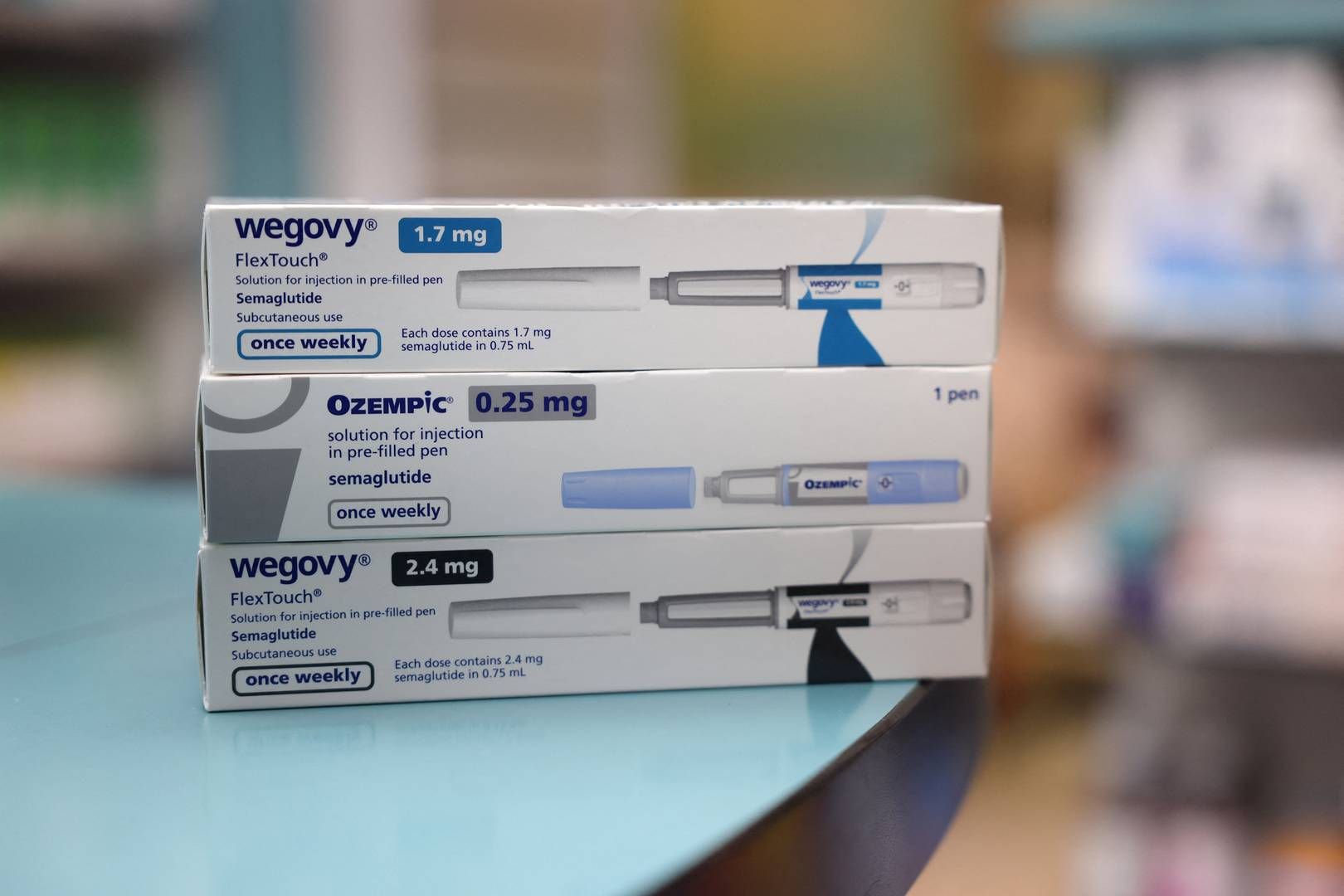
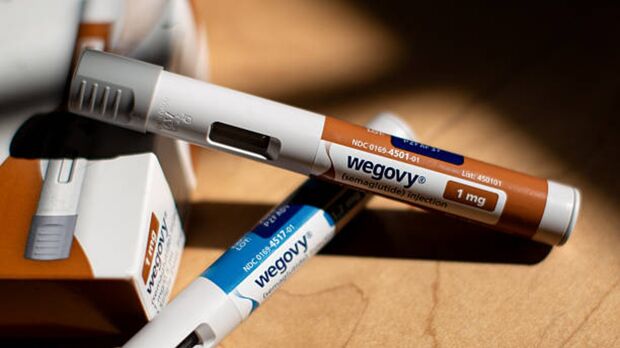
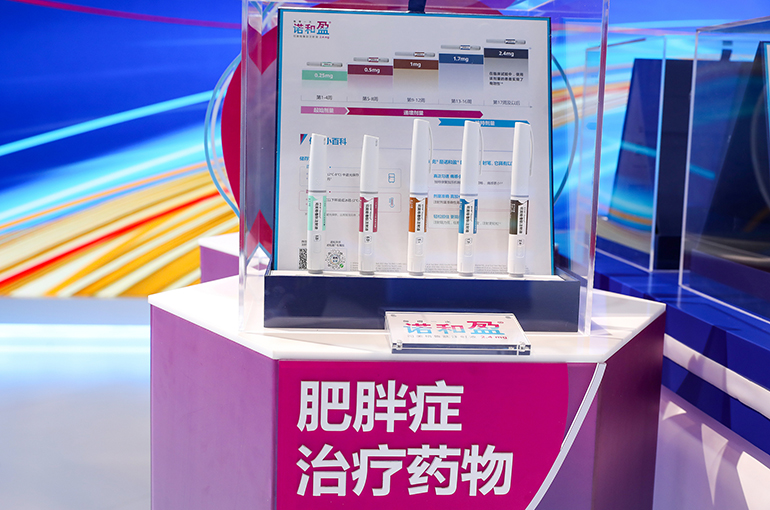
In a calculated move that reverberates through the global pharmaceutical ecosystem, Novo Nordisk is rewriting the playbook for market defense by strategically slashing prices of its weight-loss drug Wegovy in China. This isn't merely a pricing adjustment—it's a sophisticated geopolitical chess move designed to maintain market dominance in an increasingly competitive landscape.
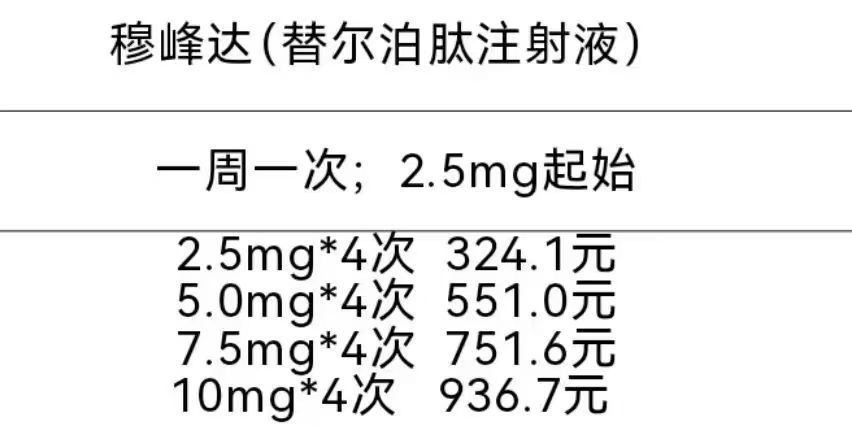
The core strategy reveals a nuanced approach to patent expiration management. With 37-48% price reductions across highest dosage levels, Novo Nordisk is creating a formidable barrier against emerging generic competitors. The price drops, ranging from 987-1,284 yuan in provinces like Yunnan and Sichuan, represent more than cost mitigation—they're a preemptive strike against potential market disruption.
The broader context is equally compelling. China's obesity market is projected to encompass over 65% of its 1.4 billion population by 2030, transforming this pricing strategy from a defensive maneuver to a critical market positioning tactic. Local drugmakers like CSPC Pharmaceutical Group and Hangzhou Jiuyuan Genetic Biopharmaceutical are preparing generic versions, making Novo Nordisk's early pricing intervention strategically brilliant.
This approach mirrors the company's global strategy, having similarly adjusted prices in India and the United States. It signals a sophisticated understanding that in emerging healthcare markets, proactive pricing can be more powerful than patent protection. For cross-border e-commerce sellers, this represents a masterclass in adaptive market strategy—demonstrating how pharmaceutical companies can maintain market leadership through intelligent, forward-looking pricing mechanisms.
The implications extend far beyond a single drug or market. This move represents a new paradigm of pharmaceutical competition, where strategic pricing becomes a primary weapon in maintaining market relevance and customer loyalty.
Questions 3
Why is Novo Nordisk cutting Wegovy prices in China before patent expiration?
Novo Nordisk is proactively defending its market position by creating barriers to entry for generic competitors. By reducing prices 37-48% ahead of patent expiration in 2026, they aim to retain customer loyalty and make it financially challenging for local drugmakers to compete effectively.
How does this pricing strategy impact cross-border pharmaceutical sellers?
This strategy signals a significant market transformation, creating opportunities for sellers to understand adaptive pricing models. It suggests that pharmaceutical e-commerce platforms should prepare for more dynamic pricing environments and potentially explore partnerships with innovative drug manufacturers.