




Market Resilience and Consumer Caution Signal Strategic Pivot for E-Commerce Sellers
- Navigating Uncertain Economic Terrain with Adaptive Strategies for Cross-Border Commerce





Overview
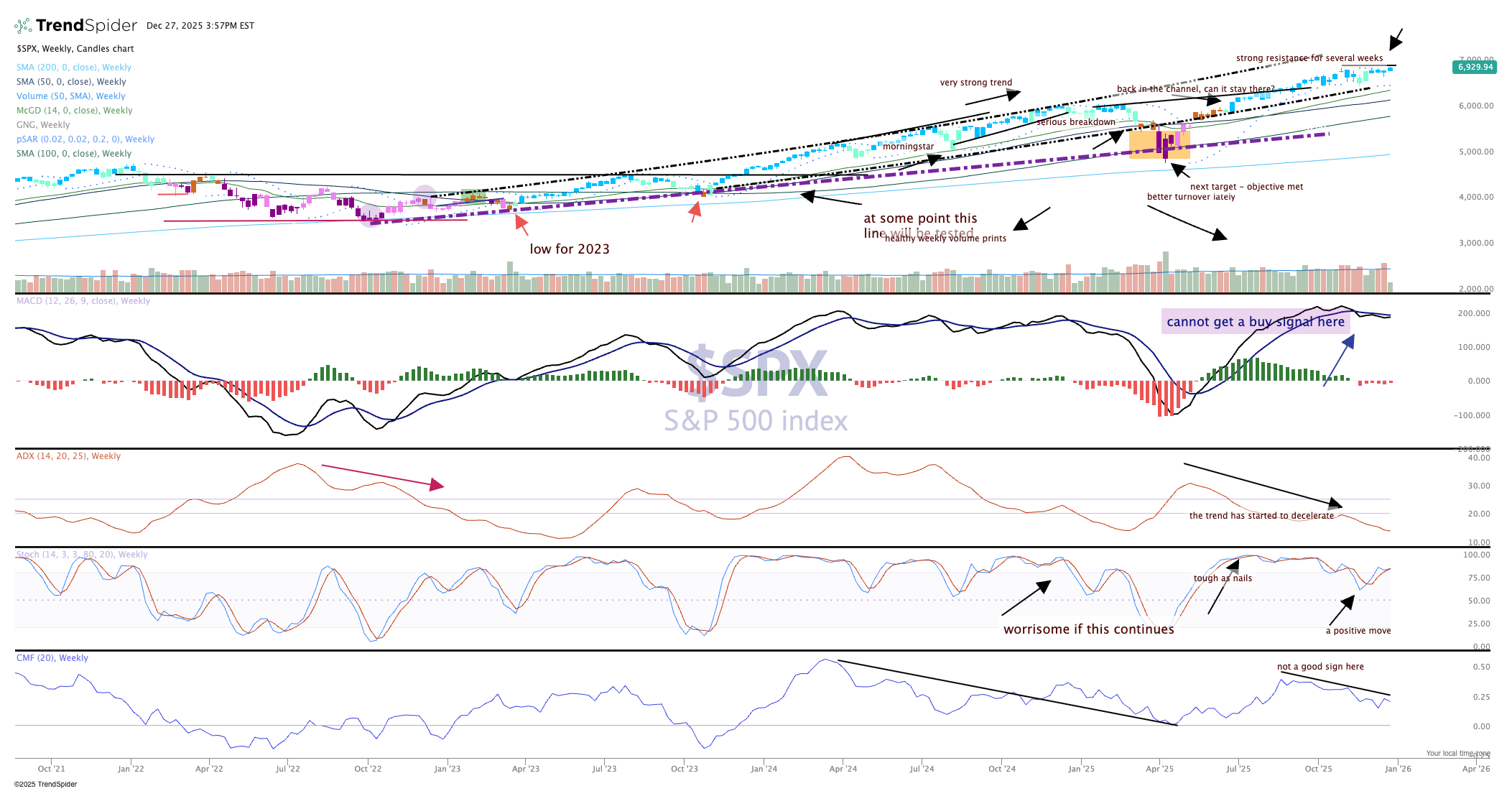
The U.S. financial landscape is revealing a nuanced narrative of market resilience and consumer pragmatism that demands strategic recalibration for cross-border e-commerce sellers. With the S&P 500 reaching fresh all-time highs and climbing over 1% during a holiday-shortened trading week, the market signals underlying economic strength despite persistent uncertainties.
Strategic Market Positioning Emerges The current economic environment presents a complex opportunity landscape. The market's four-positive-weeks-in-five performance, approaching the 7,000 milestone, suggests a robust underlying economic foundation. However, the emphasis on value-oriented strategies by major restaurant chains like McDonald's and Taco Bell reveals a deeper consumer sentiment: price sensitivity and cautious spending. For e-commerce sellers, this translates into a critical imperative—developing value-driven marketing approaches that resonate with budget-conscious consumers.
Adaptive Strategies for Uncertain Terrain The market's resilience is particularly noteworthy amid potential disruptions. The significant winter storm affecting over 50 million travelers, with major airlines proactively waiving change fees, demonstrates the importance of flexibility and customer-centric strategies. This adaptability mirrors the broader economic landscape, where tech and consumer sectors are showing remarkable capacity to navigate complex challenges. Cross-border sellers must similarly embrace agility, developing strategies that can quickly pivot in response to economic fluctuations and consumer behavior shifts.
Risk Mitigation and Opportunity Identification The upcoming Federal Reserve meeting minutes and light economic data suggest a period of potential volatility. Sellers should: 1) Develop robust pricing strategies that emphasize value, 2) Build flexible supply chain models that can rapidly adjust to market changes, and 3) Invest in data analytics to quickly detect and respond to consumer sentiment shifts. The current market suggests that survival and growth will favor those who can combine strategic flexibility with precise, value-oriented execution.
Questions 3
How should e-commerce sellers adapt to the current market conditions?
Sellers should focus on value-driven marketing strategies, develop flexible pricing models, and invest in data analytics to quickly detect and respond to consumer sentiment shifts. The key is combining strategic flexibility with precise, customer-centric execution.
What does the current market performance indicate for cross-border commerce?
The market's resilience, coupled with consumer price sensitivity, suggests that successful cross-border sellers must prioritize value propositions and adaptive strategies. The ability to quickly pivot and offer cost-effective solutions will be crucial in navigating the uncertain economic landscape.