





Sumatra's Deadly Floods Expose Critical Infrastructure and Environmental Vulnerabilities
- Devastating environmental collapse threatens human survival and economic stability in Indonesia's resource-rich regions










)
































































)
















Overview
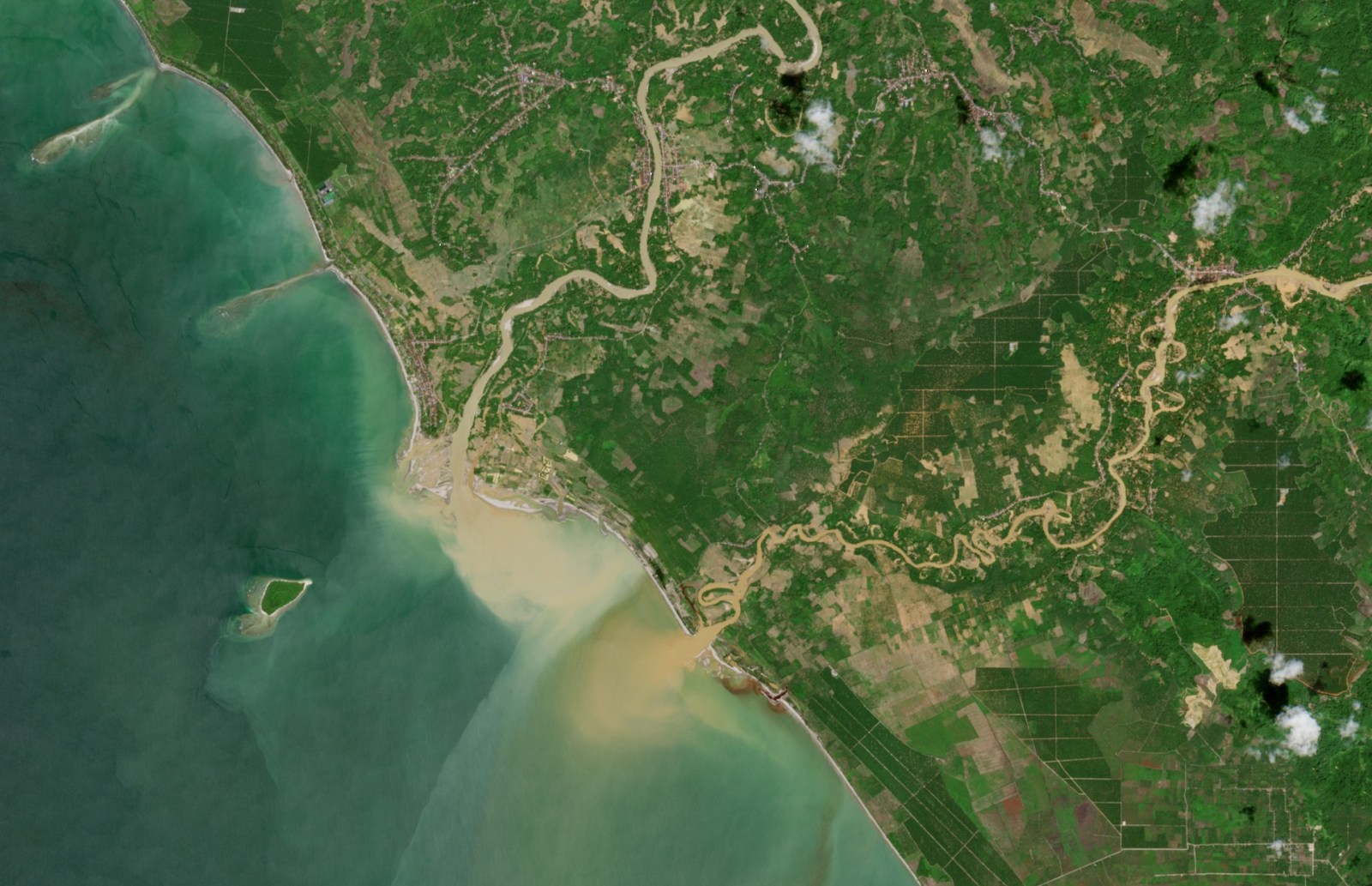
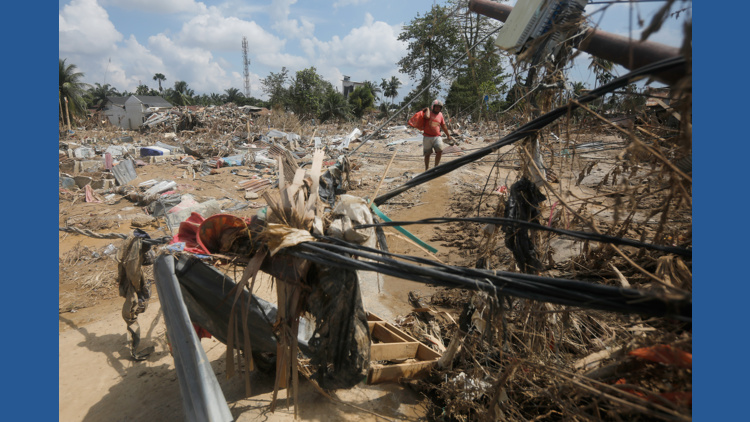
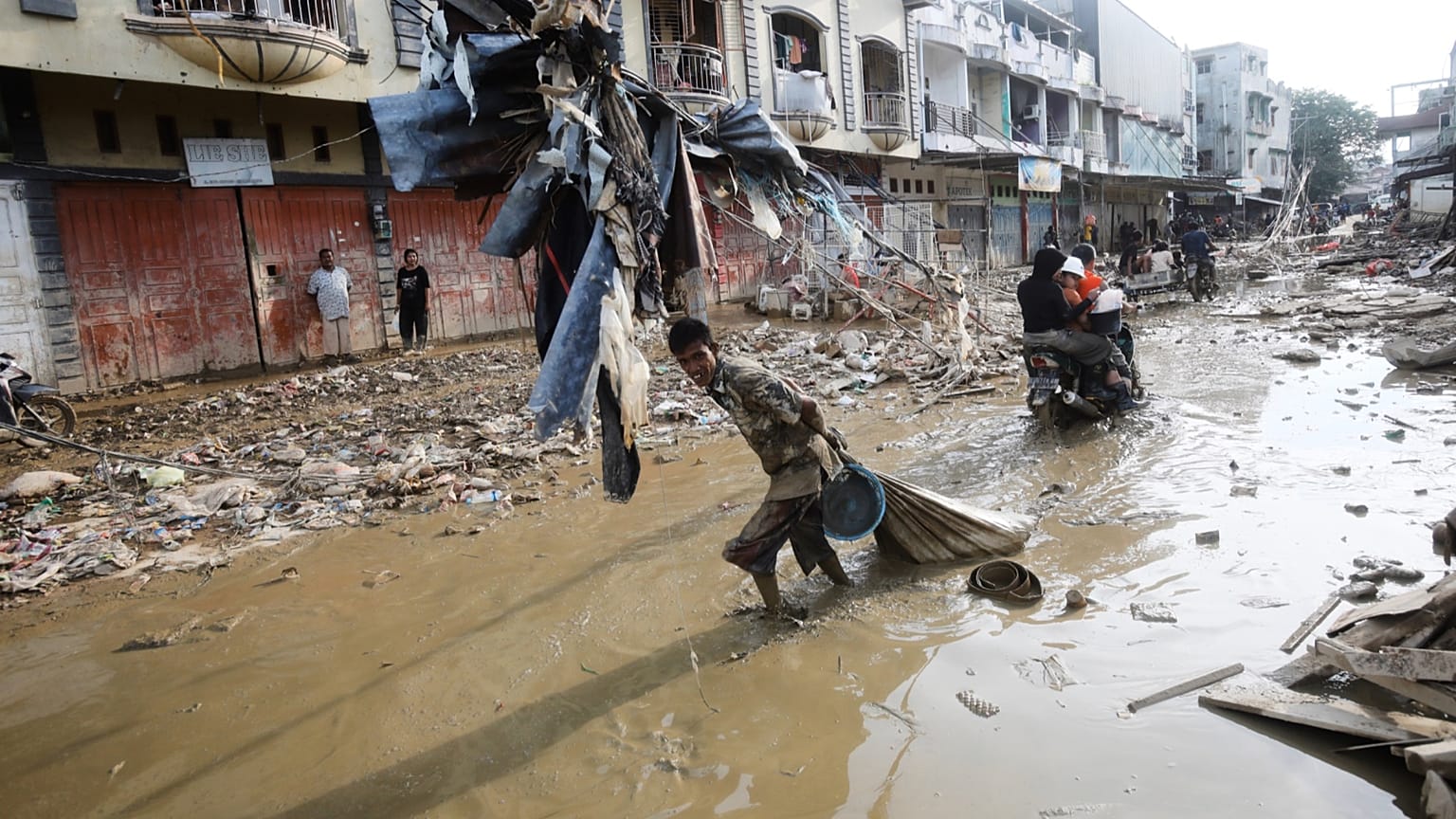
The catastrophic floods in Sumatra represent a critical inflection point in Indonesia's environmental and infrastructure challenges. In December 2025, a devastating natural disaster struck three provinces, claiming over 900 lives and exposing the profound vulnerabilities created by unchecked environmental degradation.
Logistics and Humanitarian Response Breakdown: The Aceh Tamiang region emerged as ground zero for this humanitarian crisis, with residents facing unprecedented challenges in accessing basic survival resources. Survivors were isolated for weeks, struggling to reach aid centers by climbing over fallen logs and navigating completely destroyed infrastructure. This scenario dramatically highlights the critical importance of resilient logistics and emergency preparedness in disaster-prone regions.
Environmental Governance Implications: The disaster's root cause points to a systemic failure of environmental management. Environmental groups directly linked the flood's severity to aggressive deforestation driven by mining and logging operations. The Indonesian environment ministry's decisive action—temporarily halting operations of companies like North Sumatra Hydro Energy and Agincourt Resources—signals a potential turning point in environmental regulation.
Strategic Logistics and Risk Mitigation: For logistics professionals and policymakers, this event demands immediate strategic reassessment. The floods expose critical vulnerabilities in:
- Emergency supply chain infrastructure
- Regional transportation networks
- Disaster response capabilities
- Environmental sustainability practices
The economic and human cost of this disaster underscores the urgent need for integrated approaches that balance economic development with environmental preservation. Companies and governments must now prioritize adaptive infrastructure and sustainable resource management to prevent similar catastrophic events in the future.
Immediate recommendations include:
- Develop robust multi-modal emergency logistics networks
- Implement stricter environmental impact assessments
- Invest in climate-resilient infrastructure
- Create comprehensive disaster preparedness protocols
Questions 3
What are the long-term environmental governance implications of this disaster?
The Indonesian government's decision to halt operations of mining and logging companies suggests a potential shift towards stricter environmental regulations. This could lead to more comprehensive environmental impact assessments and potentially higher operational costs for resource extraction industries.
What strategies can businesses and governments implement to prevent similar disasters?
Key strategies include investing in climate-resilient infrastructure, implementing advanced early warning systems, developing comprehensive disaster preparedness protocols, and creating more sustainable land-use policies that balance economic development with environmental preservation.