


NHL's Disciplinary Crackdown Reveals Explosive Rivalry in Battle of Florida
- Unprecedented Penalty Dynamics Signal Escalating Competitive Tensions in Professional Hockey







Overview
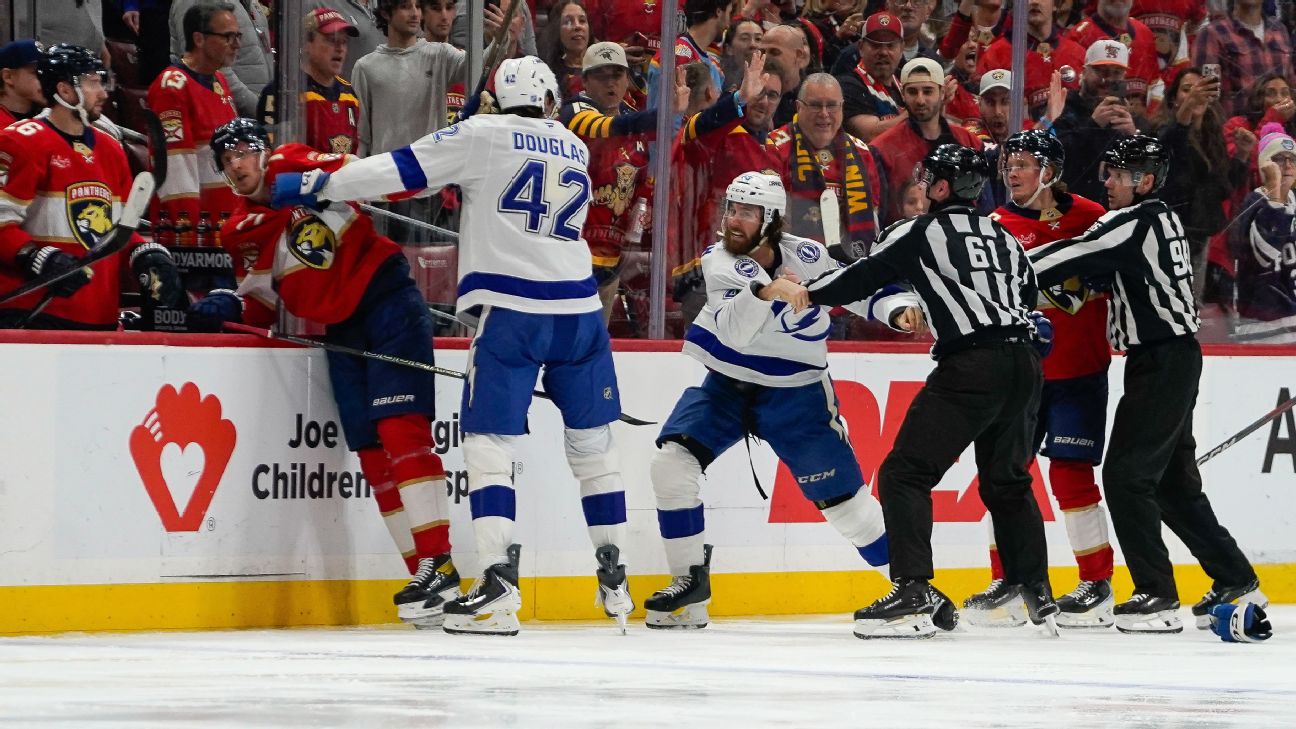
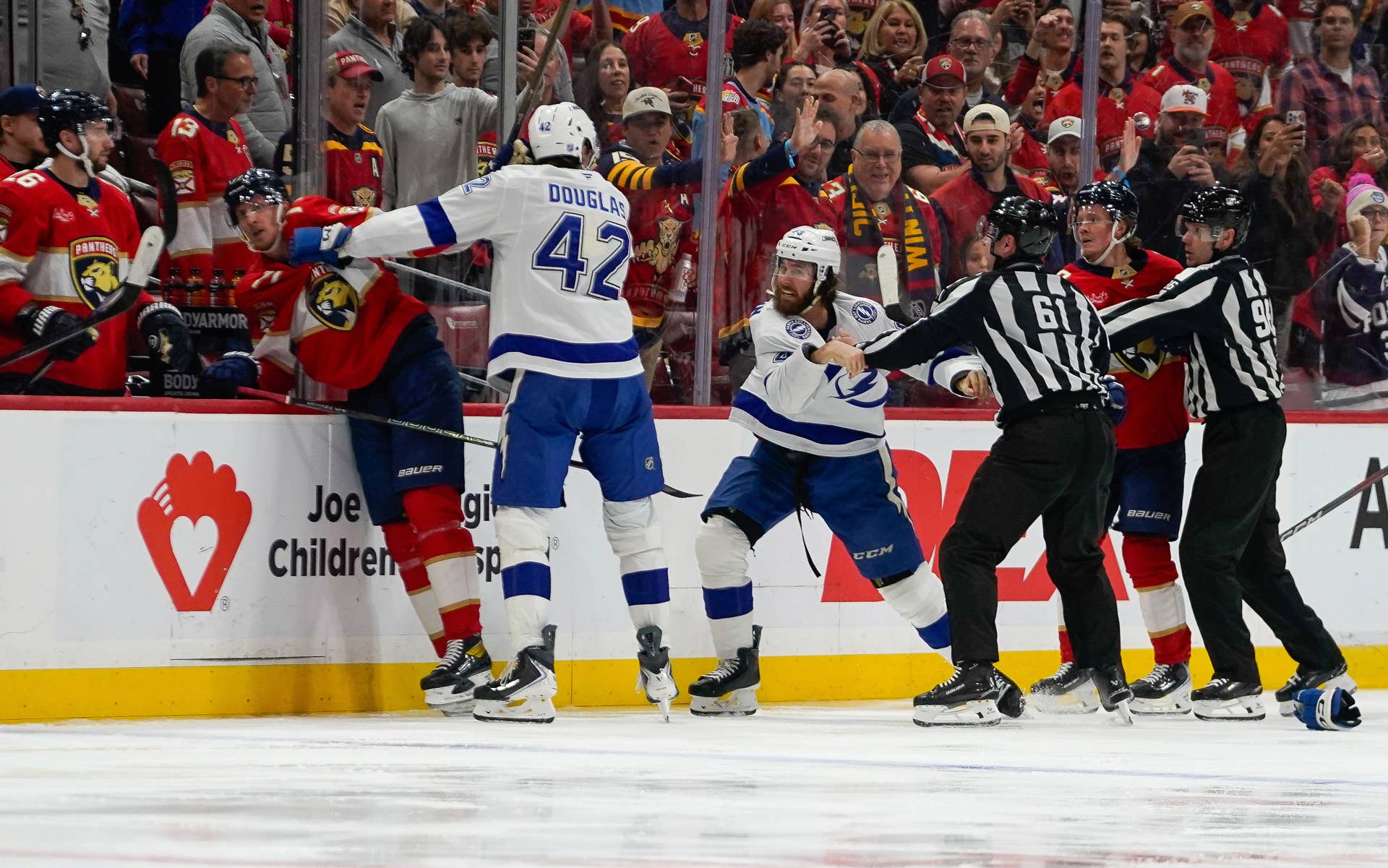
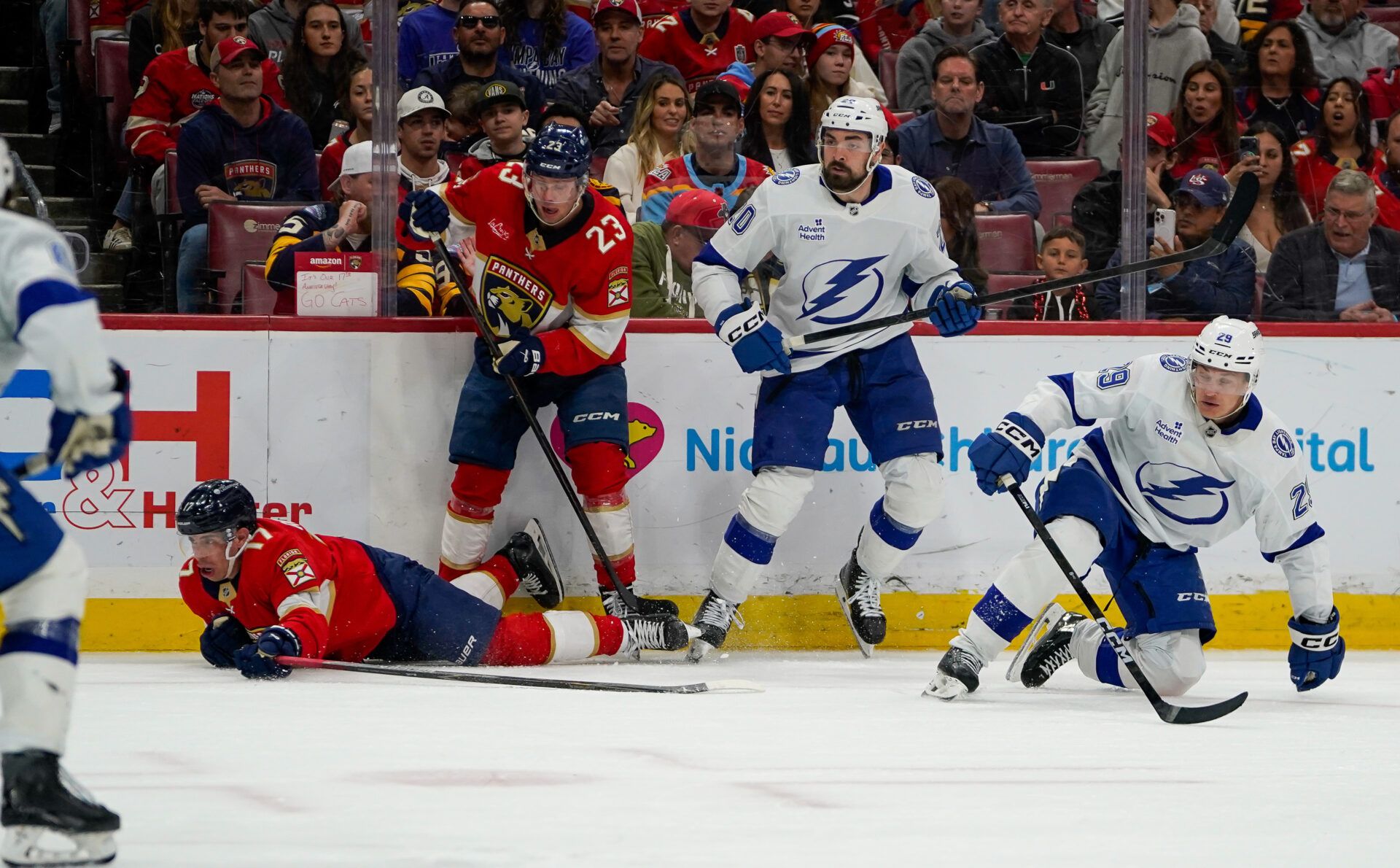
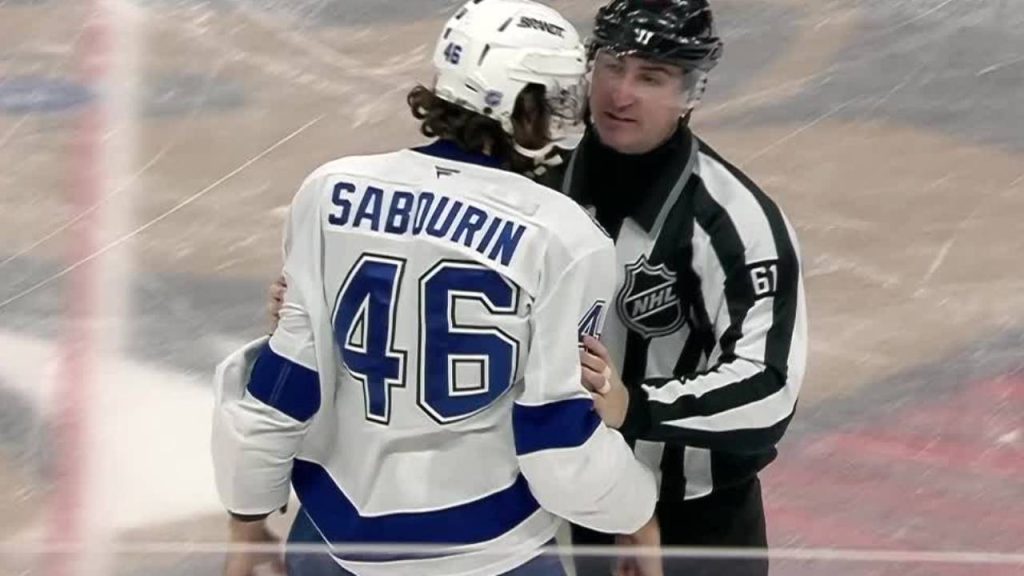
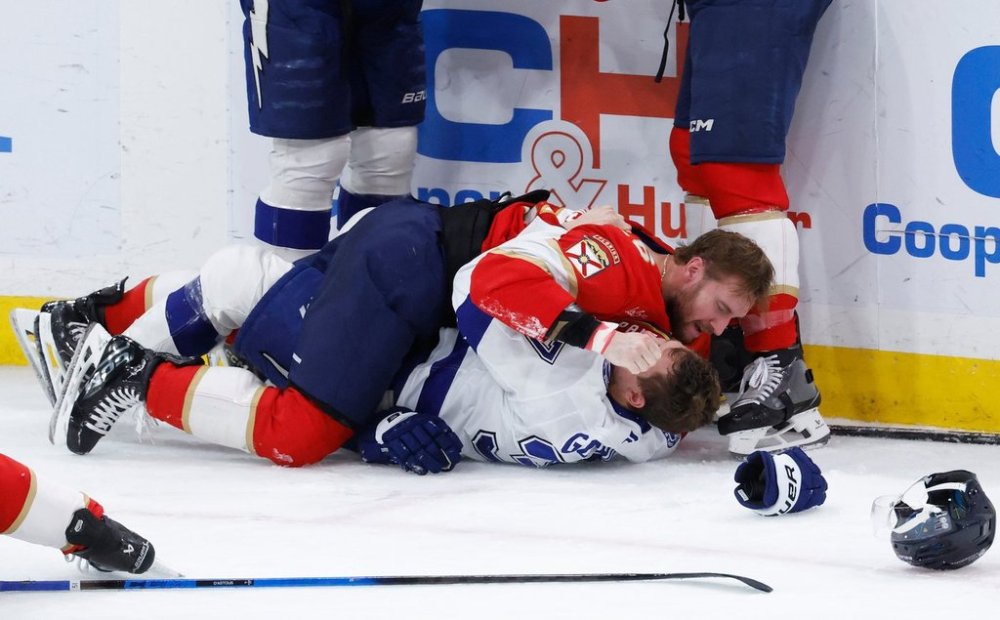
The Battle of Florida between the Tampa Bay Lightning and Florida Panthers has erupted into a microcosm of professional sports discipline, revealing the razor-thin line between competitive intensity and regulatory control. In a single game, these regional rivals generated 136 total penalty minutes, setting season-high records and triggering significant NHL disciplinary actions against players Anton Lundell and Scott Sabourin.
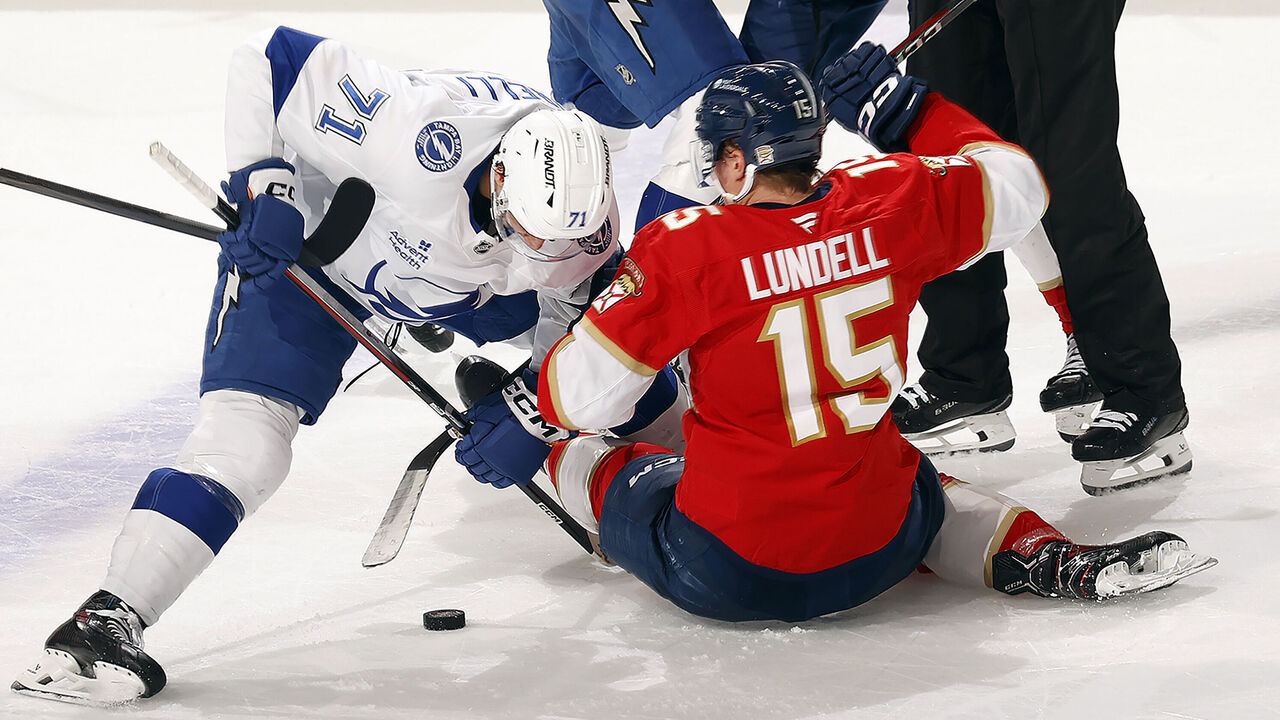
Competitive Dynamics Under Microscope: The incident exposes the complex ecosystem of professional hockey, where player conduct is meticulously monitored and financially penalized. With Sabourin fined $2,018.23 for slashing and Lundell assessed $5,000 for high-sticking, the NHL demonstrated its commitment to maintaining professional standards through direct economic consequences. The match's unprecedented penalty activity - including a stoppage where six players occupied the Lightning's penalty box and 13 roughing penalties were assessed - represents more than just an isolated incident.
Structural Implications for Team Management: These disciplinary actions highlight the critical need for professional sports organizations to implement robust conduct management strategies. Teams must now navigate an increasingly complex landscape where financial penalties can directly impact performance and team dynamics. The Lightning and Panthers exemplify a growing trend where regional rivalries are becoming pressure cookers of athletic tension, requiring sophisticated management of player emotions and competitive spirit.
The NHL's approach signals a proactive stance in preserving the sport's integrity. By levying substantial fines and creating clear consequences for on-ice behavior, the league is sending an unambiguous message: competitive passion must coexist with professional conduct. For players, coaches, and management, this means developing not just athletic skills, but emotional intelligence and strategic self-regulation.
Strategic Recommendation: Professional sports teams should invest in comprehensive player conduct training, focusing on emotional management and understanding the fine line between competitive intensity and regulatory violation. The financial and reputational risks of undisciplined play are increasingly significant in today's hyper-regulated sporting environment.
Questions 3
What does this incident reveal about professional hockey's current state?
The incident demonstrates the NHL's increasingly sophisticated approach to managing player conduct. By implementing precise financial penalties, the league is signaling that competitive passion must be balanced with professional standards, creating a more regulated and potentially more strategic sporting environment.
How do these fines impact team strategy?
These fines represent more than monetary penalties - they directly influence team management strategies. Teams must now carefully balance competitive intensity with regulatory compliance, potentially requiring additional player conduct training and more nuanced emotional management during high-stakes matches.