




Humanitarian Crisis Erupts as Sudanese Paramilitary Warfare Targets Civilian Populations
- Escalating conflict reveals systemic breakdown of civilian protection mechanisms in Sudan

































-6933dc9d81383.jpg)
















)




















Overview
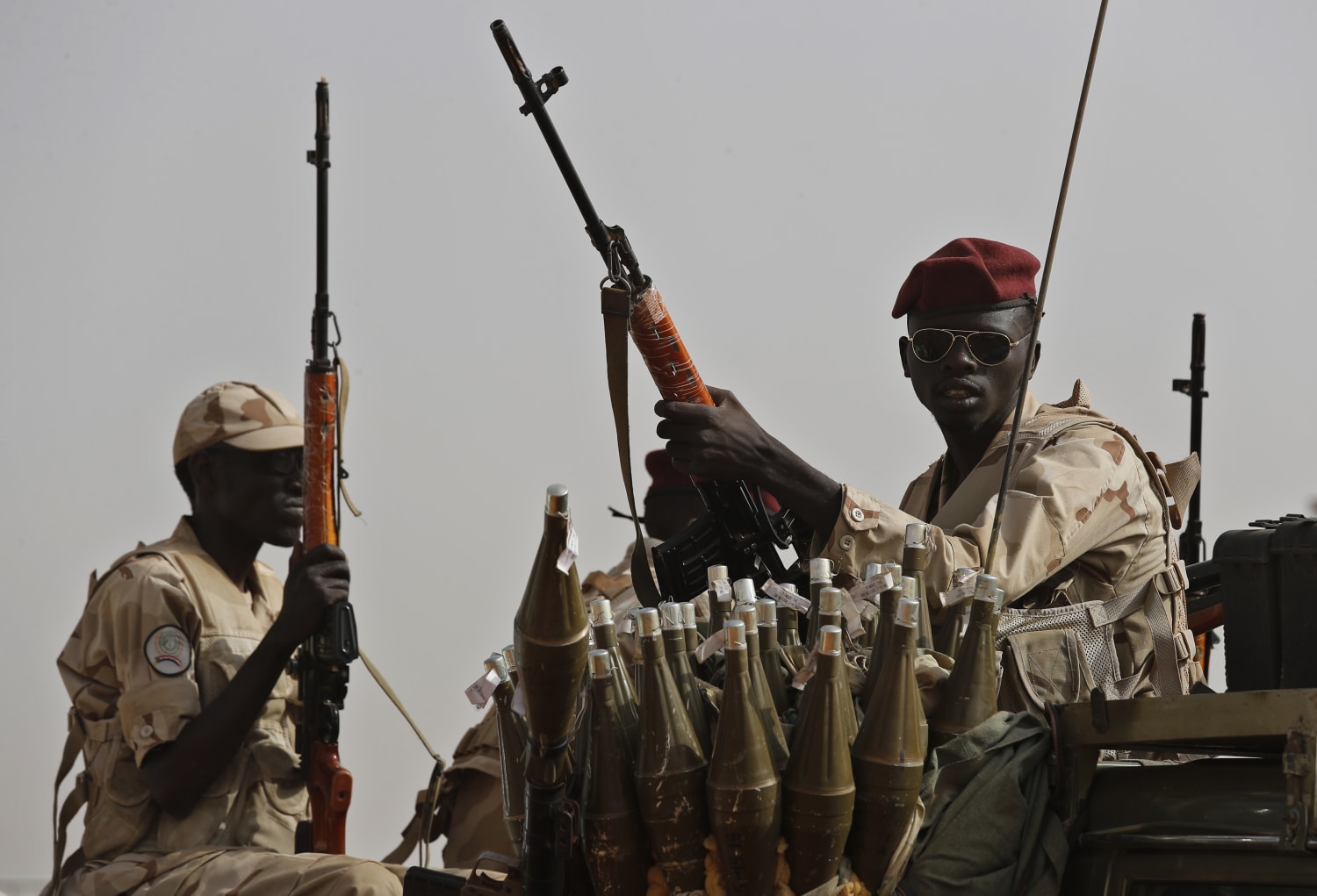
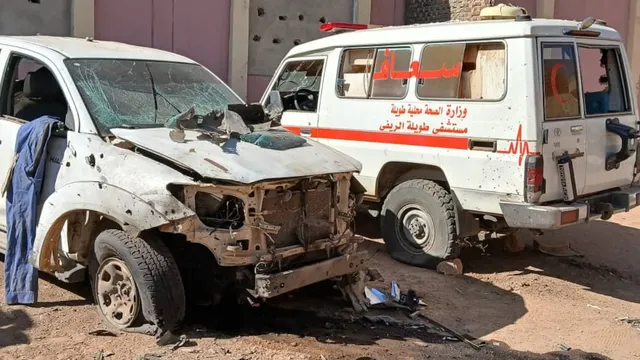
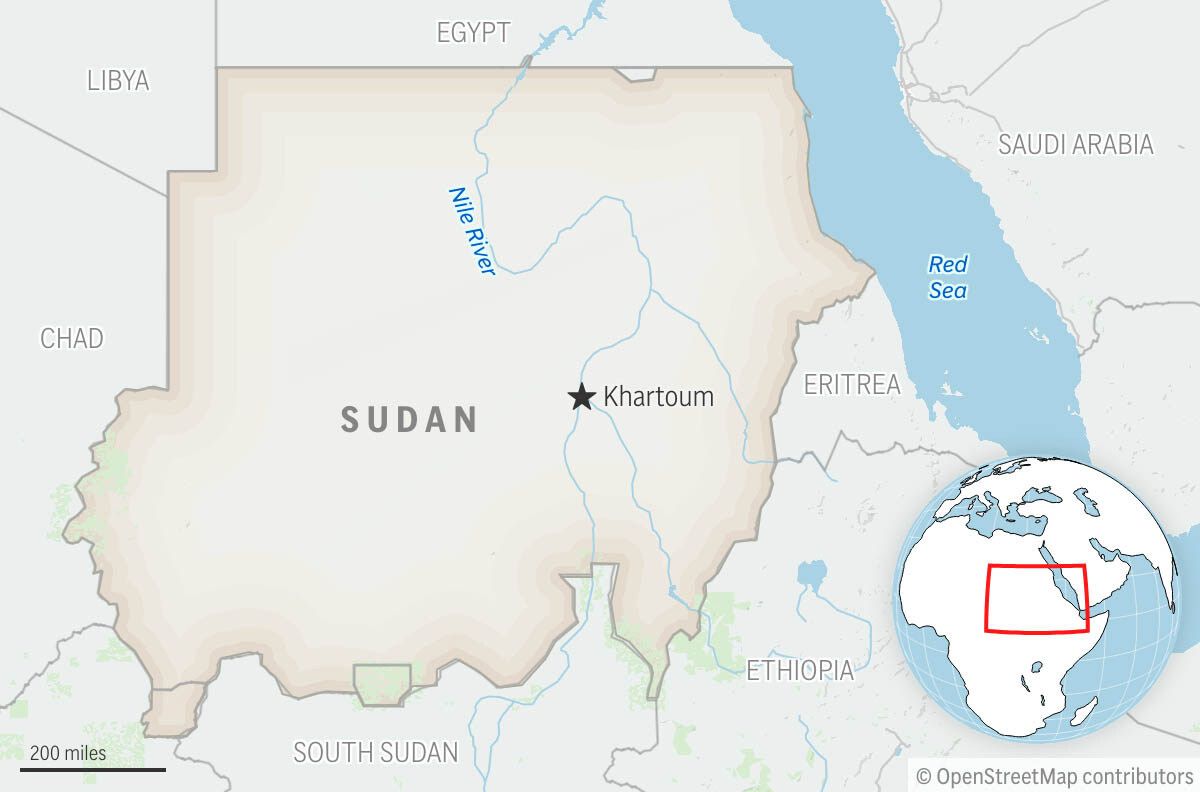
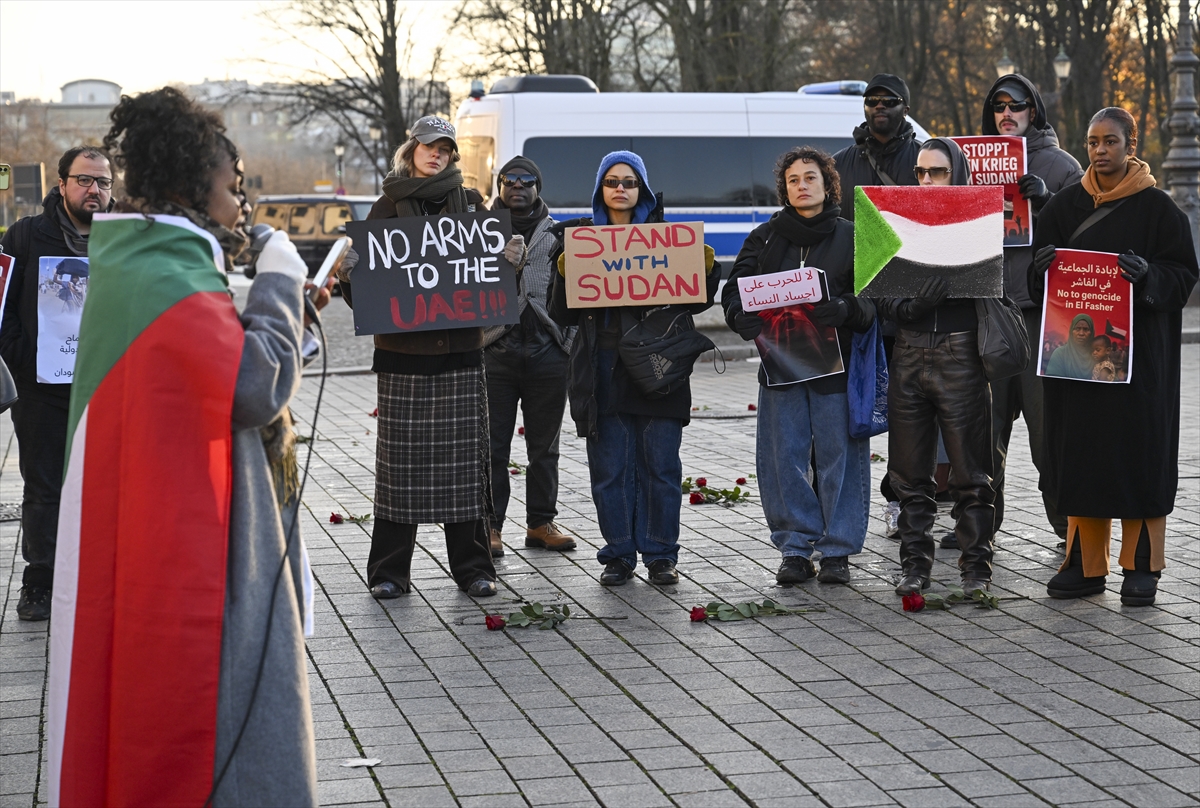
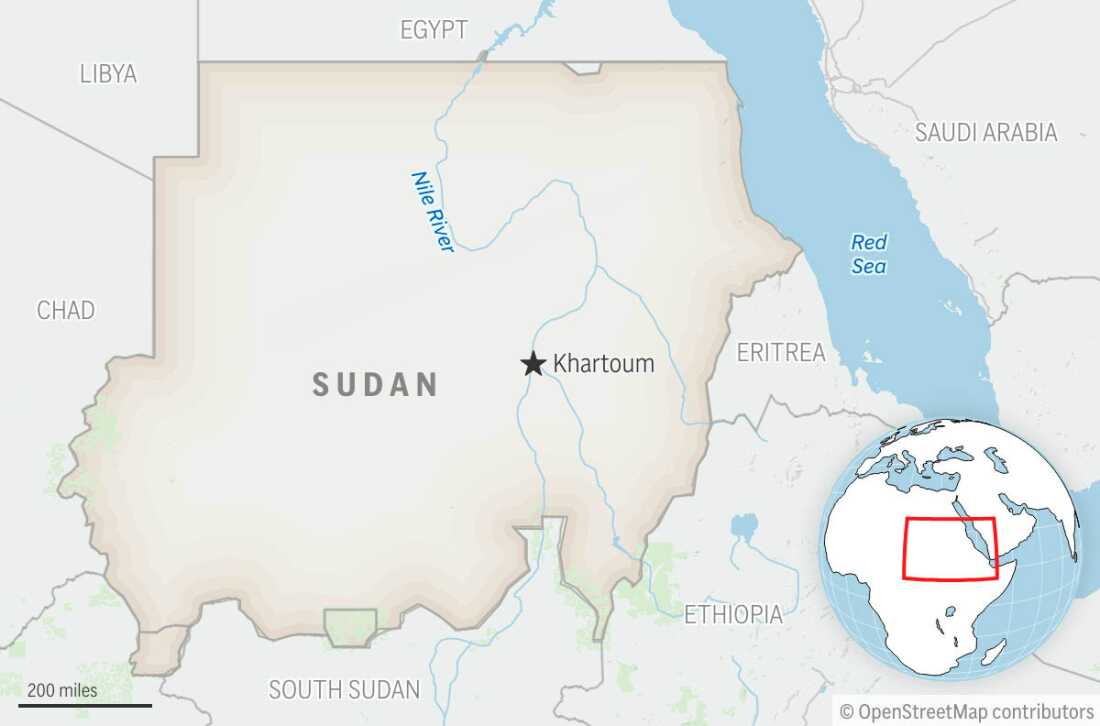
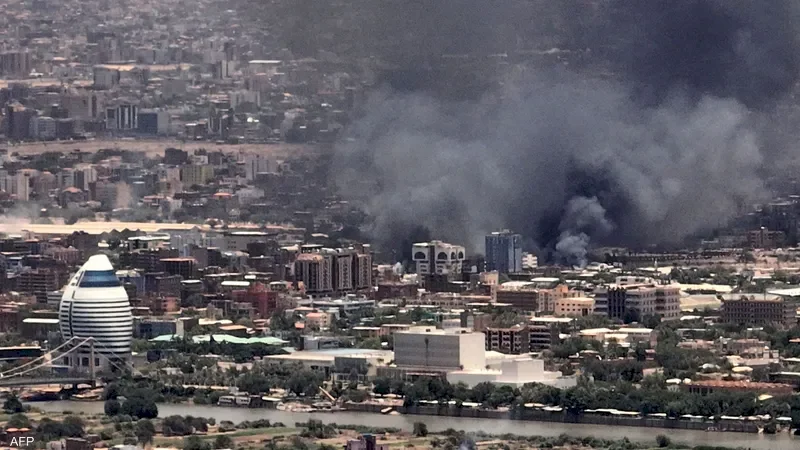
The Sudanese conflict has reached a catastrophic inflection point, exposing the brutal reality of modern asymmetric warfare where civilian populations bear the most devastating consequences. In a shocking escalation, paramilitary forces have conducted a drone attack that killed 50 people, including 33 children, in the Kalogi region of South Kordofan state, marking a horrific milestone in the ongoing conflict between the Rapid Support Forces (RSF) and Sudanese military.
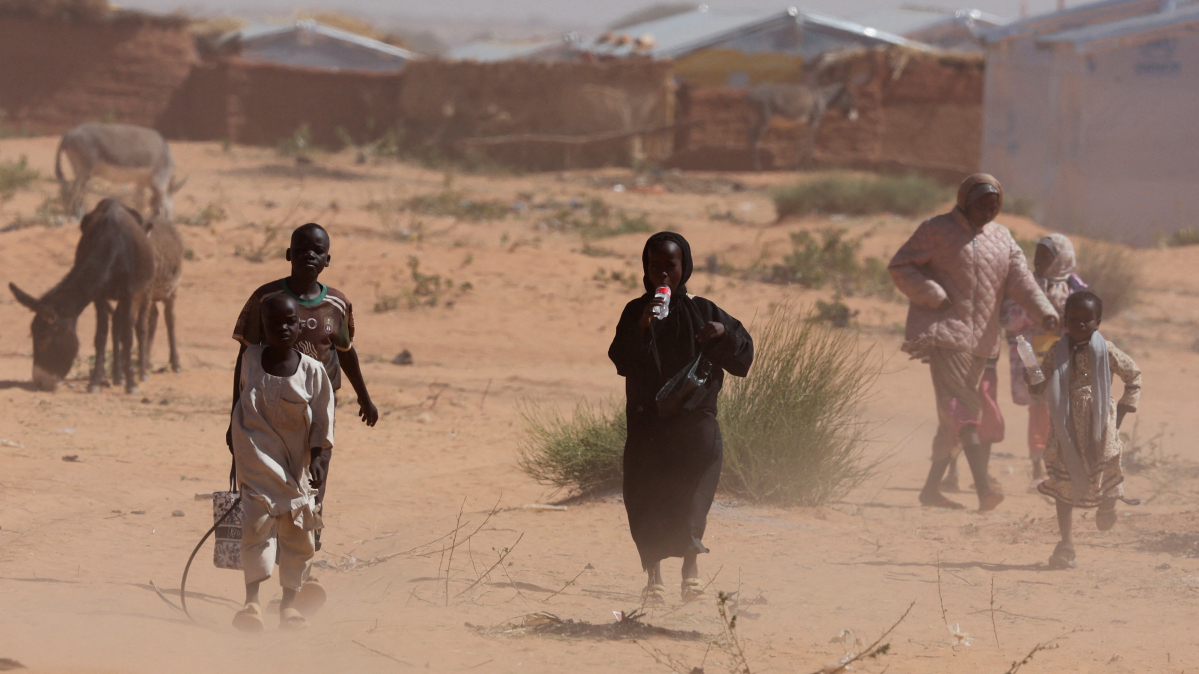
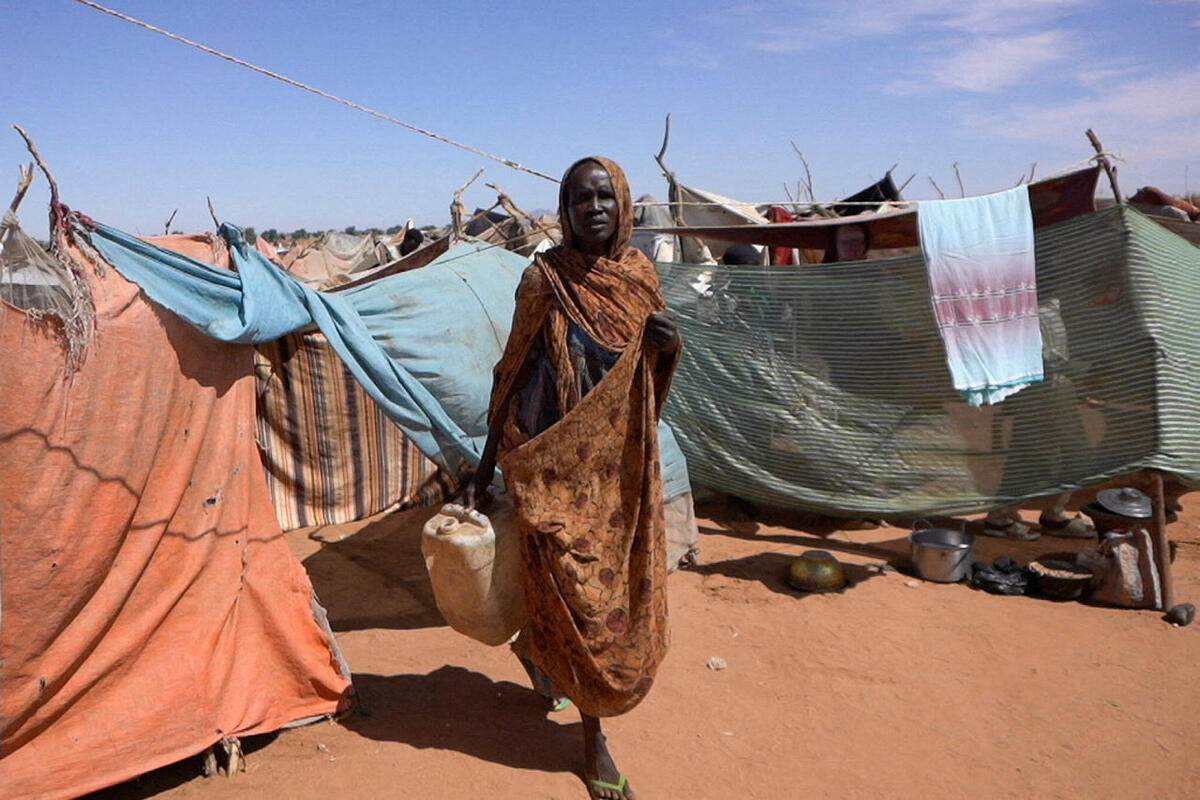
Systemic Humanitarian Collapse: The attack represents more than an isolated incident—it signals a complete breakdown of civilian protection mechanisms. With over 40,000 people killed and 12 million displaced since 2023, Sudan is experiencing one of the most severe humanitarian crises of the decade. UNICEF's condemnation of the attack as a "horrific violation of children's rights" underscores the conflict's unprecedented brutality.
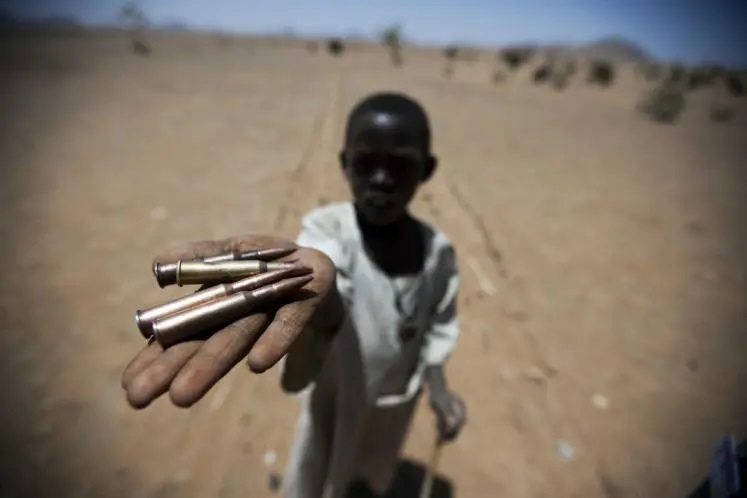
Strategic Implications of Civilian Targeting: The drone strike against a kindergarten reveals a disturbing tactical evolution in the conflict. By deliberately targeting civilian infrastructure, paramilitary forces are weaponizing terror as a strategic tool, fundamentally altering the conflict's dynamics. This approach suggests a total erosion of traditional warfare conventions, where civilian populations are now viewed as strategic targets rather than protected entities.
International Response and Accountability: The international community faces a critical moment in responding to these atrocities. The systematic nature of these attacks demands more than humanitarian aid—it requires comprehensive diplomatic intervention, potential war crimes investigations, and robust mechanisms to protect civilian populations. The scale of displacement and civilian casualties indicates a conflict that has metastasized beyond traditional conflict resolution strategies.
The Sudanese conflict now represents a critical test case for international humanitarian law and conflict resolution mechanisms. Without immediate, coordinated intervention, the human cost will continue to escalate, potentially destabilizing the entire regional geopolitical landscape.
Questions 3
What makes this drone attack particularly significant in the Sudanese conflict?
The attack targeting a kindergarten represents a critical escalation in warfare tactics, deliberately killing 33 children and demonstrating a complete disregard for civilian protection. This suggests the conflict has devolved into a strategy of terror that systematically targets vulnerable populations.
How severe is the humanitarian impact of the current Sudanese conflict?
The conflict has resulted in over 40,000 deaths and displaced 12 million people since 2023, making it one of the most severe humanitarian crises globally. The recent drone attack on a kindergarten further illustrates the extreme civilian toll and potential long-term societal devastation.