


Smartwatch Revolution: How AI and Pricing Strategies Are Reshaping Wearable Technology
- Emerging market dynamics signal massive transformation for e-commerce sellers and tech innovators



Overview
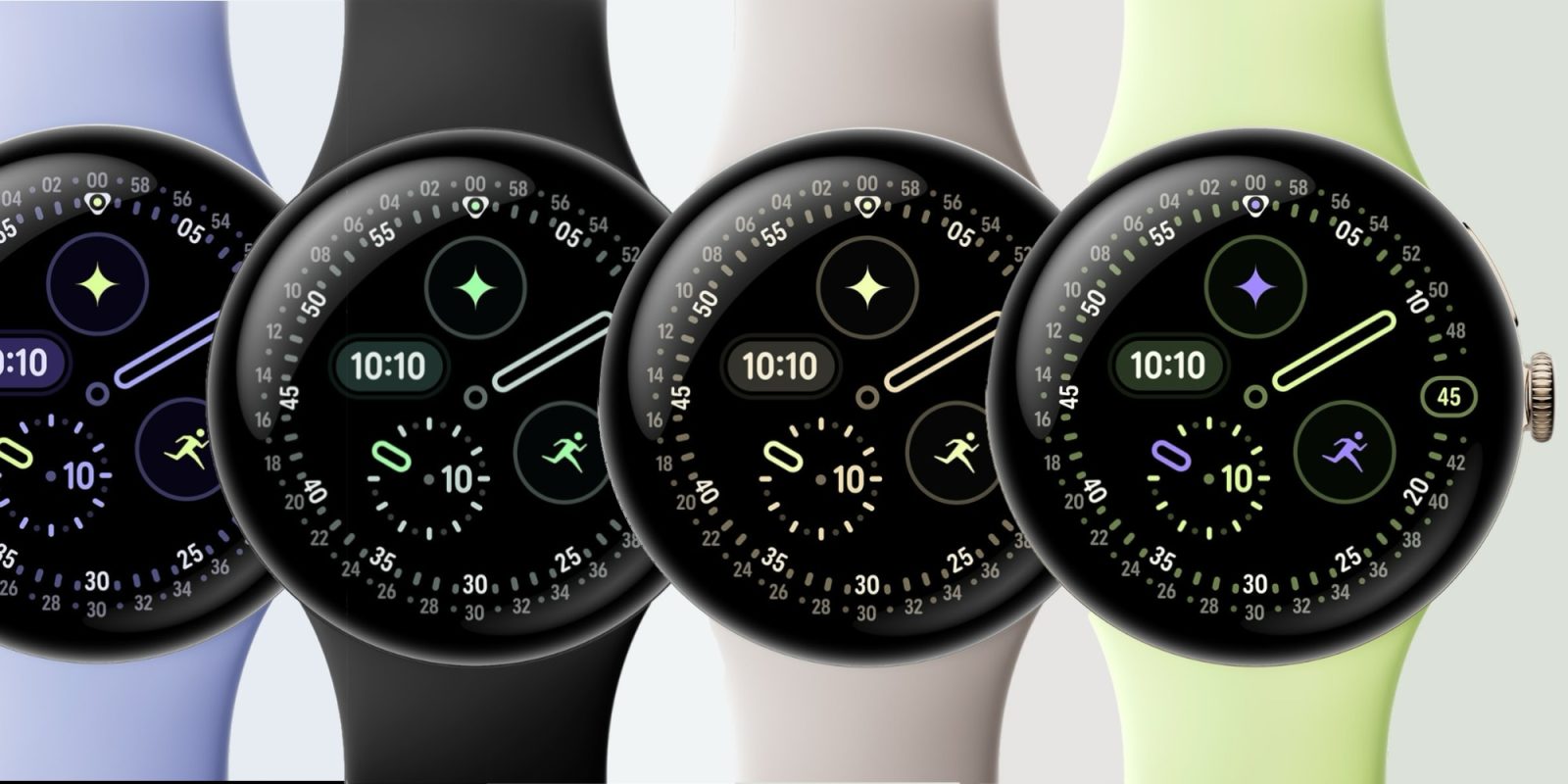
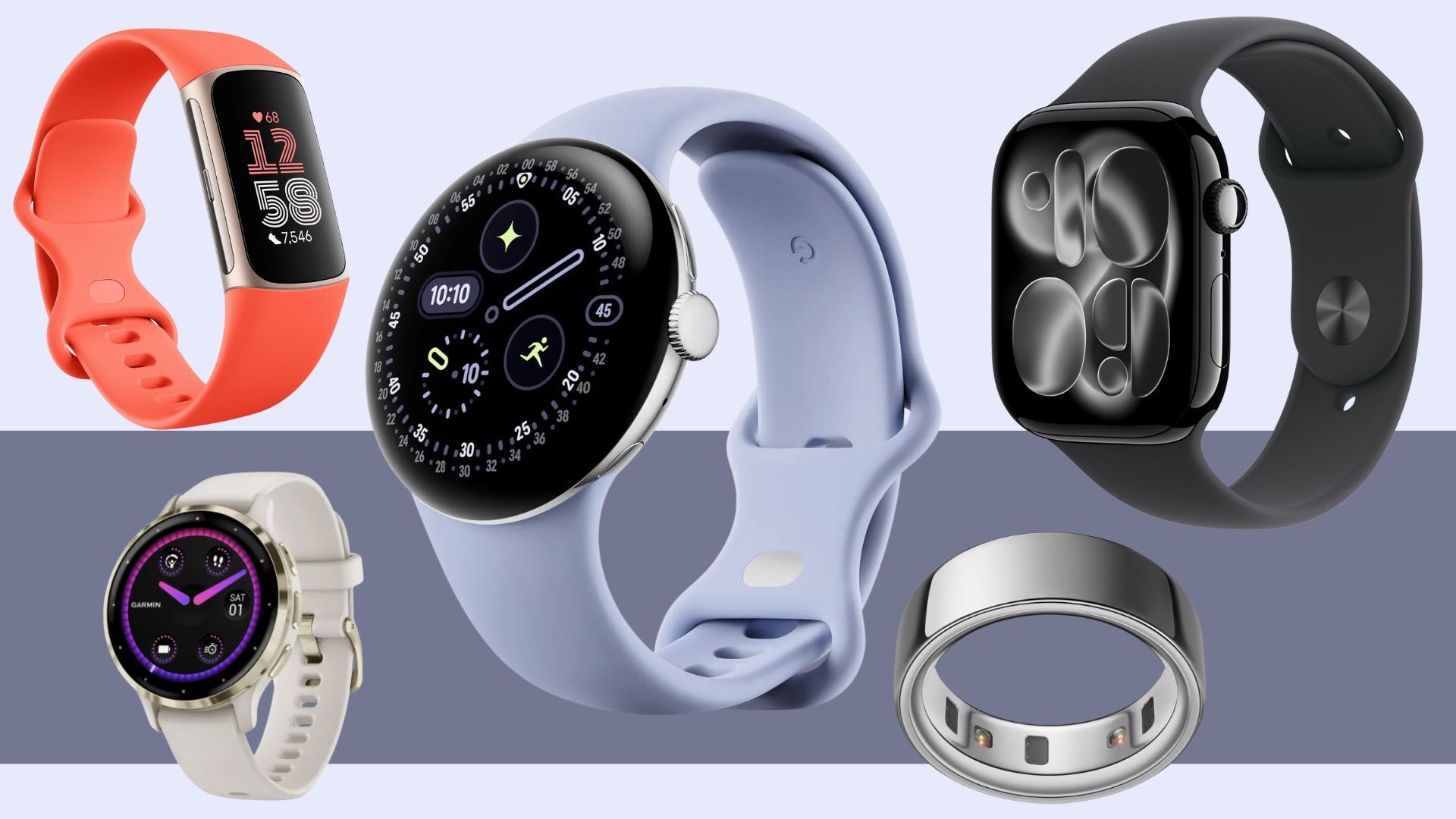
The wearable technology landscape is undergoing a profound metamorphosis, driven by AI integration, advanced sensor technologies, and strategic pricing dynamics. The Google Pixel Watch 4 emerges as a pivotal case study, representing a watershed moment where consumer electronics transcend mere functionality to become intelligent, adaptive companions.
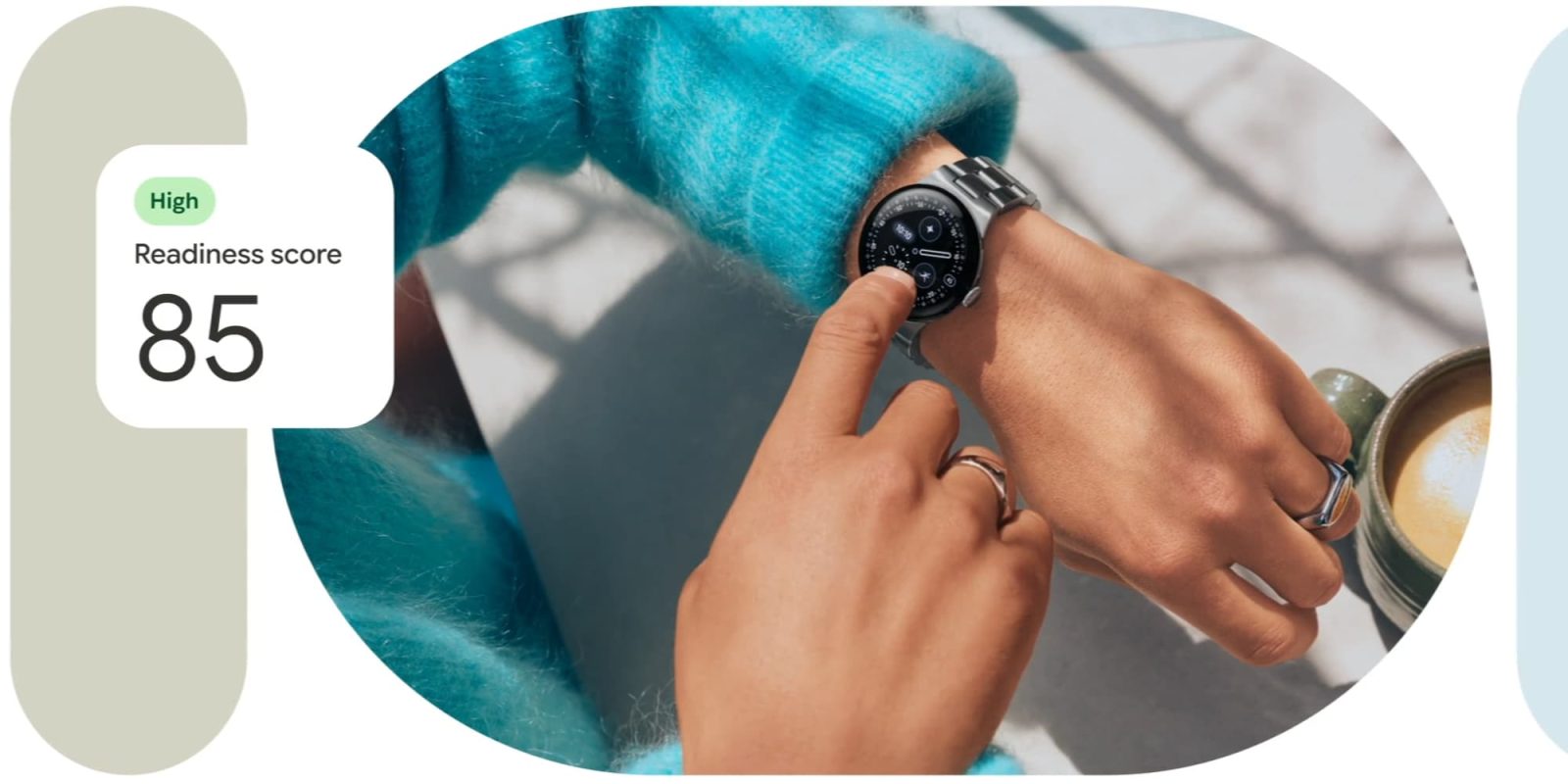
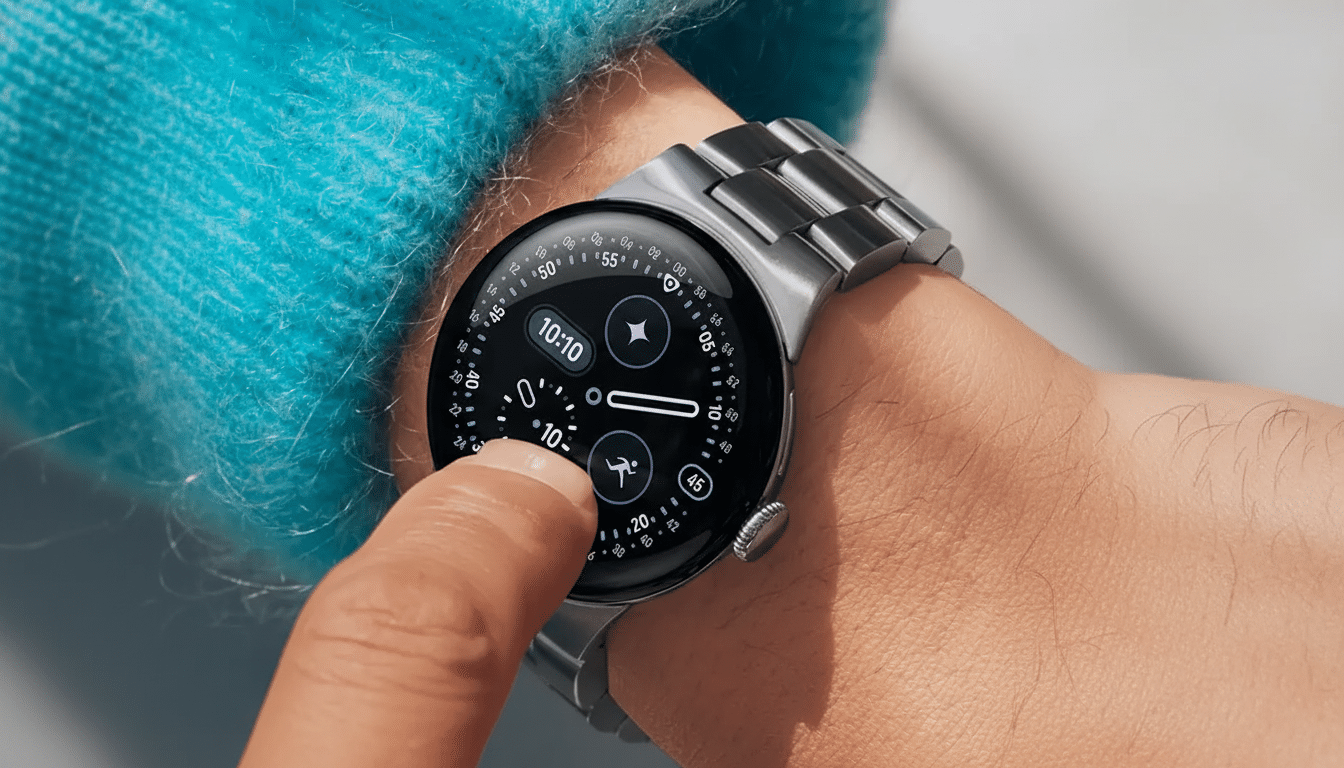
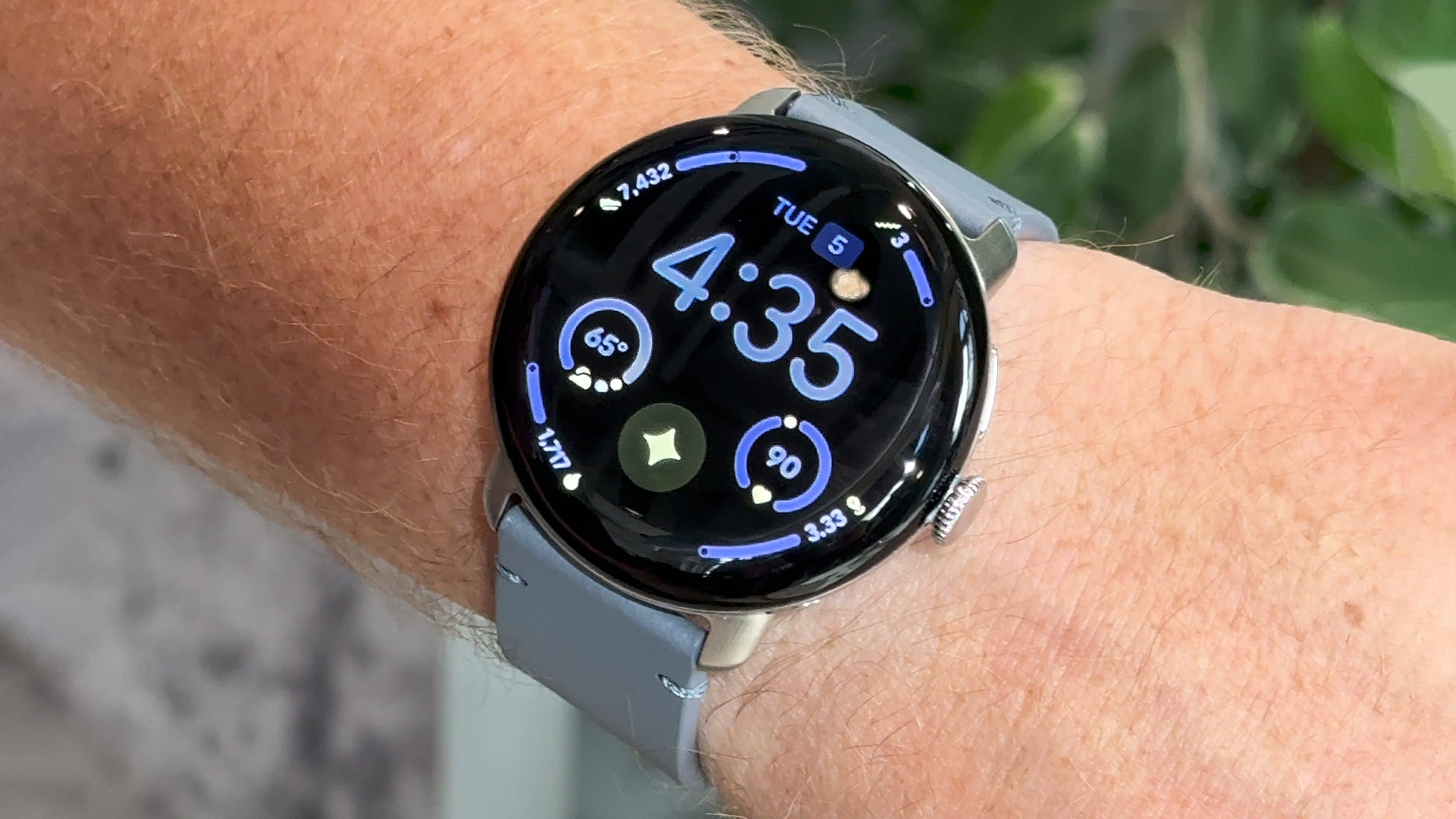
At the core of this transformation lies a critical market shift: smartwatches are no longer peripheral accessories, but sophisticated health and productivity platforms. The Pixel Watch 4's breakthrough features—including a 3,000 nits peak brightness display, Gemini AI integration, and rapid 15-minute charging—signal a new era of technological expectation. Consumers now demand devices that seamlessly blend design, performance, and intelligent interaction.
The post-Christmas sales landscape reveals another crucial trend: strategic inventory management through aggressive pricing. With significant discounts across multiple brands—Google Pixel Watch 4 dropping from $349 to $279, Fitbit Inspire 3 plummeting to $59—manufacturers are not just selling devices, but curating market perception. These price reductions indicate a complex ecosystem where brands are simultaneously clearing inventory, attracting new users, and signaling technological evolution.
For e-commerce sellers, this represents a nuanced opportunity. The market is no longer about selling a device, but about offering an integrated ecosystem of health, connectivity, and personalized technology. Successful players will focus on complementary products, AI-enhanced accessories, and creating value beyond the initial hardware purchase. The future belongs to sellers who can understand and anticipate the holistic user experience, not just move units.
The underlying message is clear: wearable technology is transitioning from a novelty to a necessity. Brands that can combine rapid technological innovation, intelligent design, and strategic pricing will define the next generation of consumer electronics.
Questions 3
What pricing strategies are brands using to compete in the smartwatch market?
Brands are employing aggressive post-holiday discounting to attract new users and clear inventory. The Google Pixel Watch 4's 20% price reduction, alongside similar discounts from Fitbit and Apple, indicates a strategic approach to market penetration and ecosystem expansion.
How are AI capabilities transforming smartwatch functionality?
AI is shifting smartwatches from simple tracking devices to intelligent health companions. The Google Pixel Watch 4's Gemini AI integration enables advanced features like automatic workout detection, predictive health insights, and more personalized user experiences. This represents a fundamental reimagining of wearable technology's potential.