






Bitcoin Crash 50% from Peak | Crypto Payment Risk for Cross-Border Sellers
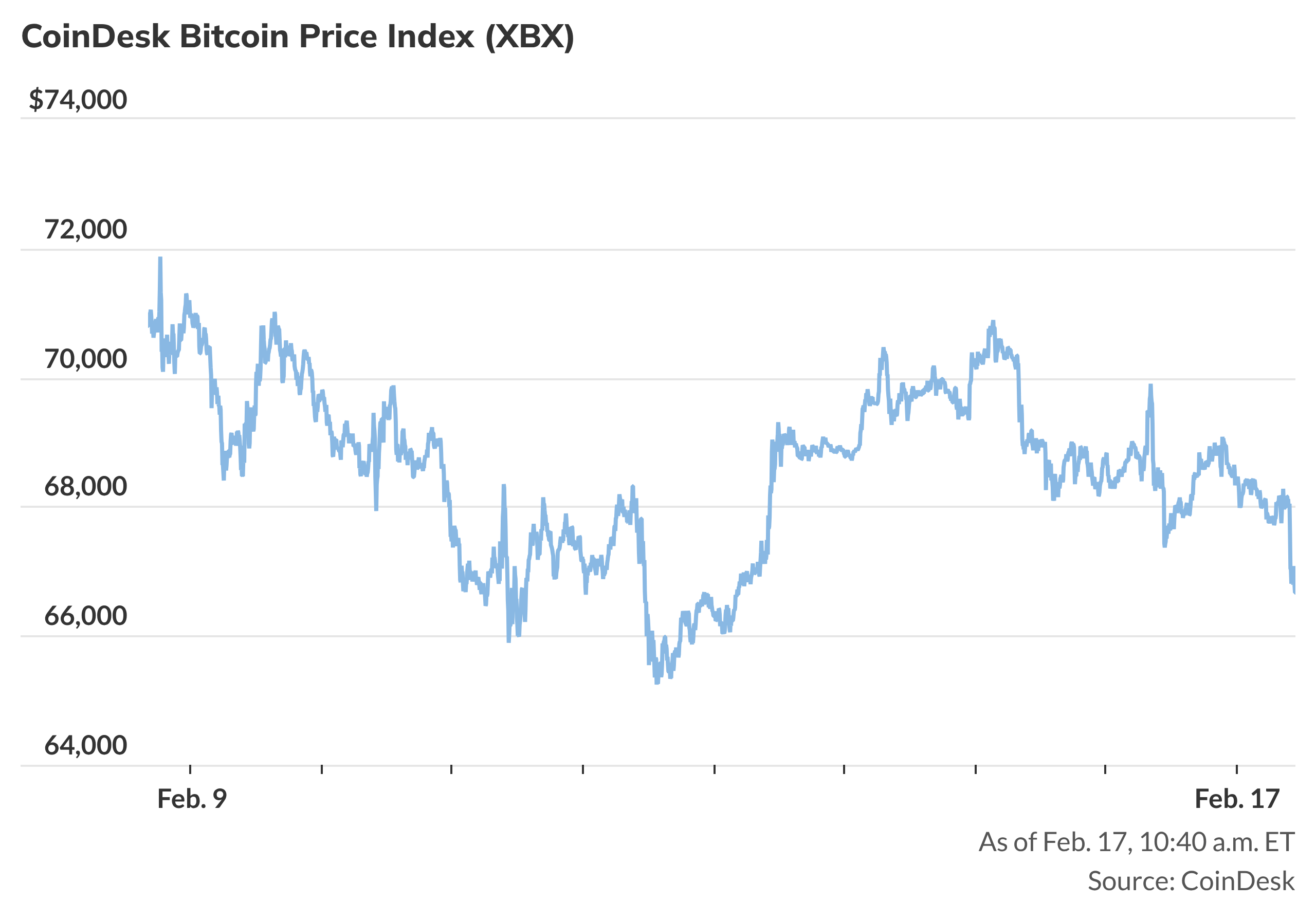
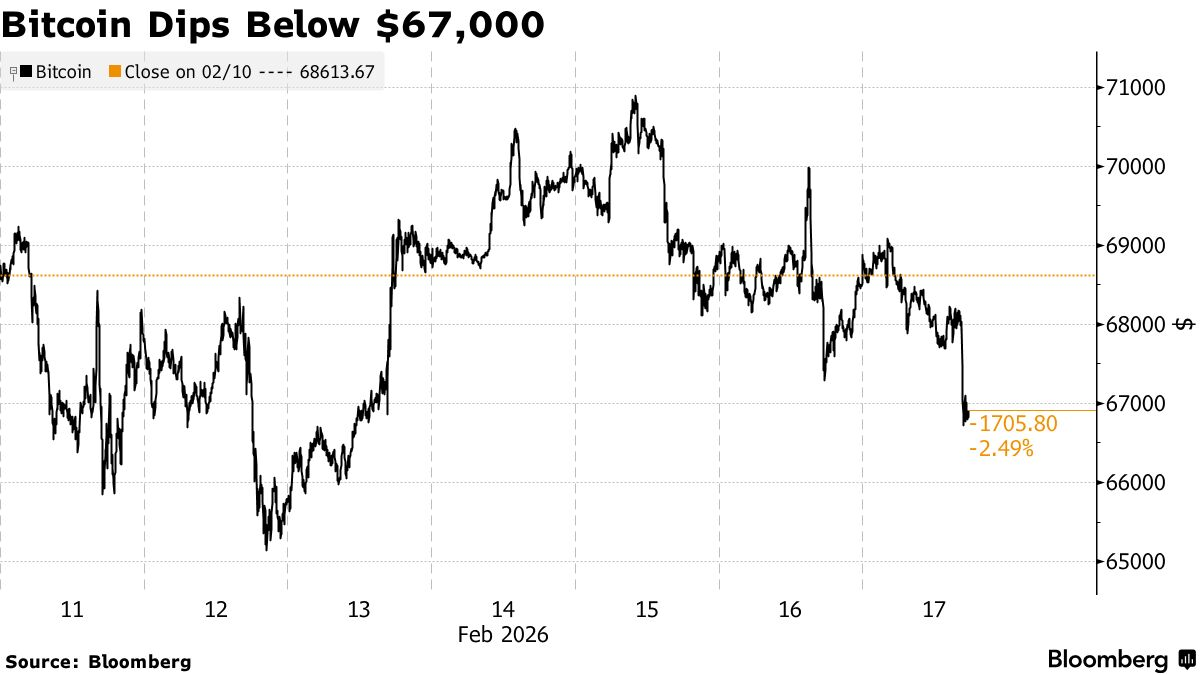
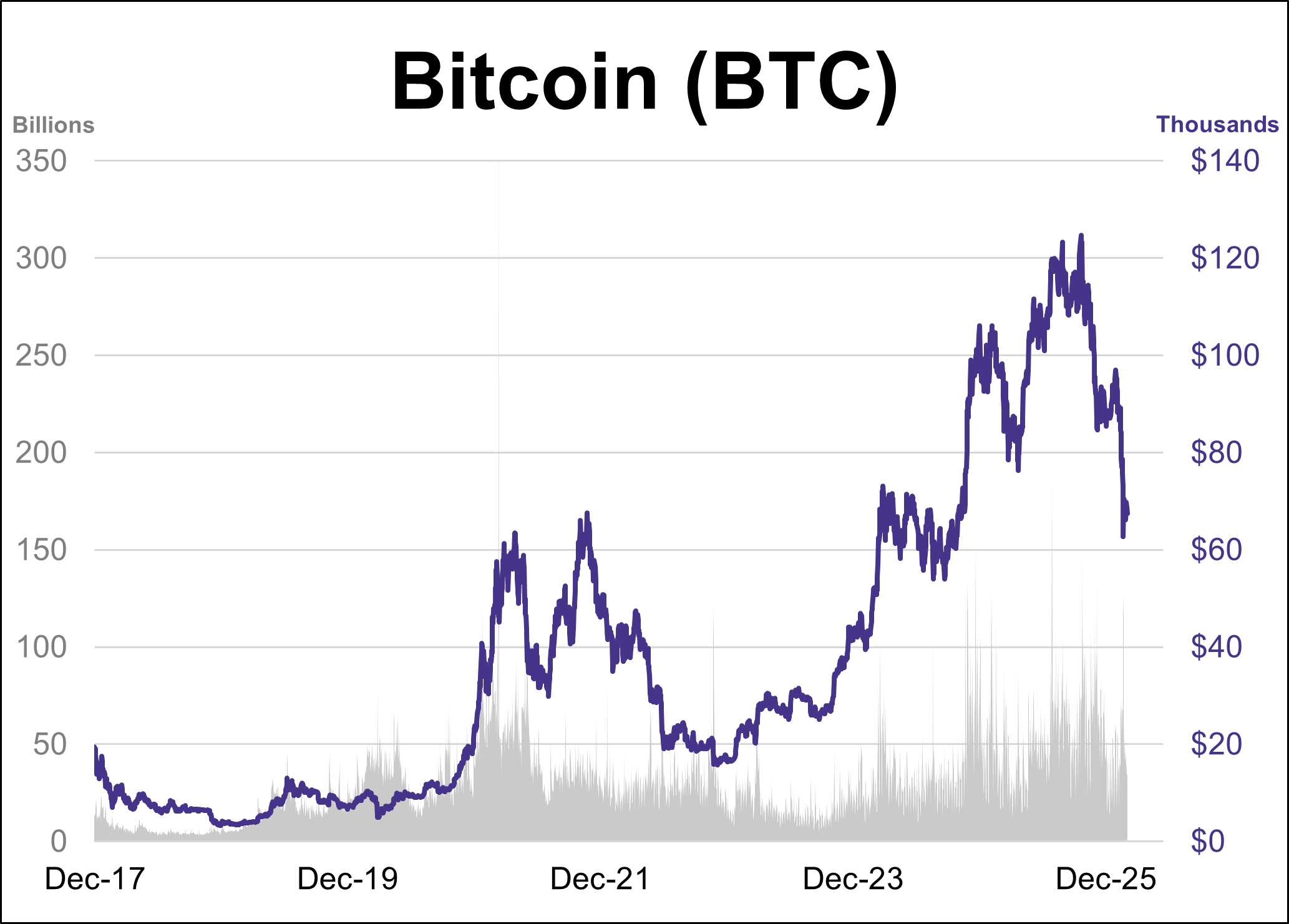
- Bitcoin falls to $67,000 (down 50% from $126,500 Oct peak); institutional flows reverse; sellers accepting crypto face 31.5% settlement volatility and FX hedging costs spike



















)






















Overview
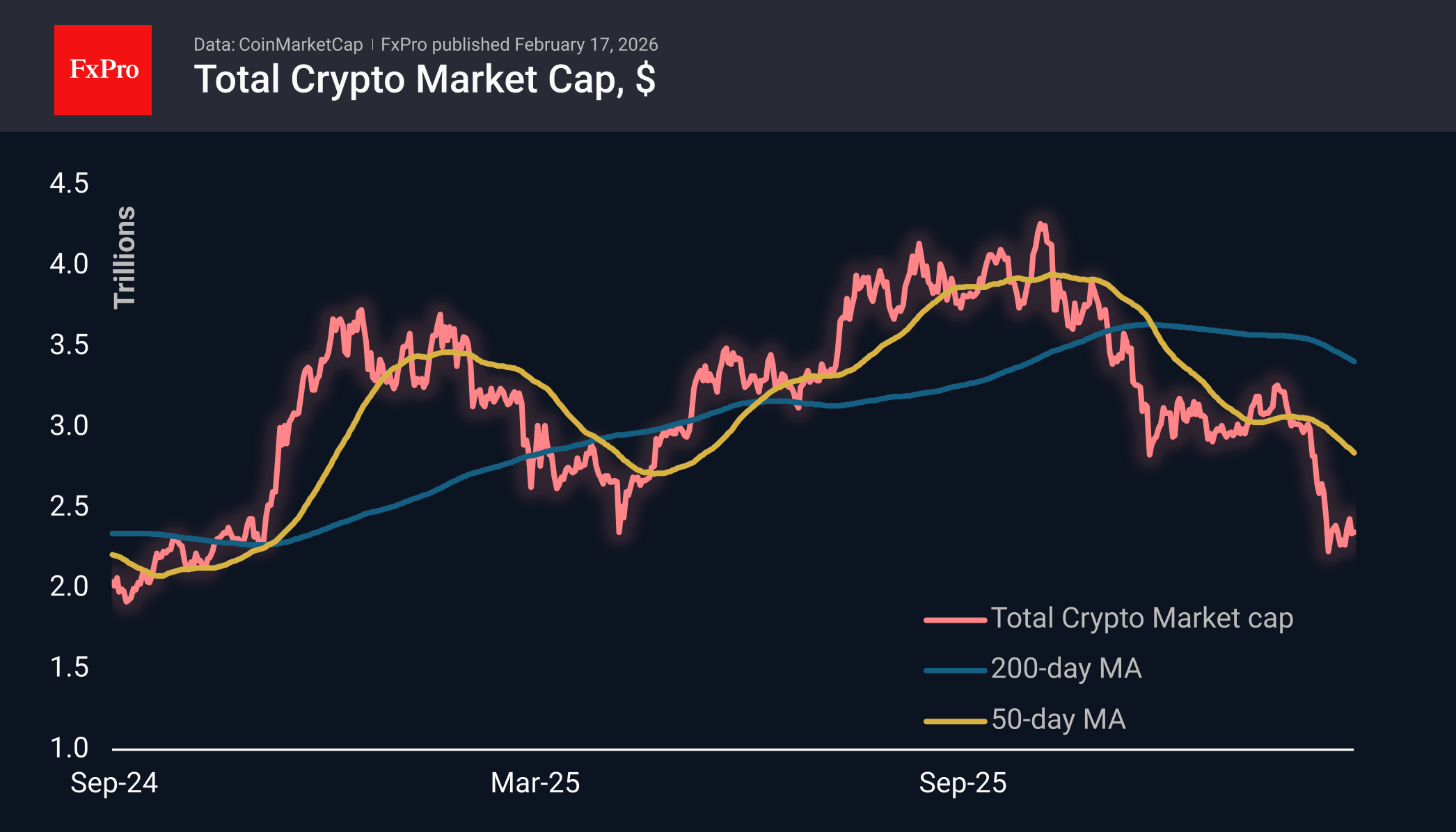
Bitcoin's institutional adoption paradox creates immediate payment processing risks for cross-border e-commerce sellers. The cryptocurrency market experienced a catastrophic 50% decline from its October 2025 all-time high of $126,500 to current lows near $60,000-$67,000 as of February 2026, contradicting industry assumptions that regulatory clarity and Wall Street integration would stabilize digital assets. Harvard's endowment cut 20% of Bitcoin ETF exposure in Q4 2025, signaling institutional retreat despite crypto-friendly Trump administration policies. This volatility directly impacts sellers operating crypto payment processors and blockchain-based marketplaces.
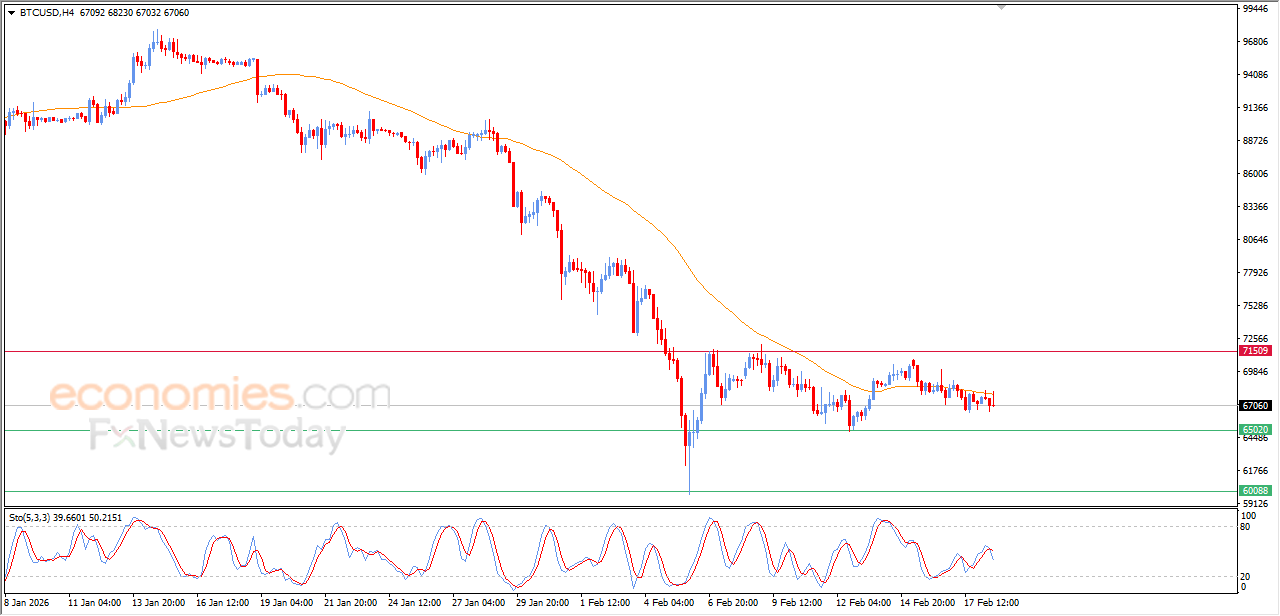
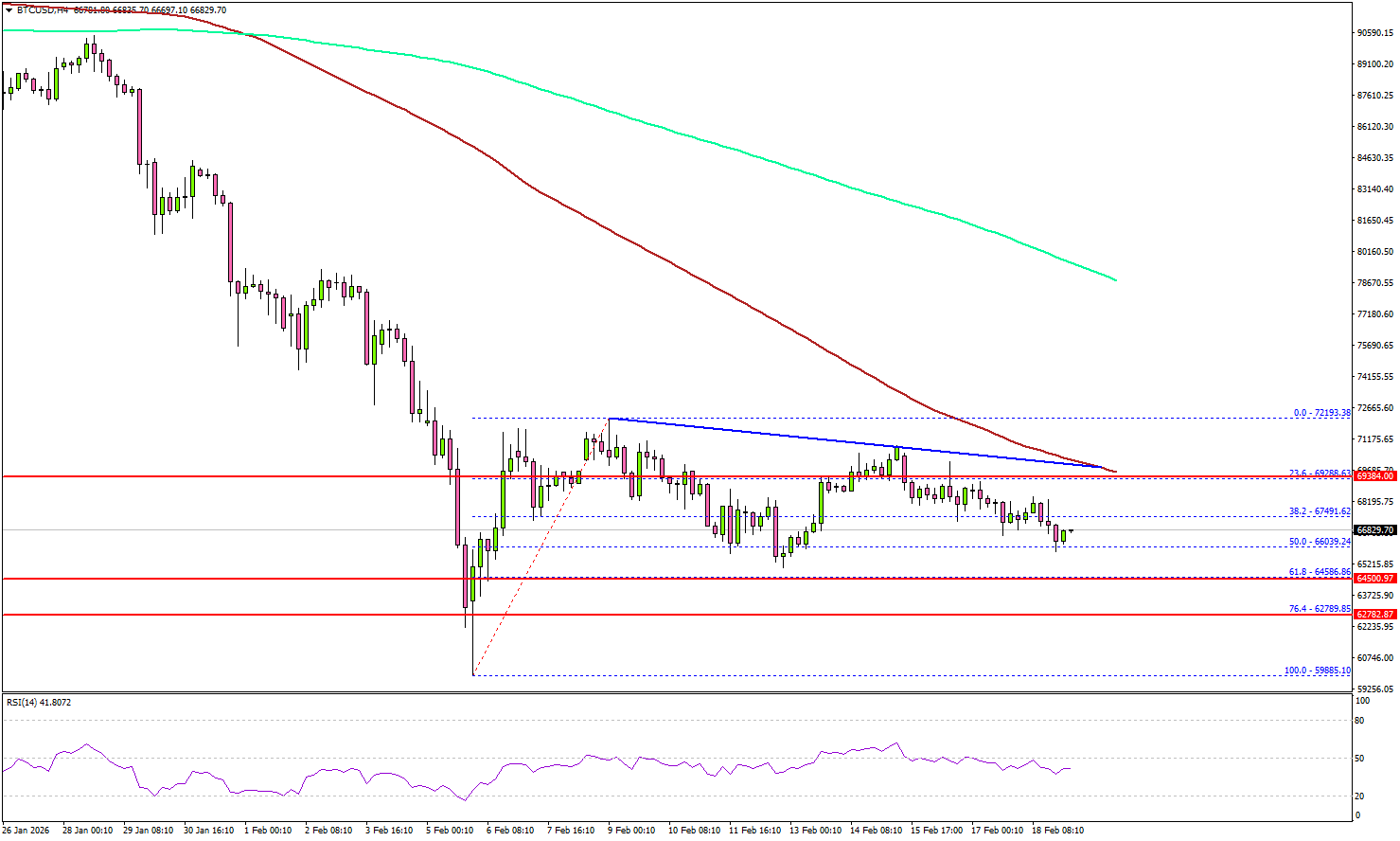
For sellers accepting cryptocurrency payments, the financial implications are severe. Bitcoin's 31.5% decline from January 14's $97,939 peak to current $67,000 levels creates settlement uncertainty that traditional payment processors (Stripe, PayPal, Square) do not face. Sellers who accepted Bitcoin at $90,000 in January now face 25-30% margin compression on those transactions if they convert to fiat currency. The $68,000-$70,000 support level break signals potential further downside to $60,000-$65,000, meaning sellers holding crypto reserves face additional unrealized losses. Cross-border merchants relying on crypto for USD/EUR/GBP conversions must now budget 3-5% additional hedging costs to protect against further volatility—a 200-300% increase from pre-institutional adoption hedging costs of 1-2%.
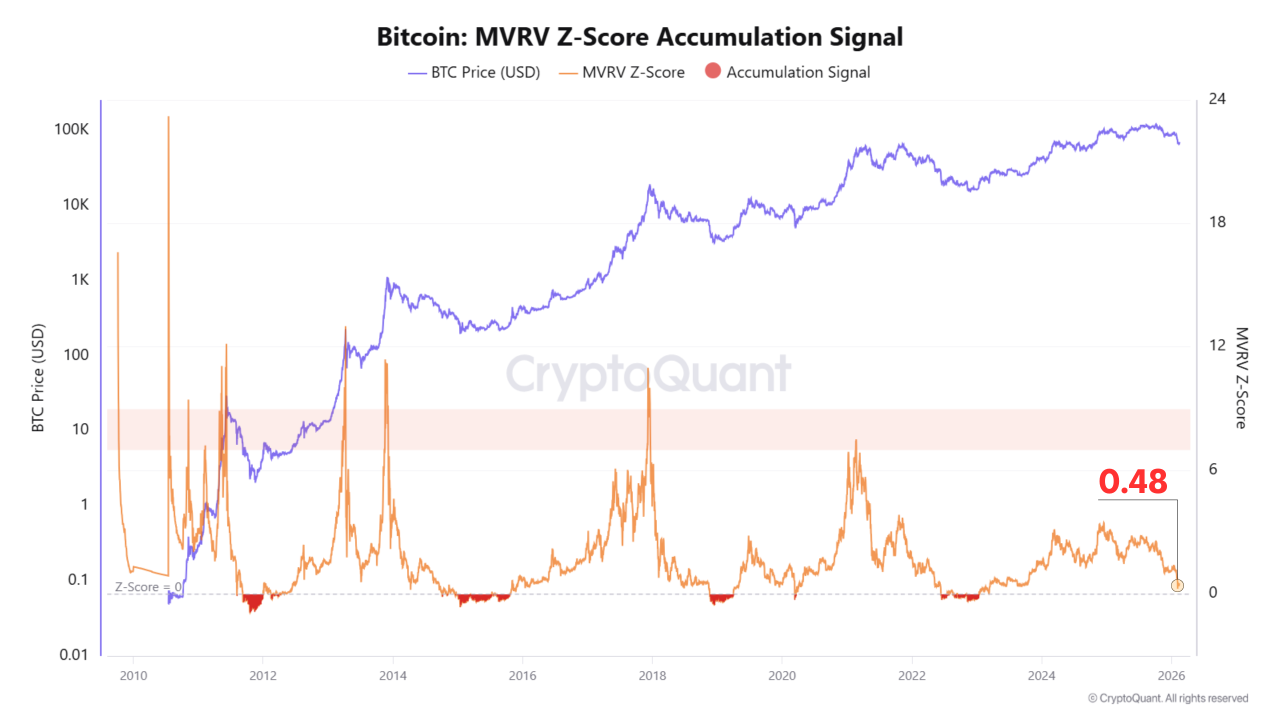
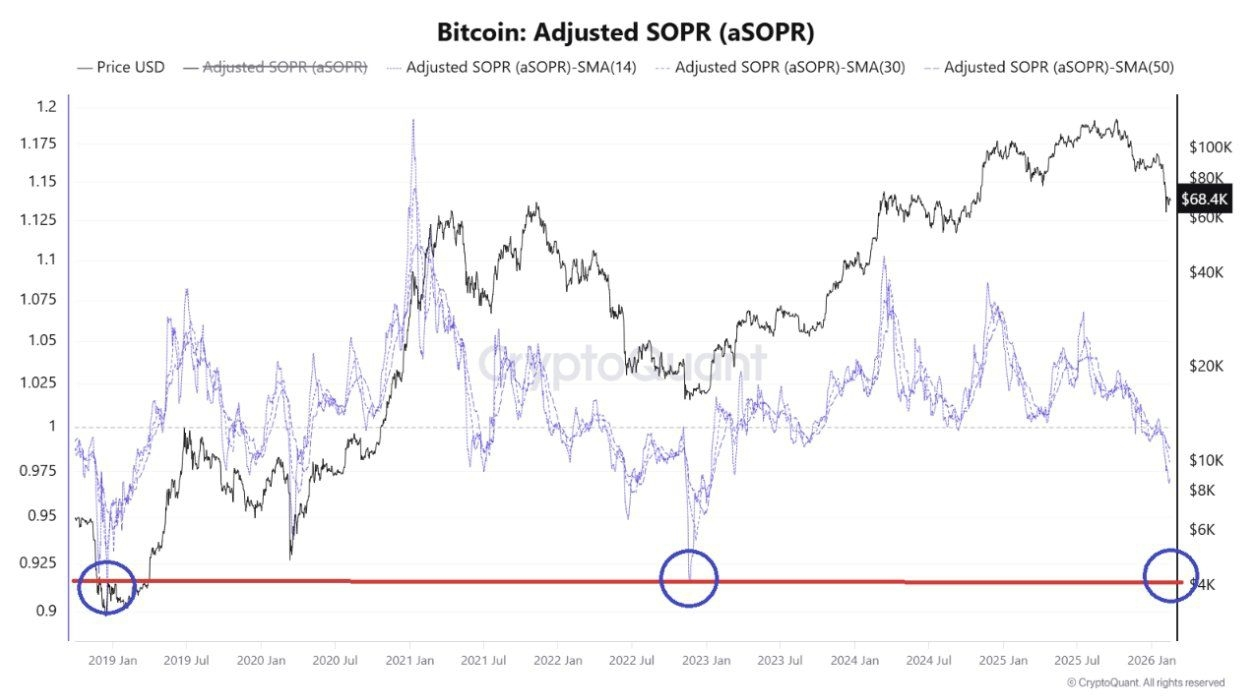
Institutional capital flight creates liquidity and settlement speed challenges. CryptoQuant analysts confirm the market has entered a "stress phase" but has not yet experienced heavy loss realization that marks cycle bottoms, suggesting correction may continue. Smaller altcoins (Zcash, Cosmos) posted 20% gains while Bitcoin/Ethereum declined 3% weekly, indicating capital rotation away from major cryptocurrencies that institutional investors favor. This bifurcation affects sellers using stablecoin-based payment processors (USDC, USDT) which depend on Bitcoin/Ethereum ecosystem liquidity for conversion rails. Settlement times for crypto payments may extend from 10-15 minutes to 30-60 minutes during volatility spikes, creating cash flow delays for sellers managing tight working capital cycles.
Regulatory integration paradoxically increased systemic risk rather than stability. Trump administration's crypto-friendly policies (Binance founder pardon, reversed exchange restrictions) failed to prevent the downturn, contradicting the industry narrative that regulatory acceptance would reduce volatility. This pattern mirrors the 2011 crash that eliminated 99% of Bitcoin's value, suggesting crypto remains fundamentally volatile despite mainstream adoption. Sellers who invested in crypto payment infrastructure based on regulatory stability assumptions now face stranded technology investments. The U.S. dollar index strengthened to 97.7 amid geopolitical tensions (Middle East military buildup, 27% probability of strikes by month-end per Polymarket), creating additional headwinds for crypto-denominated settlements as USD strength typically pressures risk assets including cryptocurrencies.
Questions 7
How much will FX hedging costs increase for crypto-based cross-border payments?
Hedging costs have spiked 200-300% from pre-institutional adoption levels of 1-2% to current 3-5% of transaction value. Bitcoin volatility (31.5% decline from Jan 14 peak) forces sellers to purchase put options or use forward contracts to protect settlement values. A $10,000 cross-border transaction now costs $300-500 to hedge (vs. $100-200 previously). For sellers processing $50,000+ monthly in crypto, this represents $1,500-2,500 additional monthly costs. Recommendation: Use stablecoin payment rails (USDC on Polygon, USDT on Arbitrum) which have 0.1-0.3% volatility and require minimal hedging, reducing costs to $50-150 monthly for equivalent transaction volumes.
Should cross-border sellers accept Bitcoin payments given 50% volatility?
No—not without immediate conversion to stablecoins or fiat. Bitcoin's 50% decline from $126,500 to $60,000-$67,000 (Feb 2026) and continued downside risk to $60,000 creates unacceptable settlement risk. Sellers accepting Bitcoin at $90,000 in January face 25-30% margin compression if converting to USD today. Instead, use payment processors that convert Bitcoin to USDC/USDT within 60 seconds (Coinbase Commerce, BitPay) to lock in prices. This adds 0.5-1% processing fees but eliminates volatility exposure. Monitor Bitcoin's $67,000 support level—a break below triggers potential cascade to $60,000, making any crypto holdings increasingly risky.