
)

Apple's AI Exodus Signals Strategic Transformation
- Leadership Reshuffling Reveals Critical Tech Innovation Challenges for Silicon Valley Giants














Overview
Apple's technological ecosystem is experiencing a profound strategic reset, marked by unprecedented leadership transitions that expose deeper challenges in the company's innovation trajectory. The departure of multiple high-profile executives, including John Giannandrea (AI chief) and key design/policy leaders, signals more than routine corporate shuffling—it represents a critical inflection point in Apple's competitive positioning.
Talent migration emerges as the most telling indicator of underlying technological tensions. The Wall Street Journal's report of dozens of engineers moving to OpenAI highlights a systemic brain drain that goes beyond individual career moves. This exodus, particularly in domains like audio, watch design, and robotics, suggests Apple is struggling to maintain its traditional innovation leadership.
The AI strategy deficit stands at the center of these transitions. With Siri experiencing minimal upgrades and the Vision Pro headset receiving a lukewarm market reception, Apple finds itself uncharacteristically reactive rather than pioneering. Industry analysts like Dan Ives emphasize that this moment will significantly define CEO Tim Cook's legacy—a potential turning point where Apple must either dramatically reinvent its technological approach or risk falling behind competitors like Meta, Google, and OpenAI.
Interestingly, despite these challenges, Apple remains financially robust. iPhone 17 sales projections and potential smartphone market leadership against Samsung suggest the company's core hardware business remains strong. However, the talent exodus and leadership changes indicate a recognition that future competitiveness hinges on artificial intelligence and advanced machine learning capabilities.
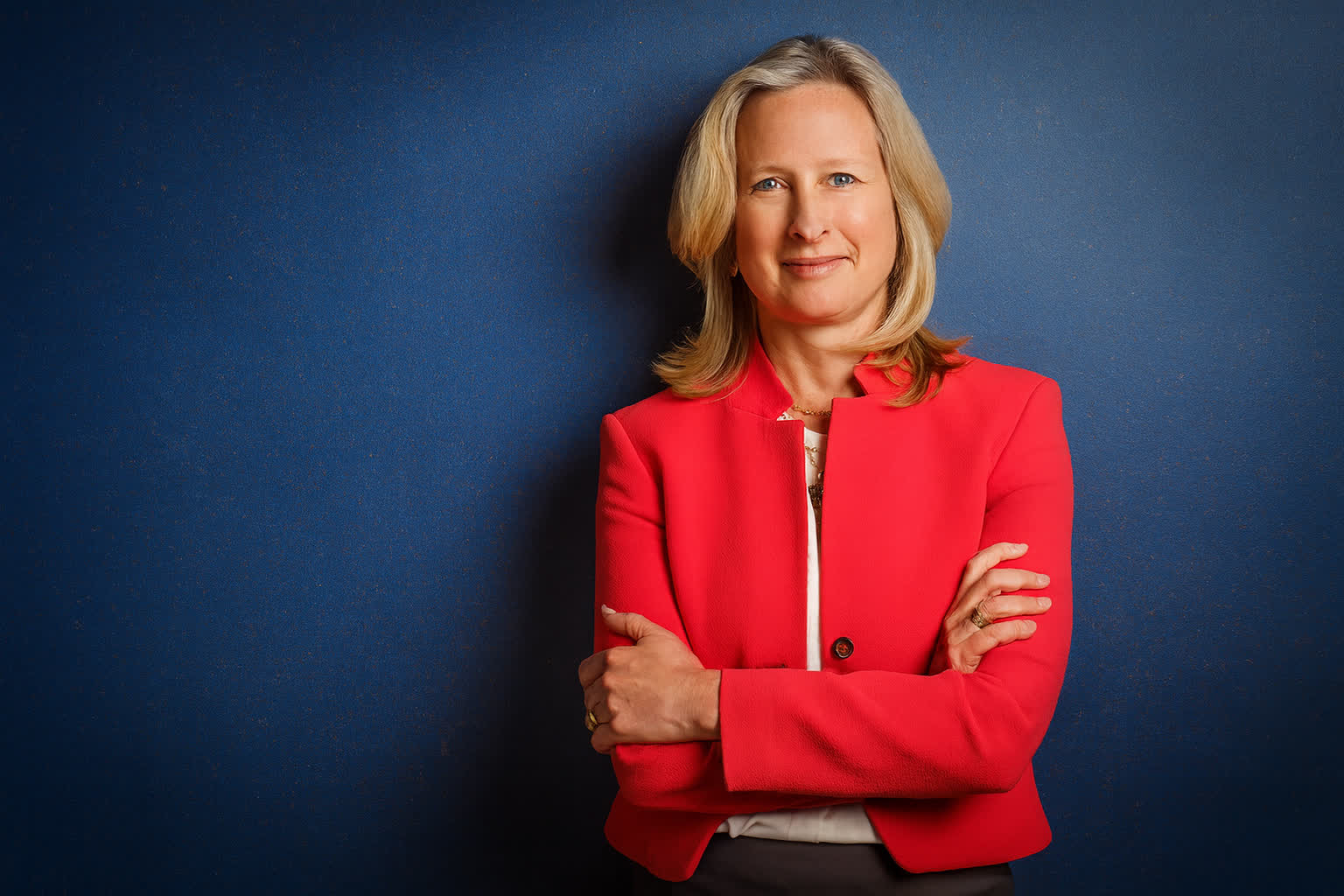
The strategic implications are clear: Apple is not just replacing executives but attempting a fundamental reimagining of its technological strategy. By recruiting talent like Jennifer Newstead from Meta and Amar Subramanya from Microsoft, the company signals its intent to inject fresh perspectives and potentially more aggressive innovation approaches into its traditionally cautious culture.
Questions 3
Is Apple's core business at risk?
Despite leadership challenges, Apple's hardware business remains strong, with iPhone 17 sales projections and potential smartphone market leadership against Samsung. However, the long-term risk lies in falling behind in AI and machine learning innovation, which could impact future product development and competitiveness.
Why are top Apple executives leaving now?
The departures signal a strategic reset in Apple's approach to AI and innovation. With mounting pressure from competitors like OpenAI and Google, these leadership changes represent an acknowledgment that Apple needs fresh perspectives to remain competitive in artificial intelligence and emerging technologies.