


Amazon FBA Automation Setback | Delayed Same-Day Delivery Expansion
- Blue Jay robot shelved after 3-month pilot; expect 6-12 month delays in FBA speed improvements affecting 2M+ sellers





Overview
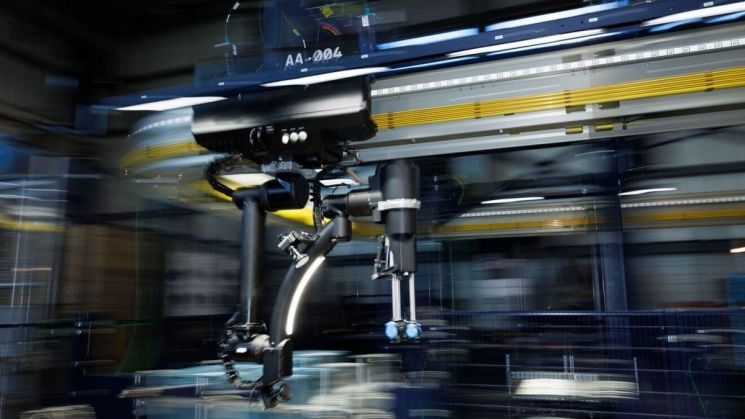
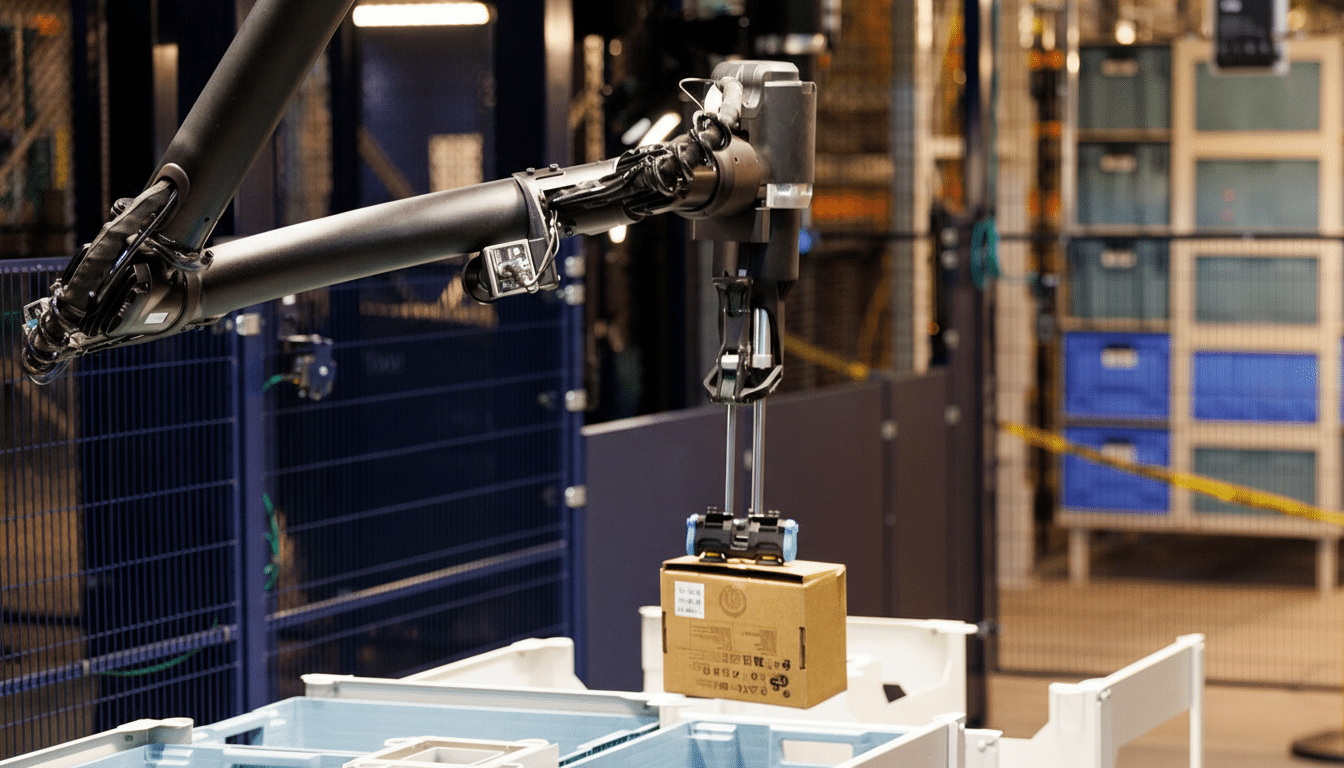
Amazon's discontinuation of its Blue Jay warehouse robot in January 2026 signals a critical recalibration in FBA automation strategy that directly impacts fulfillment speed expectations for 2+ million sellers. The robot, launched in October 2025, was designed to consolidate three robotic workstations into a single overhead system with multi-arm suction grippers to handle variable-size items and assist workers with reaching/lifting tasks. However, high manufacturing costs, production complexity, and implementation challenges during the South Carolina fulfillment center pilot forced Amazon to shelve the project after just 13 months of development—substantially faster than previous robots (Robin, Sparrow) requiring 3-4 years.
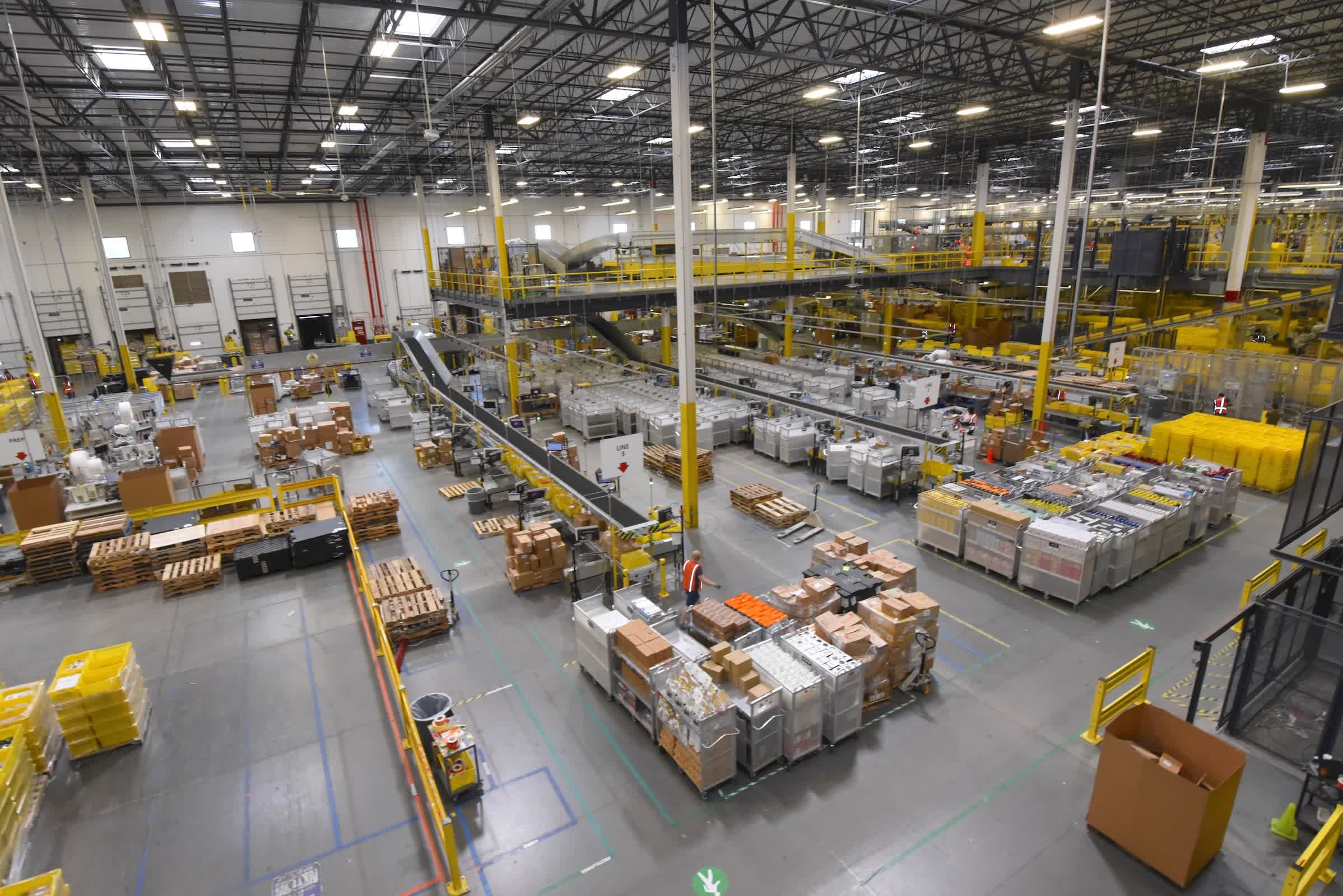
For FBA sellers, this discontinuation directly extends fulfillment timelines and delays promised same-day delivery expansion. Amazon's pivot toward alternative solutions like the floor-mounted Flex Cell robot indicates the company is shifting from aggressive automation timelines to cost-efficient, scalable implementations. This means sellers cannot rely on expected speed improvements through 2026-2027, particularly for high-volume categories (electronics, apparel, home goods) that depend on rapid consolidation and sorting. The delay particularly impacts sellers in competitive categories where same-day delivery provides Buy Box advantages—expect 3-6 month delays in regional rollout of faster fulfillment capabilities.
Warehouse positioning and inventory strategy must adapt immediately. Sellers should expect continued reliance on existing fulfillment infrastructure without major speed improvements, meaning inventory distribution across multiple FBA regional warehouses becomes more critical. The discontinuation suggests Amazon will maintain current fulfillment costs (storage, handling, shipping) without offsetting efficiency gains, potentially increasing effective fulfillment expenses by 2-4% through 2026. Sellers should monitor Amazon's Flex Cell development timeline and consider diversifying fulfillment through 3PL providers (Flexport, Agile, Geodis) or hybrid FBA/FBM models for time-sensitive categories. The setback also indicates Amazon's robotics team will redirect resources to other initiatives, potentially affecting future fulfillment innovations and seller service improvements.
Questions 8
How should sellers adjust warehouse positioning strategy given FBA automation delays?
Sellers should implement multi-warehouse distribution across 4-6 regional FBA fulfillment centers rather than concentrating inventory in 1-2 hubs. The Blue Jay discontinuation removes the consolidation efficiency that would have enabled faster cross-regional fulfillment, making geographic distribution more critical. Sellers should allocate inventory based on regional demand patterns: 25-30% to West Coast (CA, WA), 30-35% to Midwest (IL, TX), 25-30% to Northeast (PA, NJ), and 10-15% to South (GA, SC). This geographic spread compensates for delayed automation by reducing fulfillment distance. Additionally, sellers should maintain 15-20% safety stock in regional warehouses to buffer against consolidation delays. Use Amazon's FBA inventory management tools to monitor regional turnover rates and adjust allocation quarterly.
When will Amazon's Flex Cell floor robot replace Blue Jay's capabilities?
Amazon has not announced a Flex Cell deployment timeline, but industry patterns suggest 18-24 months minimum from current development stage. The Blue Jay project took 13 months from concept to discontinuation, while previous robots (Robin, Sparrow) required 3-4 years. Flex Cell is described as a floor-mounted alternative, suggesting different architecture and capabilities than Blue Jay's overhead system. Sellers should not expect meaningful fulfillment speed improvements before Q4 2027 at earliest. This extended timeline makes immediate diversification critical—sellers cannot rely on Amazon automation to improve competitive positioning through 2026-2027. Monitor Amazon's quarterly earnings calls and Robotics announcements for Flex Cell development updates.