




Video Game Industry's Resilient Reinvention Amid Massive Disruption in 2025
- Survival strategies emerge as major studios navigate unprecedented challenges and technological transformation


















































































Overview
The video game industry in 2025 stands at a critical inflection point, characterized by profound structural disruption and remarkable adaptive resilience. Major companies like Warner Bros. Games, Electronic Arts, and Microsoft experienced substantial organizational challenges, marked by widespread layoffs and strategic realignments that fundamentally reshaped the gaming landscape.
Industry Transformation Dynamics reveal a complex narrative of contraction and innovation. Despite significant studio closures and project cancellations—including high-profile titles like the Wonder Woman and Black Panther games—certain franchises demonstrated extraordinary adaptability. Minecraft and Super Mario Bros. not only survived but celebrated milestone anniversaries, showcasing the enduring power of established intellectual properties.
The gaming adaptation market emerged as a surprising bright spot, with 'A Minecraft Movie' generating an astounding $958 million worldwide. This success signals a critical strategic pivot: game franchises are increasingly viewing transmedia storytelling as a core revenue stream, not just a peripheral marketing strategy. Upcoming film adaptations like 'Return to Silent Hill' and 'The Super Mario Galaxy Movie' further underscore this trend of expanding narrative universes beyond traditional gaming platforms.
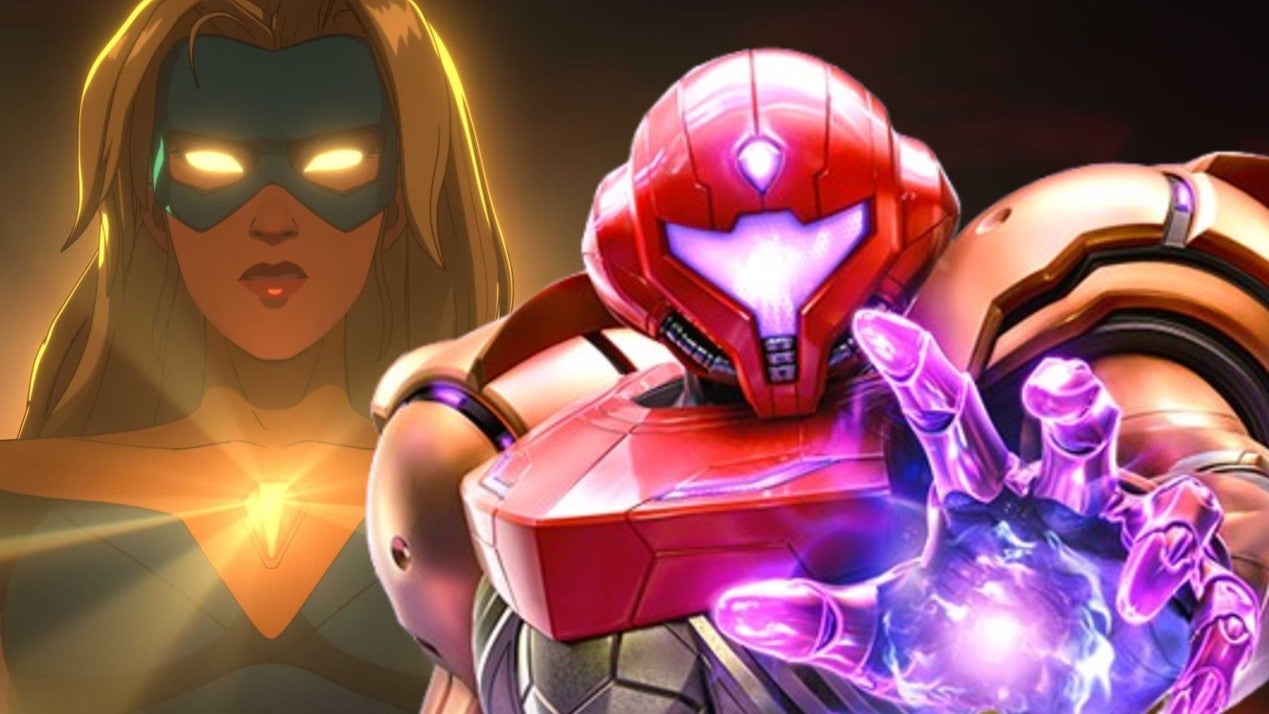
Innovative game releases like 'Marvel Rivals'—a multiplayer online game featuring 45 Marvel characters—and a new Sonic racing game with CrossWorlds gameplay mechanics demonstrate the industry's commitment to reinvention. These titles represent more than mere entertainment products; they are complex interactive ecosystems that blend technological innovation with narrative depth.
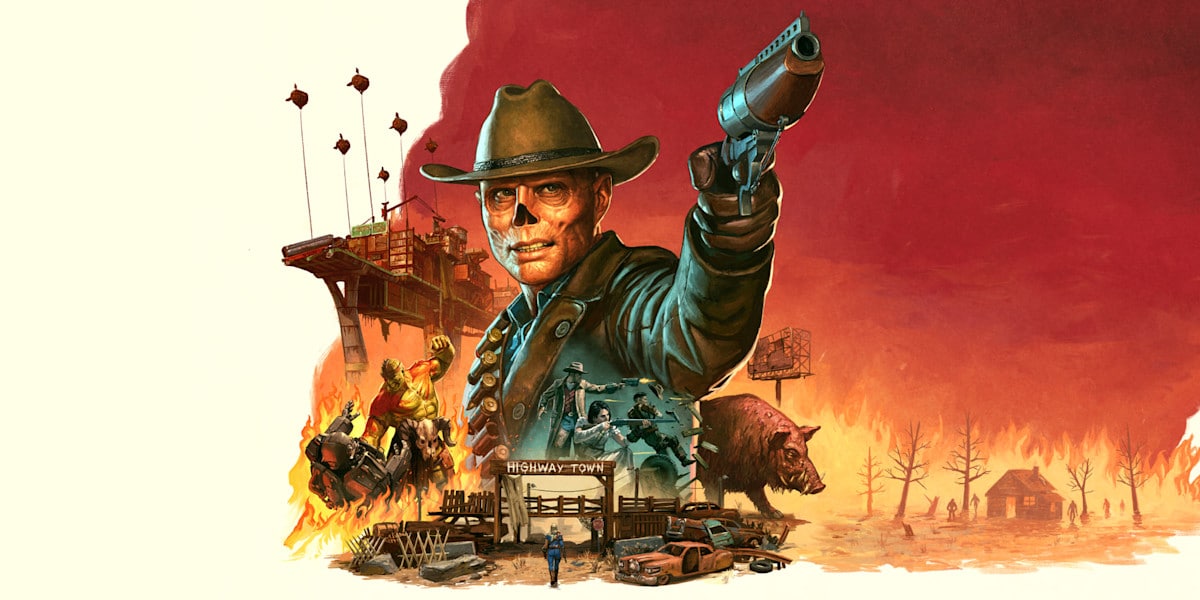
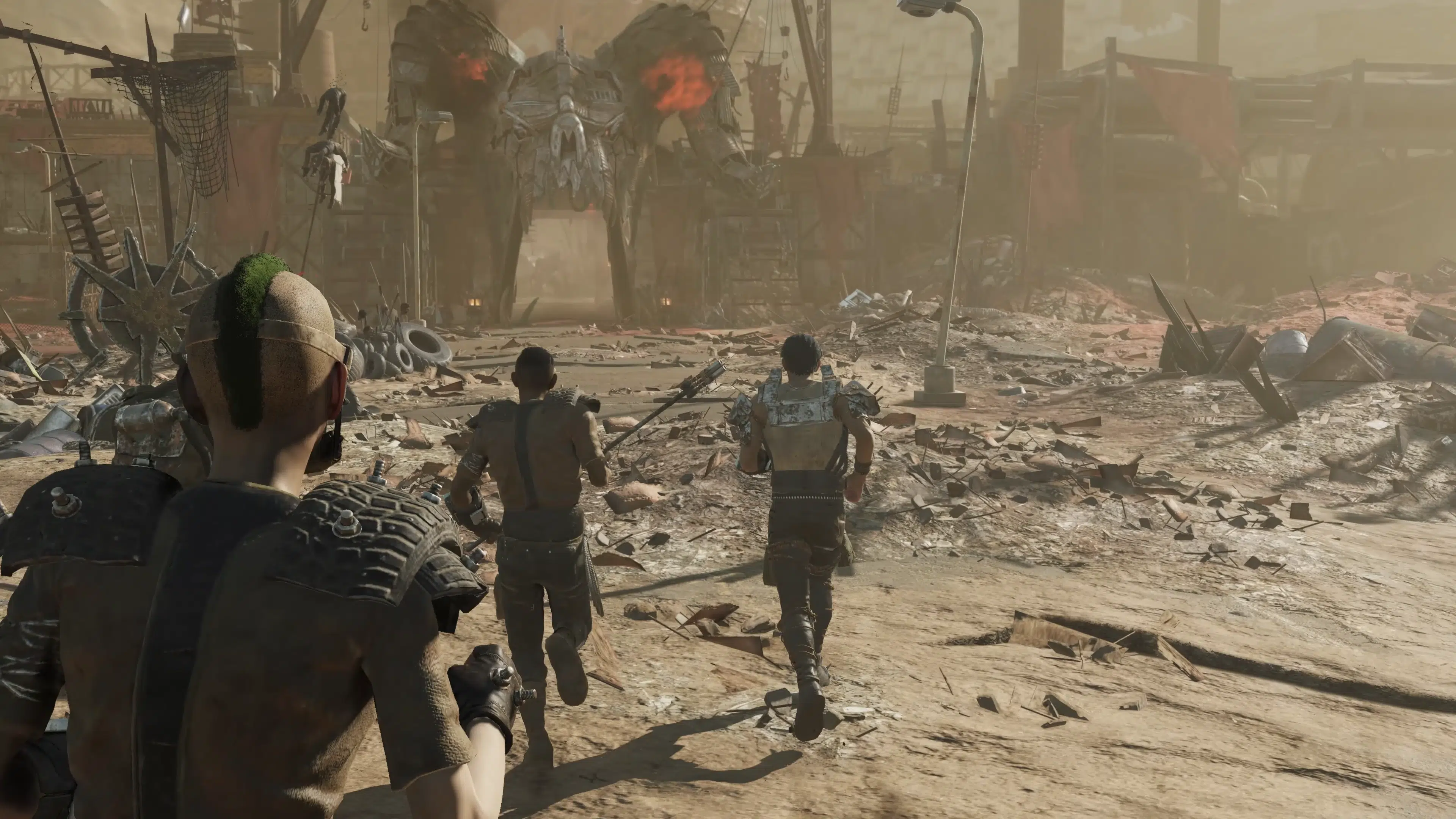
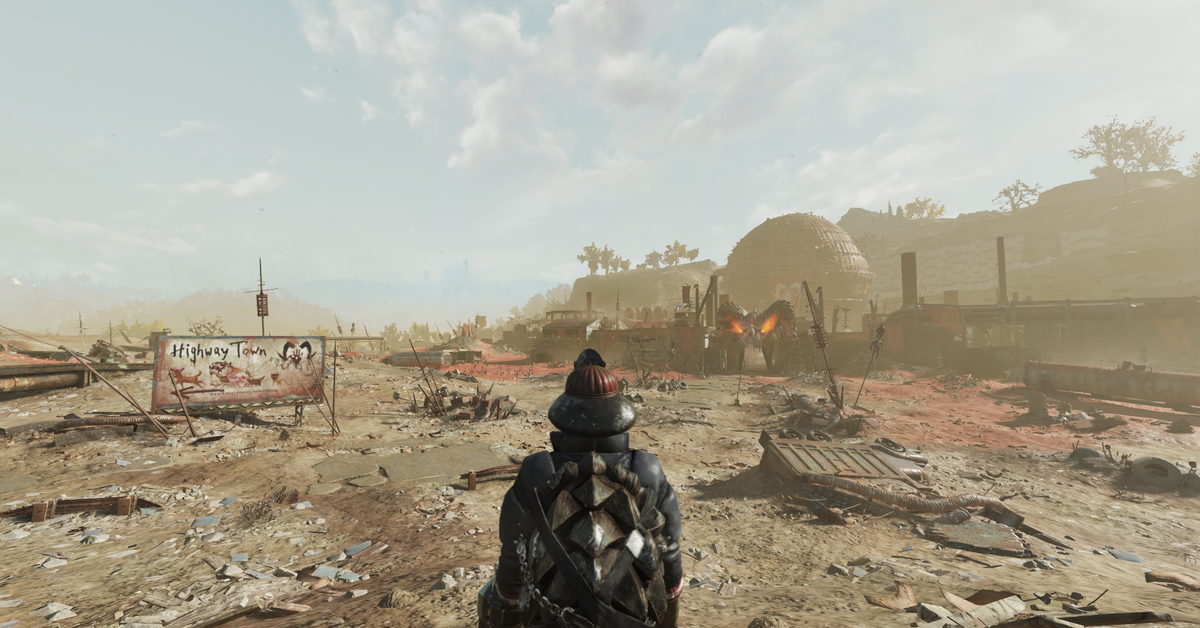
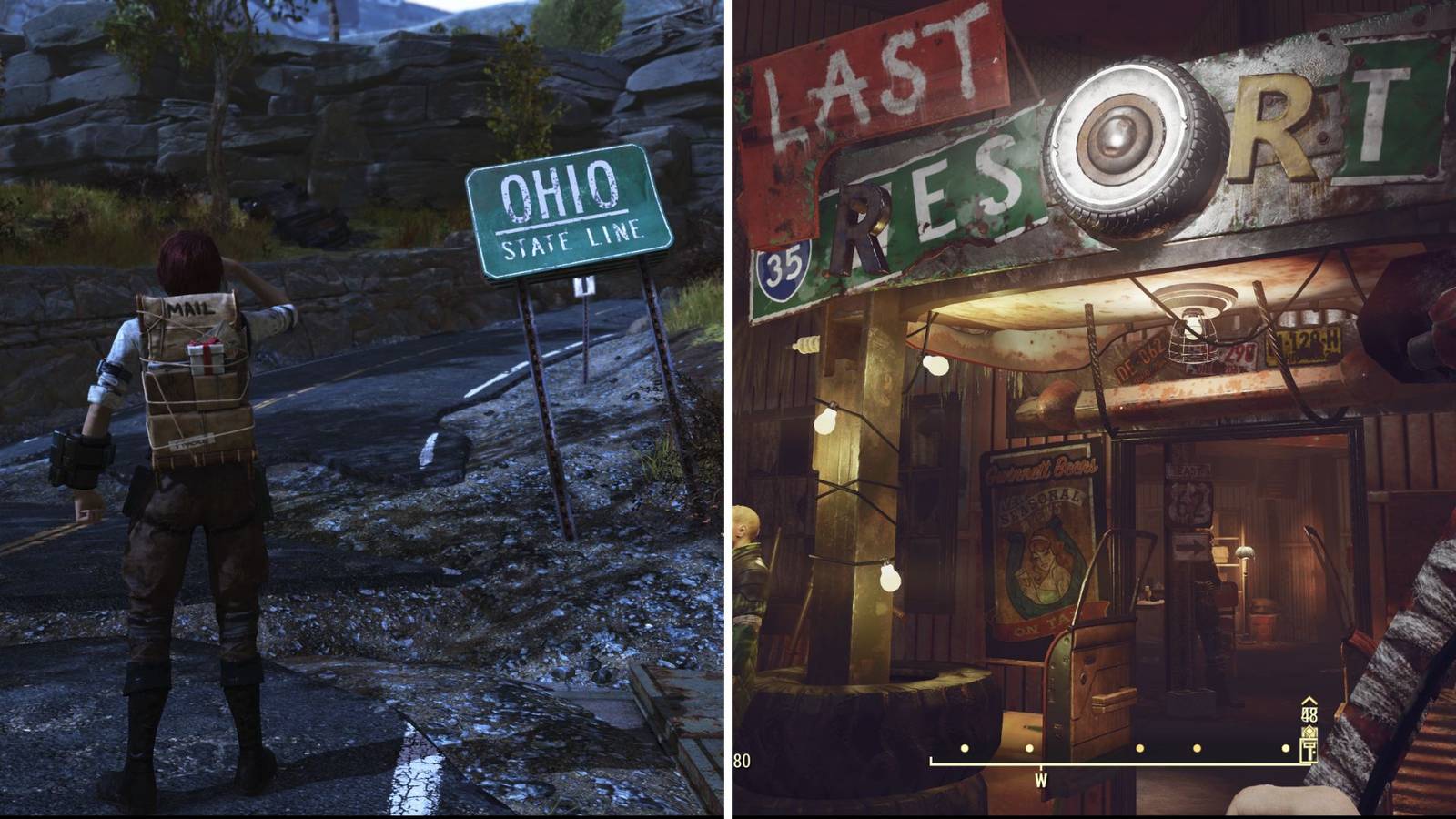
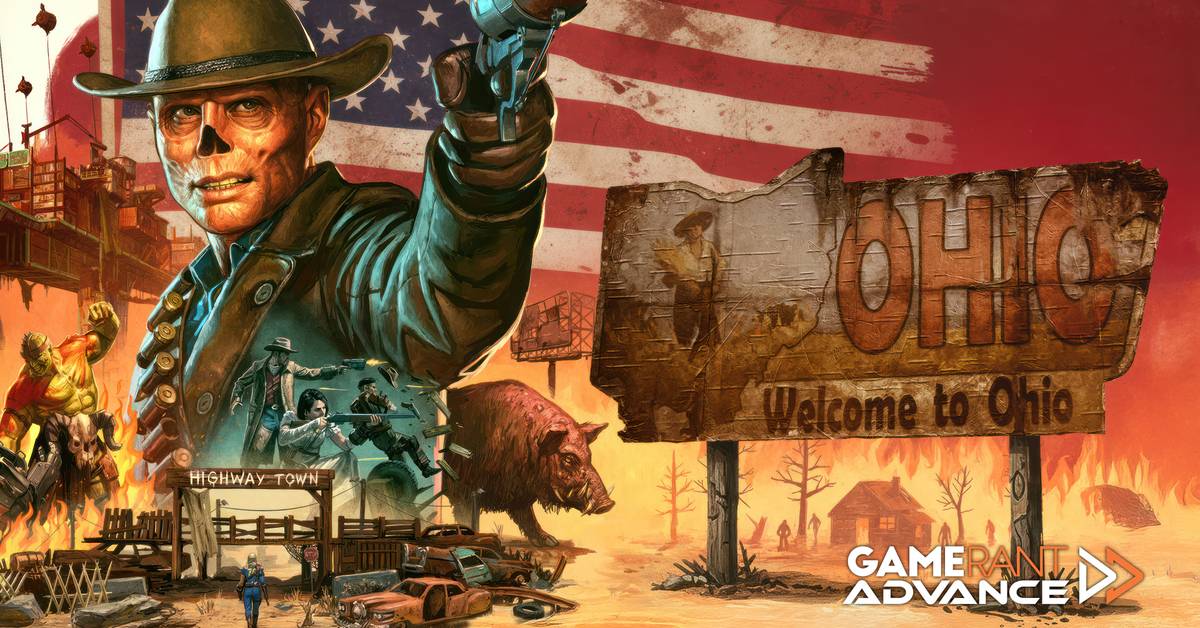
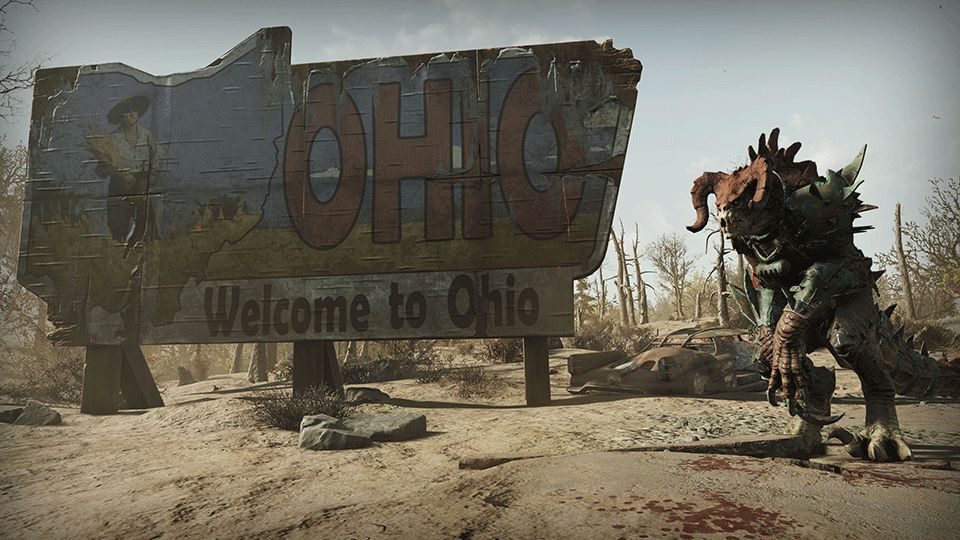
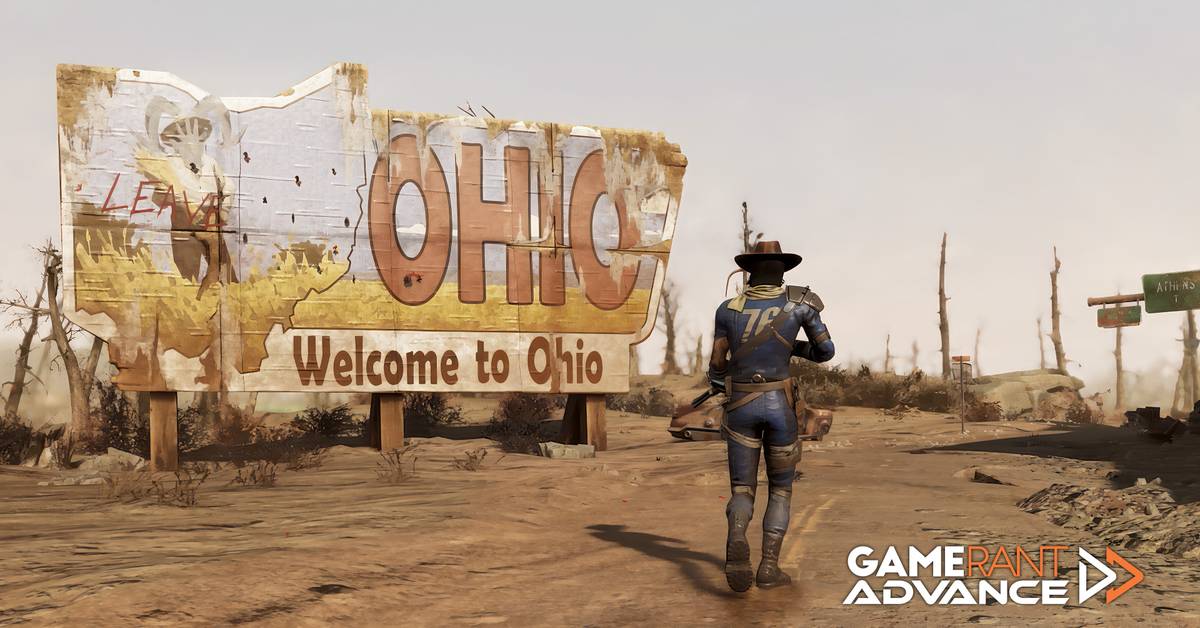
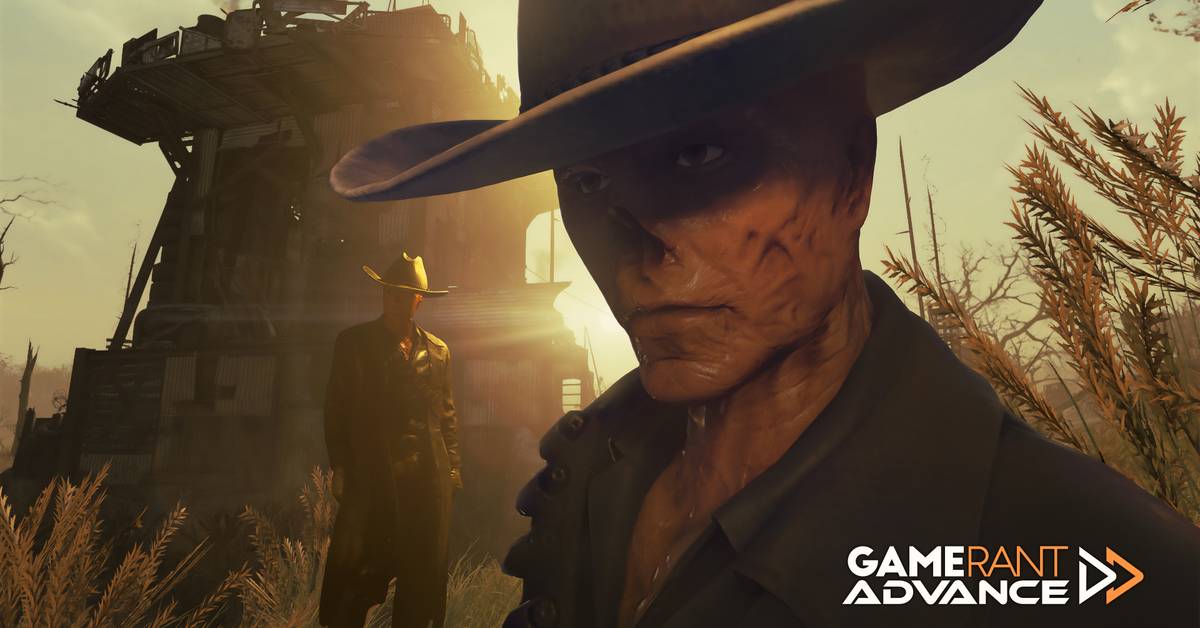
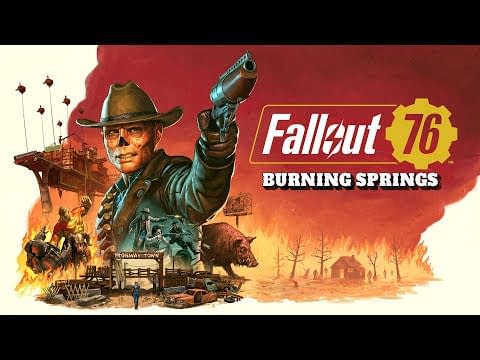
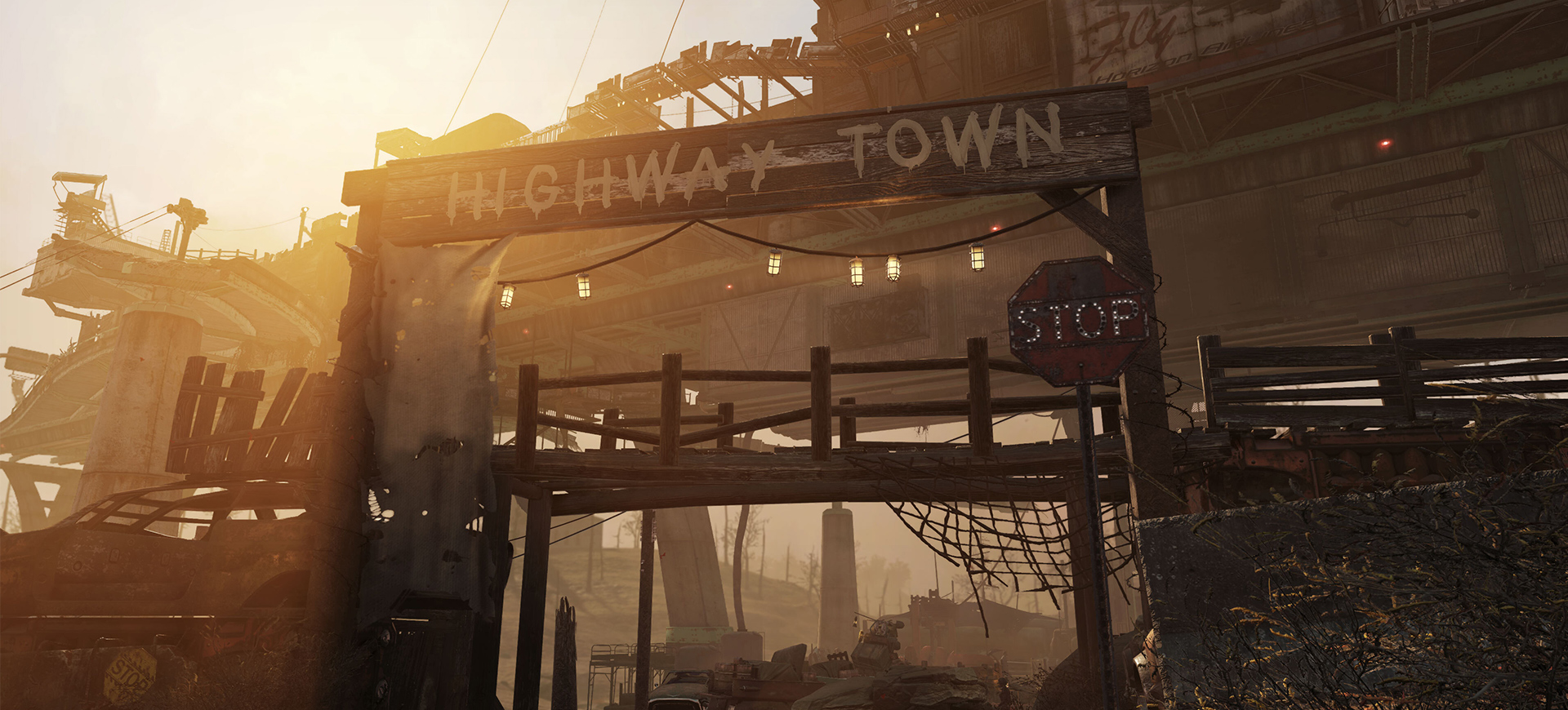
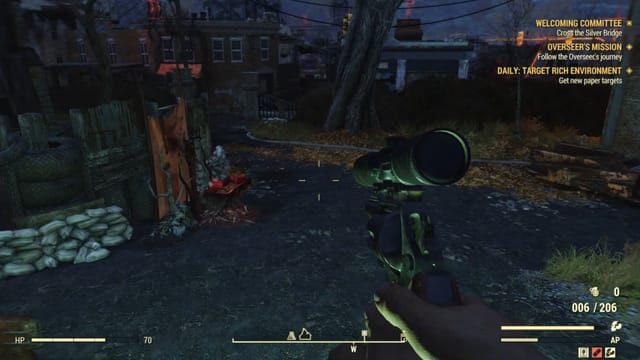
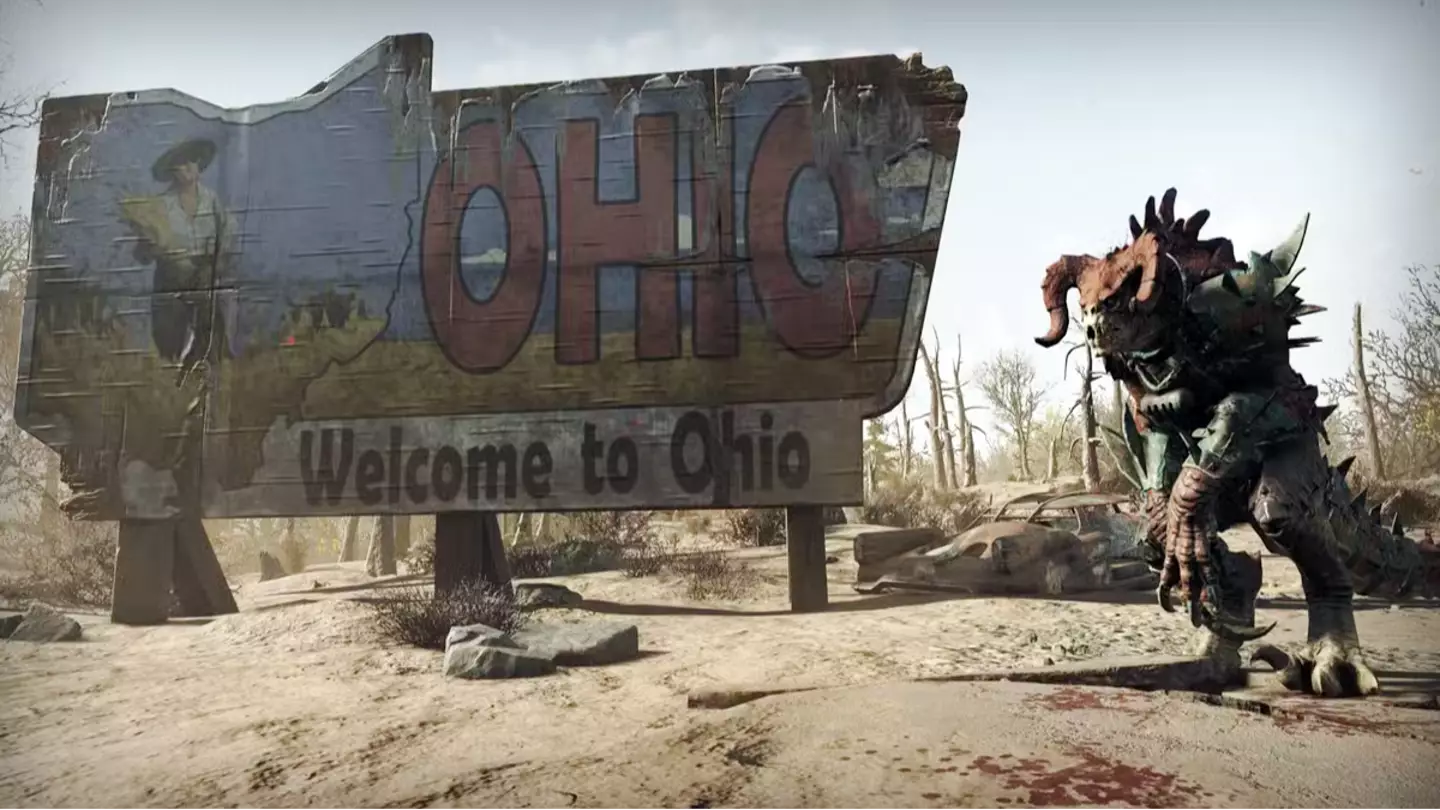
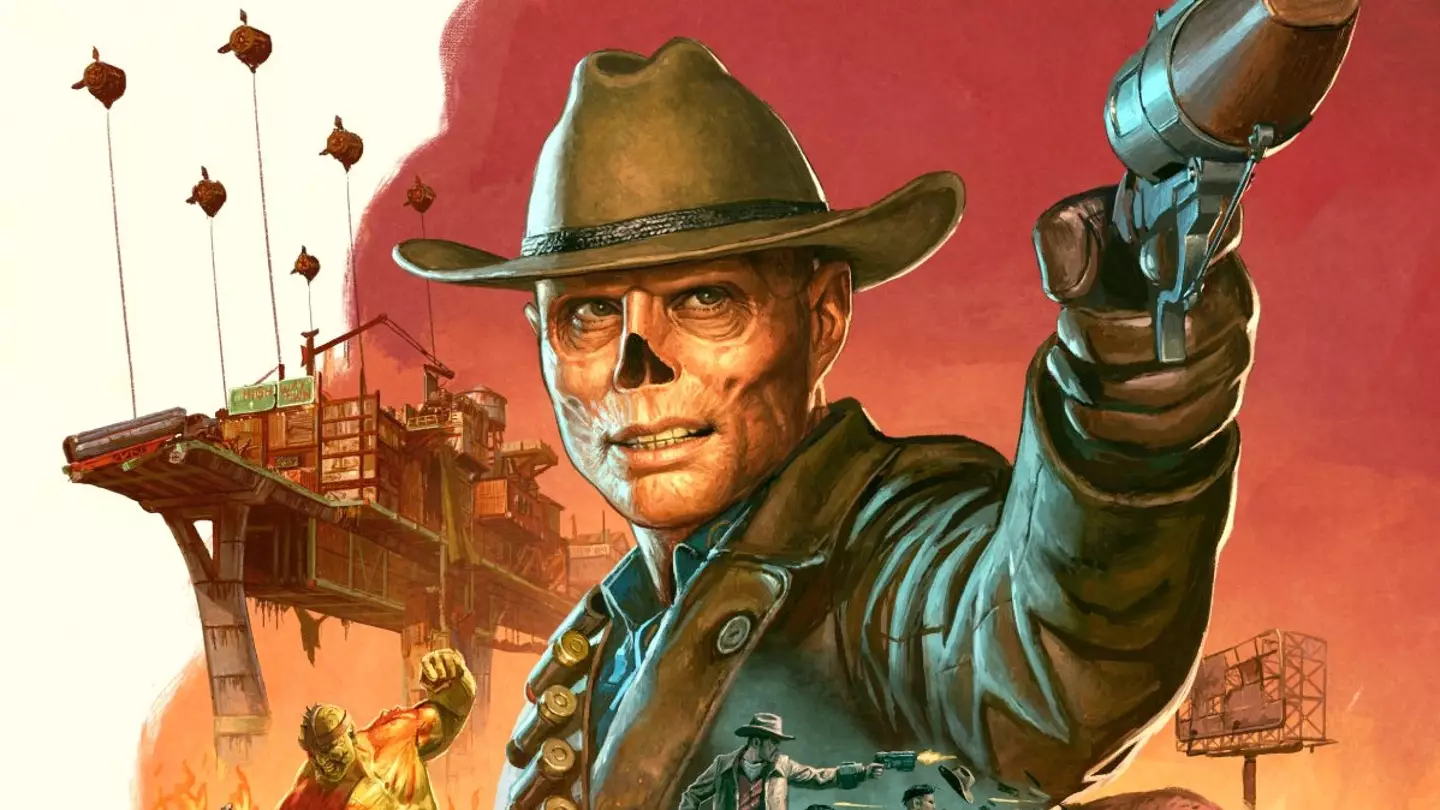
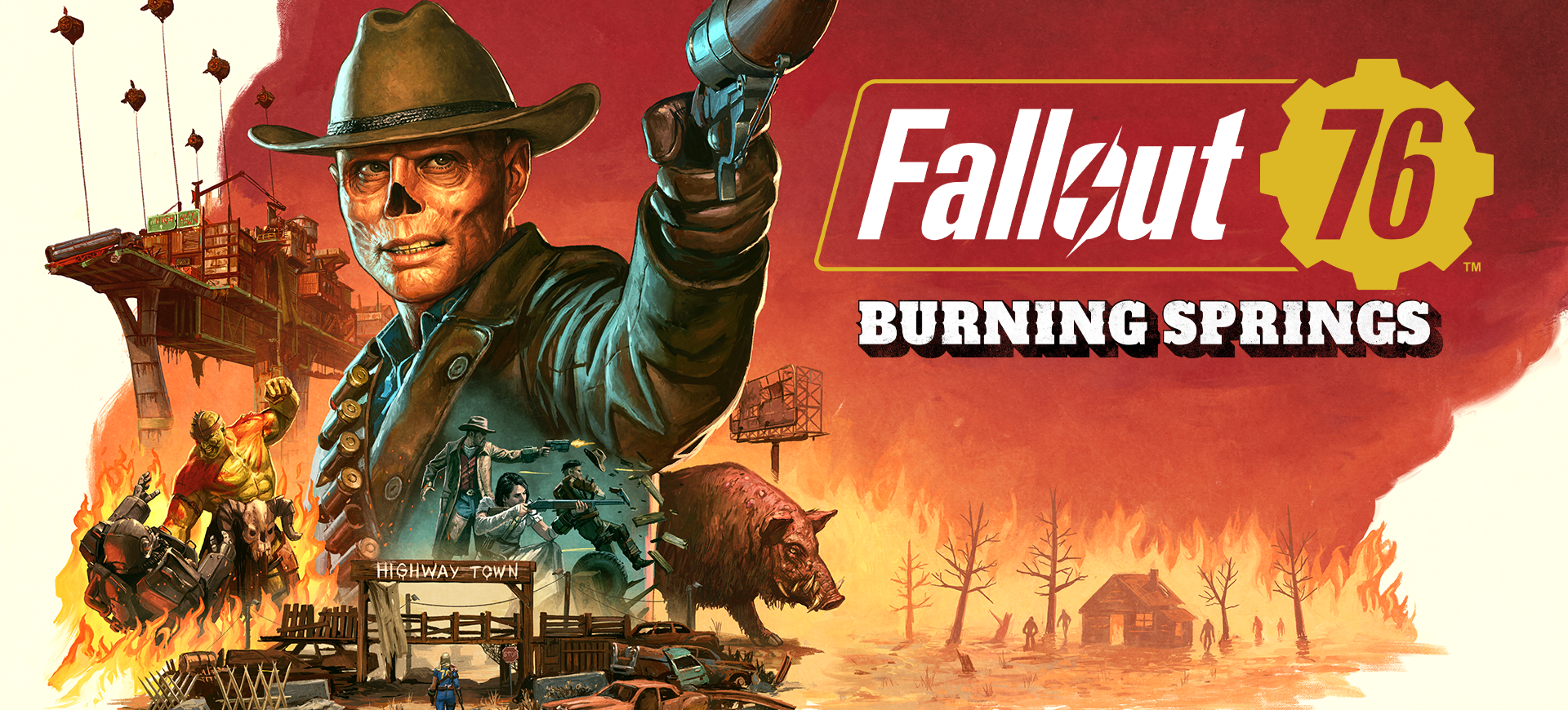
The Fallout 76 expansion, featuring a fictional post-nuclear version of Athens, Ohio, exemplifies another fascinating trend: games as immersive geographical reimaginations. By transforming real-world locations into interactive narratives, developers are creating deeply engaging alternative realities that blur the lines between simulation and storytelling.
Ultimately, the 2025 video game landscape reveals an industry in profound metamorphosis—simultaneously contracting and expanding, facing existential challenges while pioneering unprecedented forms of interactive entertainment.
Questions 3
What trends are emerging in game development for 2025?
Key trends include multiplayer online experiences with extensive character rosters (like 'Marvel Rivals'), innovative gameplay mechanics (CrossWorlds), geographical reimagination in game narratives, and a strong emphasis on storytelling that extends across multiple media formats.
Which game franchises showed the most resilience in 2025?
Minecraft and Super Mario Bros. demonstrated exceptional resilience, celebrating milestone anniversaries despite industry-wide disruptions. These franchises have successfully maintained their cultural relevance through strategic brand management and continuous innovation.