




EU 'Made in Europe' Protectionism | Critical Tariff & Market Access Shifts for Cross-Border Sellers
- France's local-content requirements could increase sourcing costs 15-25% for UK-based sellers; Germany, Italy, Netherlands coalition may limit scope to specific categories






Overview
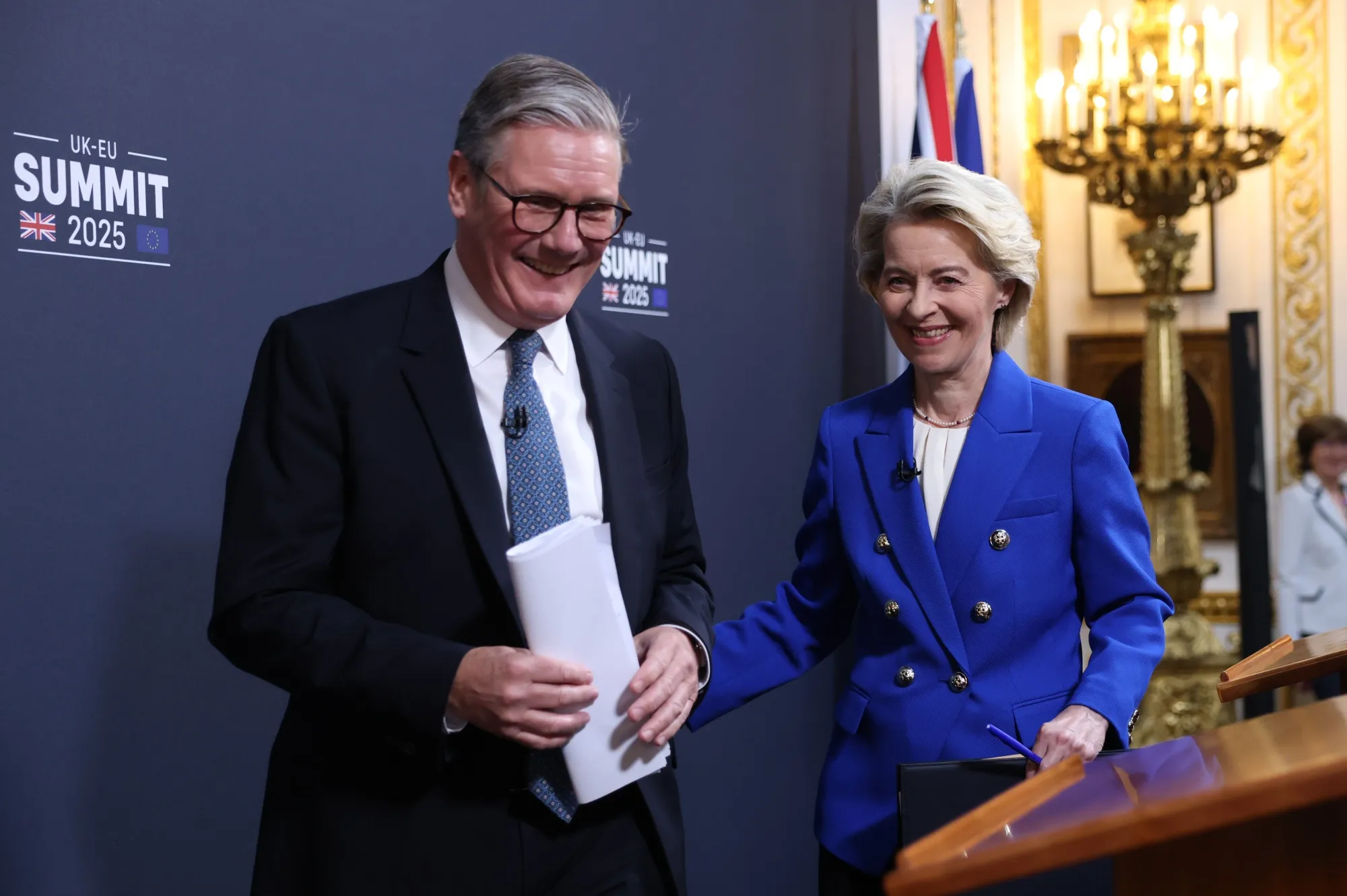
The UK's diplomatic offensive against France's 'Made in Europe' initiative represents a critical inflection point in 2026 EU trade policy that directly impacts cross-border e-commerce seller profitability and market access strategies. France has proposed stringent local-content requirements that would exclude post-Brexit British suppliers from EU public procurement bids—a policy framework that could cascade into broader B2B and B2C e-commerce restrictions affecting product sourcing, manufacturing partnerships, and supply chain economics.
The core tariff arbitrage opportunity: If France's protectionist approach gains traction across all EU member states, sellers currently leveraging UK-based suppliers for EU distribution face immediate margin compression. Conversely, if the UK-led coalition (Germany, Italy, Netherlands) successfully limits the policy's scope, sellers can maintain existing supply chains while competitors who prematurely shift sourcing incur unnecessary transition costs. The policy's implementation timeline remains undefined, creating a 6-12 month window where sellers can optimize positioning before rules crystallize.
Market access implications by seller segment: Large multinational sellers (Amazon, Alibaba-backed operations) can absorb compliance costs through scale; mid-market sellers (£2-10M annual revenue) face 15-25% sourcing cost increases if forced to shift from UK to EU-based suppliers; small sellers (<£500K revenue) may exit EU markets entirely due to compliance complexity. The Netherlands' position as a logistics hub becomes strategically valuable—Dutch-based distribution centers could serve as legal workarounds if local-content rules focus on manufacturing origin rather than distribution location.
Competitive dynamics shift dramatically: German and Italian manufacturers gain competitive advantage if local-content requirements favor EU-origin products, potentially displacing UK and Asian suppliers in categories like machinery, chemicals, and industrial equipment (HS codes 8401-8547, 2901-2942). Conversely, if the coalition succeeds in maintaining open frameworks, UK sellers retain first-mover advantage in established EU supply chains while competitors waste resources on contingency planning.
The 2026 trade policy template: This EU-UK dispute establishes precedent for how regional blocs negotiate procurement participation. If France's model succeeds, expect similar local-content requirements from India (Make in India), Vietnam (domestic preference), and ASEAN nations—fragmenting global supply chains and creating tariff arbitrage opportunities for sellers who can navigate multiple local-content regimes simultaneously. The resolution will determine whether cross-border e-commerce remains integrated or splinters into regional protectionist blocs.
Questions 8
How will France's 'Made in Europe' local-content requirements affect UK-based cross-border sellers?
France's proposed stringent local-content requirements would exclude post-Brexit British suppliers from EU public procurement bids, directly restricting market access for UK sellers. If implemented across all EU member states, sellers currently sourcing from UK-based suppliers could face 15-25% sourcing cost increases by being forced to shift to EU-based manufacturers. However, the UK government's coalition-building with Germany, Italy, and the Netherlands suggests the policy's scope may be limited to specific categories or procurement types, creating a 6-12 month window where sellers can optimize supply chains before final rules crystallize. Immediate action: audit current UK supplier dependencies and model cost impacts of alternative EU sourcing by Q1 2025.
What is the timeline for EU 'Made in Europe' policy implementation?
The news indicates ongoing diplomatic negotiations with no confirmed implementation date, suggesting a 6-12 month window before final rules are established. The policy represents the EU's strategic response to Trump's tariffs and broader geopolitical uncertainties, indicating it will be finalized as part of broader 2026 trade policy frameworks. This timeline creates a critical opportunity window for sellers to optimize supply chains before compliance becomes mandatory. Sellers should establish contingency plans by mid-2025 and begin supplier diversification by Q3 2025 to avoid rushed transitions. Monitor EU Commission press releases and member state trade ministry announcements for implementation date signals.