



Sports Expectations and Strategic Humility in High-Stakes Competitions
- Navigating Performance Pressures in Elite Athletic Showcases






















































































































Overview
Athletic competition increasingly demands a nuanced approach to expectations and performance, as demonstrated by recent developments in soccer and college football. The emerging narrative reveals a critical strategic insight: success hinges not on overconfidence, but on measured preparation and respect for opponents.
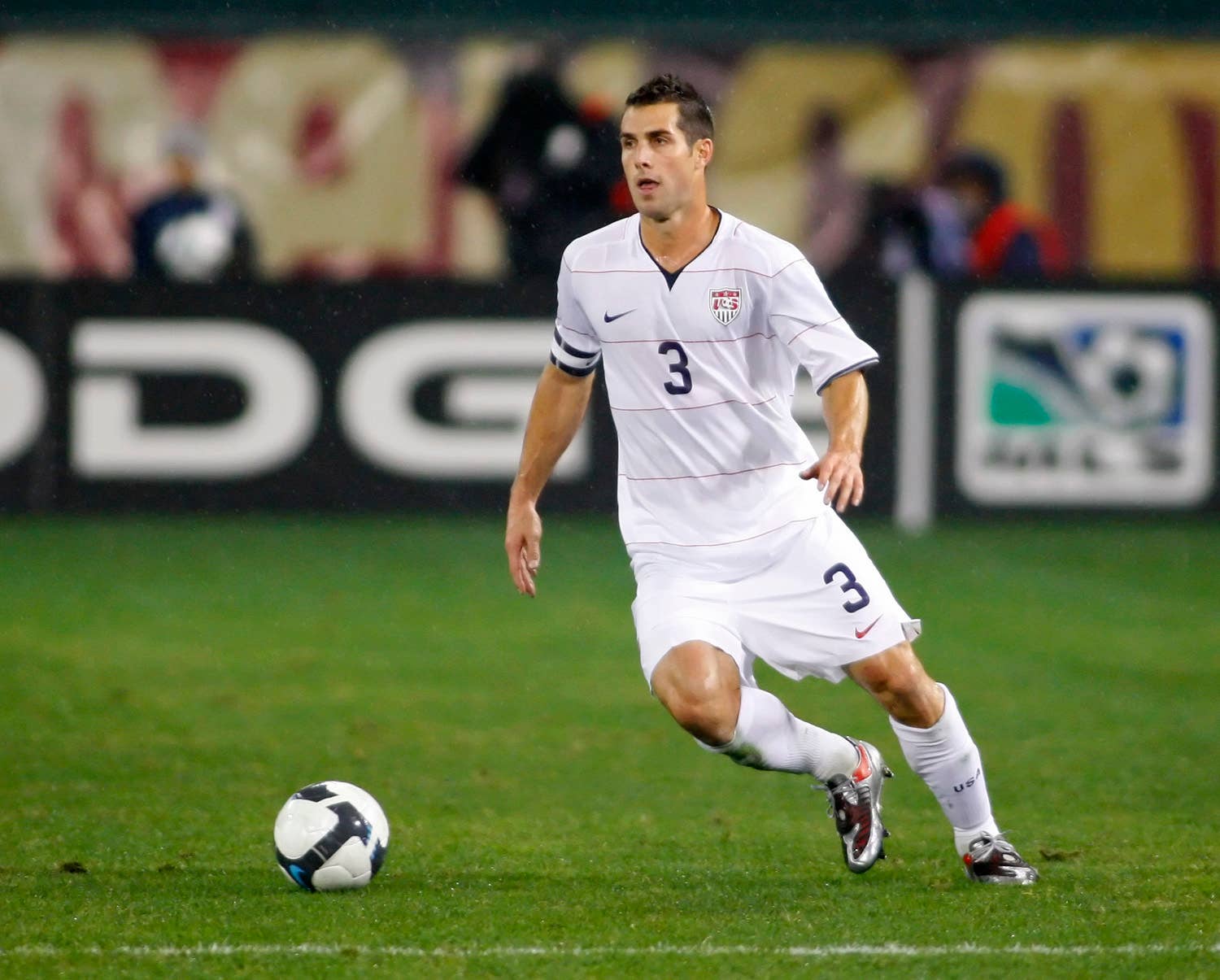
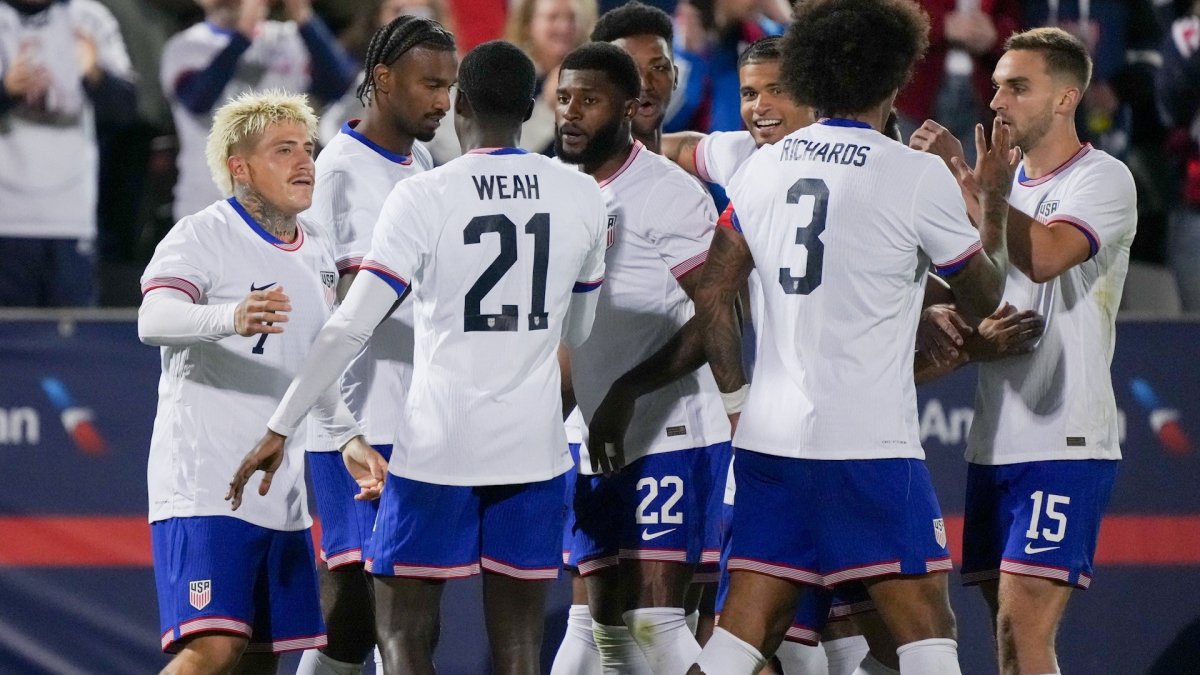
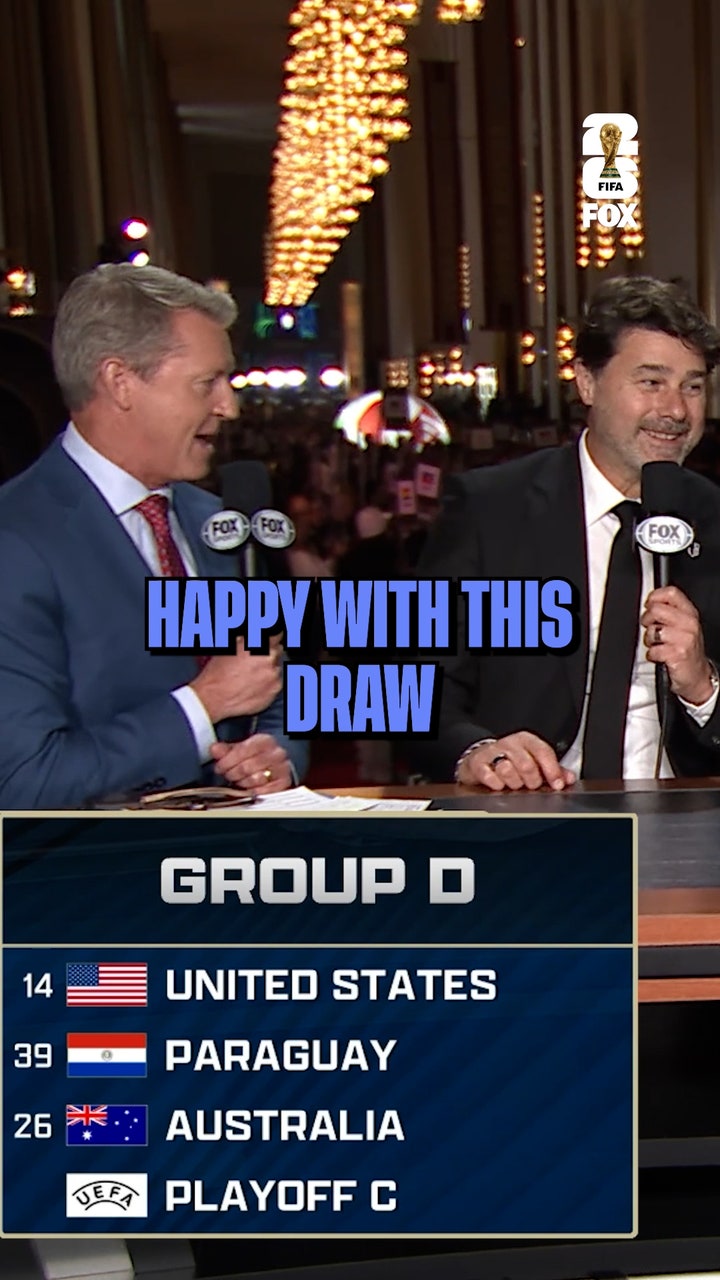
Mauricio Pochettino's response to Alexi Lalas highlights a fundamental leadership principle in high-stakes competitions. By pushing back against presumptive advancement expectations for the US World Cup team, Pochettino demonstrates a sophisticated approach to team psychology. His emphasis on respecting opponents signals a deeper understanding of competitive dynamics—where assumptions can be a team's greatest vulnerability.
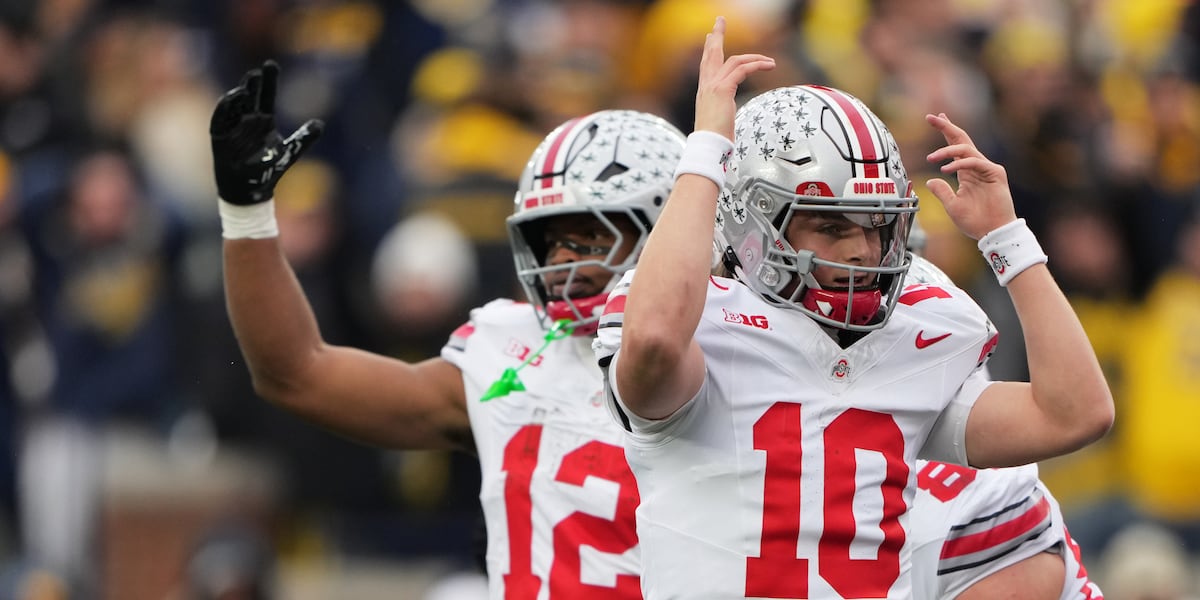
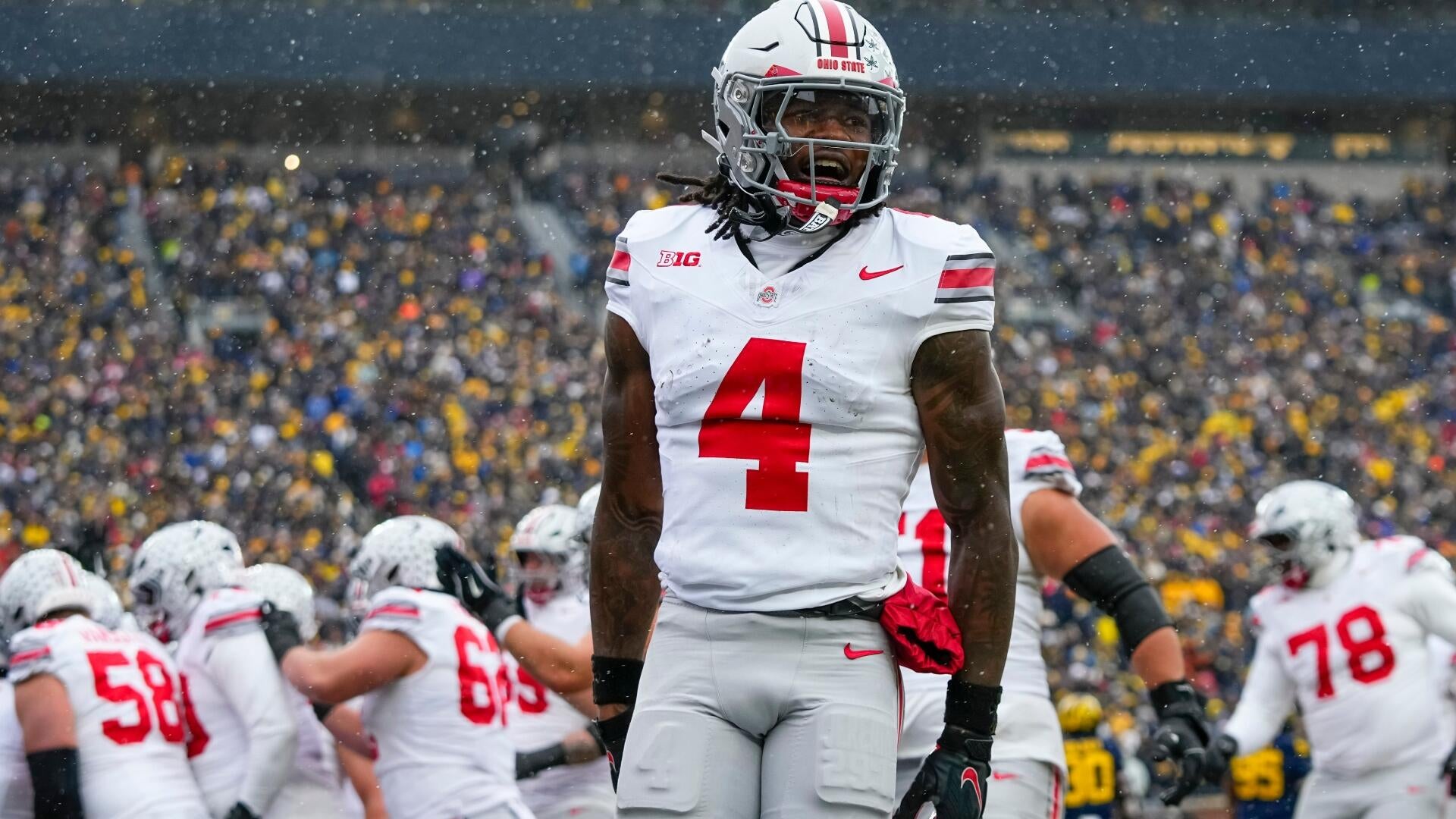
The parallel narrative emerges in the Big Ten title game showcase featuring Fernando Mendoza and Julian Sayin, which underscores the razor-thin margins between athletic triumph and disappointment. This matchup symbolizes more than individual performance; it represents the broader ecosystem of competitive sports where potential and preparation intersect. The Heisman Trophy implications further amplify the high-stakes environment where athletes must balance personal ambition with team strategy.
These sporting narratives reveal a broader trend of strategic humility. In an era of intense media scrutiny and performance pressure, the most successful athletes and coaches are those who can maintain psychological equilibrium. They recognize that true competitive advantage comes not from external proclamations, but from internal discipline, continuous preparation, and a genuine respect for the competitive landscape.
The underlying message is clear: expectations are noise, preparation is signal. Whether in international soccer or collegiate football, the most resilient performers are those who can navigate complex competitive environments with a balanced, strategic mindset. This approach transcends individual sports, offering a universal blueprint for excellence in high-pressure scenarios.
Questions 3
How does Pochettino's approach challenge traditional sports expectations?
Pochettino demonstrates that true leadership involves tempering external expectations and maintaining a grounded perspective. By emphasizing respect for opponents over presumptive advancement, he shows that psychological preparation is as crucial as physical training in high-stakes competitions.
What makes the Mendoza vs. Sayin matchup significant beyond individual performance?
The Big Ten title game represents a microcosm of competitive sports dynamics, where individual potential intersects with team strategy and broader recognition like the Heisman Trophy. It illustrates how personal achievement is deeply interconnected with systemic performance expectations.