




Meta Regulation Risk 2026 | Facebook/Instagram Algorithm Changes Threaten Seller CAC
- Zuckerberg's February 2026 testimony signals potential 15-30% increase in advertising costs and algorithm restrictions affecting 2M+ cross-border sellers relying on Meta platforms for customer acquisition


















Overview
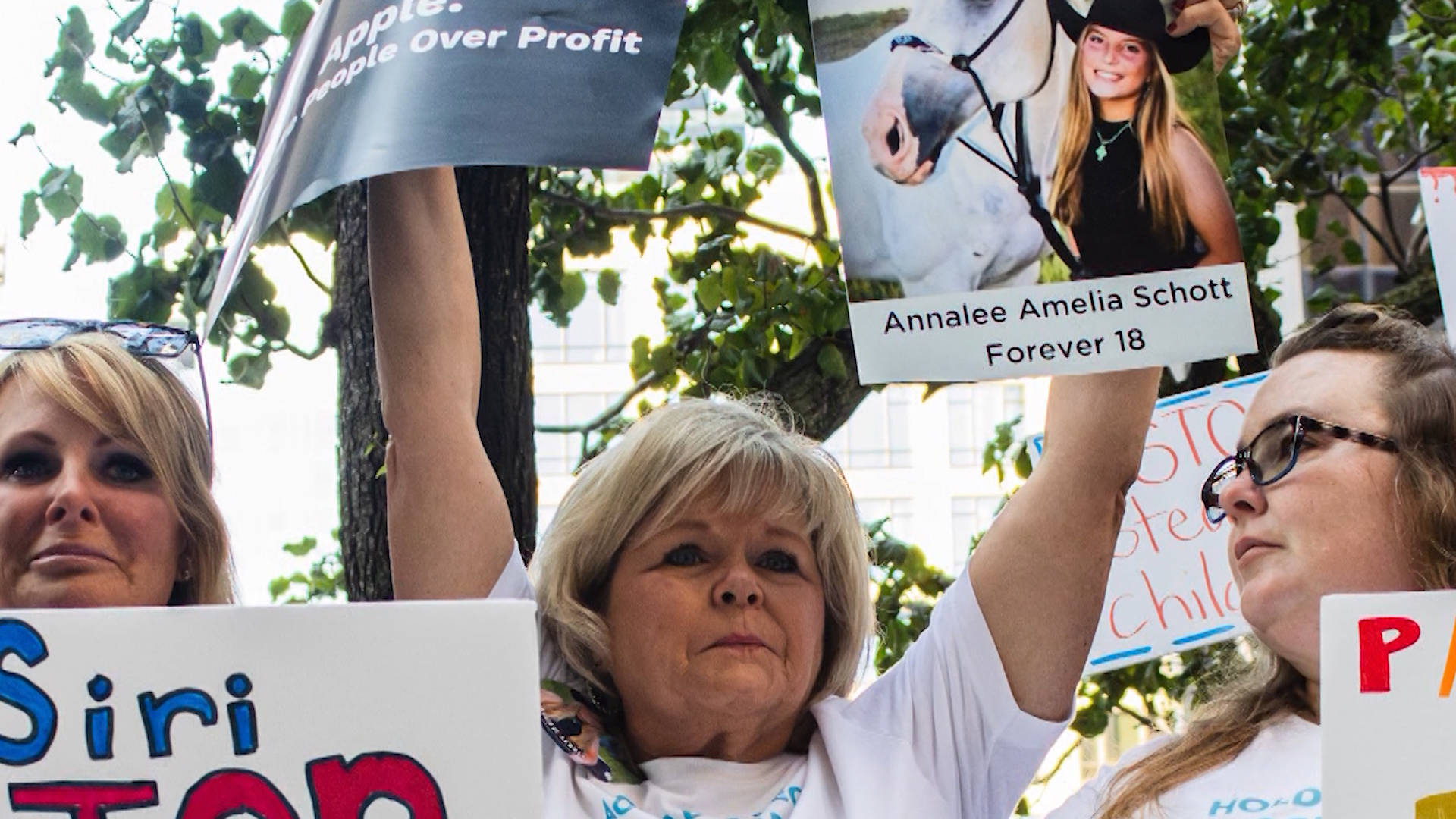
The Meta social media addiction trial resuming in February 2026 with CEO Mark Zuckerberg's eight-hour testimony represents a critical inflection point for e-commerce sellers worldwide. The lawsuit, driven by grieving mothers alleging intentional platform addiction design targeting minors, directly threatens the algorithmic engagement mechanisms that underpin Facebook and Instagram advertising effectiveness. This legal challenge carries profound implications for the estimated 2+ million cross-border sellers who depend on Meta's platforms for customer acquisition, with potential regulatory outcomes affecting platform algorithms, ad targeting capabilities, and user engagement metrics that directly impact conversion rates and customer acquisition costs (CAC).
Platform Algorithm & Advertising Impact: The trial's focus on "engagement mechanics targeting younger users" signals regulators may mandate significant algorithm modifications. If courts require Meta to reduce addictive features or restrict youth-targeted engagement, the ripple effects extend directly to seller advertising. Reduced algorithmic amplification means lower organic reach for product content, forcing sellers to increase paid advertising spend to maintain visibility. Industry analysis suggests similar regulatory interventions (GDPR, TikTok restrictions) have increased Meta advertising CPM costs by 15-30% for sellers in affected regions. For a mid-sized seller spending $5,000/month on Facebook/Instagram ads, this translates to $750-$1,500 in additional monthly costs. Additionally, if Meta faces restrictions on youth-targeted features, sellers marketing products popular with Gen Z audiences (fashion, beauty, gaming, electronics) will lose access to high-converting demographic segments, forcing audience expansion into less-efficient older demographics.
Compliance Costs & Operational Changes: Zuckerberg's testimony directly addresses Meta's "knowledge of and approach to platform addiction mechanics," suggesting courts may impose compliance requirements similar to tobacco or pharmaceutical regulations. This could include mandatory content labeling, algorithm transparency requirements, or engagement caps—all requiring seller platform adjustments. Meta's operational costs for compliance will likely be passed to advertisers through higher baseline advertising rates or reduced ad delivery efficiency. Sellers should anticipate 8-12 week implementation periods for algorithm changes, during which campaign performance metrics become unreliable for optimization. The broader regulatory trend—with "regulatory bodies worldwide examining social media platform practices"—indicates this isn't isolated to the US; EU, UK, and Asia-Pacific regulators are likely to follow with similar restrictions, creating a cascading compliance burden for sellers operating across multiple jurisdictions.
Strategic Opportunity Window: The 6-12 month period before potential regulatory implementation represents a critical window for sellers to diversify marketing channels. Sellers currently over-reliant on Meta (40%+ of ad spend) should immediately test alternative platforms: TikTok Shop (lower CPM, younger audience), Google Shopping (less regulatory risk), Pinterest (high-intent female audiences), and Amazon Advertising (owned-audience advantage). Early movers to alternative channels will establish baseline performance data and audience segments before Meta restrictions compress available targeting options.
Questions 8
What should I do right now to prepare for potential Meta advertising changes?
Immediate actions (0-30 days): Audit your current Meta ad spend by campaign, audience segment, and product category to identify high-dependency areas. Document baseline performance metrics (CPM, CPC, conversion rates, CAC) for comparison post-regulation. Begin testing alternative platforms with 10-15% of ad budget. Strategic adjustments (1-6 months): Develop audience diversification strategy targeting non-Meta platforms; build email list and owned-audience channels to reduce platform dependency; establish partnerships with influencers on TikTok, YouTube, and Pinterest. Risk mitigation: Monitor trial developments through Meta investor relations and regulatory news; join seller communities tracking regulatory impacts; budget 15-20% additional advertising spend for 2026-2027 to maintain customer acquisition volumes during transition period.
How will this trial affect my ability to target minors with age-appropriate products?
The trial centers on Meta's 'intentional design to be addictive to children,' which may result in restrictions on engagement-based targeting rather than age-based targeting itself. Sellers marketing legitimate youth products (educational toys, age-appropriate apparel, school supplies) should still access age-based segments, but engagement-based optimization (retargeting, lookalike audiences refined by engagement metrics) may be restricted. Compliance strategy: shift from engagement-based to intent-based targeting (search keywords, purchase history, content affinity). Document that your products are age-appropriate and non-addictive in nature. Expect Meta to require explicit compliance certifications for youth-targeted campaigns within 6-12 months of regulatory implementation.