



Newark Airport Disruption Feb 2026 | Logistics Impact for E-Commerce Sellers
- One-hour ground stop affects time-sensitive shipments; reveals supply chain vulnerability at major US fulfillment hub









)




















Overview
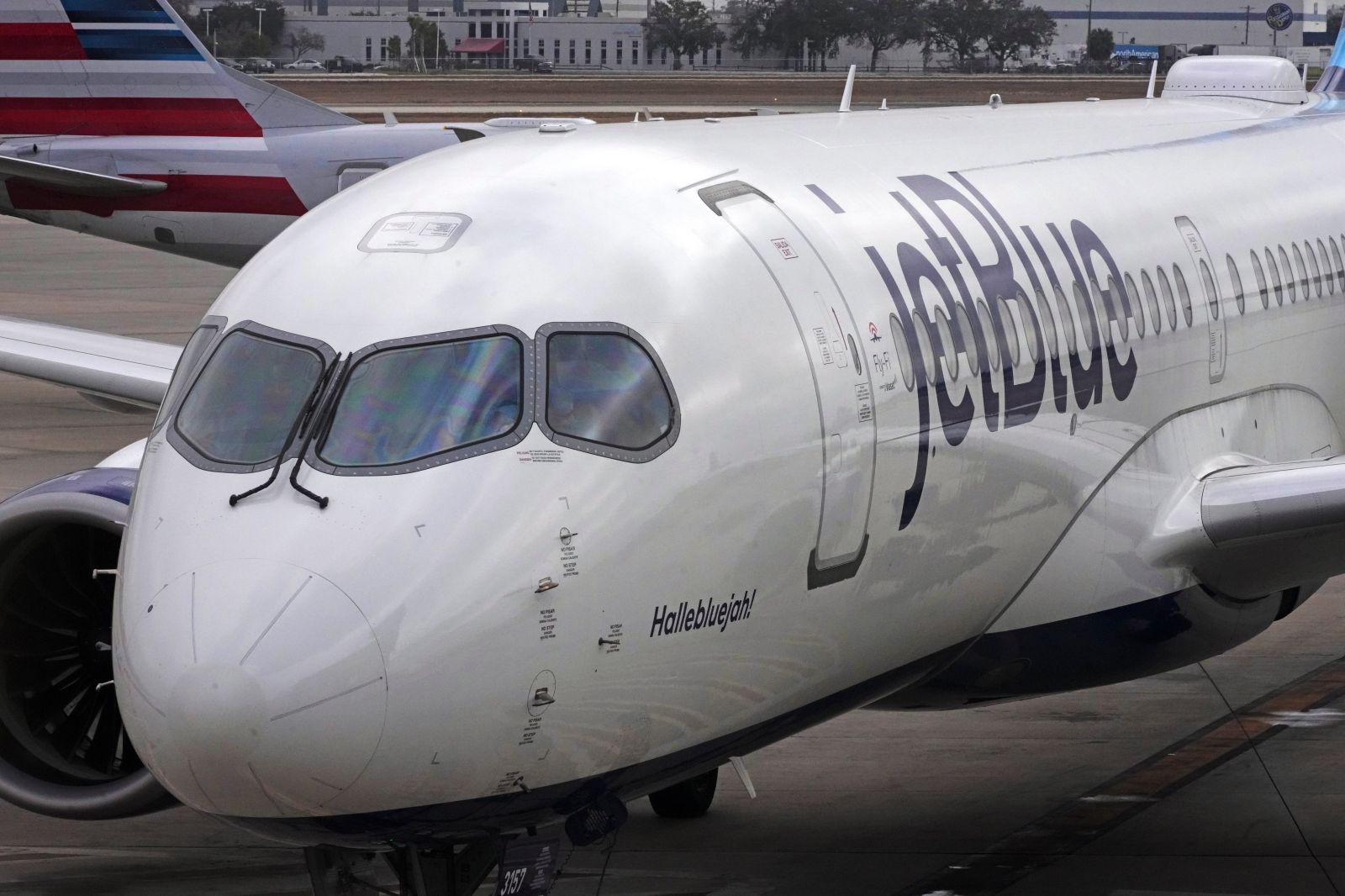
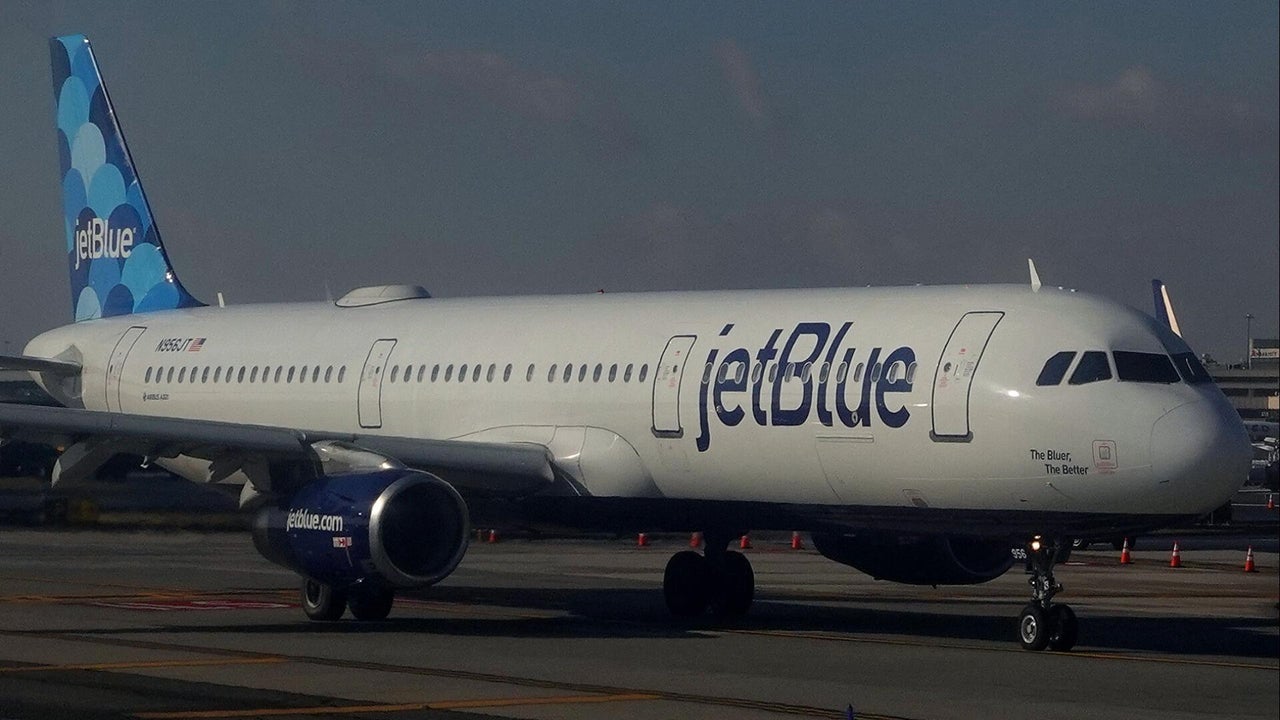
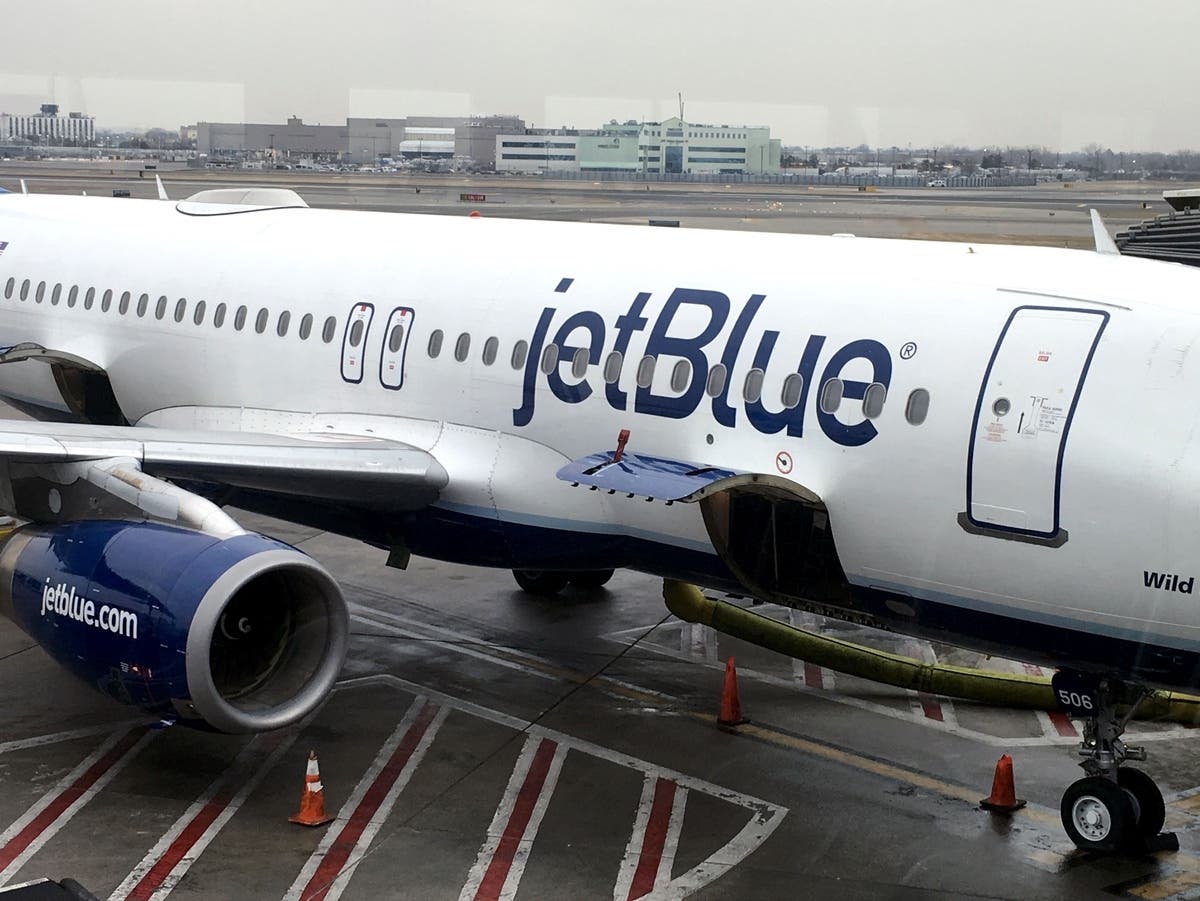
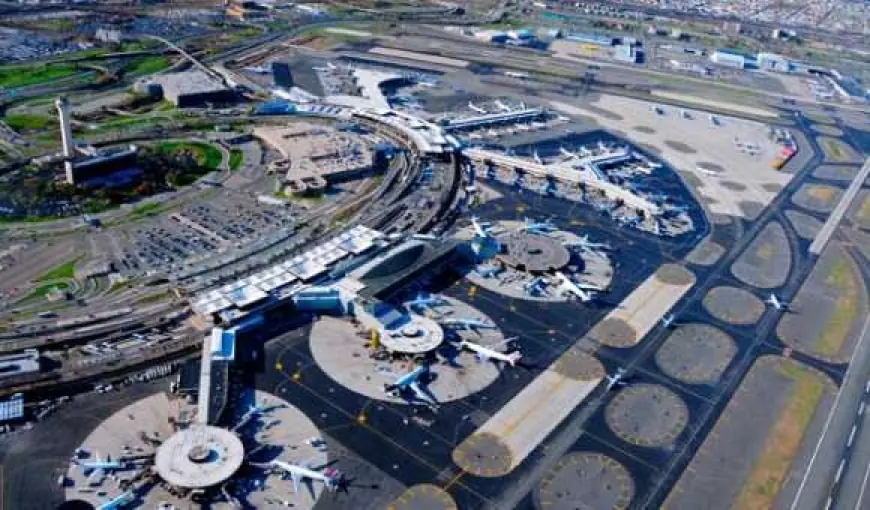
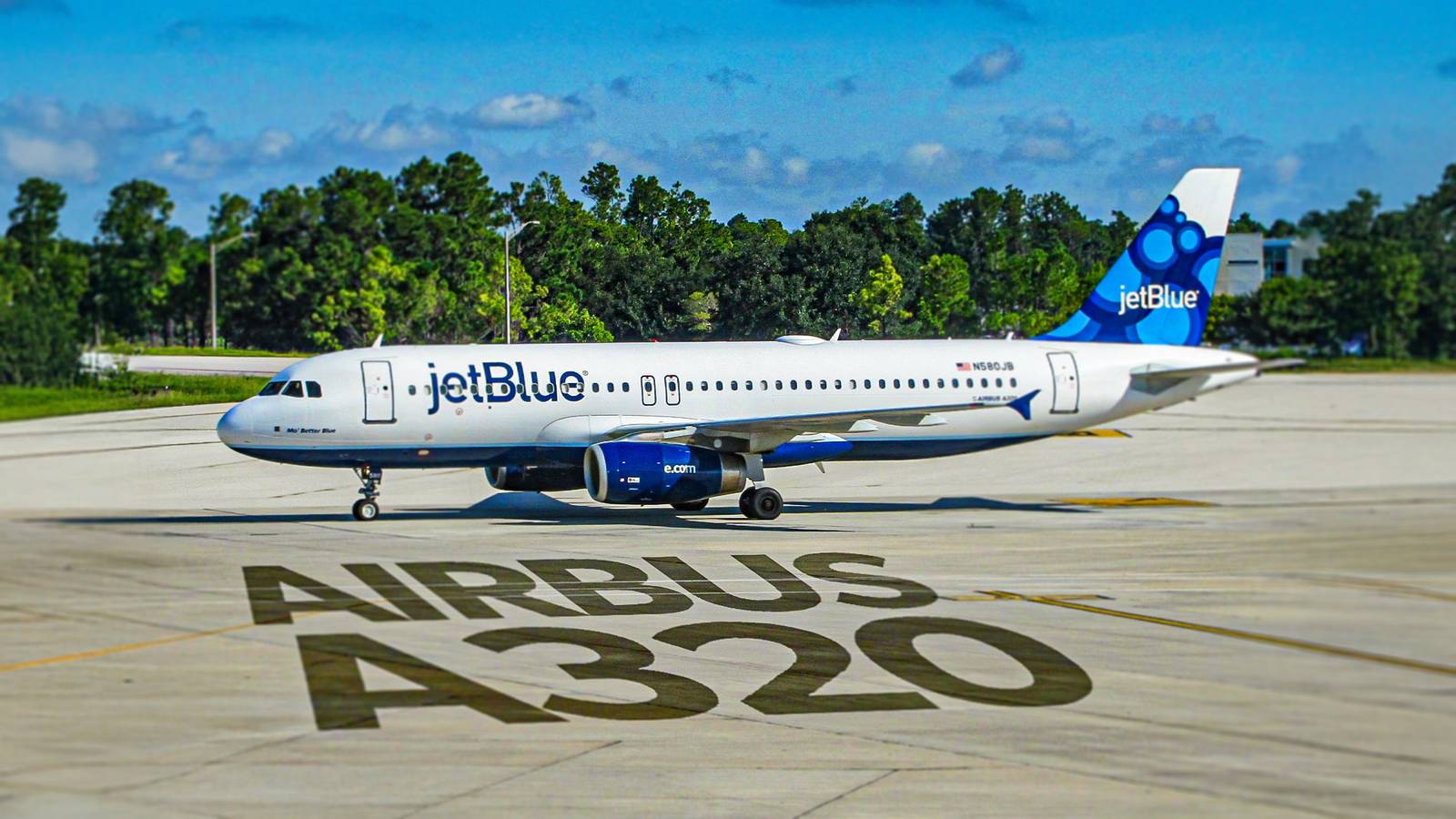
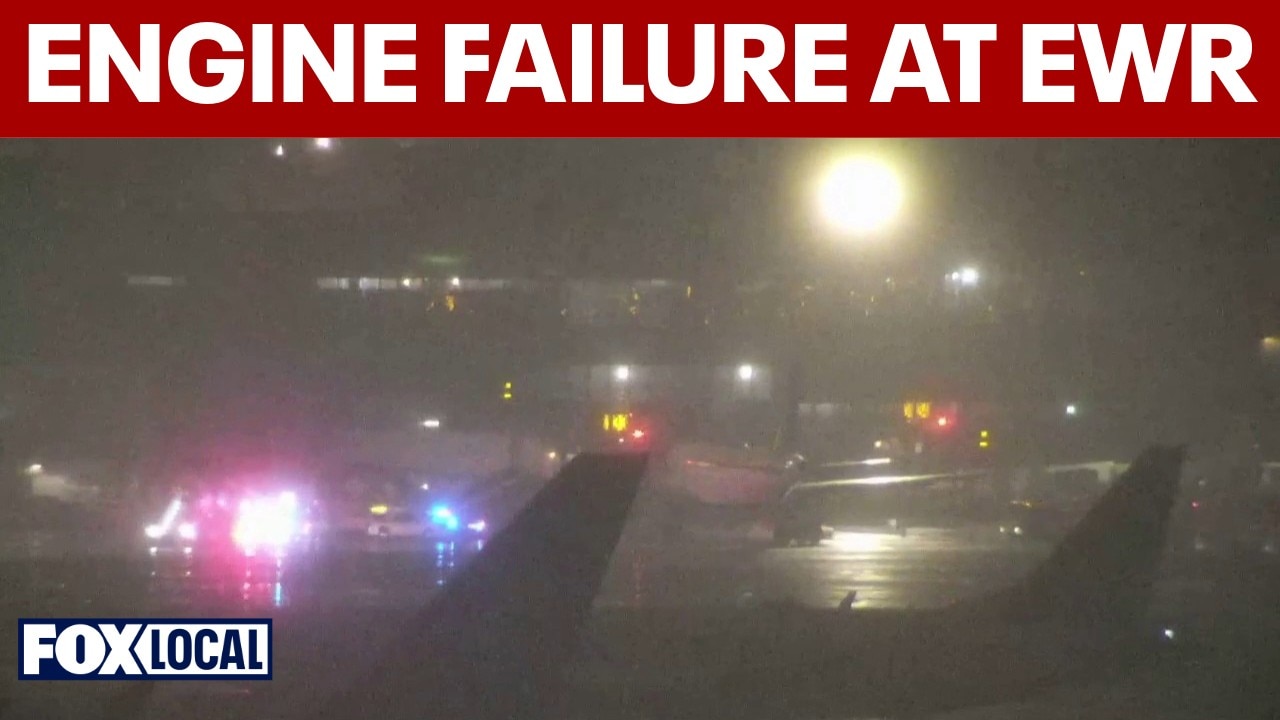
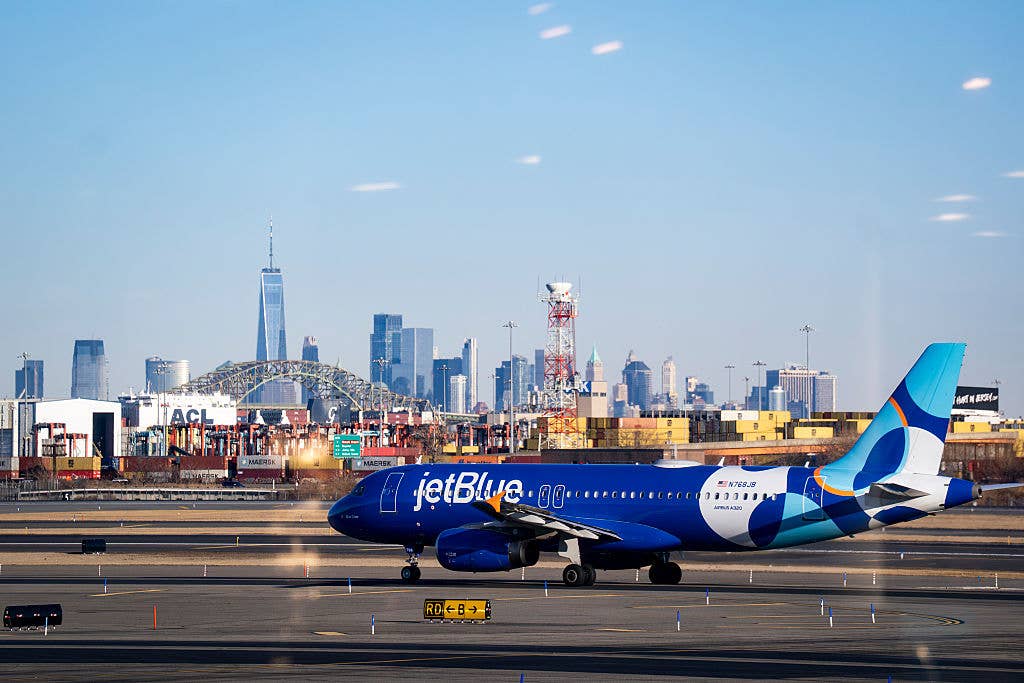
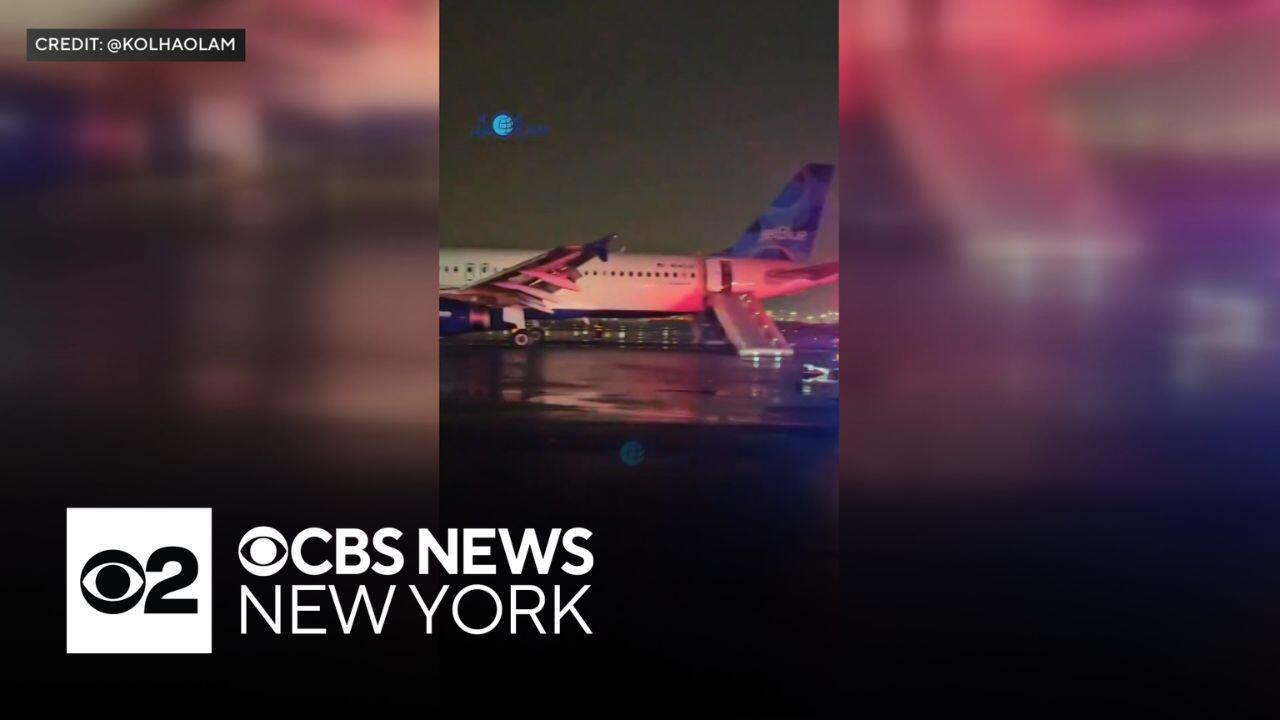
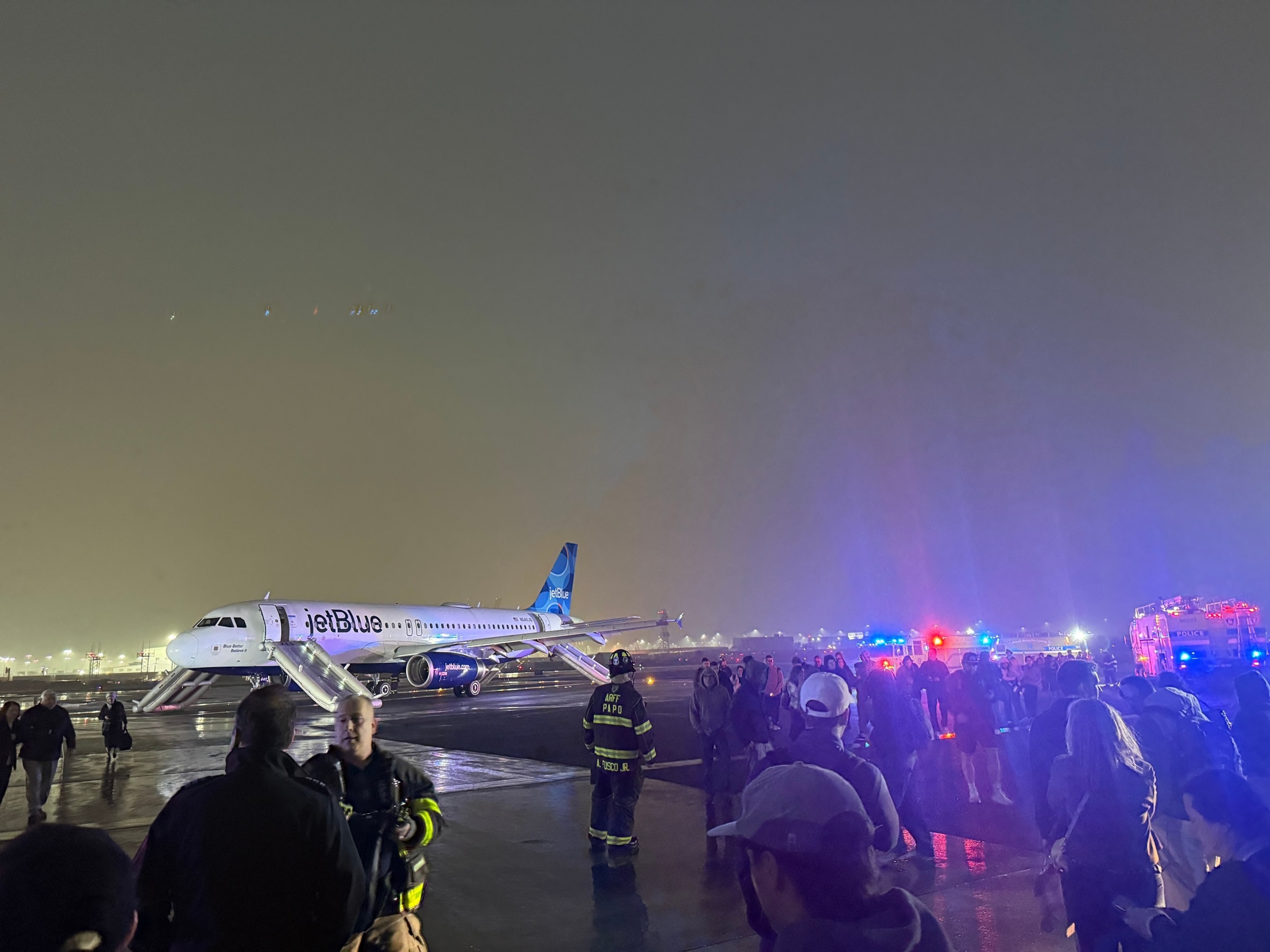
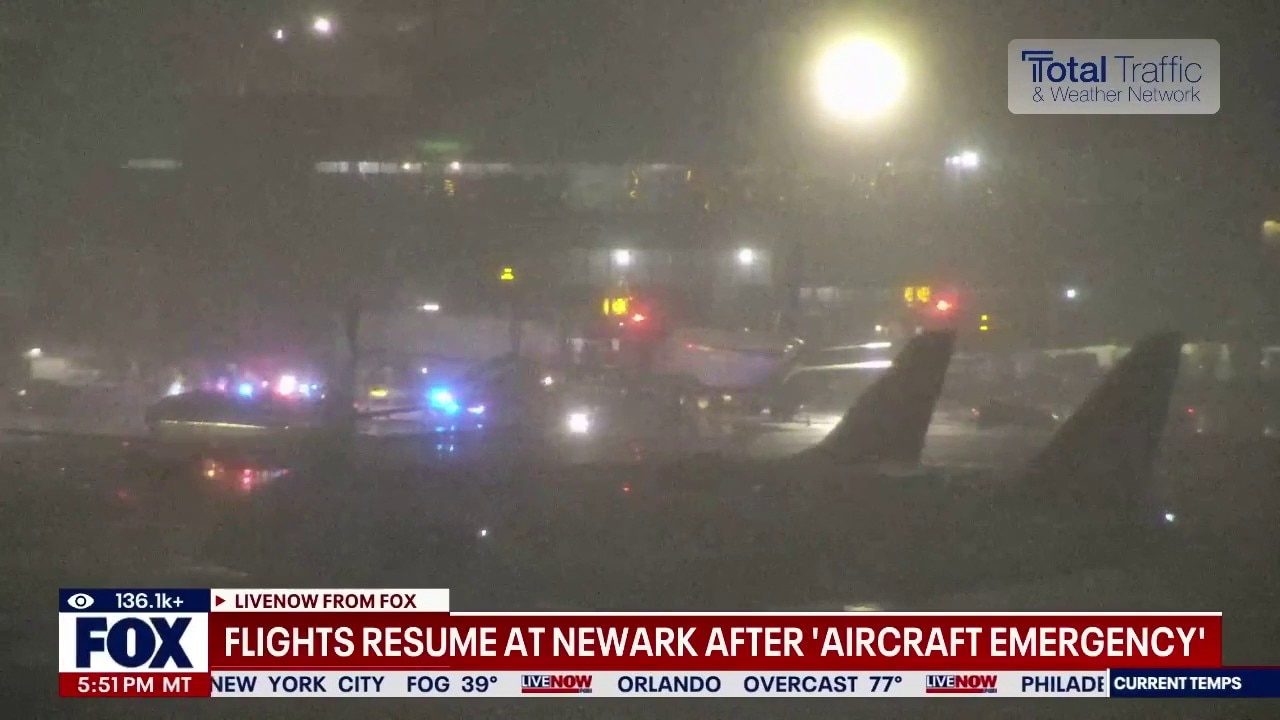
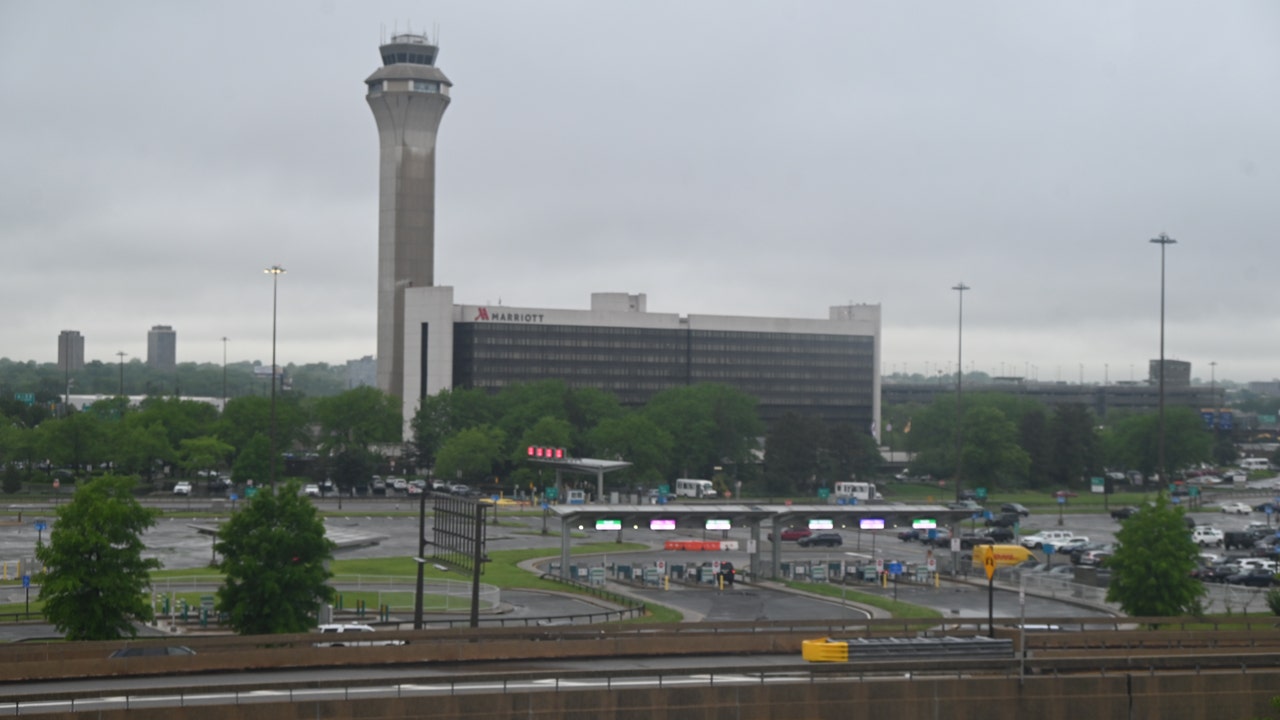
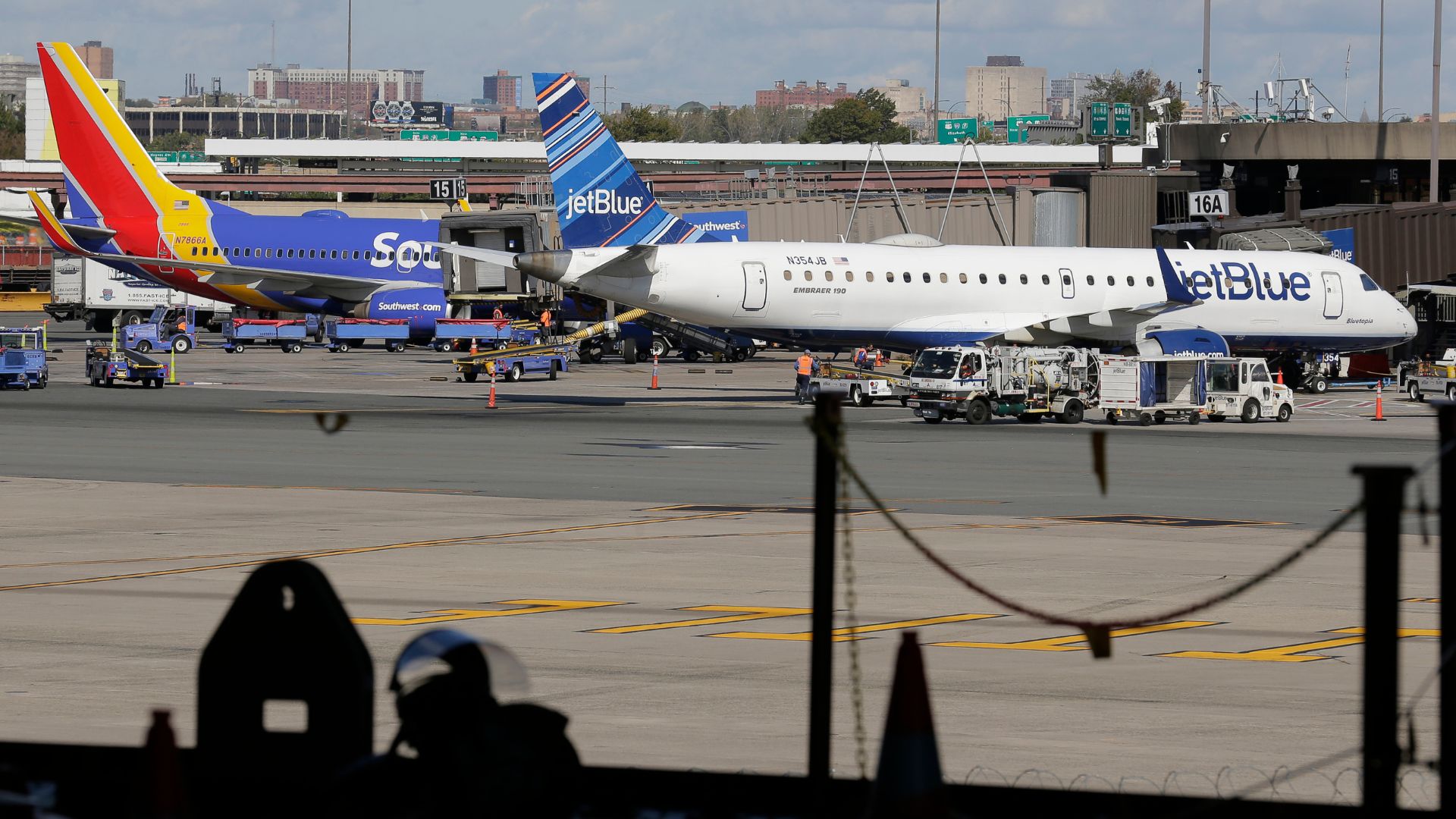
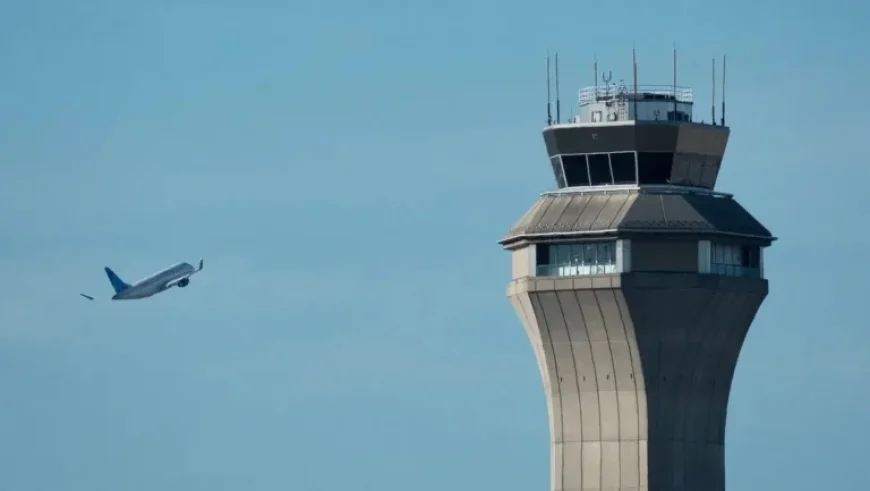
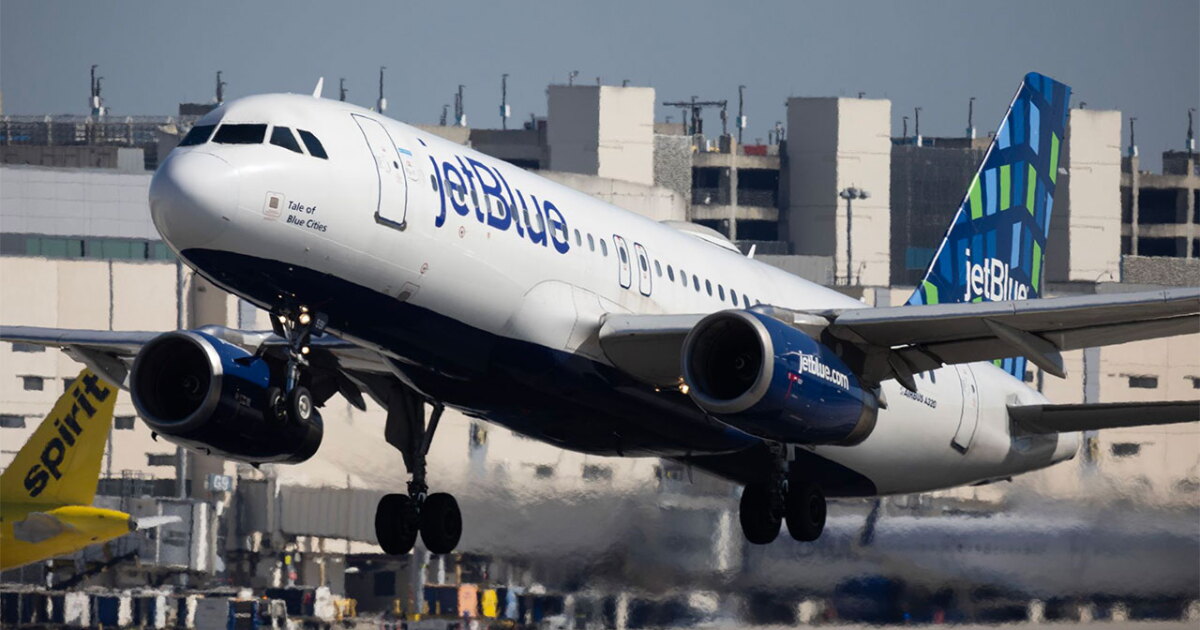
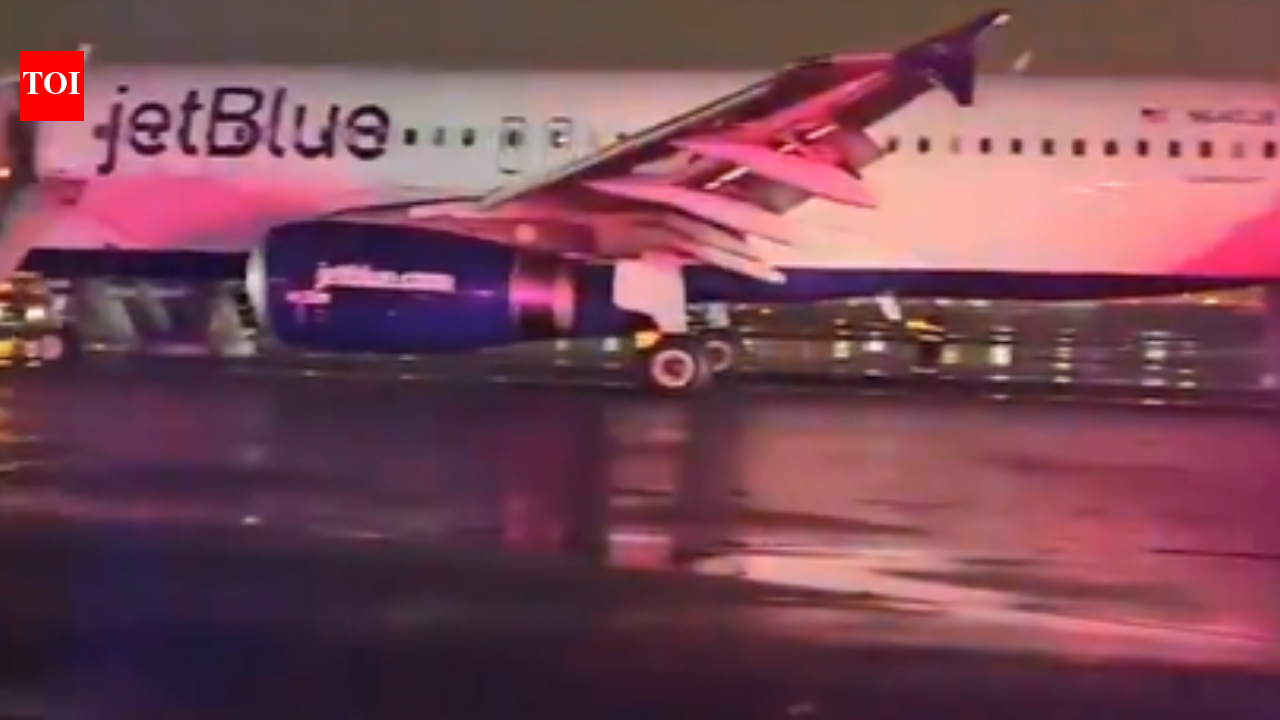
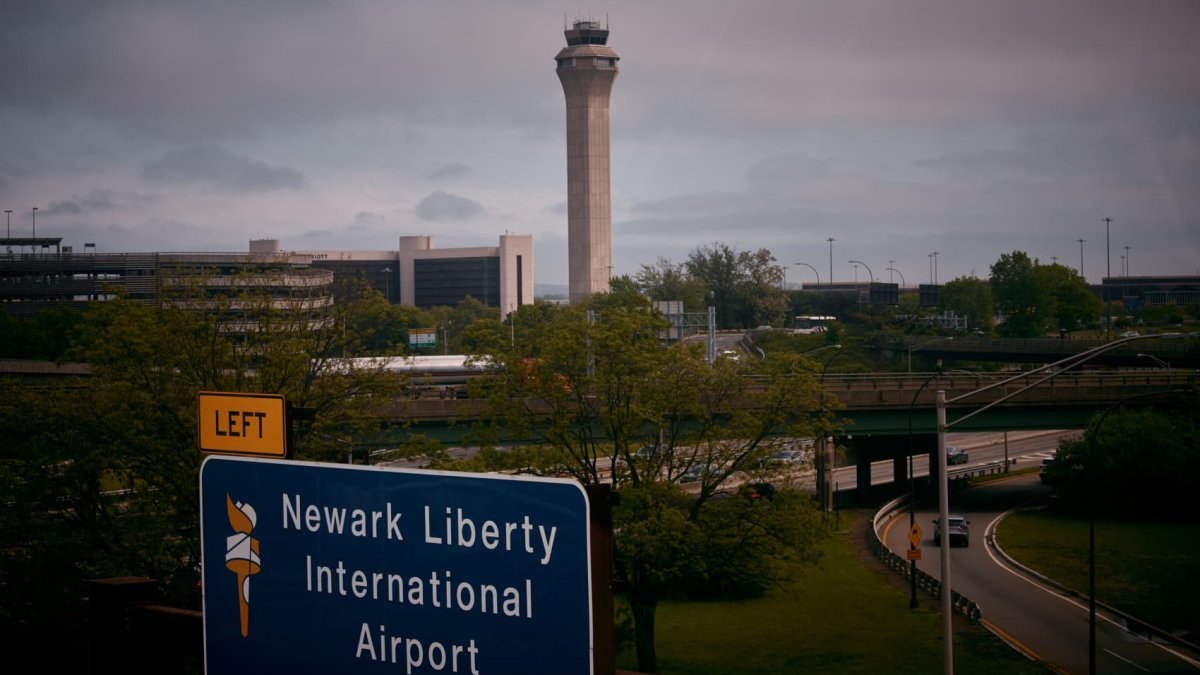
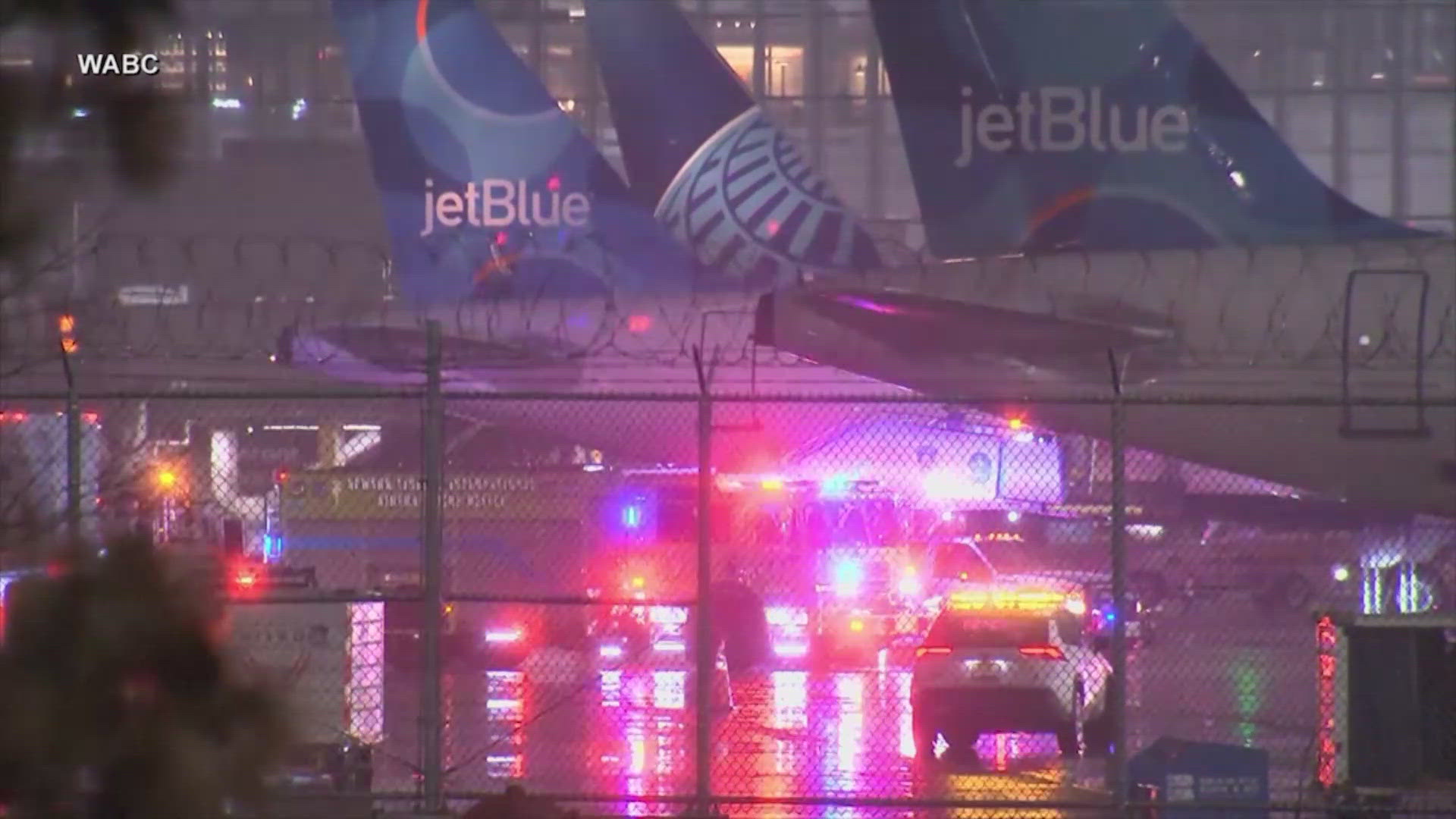
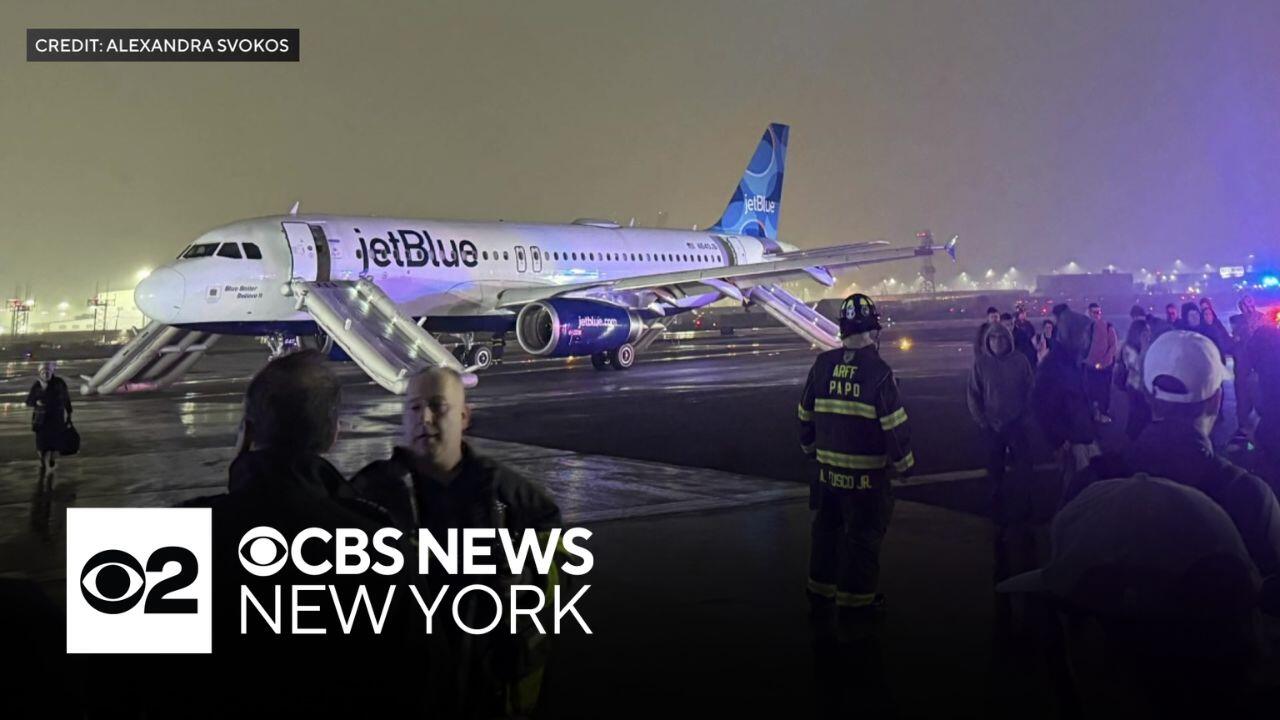
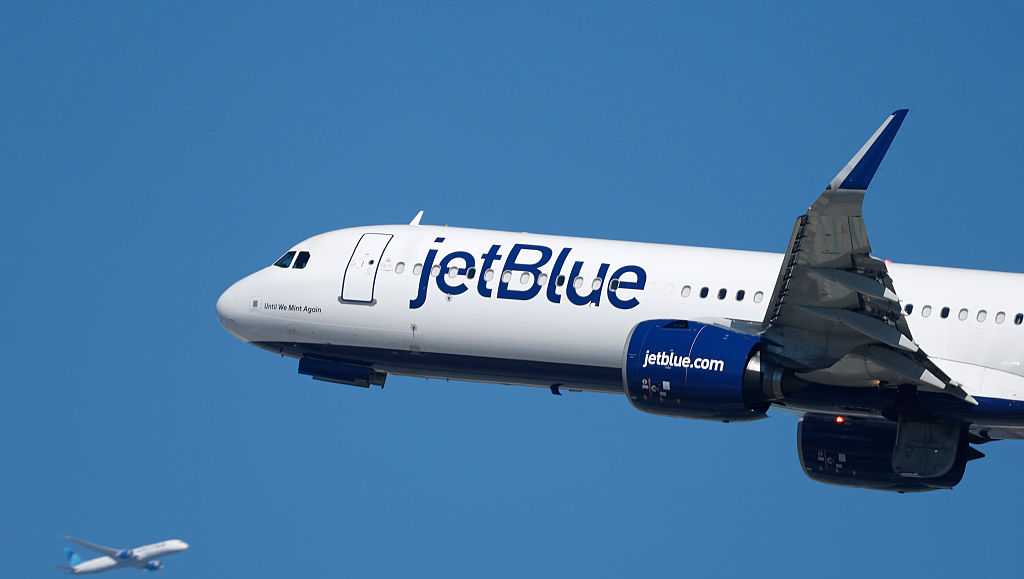
On February 19, 2026, JetBlue Flight 543 experienced engine failure shortly after departing Newark Liberty International Airport at 5:45 p.m., forcing an emergency return and passenger evacuation via emergency slides. The incident triggered a one-hour ground stop (approximately 5:45 p.m. to 7:00 p.m.) that temporarily suspended all flight operations at one of the Northeast's busiest cargo and passenger hubs. While the FAA and Port Authority confirmed zero injuries and normal operations resumed by 7 p.m., this event exposes critical vulnerabilities in e-commerce logistics networks that depend on Newark's infrastructure.
For cross-border e-commerce sellers, Newark Airport represents a critical node in the US fulfillment ecosystem. The airport handles approximately 1.2 million tons of cargo annually, with significant volumes from international sellers shipping inventory to US 3PL providers, Amazon fulfillment centers, and direct-to-consumer operations. A one-hour disruption may seem minor, but it cascades through time-sensitive logistics: perishable goods (fresh food, temperature-controlled products), expedited shipments (next-day delivery commitments), and just-in-time inventory systems all face compression. Sellers relying on Newark-area 3PL providers or those shipping from Asia-Pacific regions via Newark's international cargo terminals experienced delayed inbound inventory during peak evening hours—precisely when overnight consolidation and sorting operations occur.
The operational impact extends beyond the immediate hour. Residual delays throughout the evening affected sellers' ability to meet next-day delivery windows, particularly for Amazon Prime and Walmart+ Fast commitments. Sellers with inventory in Newark-based fulfillment centers faced potential IPI score impacts if orders couldn't ship on schedule. The incident also highlights the concentration risk in US logistics infrastructure: Newark, JFK, and LaGuardia collectively handle 40% of Northeast cargo traffic. A single aircraft incident demonstrates how quickly supply chain resilience can be tested. For sellers operating with thin inventory buffers or just-in-time restocking, such disruptions can trigger stockouts within 24-48 hours.
Strategic implications for sellers include supply chain diversification and contingency planning. The incident underscores the value of maintaining inventory across multiple fulfillment networks rather than concentrating stock at single regional hubs. Sellers should evaluate 3PL provider redundancy, consider alternative airports (Philadelphia International, Hartford-Brainard), and implement real-time shipment tracking to identify delays before they impact customer commitments. The FAA's investigation into the engine failure may also trigger enhanced aircraft maintenance protocols, potentially increasing operational costs for cargo carriers and ultimately affecting shipping rates for sellers.
Questions 8
What role does inventory diversification play in mitigating airport disruption risks?
Inventory diversification across multiple fulfillment networks is the most effective mitigation strategy for airport disruptions. Sellers maintaining stock at 2-3 regional hubs can reroute orders within 2-4 hours of identifying a disruption, minimizing customer impact. The February 2026 Newark incident demonstrates why concentration risk is dangerous: sellers with 100% of inventory at Newark-area facilities faced potential stockouts, while sellers with distributed inventory could fulfill orders from alternative hubs. Industry data shows that sellers with diversified fulfillment networks experience 60-70% fewer delivery delays during regional disruptions. Sellers should target a 40-30-30 split across three regions (Northeast, Midwest, Southeast) to optimize coverage and reduce shipping costs. This approach requires higher inventory carrying costs (5-8% increase) but provides insurance against disruptions worth 10-15x the additional cost.
How does this incident compare to historical airport disruptions affecting e-commerce?
The February 2026 Newark incident is relatively minor compared to historical disruptions. The 2021 Texas winter storm shut down Dallas-Fort Worth Airport for 3+ days, affecting 15,000+ sellers and causing estimated $200M+ in lost sales. The 2020 COVID-19 lockdowns disrupted international cargo operations for 4-6 weeks, forcing sellers to shift to alternative routes. However, the Newark incident reveals that even brief disruptions (one hour) can cascade through just-in-time logistics networks. The key difference is that modern sellers have better visibility and contingency tools than in 2020-2021. Sellers should use this incident as a low-cost learning opportunity to stress-test their supply chain resilience before facing more severe disruptions. Historical data shows that sellers with distributed fulfillment networks recover 40-60% faster from airport disruptions than those relying on single hubs.