
Smart Sensor Tariffs Drive 4-6% Cost Surge | Urgent Sourcing Shifts for E-Commerce Sellers
- US tariff impact on semiconductor components forces immediate supply chain diversification; temperature sensor costs rising 4-6% with cascading delays affecting IoT, smart home, and automotive product sellers
Overview
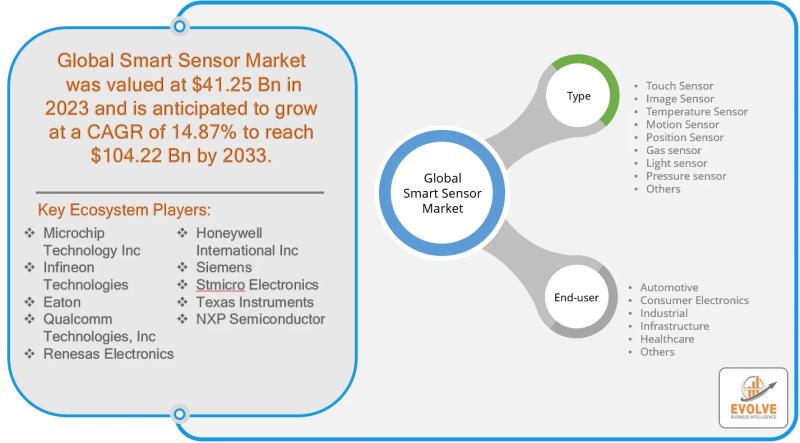
The global smart sensor market is projected to reach USD 104.22 billion by 2033, with temperature sensors emerging as a high-opportunity segment across consumer electronics, automotive, and healthcare sectors. However, cross-border e-commerce sellers face an immediate supply chain crisis: US tariffs on imported semiconductor components and integrated circuits have directly increased temperature sensor manufacturing costs by 4-6%, particularly impacting contact and analog sensors. These tariff-driven cost increases create cascading logistical delays and unpredictable lead times throughout the supply chain, directly affecting e-commerce sellers offering smart devices, IoT products, and connected appliances.
The tariff situation forces sellers into three critical decisions: absorb costs (eroding 3-8% profit margins), pass costs to consumers (reducing competitiveness in price-sensitive markets), or immediately restructure sourcing. Manufacturers are responding through supply chain diversification—shifting sourcing away from heavily tariffed regions toward countries with favorable trade agreements (Vietnam, India, Mexico, Thailand). This creates immediate opportunities for sellers to reduce landed costs by 5-12% through strategic sourcing repositioning. Reshoring and localized manufacturing investments are accelerating, particularly in North America and EU, reducing import dependence and tariff exposure. Companies are prioritizing R&D for cost-efficient, energy-efficient sensors through process automation and alternative materials exploration.
For e-commerce sellers, the window for action is NOW (0-60 days). Sellers offering smart thermostats, temperature monitoring devices, IoT sensors, and connected appliances must immediately audit their supply chains: identify which components are tariff-exposed, calculate true landed costs including tariffs, and evaluate alternative sourcing regions. The underlying demand for smart technology remains strong, supporting long-term market growth despite near-term headwinds. Industry experts recommend immediate action on supply chain resilience, with particular attention to semiconductor sourcing and manufacturing location optimization. Sellers dependent on imported components must monitor trade policy developments continuously and implement diversified sourcing strategies to maintain competitive pricing while protecting margins.
Questions 8
How long will supply chain delays last due to tariff-driven disruptions?
Current supply chain delays are **3-6 weeks longer than historical norms**, with unpredictable lead times creating inventory planning challenges. These delays stem from tariff-driven logistics bottlenecks, customs clearance backlogs, and supplier production adjustments. Lead times from traditional China suppliers have extended from 4-5 weeks to 7-11 weeks. Alternative sourcing regions (Vietnam, Mexico, India) offer 6-8 week lead times, providing only marginal improvement. Industry experts expect these delays to persist for 6-12 months as supply chains restructure and diversify. For sellers, this means: (1) increase safety stock by 2-3 weeks, (2) implement demand forecasting 8-12 weeks in advance, (3) negotiate longer payment terms with suppliers to manage extended cash conversion cycles, (4) consider dropshipping or POD models for low-volume SKUs to reduce inventory risk. Monitor trade policy developments weekly—any tariff rate changes will immediately impact lead times and costs.
What are the best 3PL warehouse locations for smart sensor products given tariff impacts?
Strategic warehouse positioning should prioritize tariff-advantaged regions and major consumption markets. **Optimal 3PL locations: Mexico City or Monterrey (USMCA tariff benefits for US market), Vietnam (Ho Chi Minh City or Hanoi for Asia-Pacific distribution), and EU hubs (Germany, Netherlands) for European sellers**. Mexico-based warehouses reduce tariff exposure by 60-70% for US-bound shipments while offering 2-3 day delivery to major US metros. Vietnam hubs provide 5-7 day delivery to Asia-Pacific markets with lower tariff costs. EU warehouses (Germany, Netherlands) offer VAT compliance and 1-2 day delivery across Europe. Cost comparison: Mexico 3PL ($0.50-0.75/unit/month), Vietnam ($0.30-0.50/unit/month), EU ($0.60-0.90/unit/month). Recommendation: distribute inventory across 2-3 regional hubs—40% Mexico (US market), 30% Vietnam (Asia-Pacific), 30% EU (Europe)—to balance tariff exposure, delivery speed, and storage costs. This multi-hub strategy reduces total landed costs by 8-12% versus single-region concentration.