


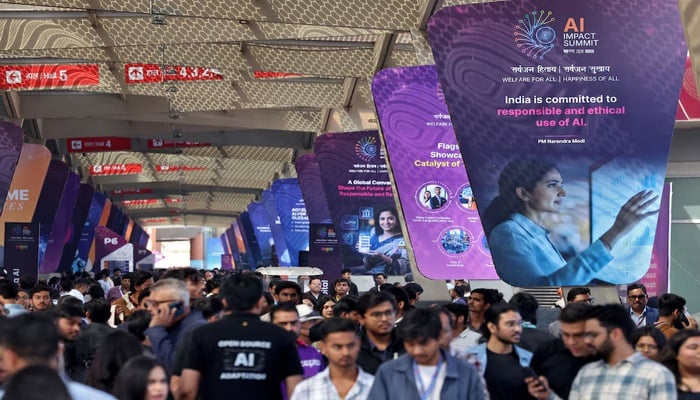

India AI Summit 2026 Chaos | $200B Investment Pledges Overshadowed by Operational Failures & High-Profile Cancellations
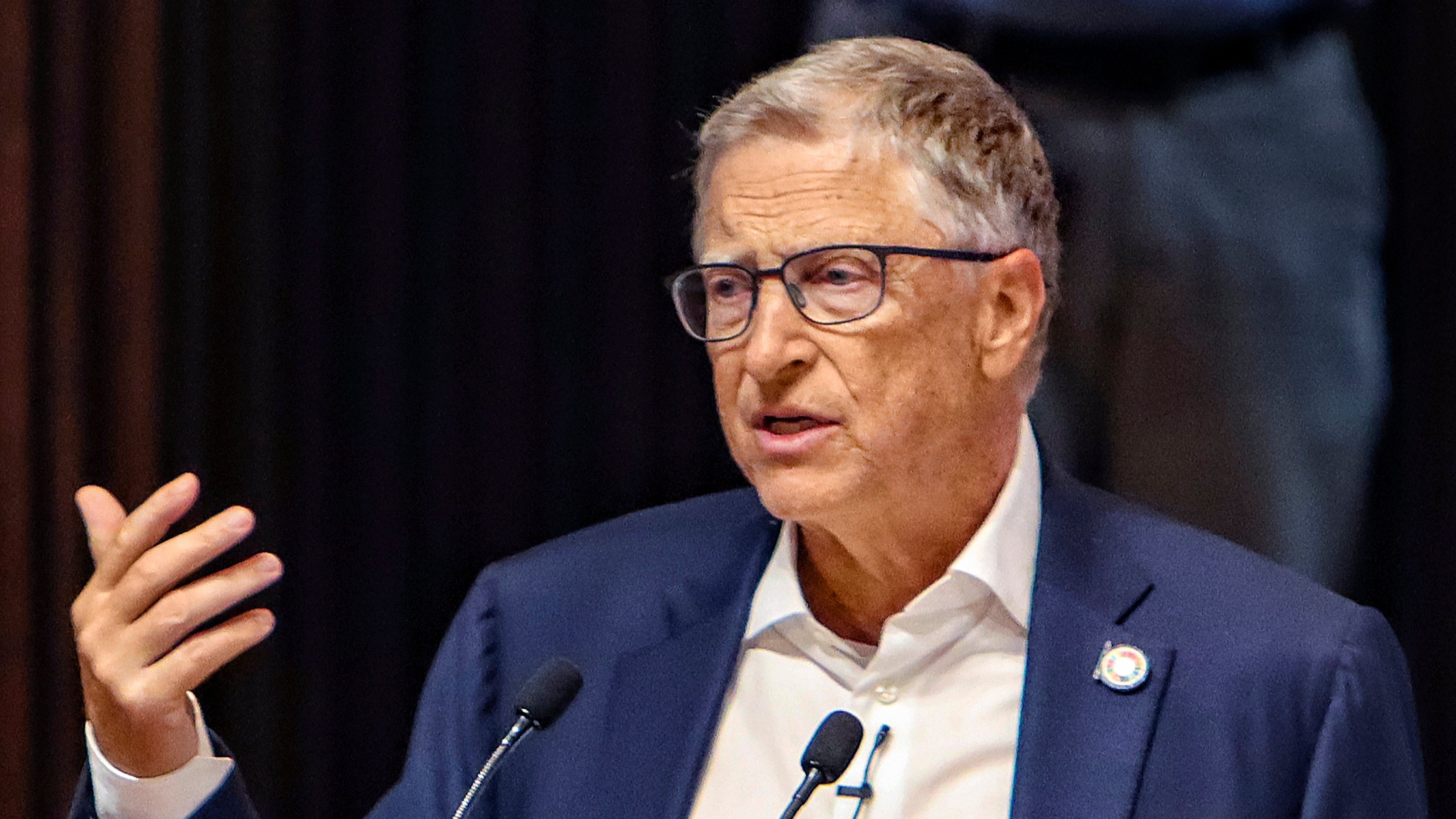
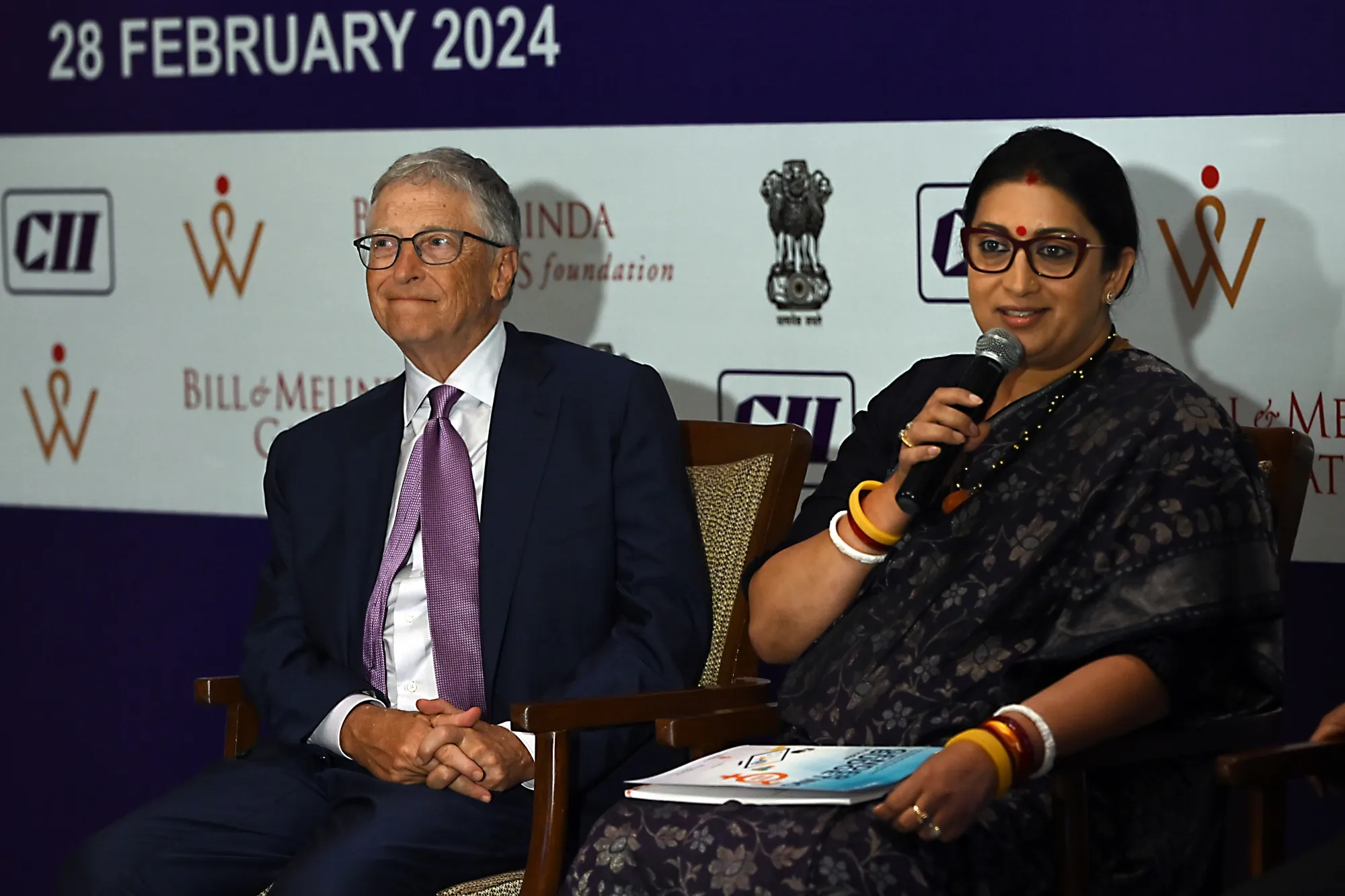
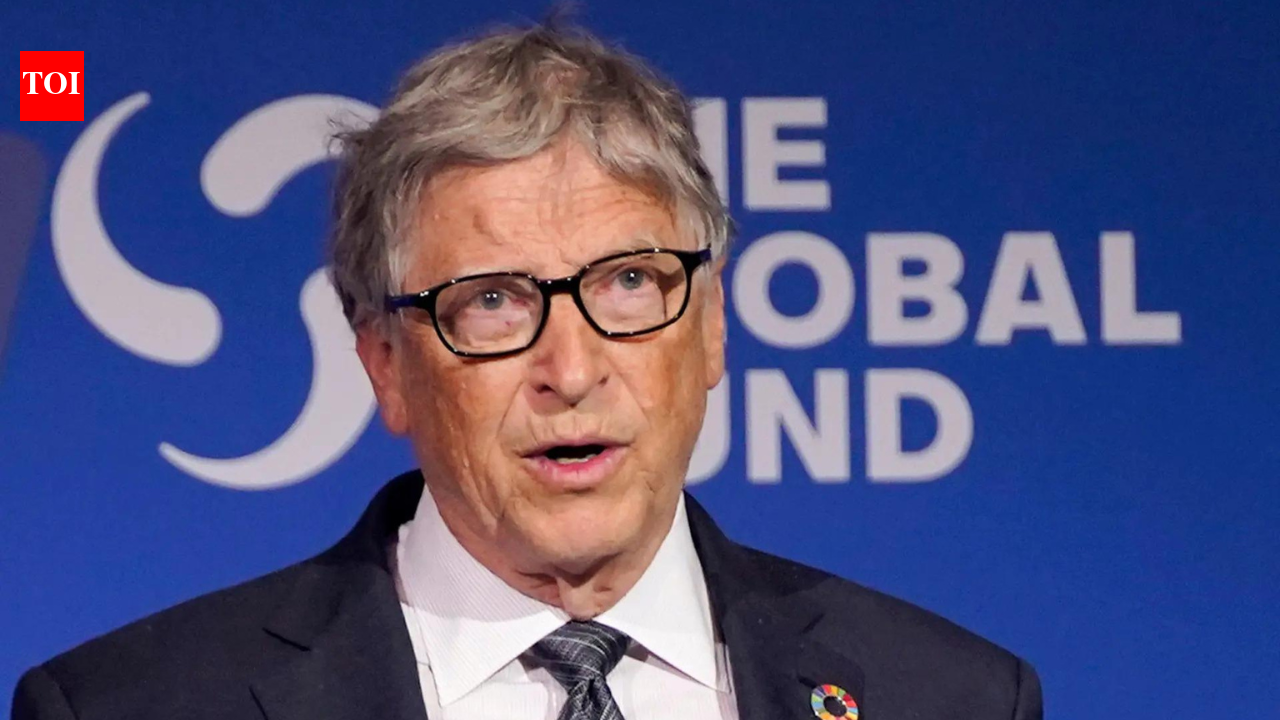
- Bill Gates last-minute withdrawal, Nvidia CEO cancellation, and severe logistical failures undermine India's positioning as Global South tech leader; $200B+ AI infrastructure pledges signal massive market expansion opportunities for sellers targeting Indian e-commerce growth








)







)












Overview
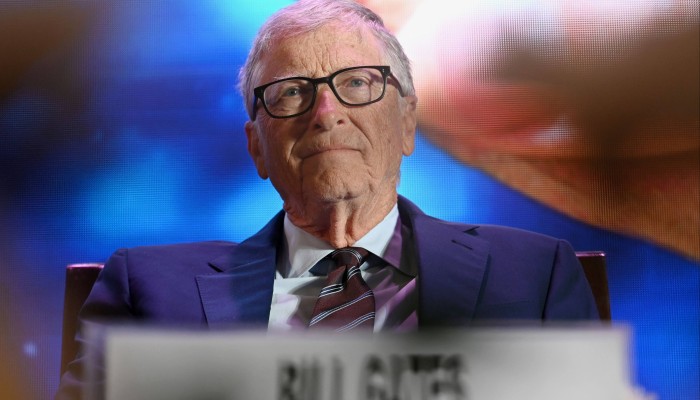
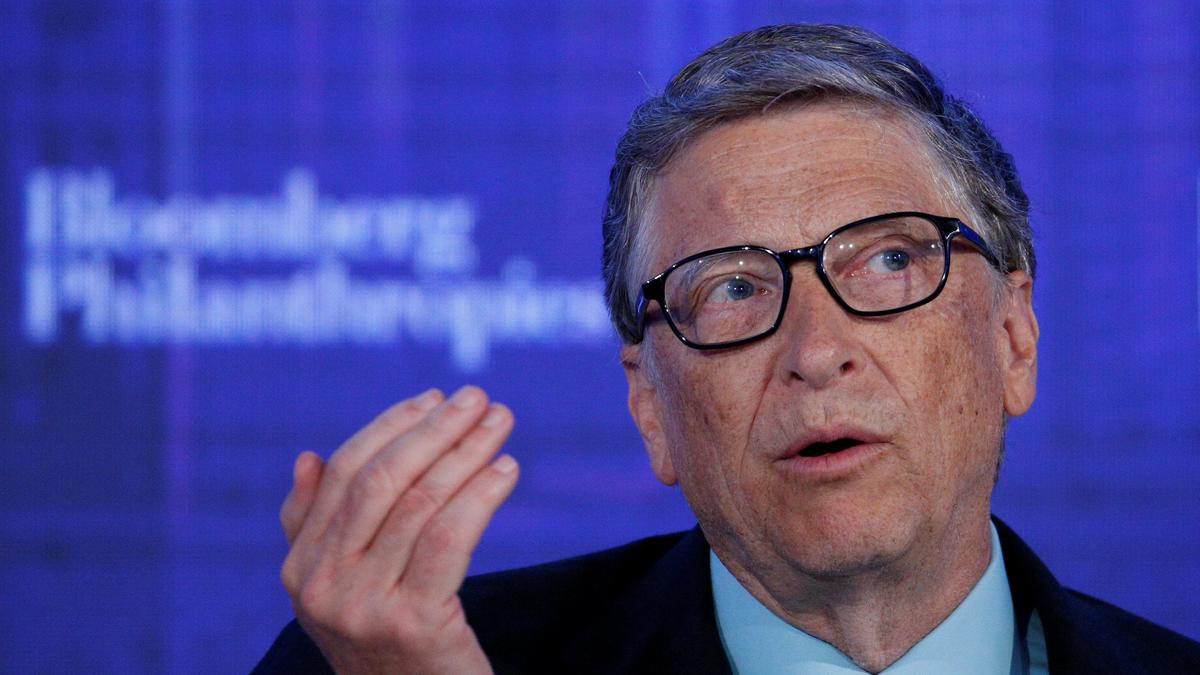
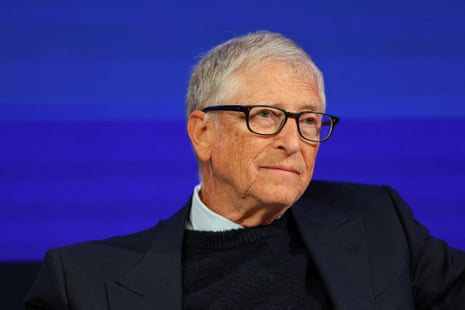
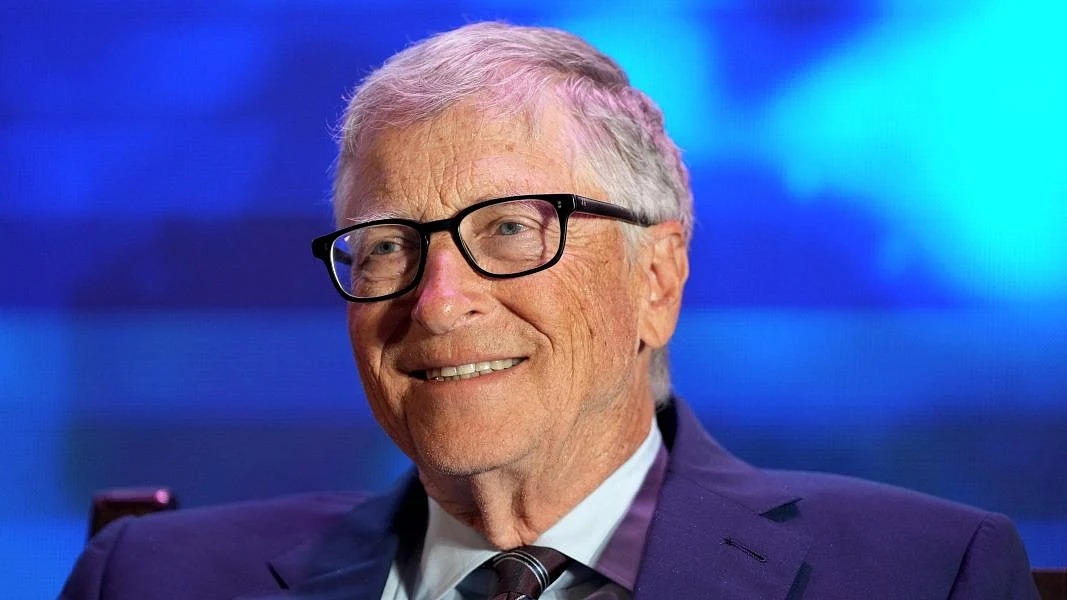
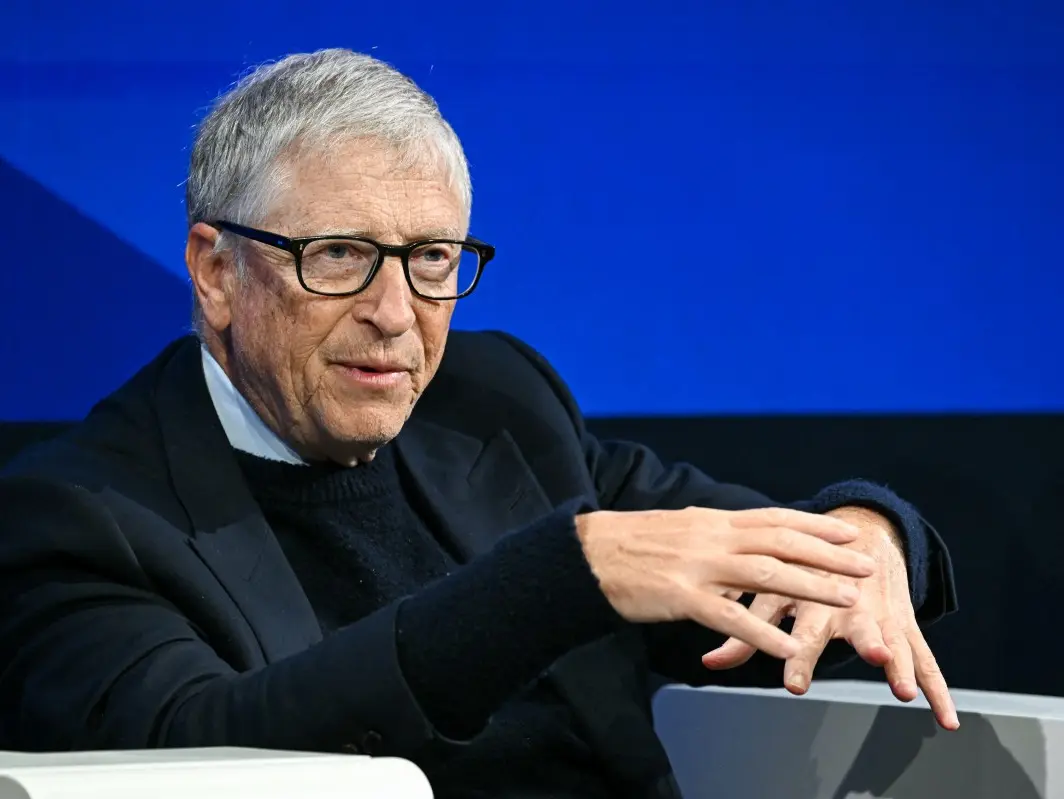
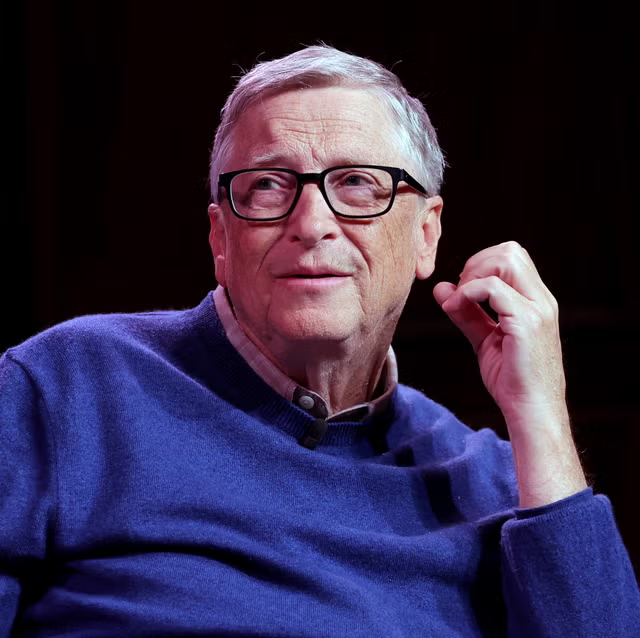
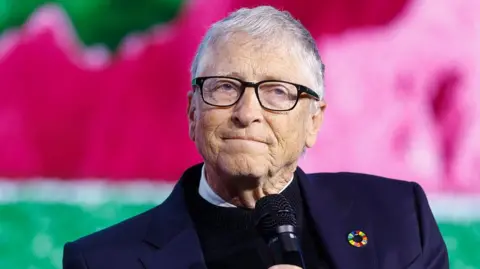
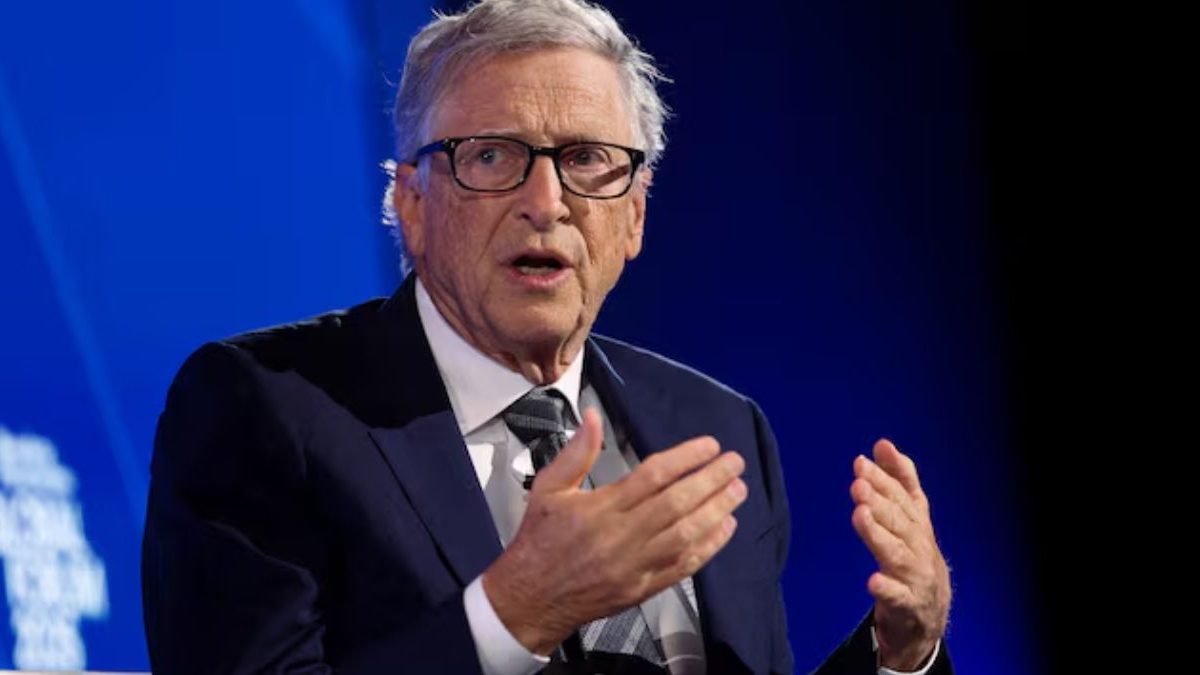
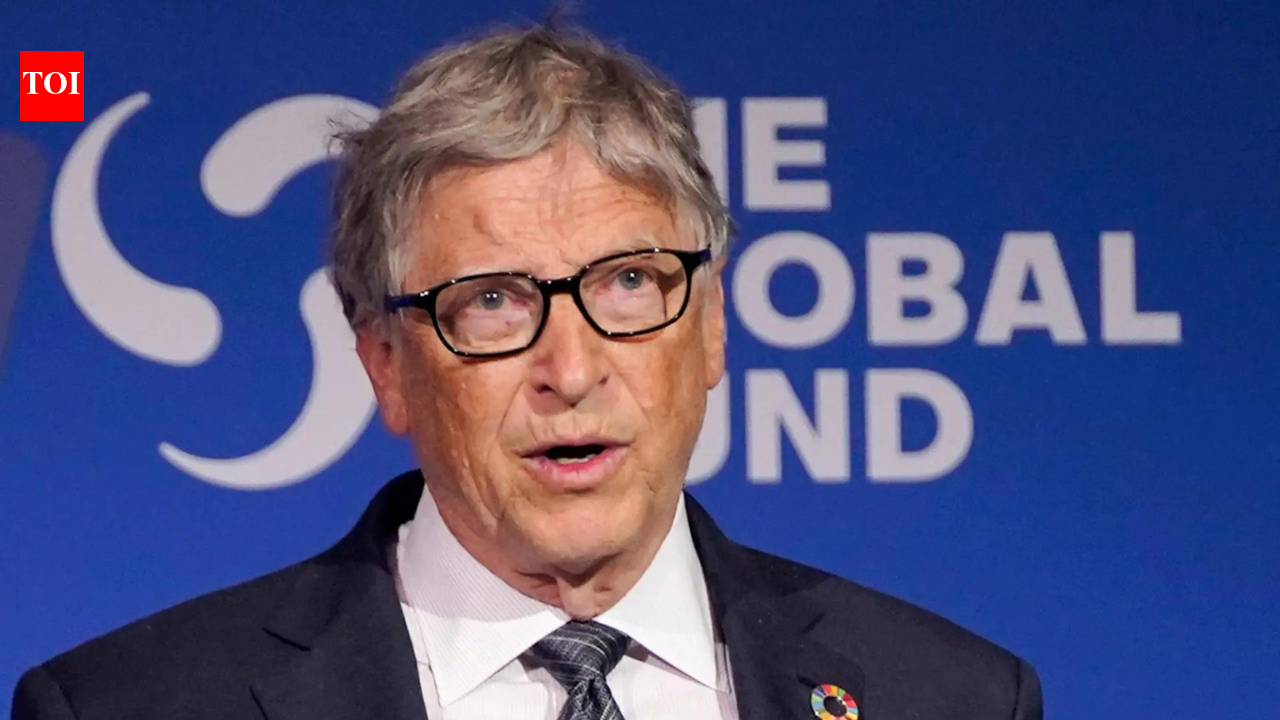
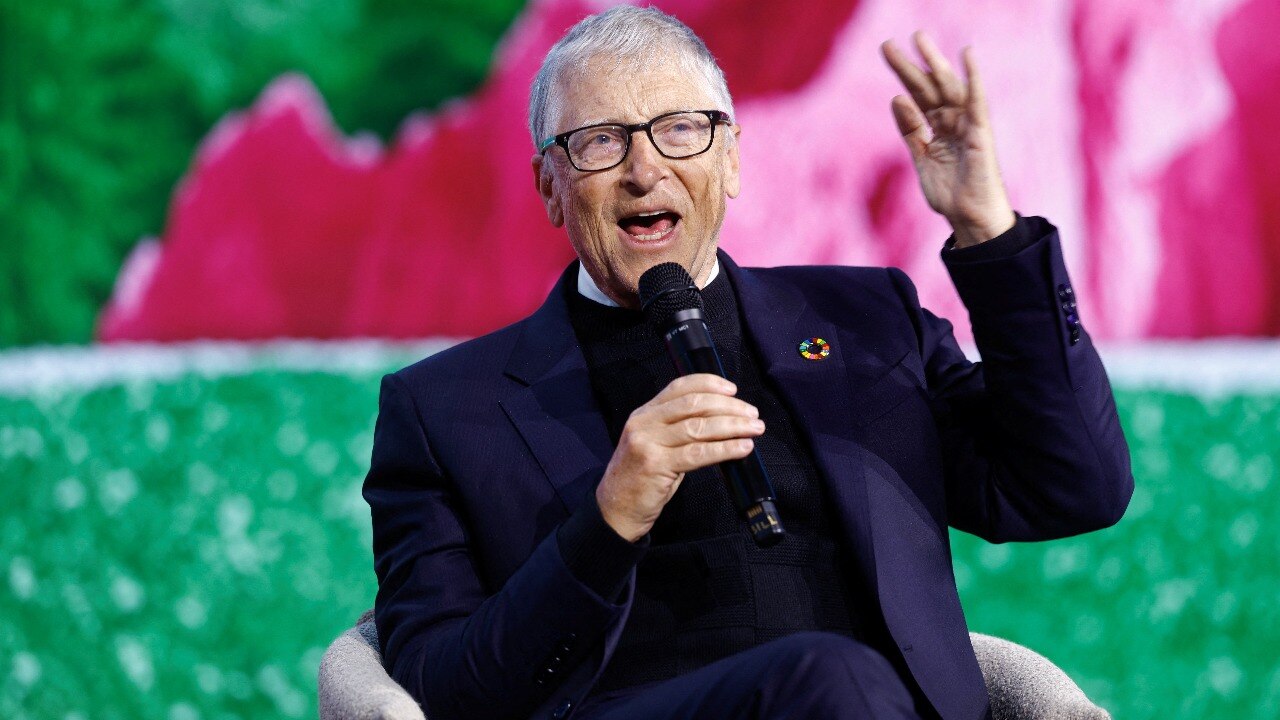
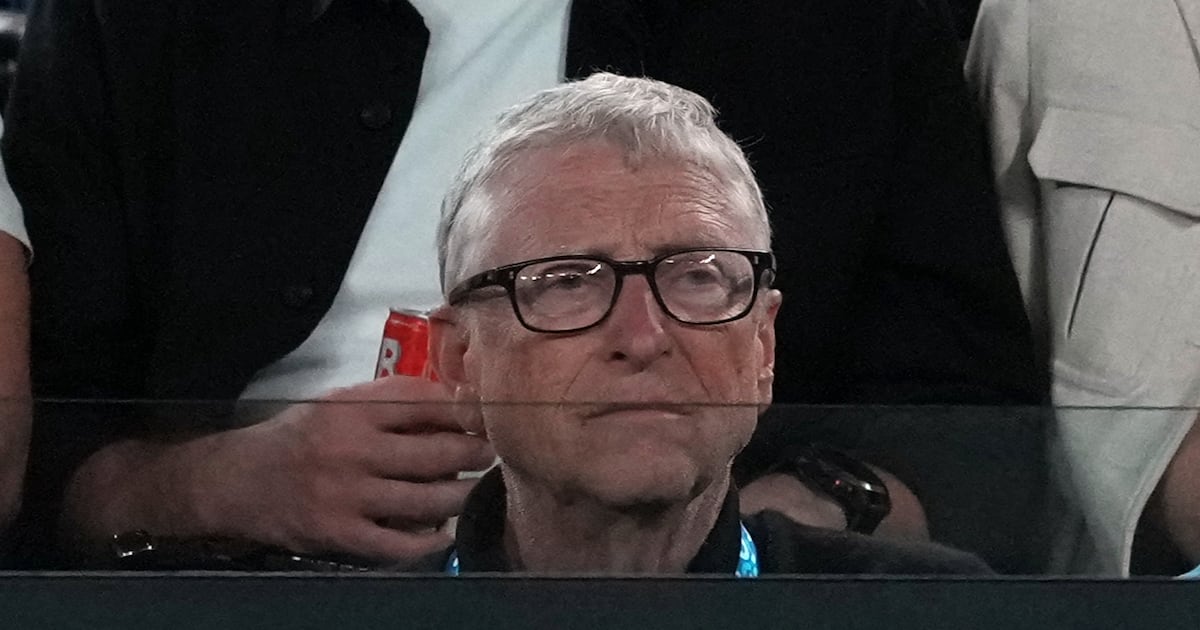
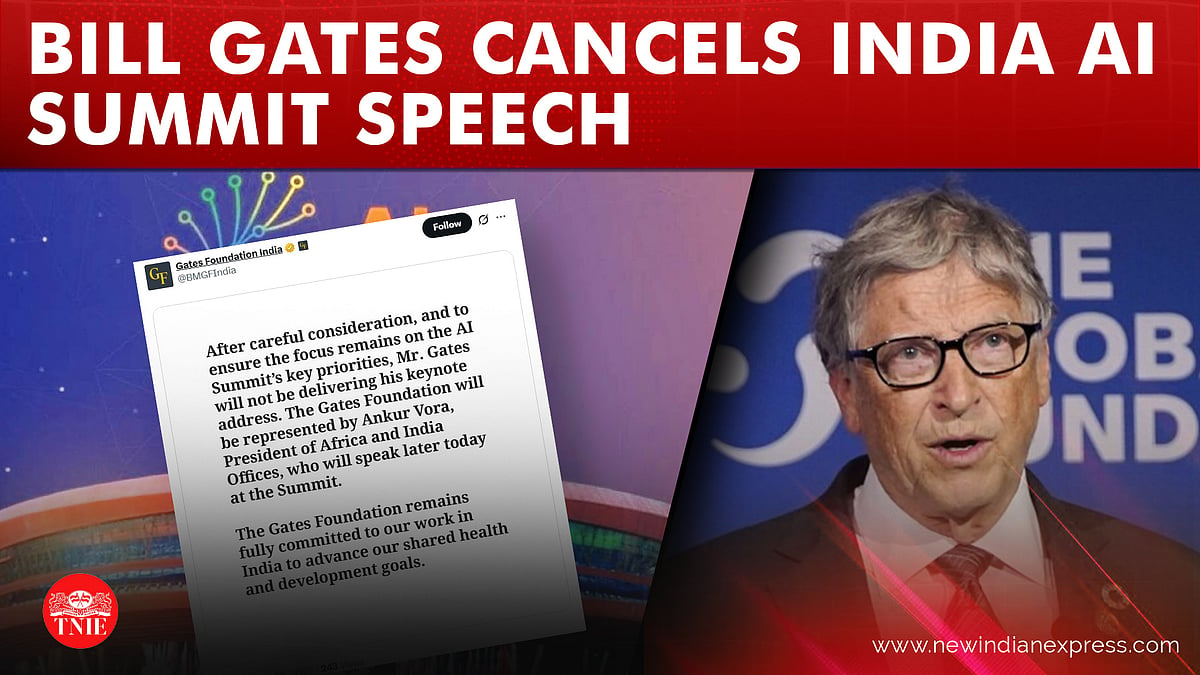
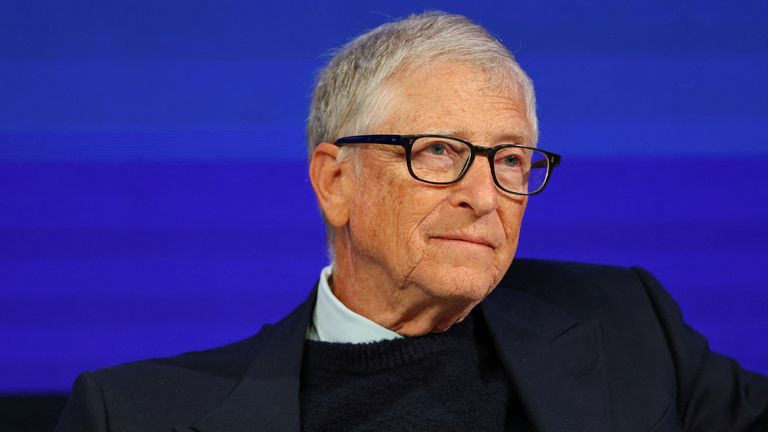
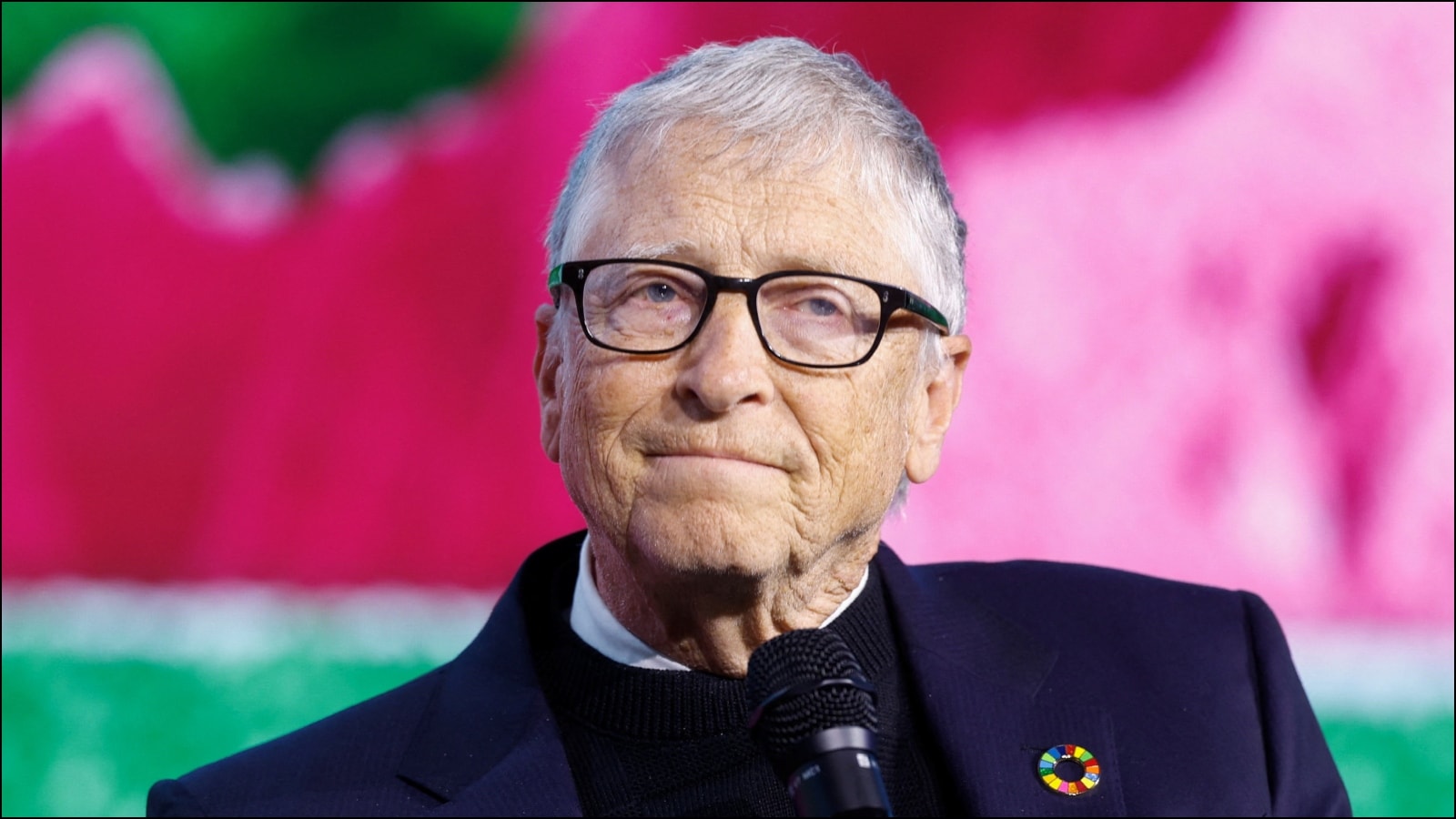
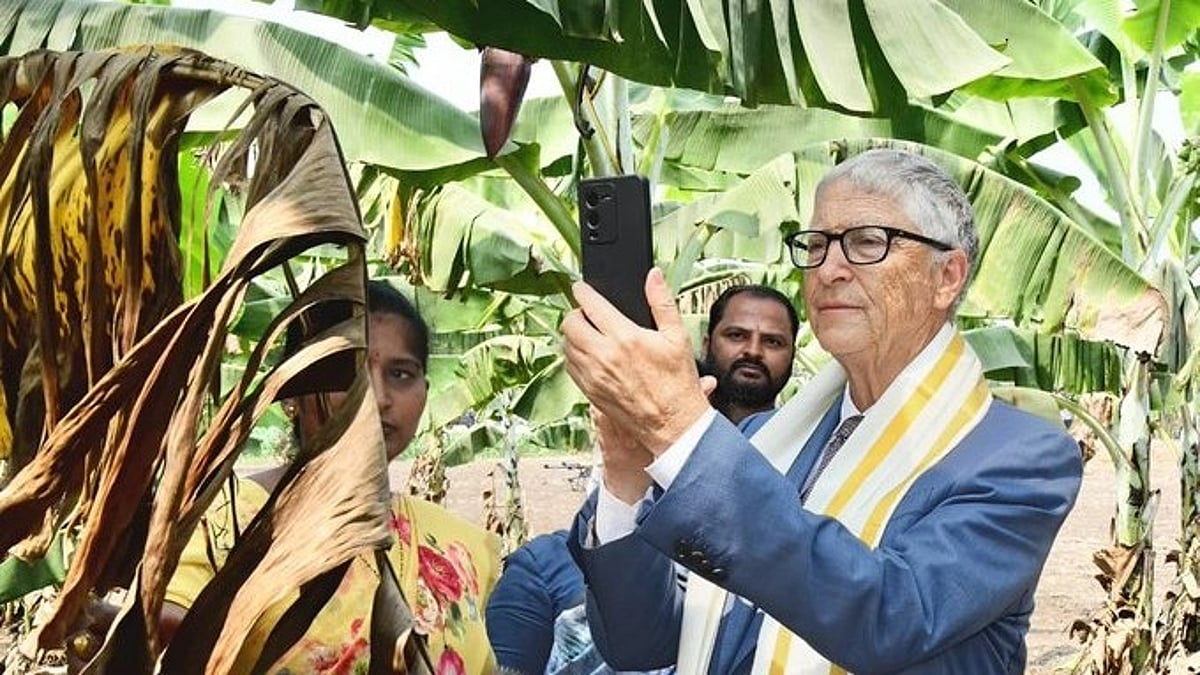
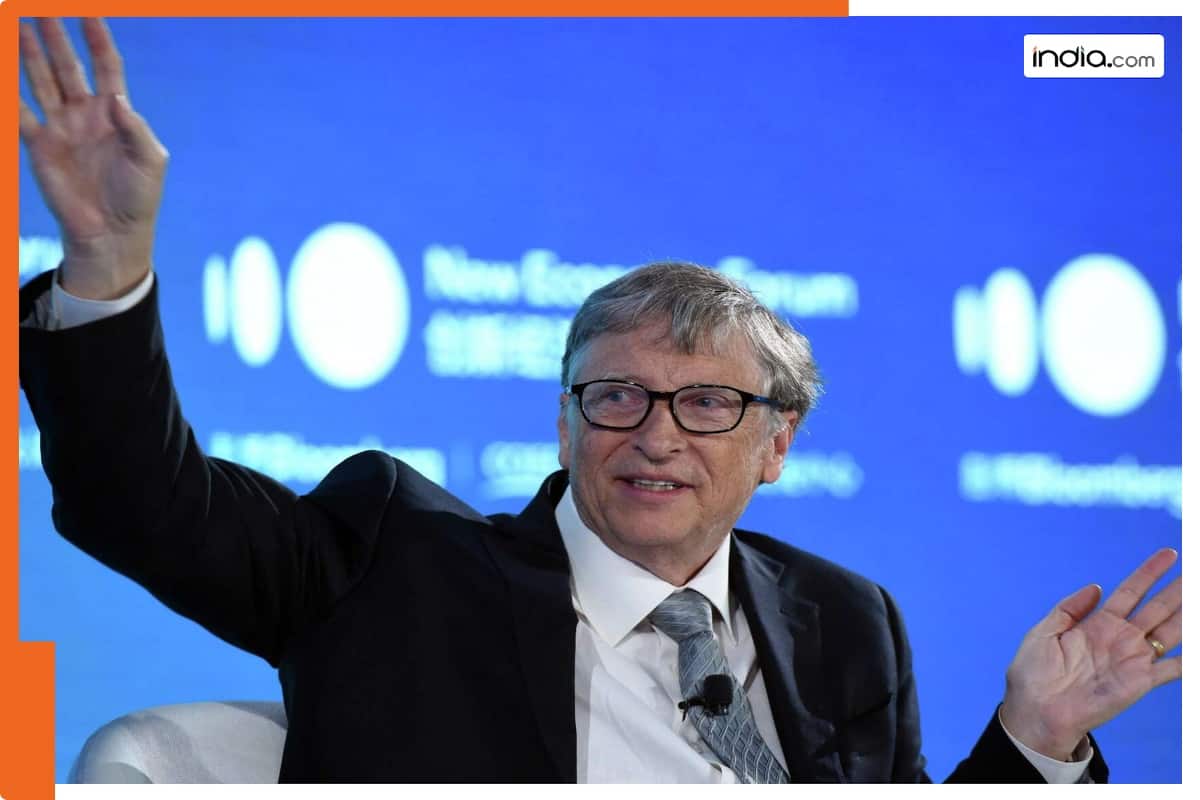
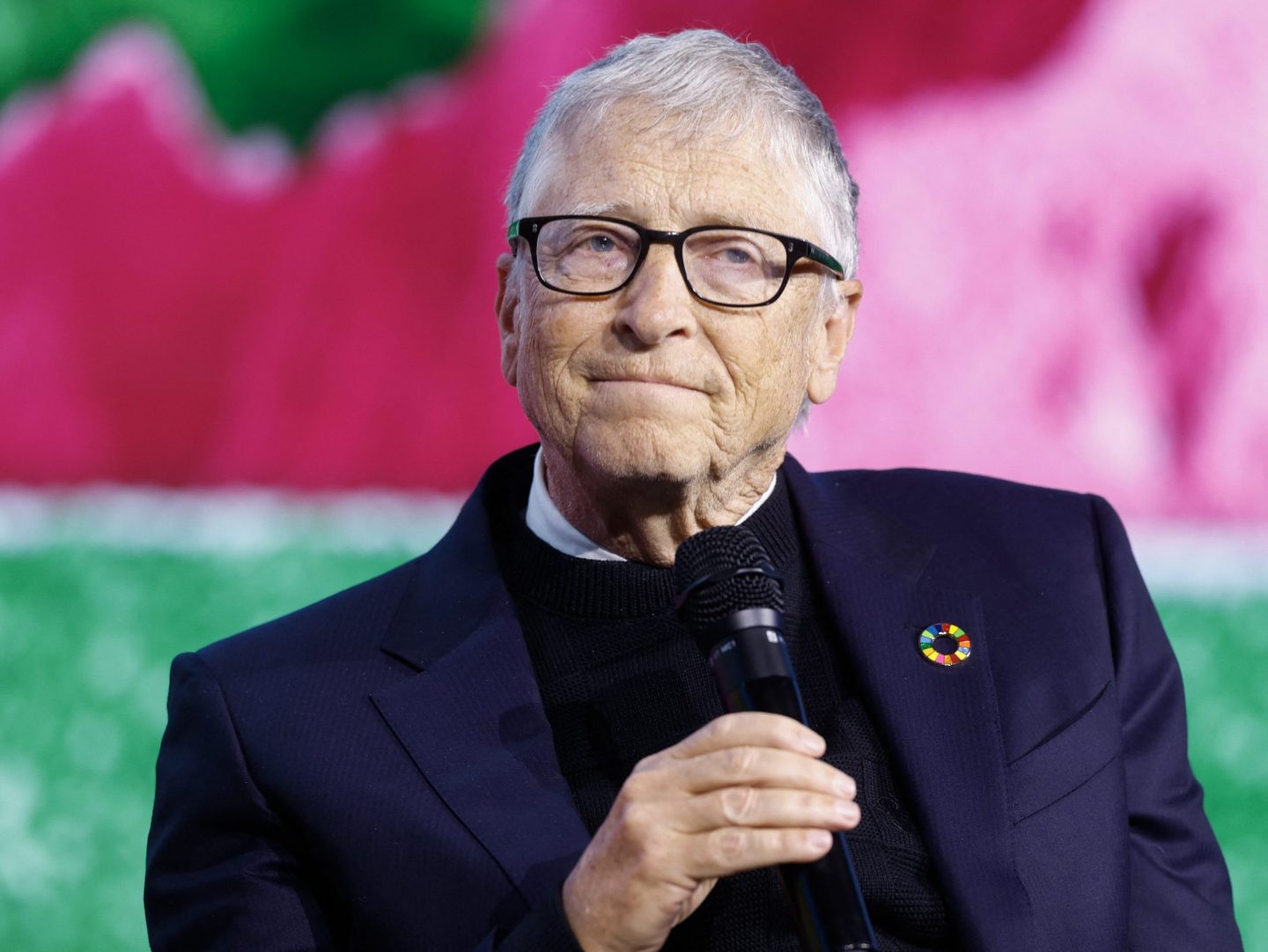
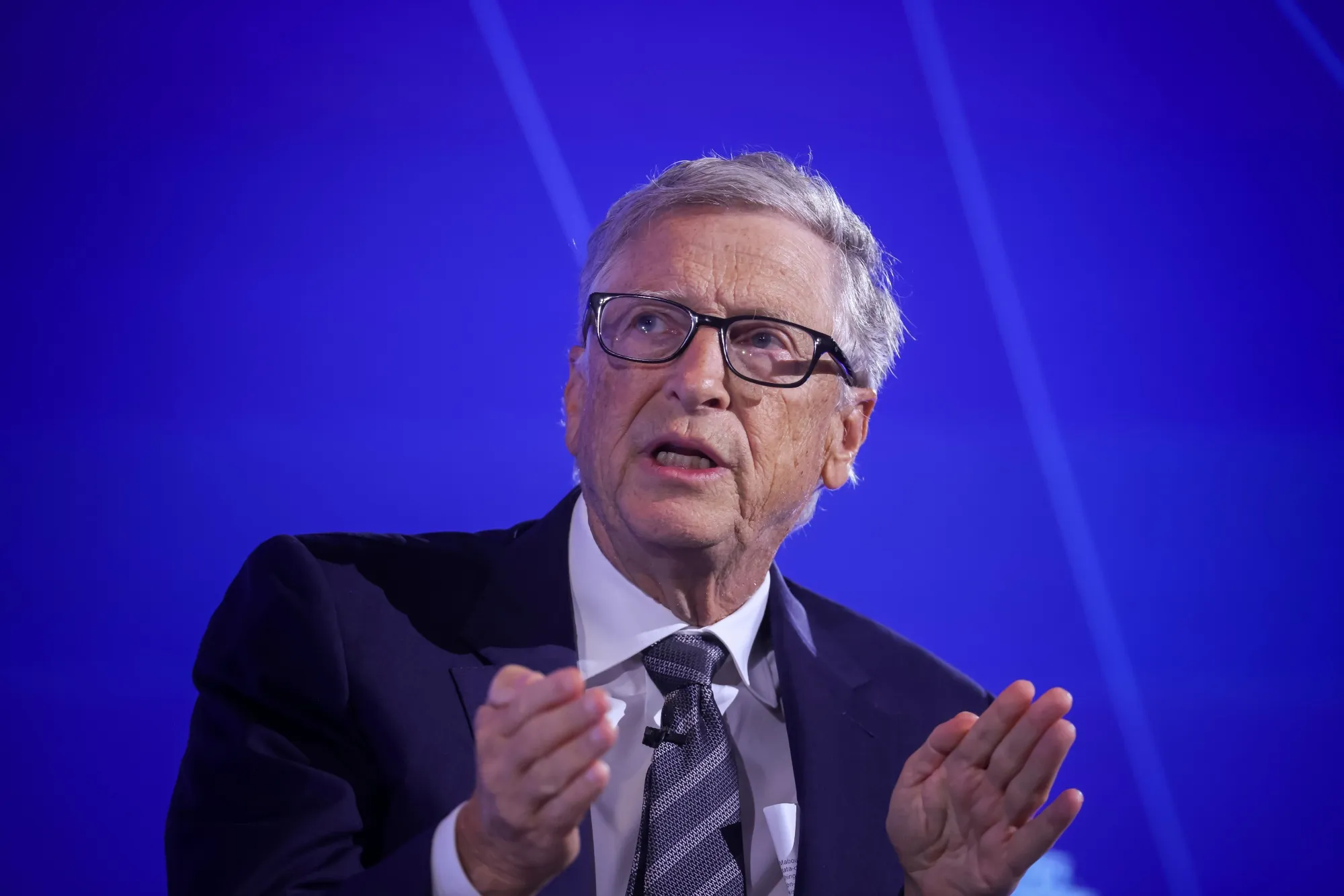
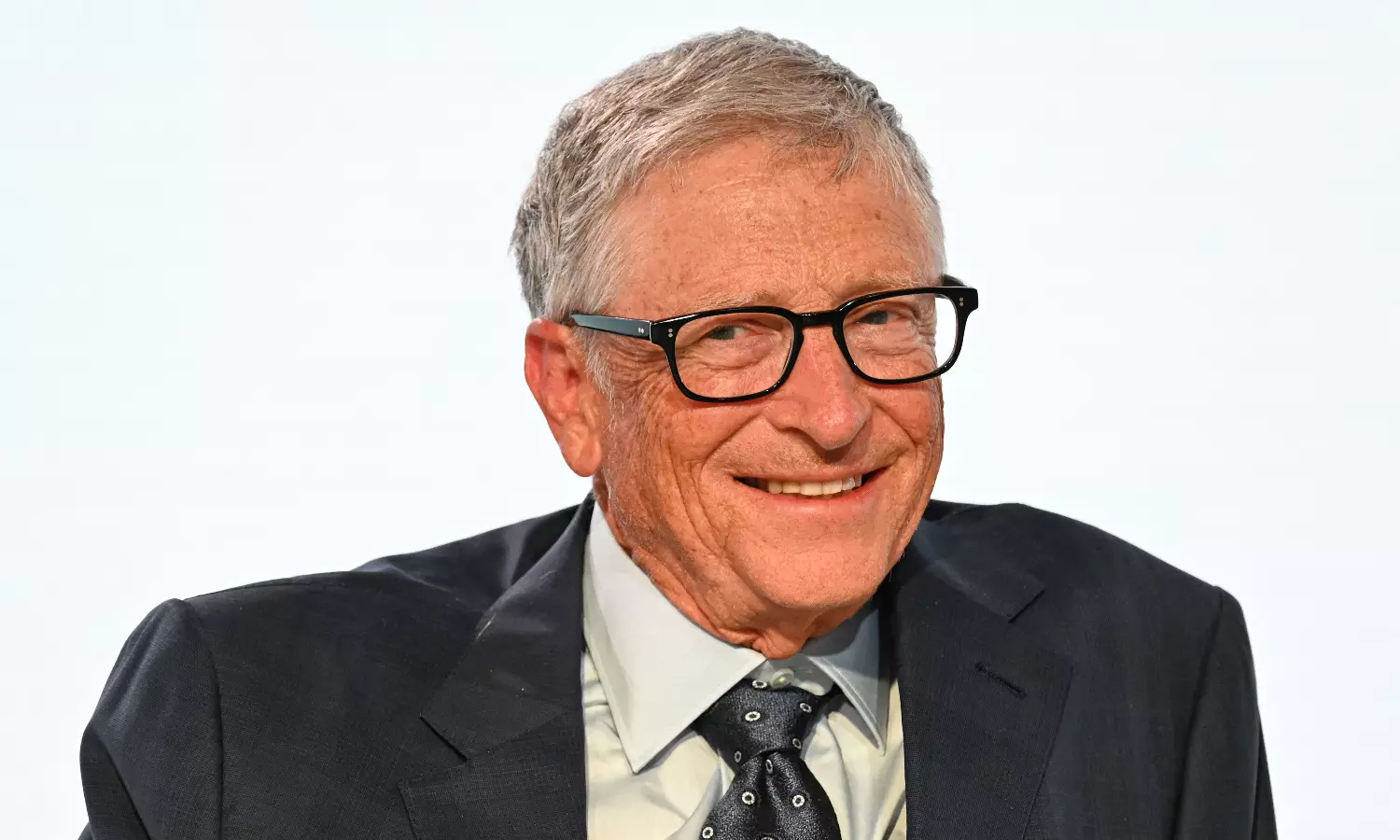
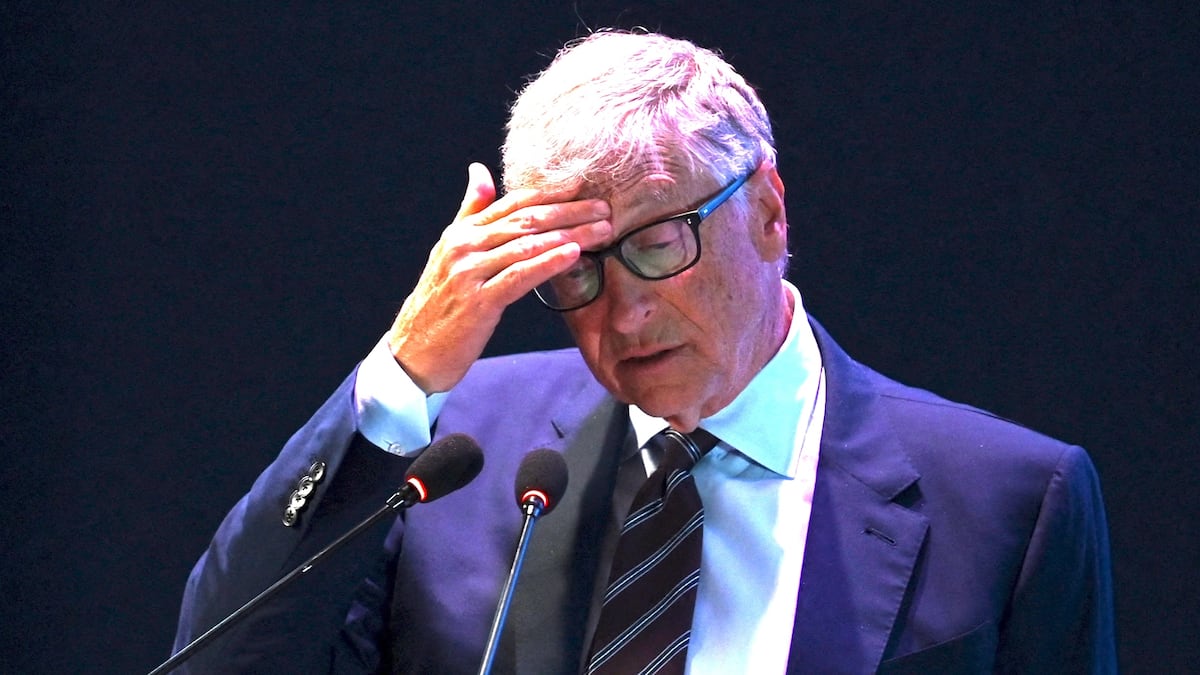
India's inaugural AI Impact Summit (February 17-19, 2026) in New Delhi represents a critical inflection point for cross-border sellers targeting the Indian market, despite severe organizational failures that damaged the event's credibility. The summit attracted over $200 billion in investment pledges for AI infrastructure projects from major players including Reliance Industries ($110B), Microsoft, Tata Group, and Yotta data centre firm, signaling unprecedented capital deployment in India's technology sector. However, Bill Gates withdrew his keynote address hours before delivery following renewed scrutiny over Epstein files, while Nvidia CEO Jensen Huang also cancelled, creating a narrative of high-profile defections that overshadowed the investment announcements.
The operational failures reveal critical market entry risks for sellers. Exhibition halls unexpectedly closed to the public on February 19, angering participating companies that had invested in pavilions and stalls. Traffic management proved catastrophic, with police repeatedly shutting roads for VIP movement, creating chaos across Delhi's 20 million residents. Social media documented attendees walking miles without available taxis or shuttle services, prompting Congress party criticism of India's capacity to host major global events. Galgotias University faced public backlash after presenting a commercially available Chinese robotic dog as its own creation, sparking broader concerns about institutional integrity and IP protection in India's tech ecosystem.
For cross-border sellers, the summit signals both opportunity and operational caution. The $200B+ investment pledges indicate explosive growth in India's AI infrastructure, cloud computing, and data centre sectors—categories where sellers can capitalize on rising demand for enterprise hardware, software, and related products. OpenAI CEO Sam Altman announced that 100 million Indians use ChatGPT weekly, representing a massive consumer base for AI-adjacent products (tutorials, accessories, productivity tools). The summit formally launched the New Delhi Frontier AI Commitments, a voluntary framework for responsible AI development that will shape platform policies and content moderation standards affecting sellers' product listings and advertising strategies.
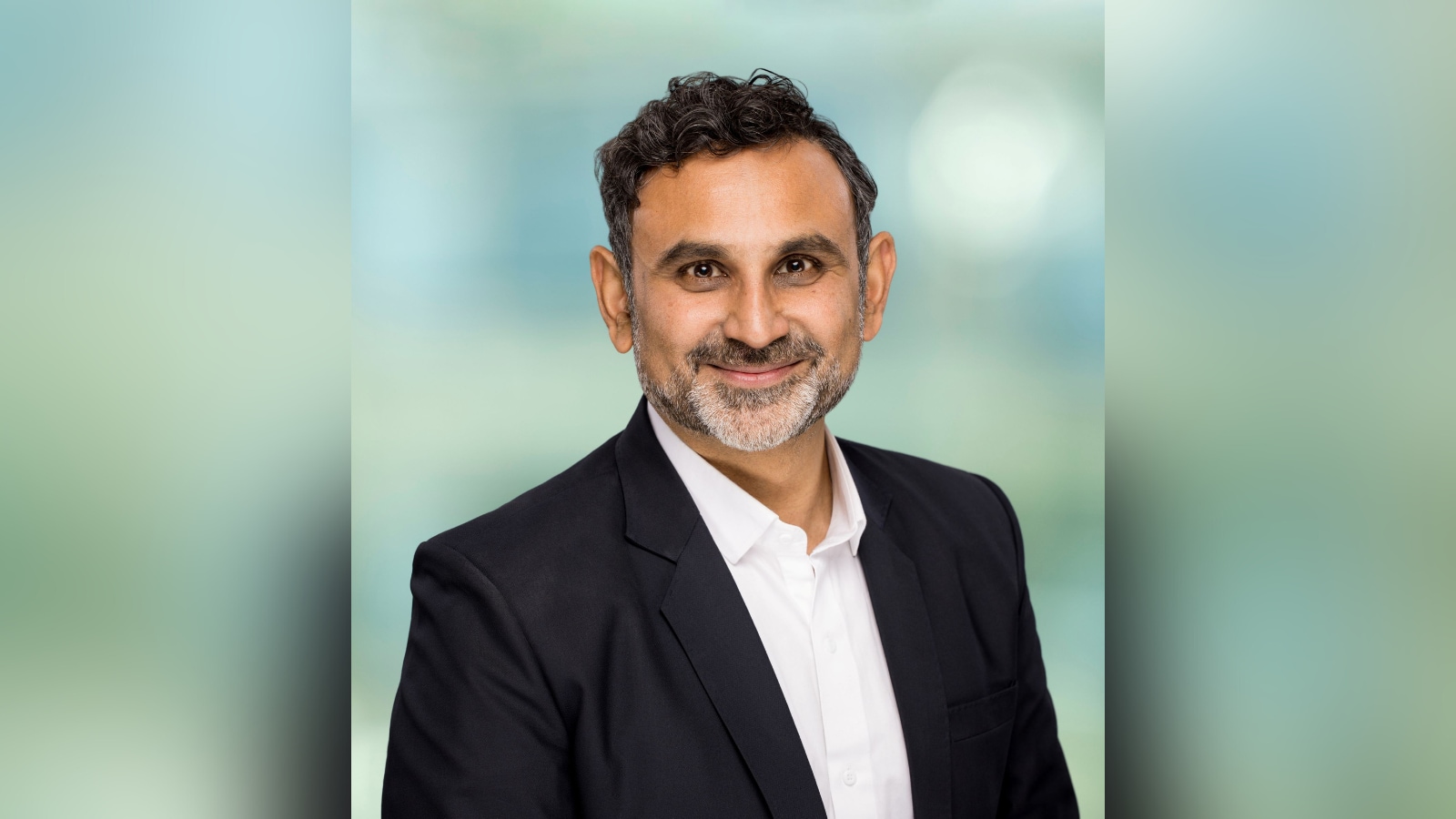
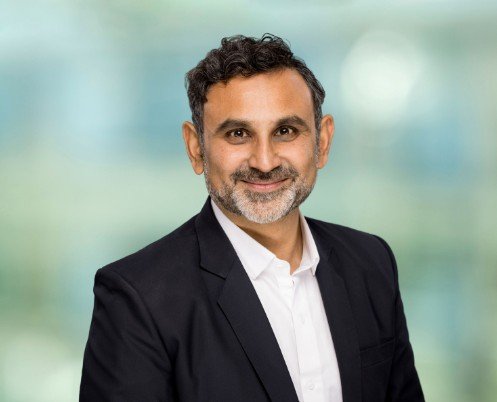
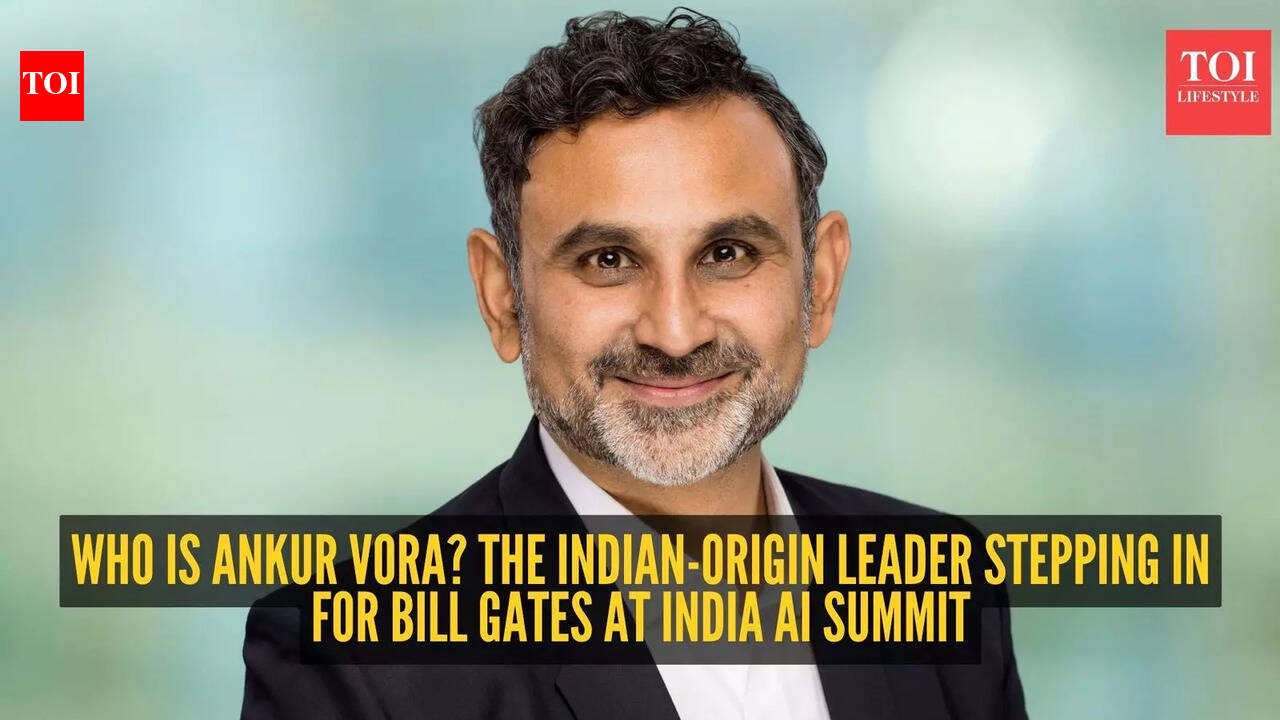
However, the organizational chaos raises red flags about India's infrastructure readiness. Analysts warned that rapid infrastructure expansion risks straining India's power grid and water supply capacity—critical concerns for sellers operating 3PL facilities or considering India-based fulfillment centers. The government's poor event management suggests potential delays in promised infrastructure projects, which could impact logistics timelines and fulfillment reliability. Sellers should monitor India's power grid capacity and water supply constraints before committing to large-scale inventory investments in Indian warehouses. The Gates Foundation's continued commitment to health and development work in India (represented by Ankur Vora at the summit) indicates ongoing philanthropic investment that could create indirect opportunities in healthcare product categories and sanitation-related merchandise.
Questions 8
How do the summit's organizational failures affect seller confidence in India's capacity to host major e-commerce and tech events?
The summit's severe operational failures—exhibition hall closures, traffic chaos, poor attendee services, and institutional integrity issues (Galgotias University robotic dog incident)—raised serious questions about India's capacity to host major global technology events. Congress party criticism and opposition attacks on government mismanagement suggest political sensitivity around event execution. For sellers, this indicates potential risks when planning participation in future India-based trade shows, conferences, or promotional events. Expect stricter vendor requirements, higher security protocols, and potentially longer lead times for event logistics. The government's subsequent apology suggests awareness of the failures, which may drive improvements in future events. However, sellers should factor in contingency costs (backup transportation, alternative accommodation) when budgeting for India event participation. The incident also highlights the importance of diversifying event participation across multiple Indian cities rather than concentrating on single mega-events.
What is the strategic significance of the Gates Foundation's continued India health and development work despite Bill Gates' summit withdrawal?
The Gates Foundation's decision to send Ankur Vora (President of Africa and India Offices) to deliver the keynote instead of Bill Gates signals the foundation's commitment to India's development agenda despite the reputational controversy. This indicates ongoing philanthropic investment in India's health, sanitation, and vaccination programs—sectors where sellers can identify indirect opportunities. The foundation's partnerships in public health and development create demand for related products: medical equipment, sanitation supplies, educational materials, and health-tech solutions. Sellers should monitor Gates Foundation initiatives in India for partnership opportunities and market trends. The foundation's continued presence also suggests India's government views the partnership as strategically important, which could translate into favorable regulatory treatment for health-tech and development-focused product categories. Sellers in healthcare, sanitation, and education sectors should track Gates Foundation announcements for emerging market opportunities.