





Product Origin Misrepresentation Liability | Cross-Border Sellers Face New IP Enforcement Risk
- India's AI Summit incident exposes critical compliance gap affecting robotics, electronics, and tech product sellers; enforcement now extends to public misrepresentation with reputational and legal consequences






)



)







)










Overview
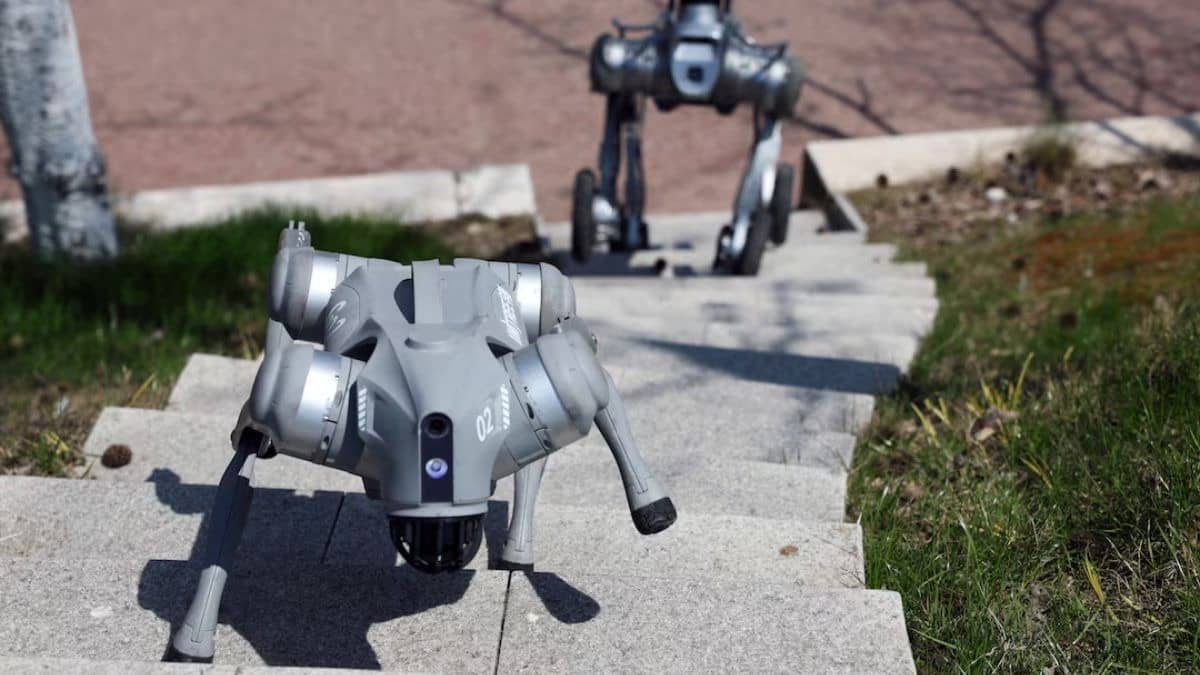
The Galgotias University incident at India's AI Impact Summit (February 18, 2026) represents a watershed moment for product origin compliance and intellectual property enforcement in cross-border e-commerce. When Professor Neha Singh publicly misrepresented the Unitree Go2 robotic dog ($1,600-$2,800 retail price) as university-developed "Orion," the incident triggered immediate government intervention, public expulsion, and viral social media enforcement—demonstrating that product origin misrepresentation now carries institutional and reputational penalties that extend far beyond traditional trademark disputes.
The Compliance Enforcement Shift: This incident reveals a critical regulatory evolution. India's IT Secretary S Krishnan explicitly mandated "proper codes of conduct" for technology showcases, signaling that government agencies now actively monitor and enforce product origin claims in high-visibility contexts. For cross-border sellers, this establishes a new enforcement precedent: misrepresenting product origins—whether claiming Chinese manufacturing as Indian innovation, or vice versa—now triggers rapid government action, public shaming, and institutional penalties. The university's exhibition booth electricity was cut off without formal notice, indicating enforcement can be swift and extrajudicial. This pattern will likely spread to e-commerce platforms as governments increasingly scrutinize seller claims about product development, manufacturing location, and innovation origin.
Market Implications for Robotics and AI Hardware: The Unitree Go2 incident specifically targets the robotics and autonomous systems category, where origin claims directly influence investment decisions and institutional purchasing. The robot's $1,600-$2,800 price point places it in the high-value B2B/institutional segment where misrepresentation carries maximum reputational damage. Sellers in robotics, drones, autonomous systems, and AI hardware must now implement origin verification protocols that go beyond standard product listings—including manufacturing certificates, supply chain documentation, and explicit origin disclosures. The incident occurred at a summit attracting $100+ billion in pledged AI investments, meaning origin misrepresentation directly impacts access to institutional buyers and venture capital.
Seller Compliance Obligations Expanding: The incident establishes that product origin claims are now subject to government verification and public accountability, not just platform policies. Sellers must now: (1) Maintain documented proof of manufacturing origin for all products, (2) Ensure all marketing claims (including social media, press releases, and institutional presentations) accurately reflect product origins, (3) Implement internal compliance reviews before any public product showcase or media appearance, and (4) Establish clear protocols distinguishing between products used for research/education versus products claimed as proprietary innovations. Non-compliance now carries reputational penalties (viral social media exposure, institutional expulsion) in addition to potential legal liability.
Questions 7
Which product categories face highest enforcement risk from origin misrepresentation?
**High-risk categories** (government enforcement likely): Robotics and autonomous systems ($1.2B+ market), AI hardware and accelerators, drones and UAVs, industrial automation equipment, and advanced manufacturing systems. These categories attract institutional buyers, government contracts, and investment scrutiny—making origin misrepresentation high-visibility and high-consequence. The Galgotias incident specifically targeted robotics at an AI summit, signaling government focus on this category. **Medium-risk categories**: Consumer electronics, smart home devices, and IoT products where origin claims influence purchasing decisions. **Lower-risk categories**: Commodity products and resold goods where origin is less material to buyer decisions. Sellers in high-risk categories should prioritize compliance immediately. Estimated enforcement timeline: 6-12 months before platforms implement automated origin verification; 12-24 months before government agencies establish formal origin certification requirements for cross-border sales.
How can sellers differentiate from competitors through origin transparency?
**Origin transparency is now a competitive advantage** in institutional and B2B markets. Sellers can differentiate by: (1) Publishing detailed supply chain documentation and manufacturing origin statements on product pages, (2) Obtaining third-party origin certifications (ISO, CE marking, industry-specific standards), (3) Creating buyer-facing 'origin transparency reports' showing manufacturing location, supply chain partners, and quality certifications, (4) Targeting institutional buyers who increasingly demand origin verification, and (5) Building brand reputation around authentic origin claims and supply chain integrity. The Galgotias incident demonstrates that institutional buyers (universities, research centers, government agencies) now actively verify origin claims—sellers with documented, transparent origin information gain competitive advantage in this $100+ billion institutional market. Estimated margin premium: 8-15% for products with verified origin documentation in institutional sales channels.