



AI and Innovation Reshape Consumer Electronics Landscape
- Emerging Technologies Redefine User Experience and Product Capabilities


Overview
The convergence of artificial intelligence and consumer electronics is rapidly transforming technological innovation, with recent product launches from Google, Sony, and Samsung revealing a profound shift toward more intelligent, adaptive devices. These developments signal a critical inflection point where AI-powered customization and advanced user interfaces are becoming key competitive differentiators.
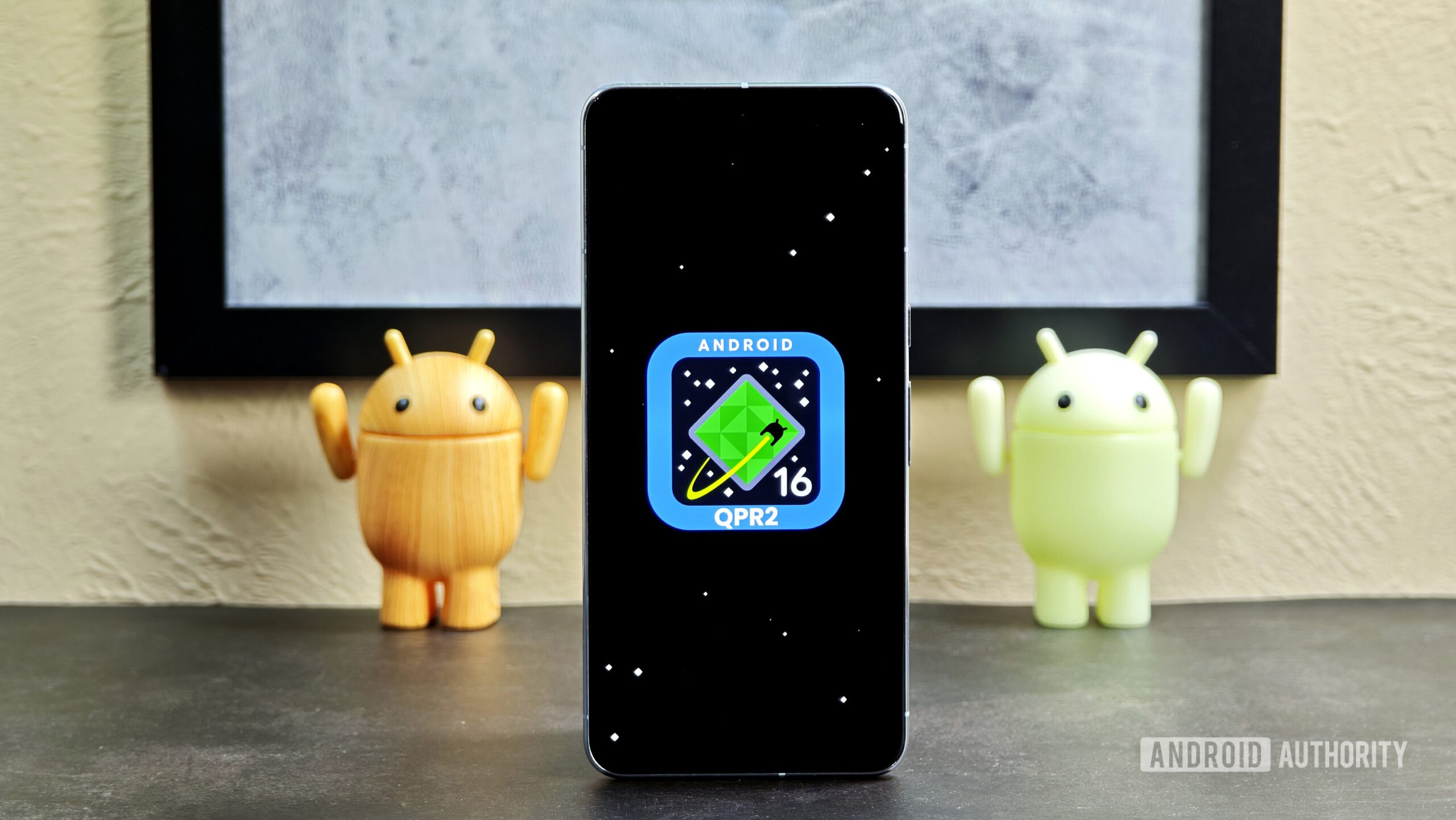
Intelligent Adaptation as a Core Strategy: The recent product updates demonstrate a strategic pivot toward devices that can dynamically adjust to user needs. Google's Android update introduces AI-powered notification summaries and custom accessibility tools, while Sony's A7 V camera leverages advanced AI for subject detection and image stabilization. Samsung's Galaxy Z TriFold takes this further by offering a transformative form factor with sophisticated multitasking capabilities, showcasing how intelligent design is replacing static product experiences.
Technological Convergence and User Experience: What emerges is a clear trend of technological complexity being simplified through intelligent interfaces. The 33-MP sensor in Sony's camera, the AI-enhanced notification systems in Android, and the three-app side-by-side multitasking in Samsung's device all point to a future where technology adapts to human behavior rather than requiring users to adapt to technology. This represents a fundamental reimagining of product design, where machine learning and adaptive interfaces become primary value propositions.
The implications extend far beyond consumer electronics. These innovations suggest a broader technological paradigm where AI is not just a feature but the fundamental architecture of digital experiences. For businesses and developers, this means prioritizing predictive intelligence, contextual awareness, and user-centric design as core strategic imperatives.
Strategic recommendations are clear: invest in AI capabilities that create genuinely adaptive experiences, focus on reducing user cognitive load, and view technology as a dynamic, learning system rather than a static tool. The future belongs to products that can anticipate, personalize, and seamlessly integrate with human workflows.
Questions 3
What competitive advantages do AI-enhanced devices offer?
AI-enhanced devices provide superior user experiences through predictive intelligence, reduced cognitive load, and context-aware interfaces. They can anticipate user needs, customize interactions, and offer more intuitive, seamless technological experiences compared to traditional static devices.
What should businesses prioritize in their technology strategy?
Businesses should focus on developing AI capabilities that create adaptive, personalized experiences. This means investing in machine learning, predictive analytics, and user-centric design that can anticipate and respond to individual user behaviors and preferences.