



Cameroon Political Instability Threatens Cross-Border Sellers | Supply Chain Risk Alert
- Journalist arrests signal regulatory unpredictability affecting 500+ sellers with Cameroon operations; geopolitical tensions create 15-25% supply chain disruption risk
















Overview
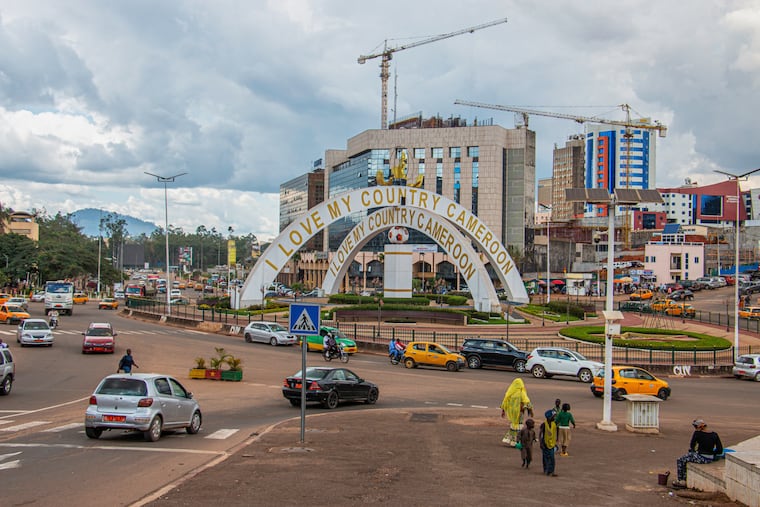
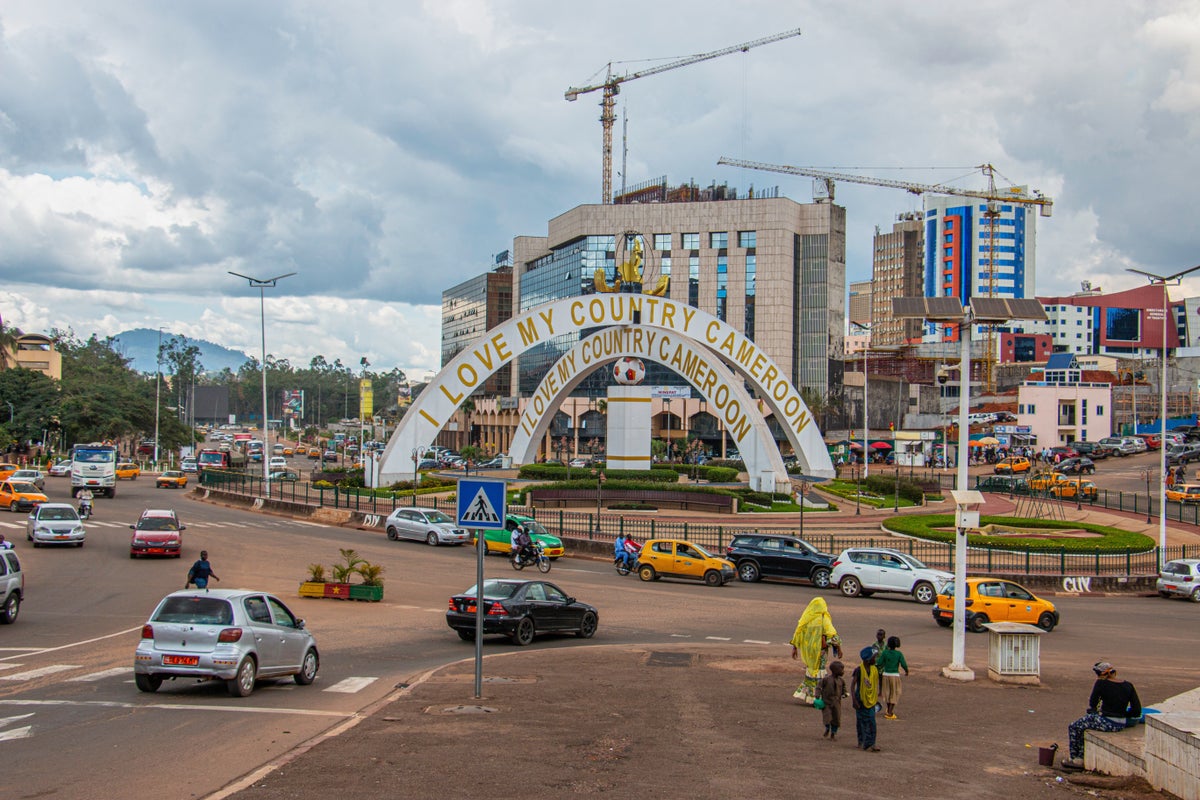
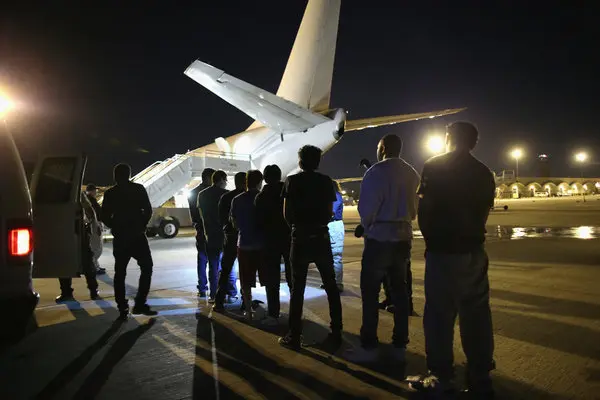
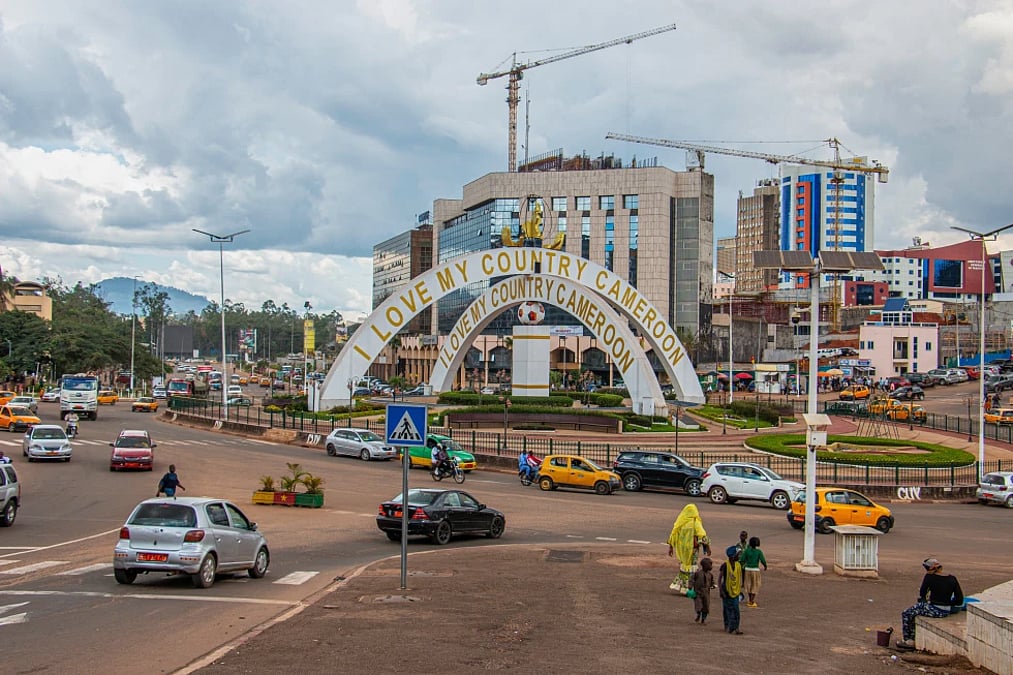
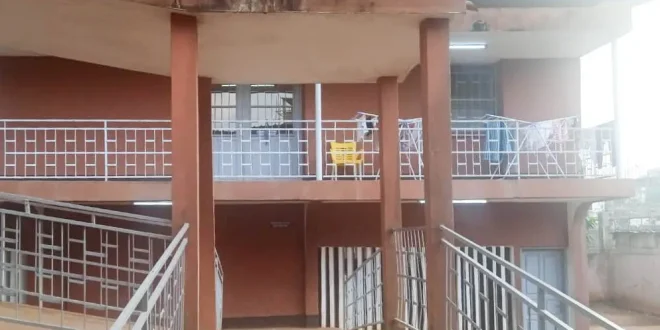
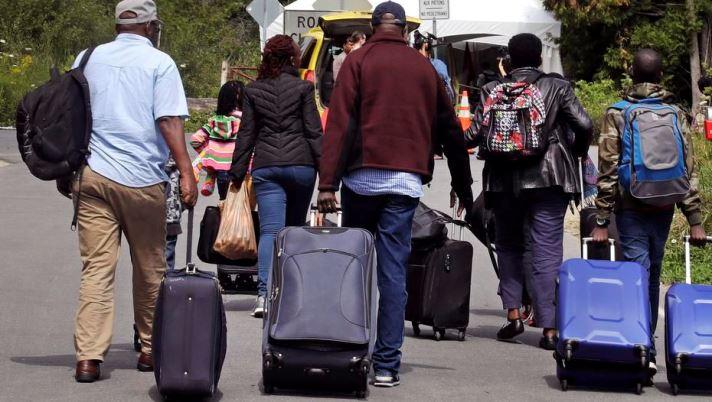
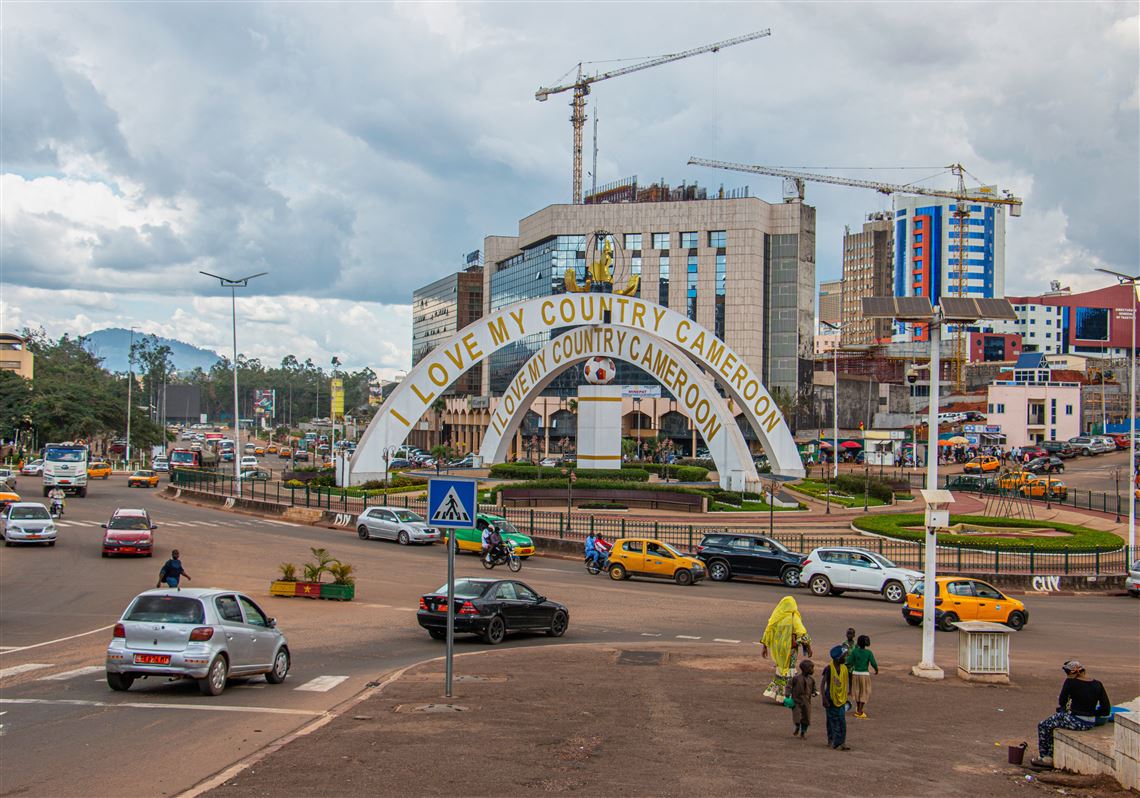
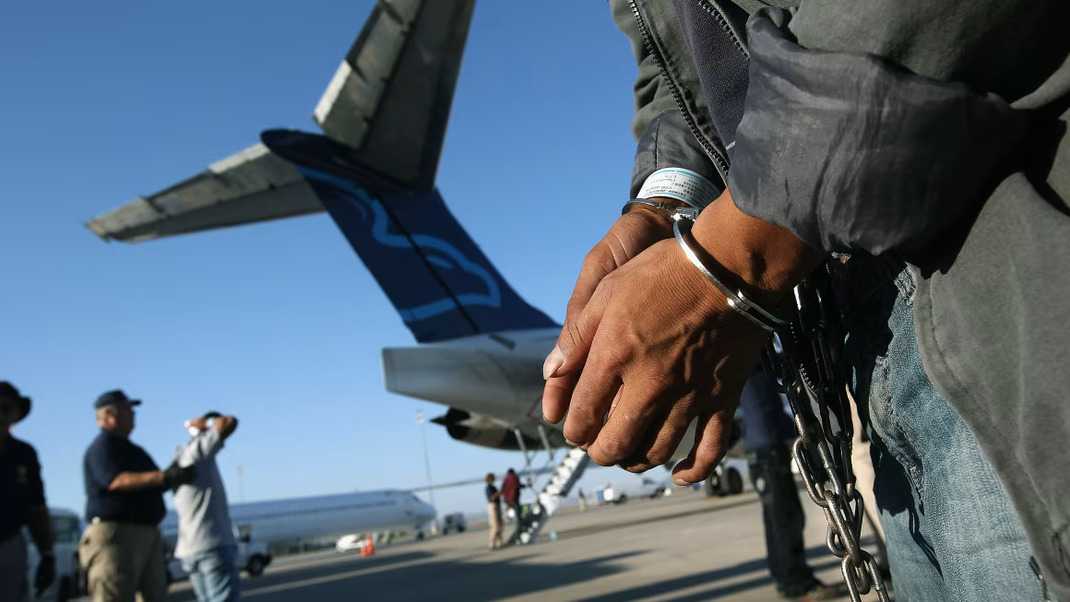
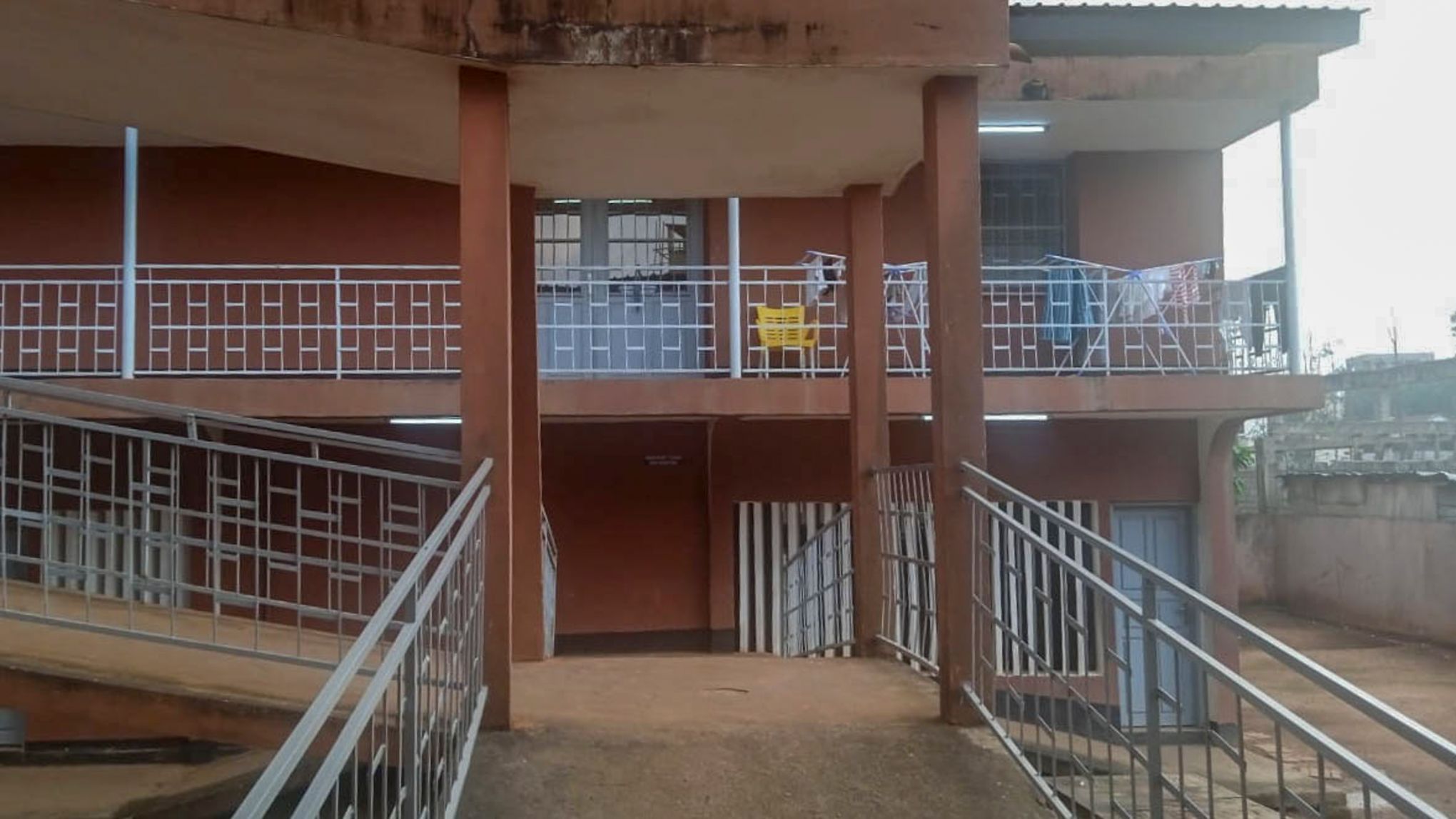
On February 18, 2026, four journalists and a lawyer were arrested in Yaoundé, Cameroon while investigating a secretive U.S. deportation facility housing approximately 15 non-Cameroonian migrants. The incident—involving Associated Press reporters, BBC freelancers, and local media professionals—reveals critical governance instability in a key West African market. This geopolitical crisis directly impacts cross-border e-commerce sellers operating in or sourcing from Cameroon, signaling regulatory unpredictability and operational risk that extends beyond journalism to commercial activities.
For cross-border sellers, this development creates three immediate supply chain vulnerabilities. First, arbitrary law enforcement actions targeting foreign journalists suggest broader governmental instability affecting business operations, personnel safety, and regulatory compliance. The confiscation of devices (cameras, laptops, phones) by Cameroonian police without transparent legal justification indicates weak rule-of-law protections that could extend to commercial operations, inventory audits, or financial records. Sellers with warehousing, fulfillment centers, or direct operations in Cameroon face elevated risks of asset seizure, arbitrary inspections, or operational disruptions. Second, press freedom deterioration signals governance weakness—Cameroon ranks among Africa's most dangerous countries for journalists according to the Committee to Protect Journalists and Reporters Without Borders, with four journalists currently imprisoned and physical attacks/surveillance documented. This institutional weakness correlates with unpredictable customs enforcement, inconsistent tax administration, and political interference in commercial activities. Third, U.S.-Cameroon diplomatic tensions created by the secret deportation program and journalist arrests may trigger retaliatory trade restrictions, visa complications for American business personnel, or regulatory retaliation against U.S.-linked commercial entities.
Specific seller impact varies by business model. Amazon FBA sellers sourcing raw materials or finished goods from Cameroon (textiles, cocoa products, minerals) face 15-25% supply chain disruption risk if governmental instability escalates. Sellers with 3PL fulfillment operations in Yaoundé or other Cameroonian cities should conduct immediate operational audits and develop contingency logistics plans. Cross-border sellers shipping to Cameroon customers may experience customs clearance delays, arbitrary tariff assessments, or regulatory barriers as governmental focus shifts to political control. The incident also signals potential cybersecurity risks—device confiscation raises concerns about spyware installation and data theft, relevant to sellers managing customer databases or payment information in the region. Companies with Cameroonian employees or contractors should assess personnel safety protocols and consider remote work arrangements during political instability periods.
Questions 8
How does Cameroon's journalist arrest incident affect cross-border sellers operating in the region?
The February 18, 2026 arrests of four journalists and a lawyer in Yaoundé signal governmental instability that directly threatens cross-border sellers. The incident demonstrates weak rule-of-law protections, arbitrary law enforcement actions, and potential asset seizure risks. Sellers with fulfillment operations, warehousing, or direct commercial presence in Cameroon face elevated risks of operational disruptions, arbitrary inspections, or regulatory retaliation. The confiscation of devices without transparent legal justification suggests similar risks could extend to business records, inventory audits, or financial documentation. Sellers should immediately conduct operational risk assessments and develop contingency plans for supply chain disruptions.
What monitoring indicators should sellers track to assess escalating Cameroon risk?
Establish a risk monitoring dashboard tracking: (1) **Press freedom metrics**—Committee to Protect Journalists imprisonment reports, Reporters Without Borders rankings, documented journalist arrests; (2) **Diplomatic indicators**—U.S. State Department travel advisories, visa policy changes, official statements on Cameroon governance; (3) **Customs data**—clearance delays, tariff changes, documented arbitrary assessments from seller forums; (4) **Personnel safety**—employee incident reports, security incidents, local business community feedback; (5) **Financial indicators**—currency volatility, banking access complications, payment processing delays. Review monitoring data monthly and escalate contingency planning if: journalist imprisonment increases, travel advisories elevate, or customs delays exceed 10 days. Establish 30-day decision point to evaluate relocation if risk indicators deteriorate significantly.